St. John's is the capital of Newfoundland and Labrador and one of the oldest settlements in North America, a compact harbour city of steep streets, painted wooden houses and a famously warm local welcome. It is also a gateway to the Avalon Peninsula, where sea cliffs, puffin colonies and old fishing villages are within an hour's drive. This guide covers the city and those day trips, and it is written for a first visit.
Know the seasons first
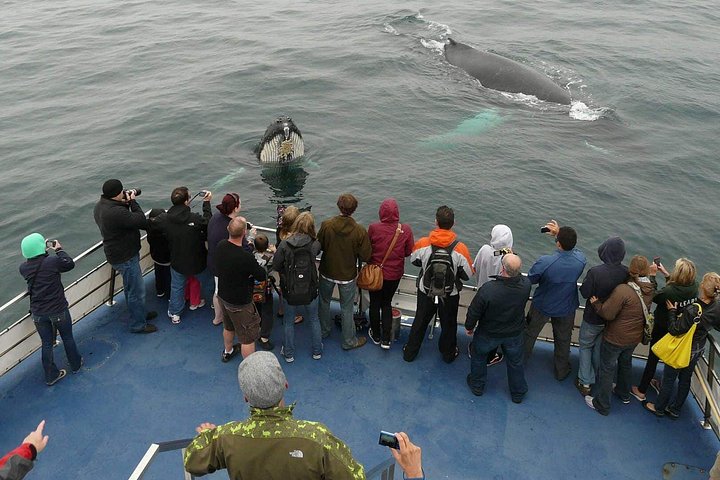
The best-known wildlife experiences are seasonal. Whale watching and the Witless Bay puffin boat tours run roughly from May to October, with puffins on the islands from late May to early August and icebergs most likely in late spring and early summer. If you are visiting outside that window, the city, the coast and the museums still make a full trip, but the boats will not be running. Weather is changeable in every season, with wind, fog and rain common, so pack layers and a waterproof jacket.
What to book ahead
In July and August, book the Witless Bay boat tour and any guided tour you care about before you arrive, because small groups sell out. Guided tours with small groups also need a minimum number of travellers to run. Everything else is flexible: Signal Hill, Quidi Vidi and the downtown streets cost nothing and need no booking, and The Rooms is a walk-in visit with posted hours.
Getting around
Downtown St. John's is compact and walkable, though hilly, and most hotels, restaurants and George Street are within a short walk of each other. For Cape Spear, Quidi Vidi, Signal Hill and the Southern Shore, a rental car is the easiest option, and taxis and guided tours cover the rest. Cape Spear and Bay Bulls have no public transport, so plan ahead if you do not drive. St. John's International Airport is about 15 minutes from downtown by road.
How many days
Three days is a good first visit. Spend day one downtown with the guided walking tour, a late lunch and a look inside The Rooms, which is closed on Mondays. Spend day two on the coast, with Signal Hill in the morning, Quidi Vidi next and Cape Spear in the afternoon, either by car or on the small-group tour. Use day three for the Avalon, with the puffin and whale boat tour in season, or the Irish Loop day trip to Ferryland, which suits summer because the Colony of Avalon is open from June to October.
Where the headline sights fit
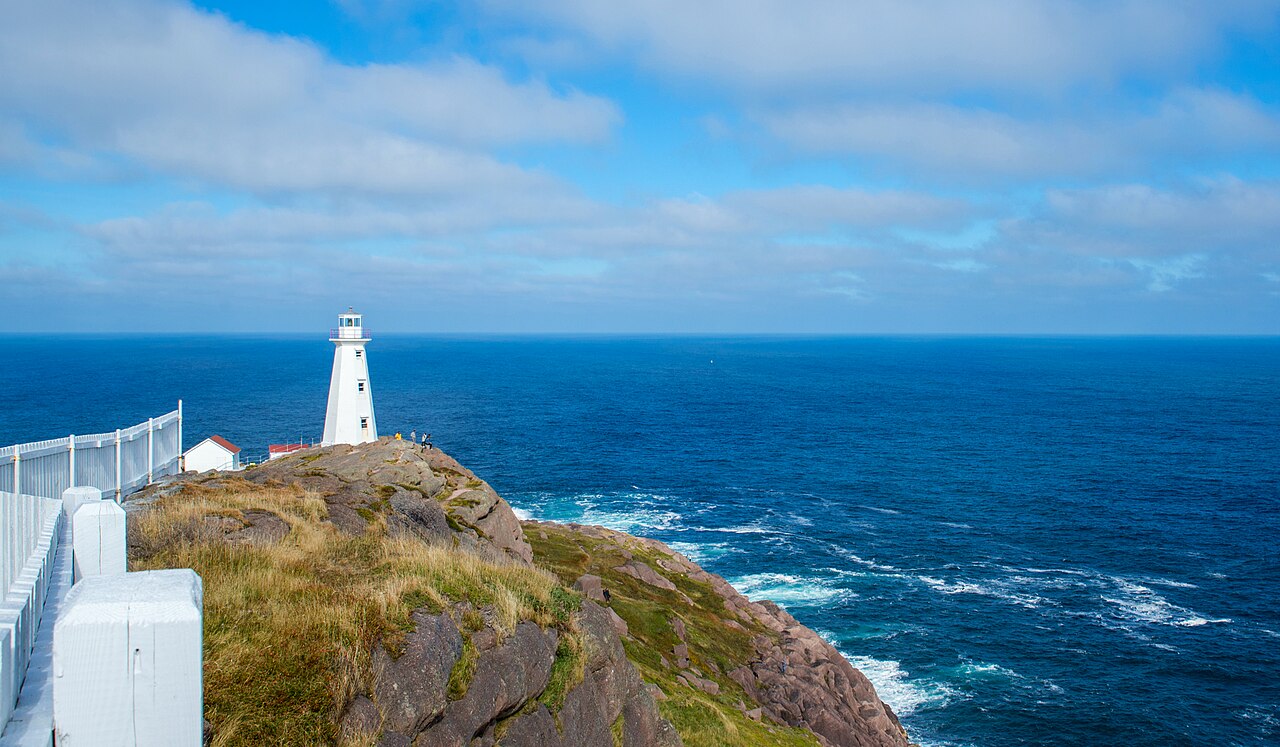
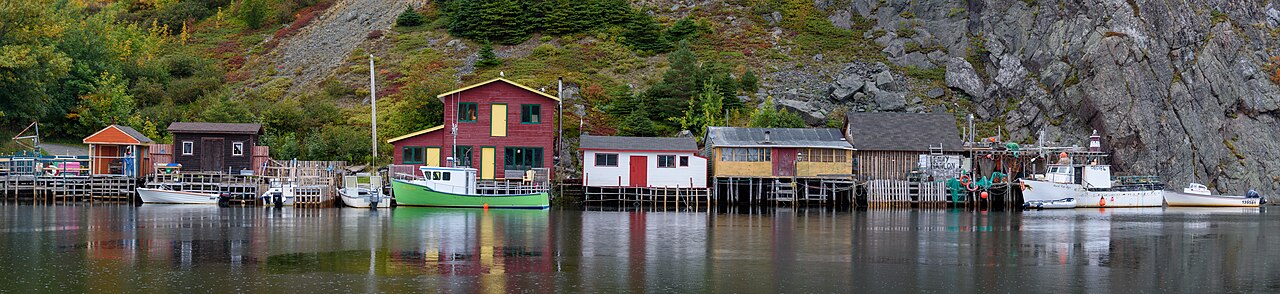
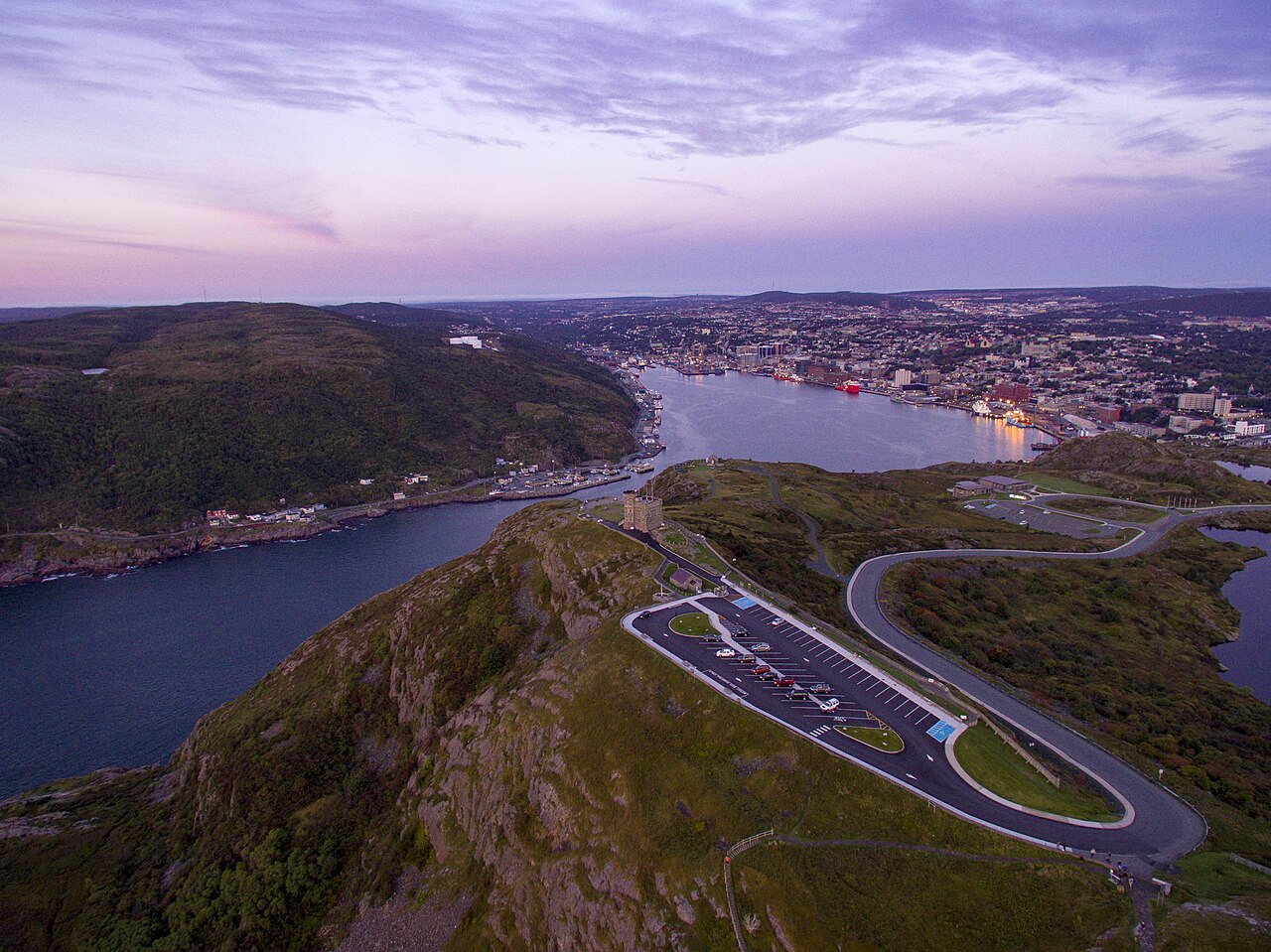
Signal Hill is the essential viewpoint, with Cabot Tower at the summit, free grounds that are open all year and a visitor centre that keeps a summer season, roughly June to early October. Cape Spear is the most easterly point in North America, with the same pattern of open grounds and a summer-only lighthouse and kiosk. Quidi Vidi is a working fishing village that takes an hour to enjoy, and the artisan studios there are open year-round. The Rooms ties the story together indoors.
Eating and evenings
The food tour is the best introduction to Newfoundland cooking, with toutons, seafood and wild game among the tastings, and it makes a good first-day activity so you know what to order afterwards. George Street is the city's pub street, with live music most nights, and Water Street has plenty of restaurants. Prices are moderate by Canadian standards, though restaurant prices rise in peak summer.
Honest cautions
Many tours and attractions are seasonal, and the Colony of Avalon, the boat tours and the Signal Hill and Cape Spear visitor services are out of season in winter. Fog can hide the views at Signal Hill and Cape Spear, so keep your plans flexible and be ready to swap a coastal day with a museum day. A small-group tour may be cancelled if too few people sign up, so check your confirmation.