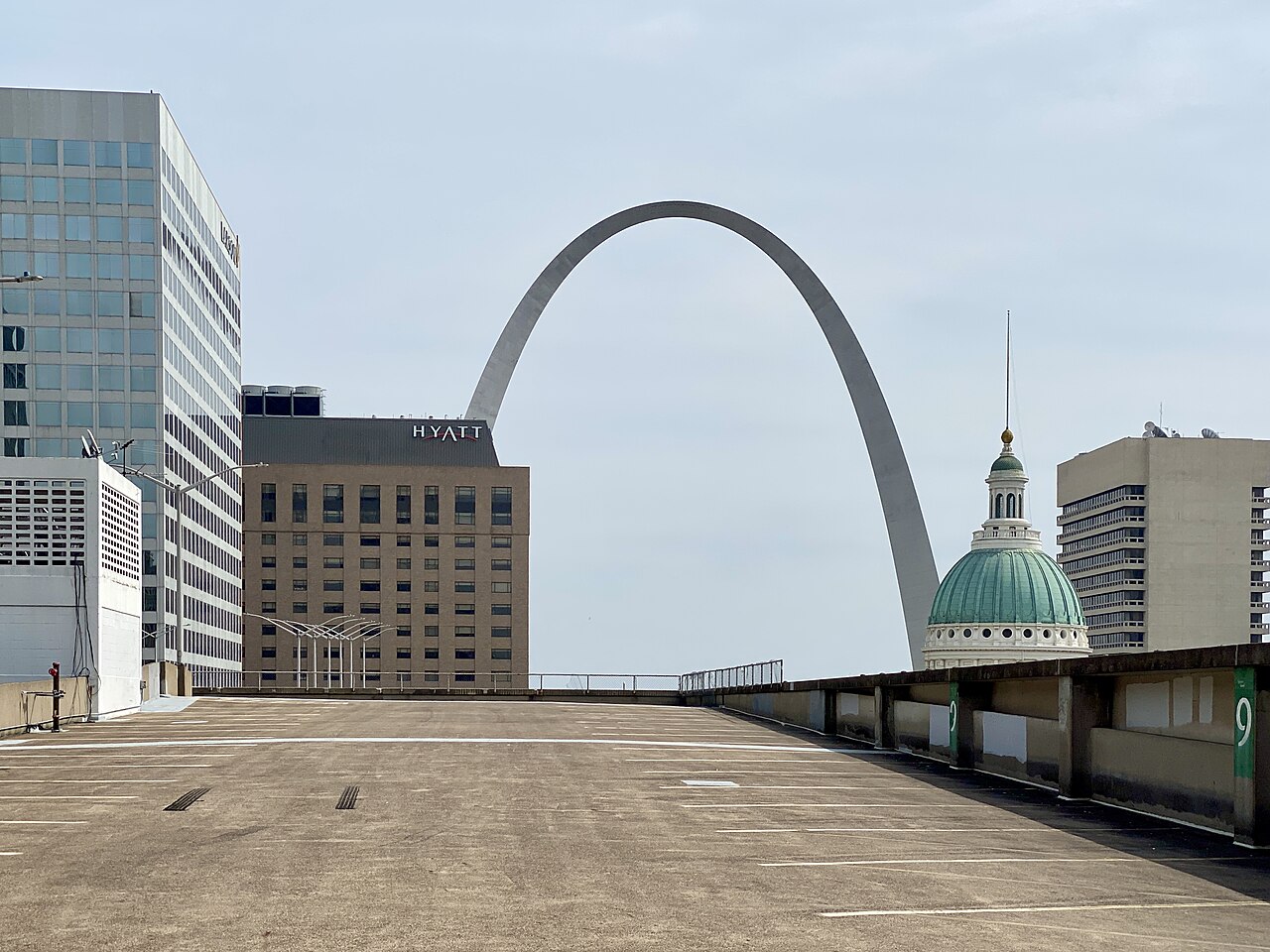
The Old Cathedral stands on the Mississippi riverfront in the shadow of the Gateway Arch, and it is older than almost everything around it. The Basilica of St. Louis, King of France, was completed in the 1830s on a site where earlier log and brick churches had stood, and for decades it was the only Catholic church in St. Louis. It served French settlers, immigrants and travelers heading west, and today it remains a working parish as well as one of the oldest buildings in the city, a calm Greek Revival presence among the modern memorials and parkland of the riverfront. Step inside and you find a bright, orderly sanctuary that is a world apart from the busy levee outside. There is also a museum on the west side of the church, established in the 1940s and recently renovated and reopened, that tells the story of the early Catholic community in St. Louis. Exhibits cover the earlier church buildings, the way the riverfront changed with the Jefferson National Expansion Memorial and the Gateway Arch, and the experiences of Native American, immigrant, Black and enslaved people in the Catholic community, along with records connected to Bishop Joseph Rosati and a short documentary on the church in the twentieth century.
How to visit
The Old Cathedral is on the downtown riverfront, close to the Arch grounds, and is an easy walk from the Gateway Arch and the Old Courthouse. Entry to the church is free. As an active parish it holds regular services, so access to the sanctuary can change, and the museum keeps its own hours that are posted on the church's site. Check them before you go, especially on weekends and holidays. Dress modestly, speak quietly, and step out of the way during a service.
What to expect
The church interior is the main attraction for most visitors, and it is compact enough to see in fifteen to twenty minutes. If the museum is open, allow another half hour. It has two floors connected by a lift, exhibits on the changing landscape of the riverfront, and a historical documentary.
The material gives a human side to the Arch story: before the memorial was built, this was the oldest part of a river town, and the church stood amid warehouses, shops and homes. Seeing a handful of surviving buildings helps you understand what the Arch grounds replaced.
Making the most of it
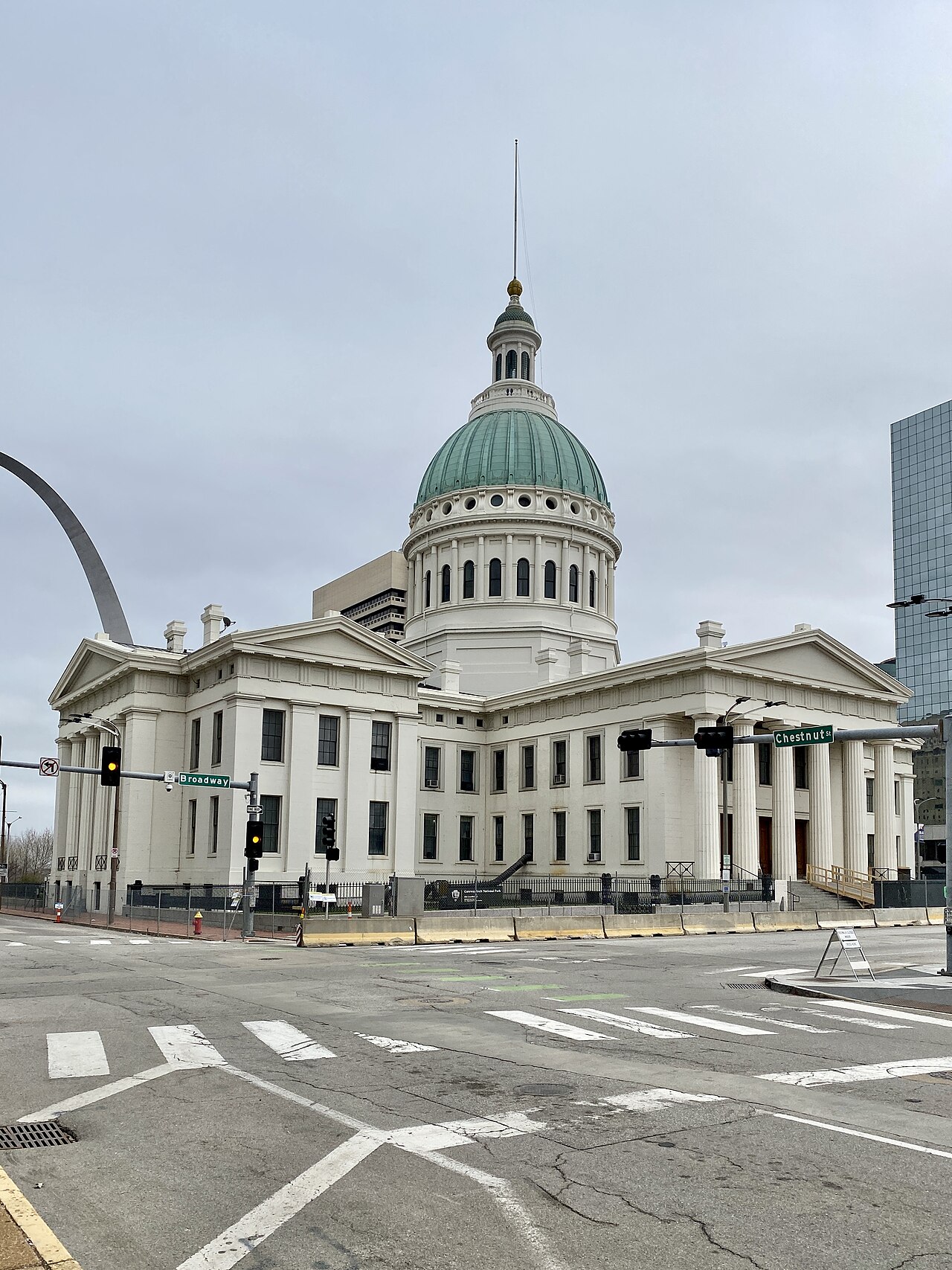
Combine the Old Cathedral with the Gateway Arch tram and museum and the Old Courthouse, which together take you from the founding of St. Louis through the westward expansion and the Dred Scott story. A walk along the riverfront afterward adds views of the Mississippi and the Eads Bridge.
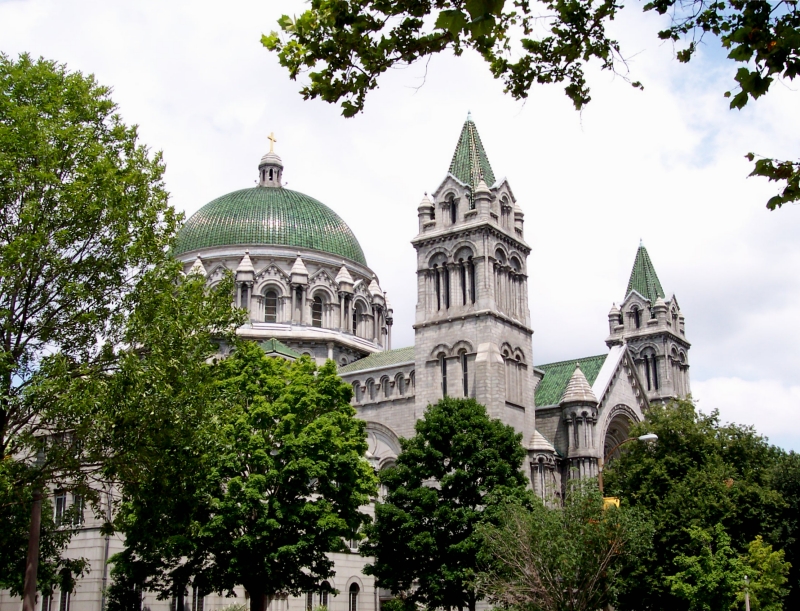
On a rainy day, the church and its museum make a quiet indoor stop between the other riverfront sights. For a broader picture of Catholic life in the city, the Cathedral Basilica of Saint Louis in the Central West End, with its vast mosaics, makes an excellent contrast: one is intimate and early, the other grand and modern.
Visitors interested in French St. Louis, architecture or the city's religious history will find the Old Cathedral worth an unhurried stop, and anyone simply looking for a peaceful ten minutes away from the crowds on the levee will be glad they stepped through the door.
What to expect
The experience
format
Best time
bestTime
How long
duration
Tips
tips
Quick picks
- Best for
- bestFor
- Families
- families
- Couples
- couples
- Pair with
- pairWith
- Time needed
- timeNeeded
Good questions
Is the Old Cathedral free to visit?+
Entry to the church is free. The museum has its own posted hours, so check before you go.
When was the Old Cathedral built?+
The current church was completed in the 1830s on a site that had held earlier log and brick churches.
Where is the Old Cathedral?+
It is on the downtown St. Louis riverfront, within easy walking distance of the Gateway Arch and the Old Courthouse.
Is it still a working church?+
Yes. The Old Cathedral is an active parish, so services can affect when visitors may enter the sanctuary.
What is in the museum?+
Exhibits cover the early Catholic community in St. Louis, the earlier church buildings, the changing riverfront and stories of Native American, immigrant, Black and enslaved Catholics.