Stockholm is a young capital in an old country. The city dates from the thirteenth century, but Sweden's story reaches much further back, and the best way to feel it is to leave the centre. Within an hour or two you can stand among Viking runestones, walk through the oldest town in the country, tour a baroque royal residence and step into the archipelago. This guide sets out the best history-led day trips, how to choose between them and how to make them work with a short stay.
Start in the city
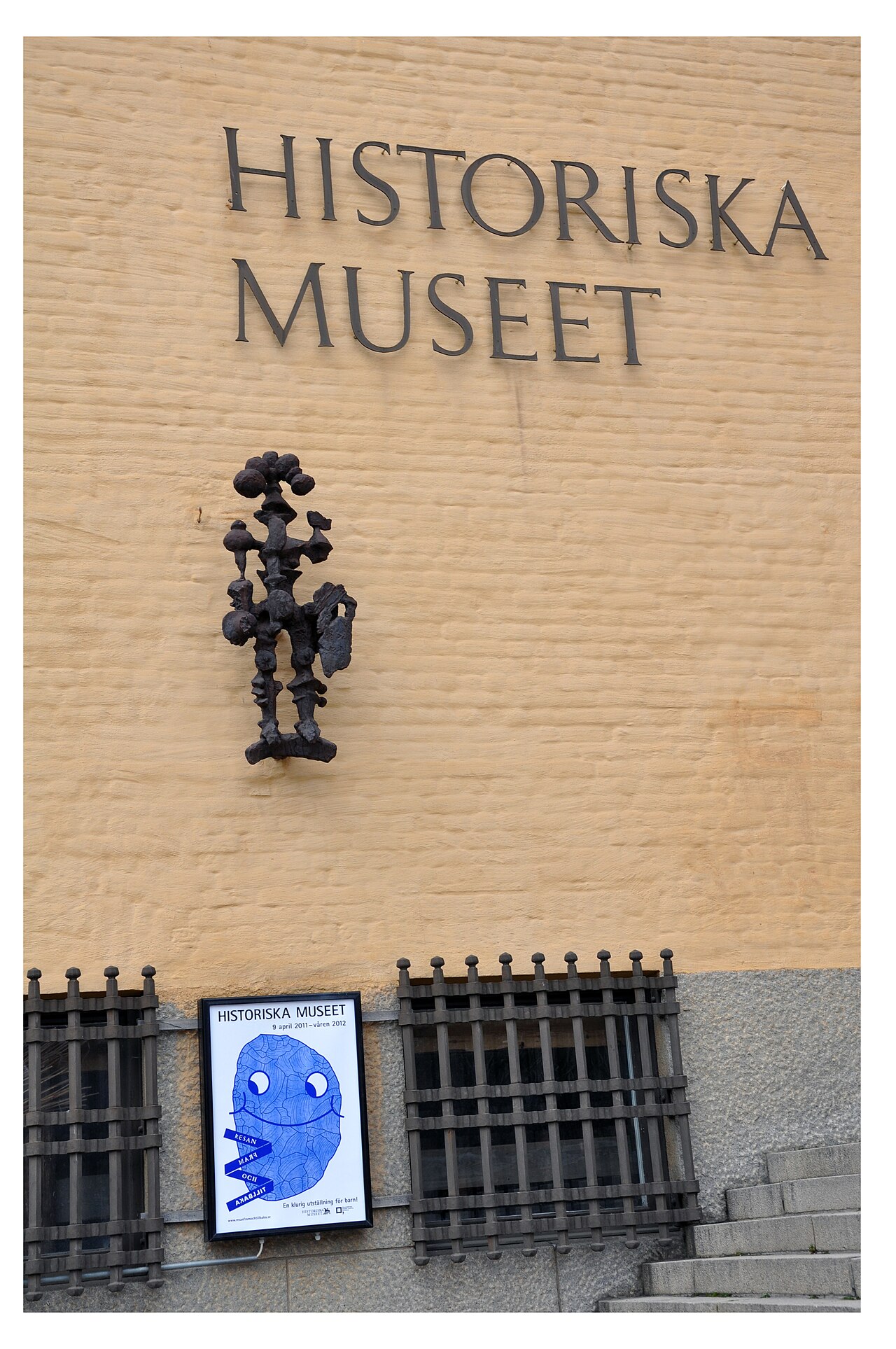
Before you go anywhere, build a little background. The Swedish History Museum holds the national collection of Viking-age treasures, including gold and silver hoards that show how wealthy and well connected the Scandinavians of a thousand years ago really were. Gamla Stan gives you the medieval city, and the Royal Armoury and Royal Palace tell the later story of the monarchy. An hour in the History Museum makes every runestone and burial mound you meet outside the city mean more.
Sigtuna and Uppsala: the Viking and medieval heartland
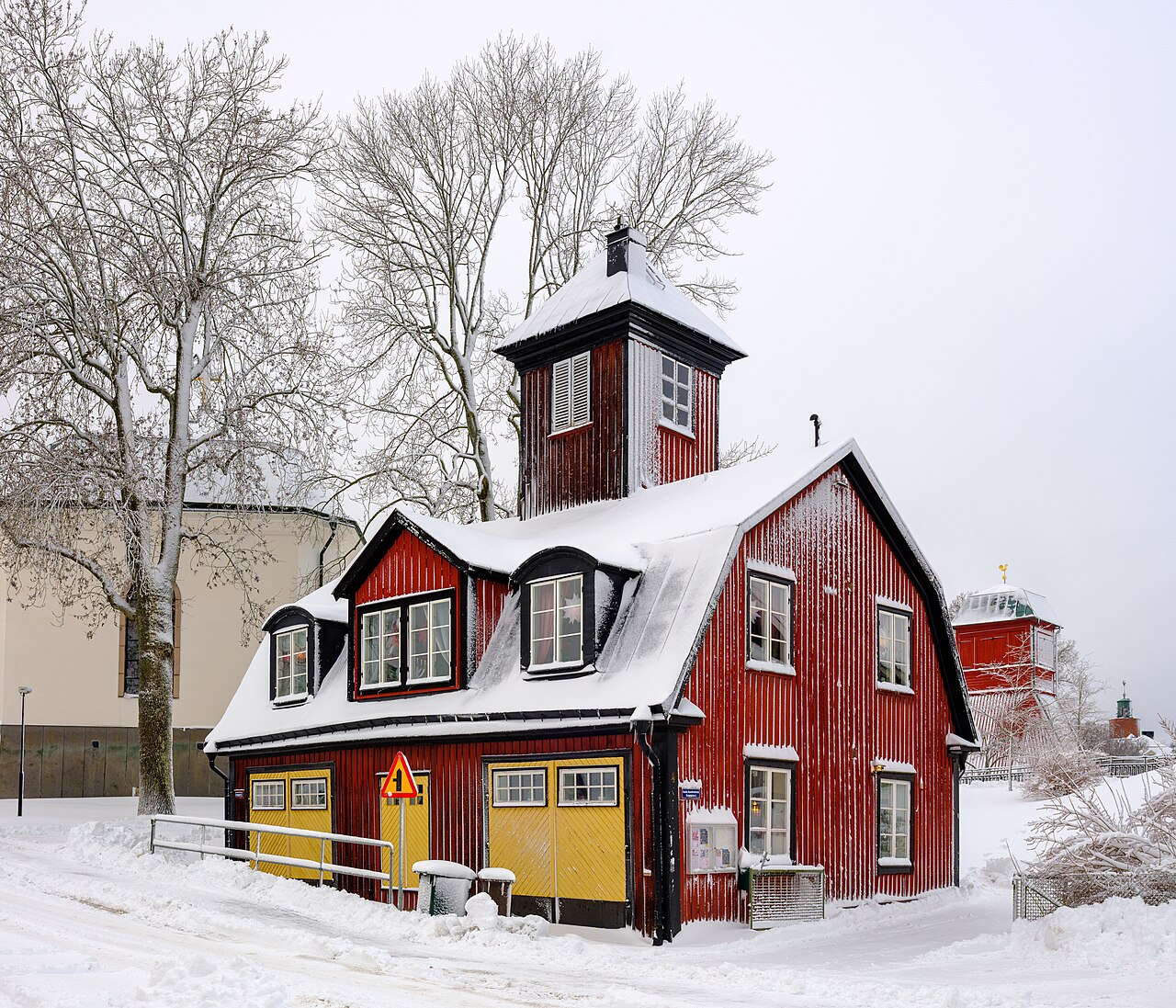
The most rewarding history excursion is a full day to Sigtuna and Uppsala, usually by coach or minibus with a guide. Sigtuna is often described as Sweden's oldest town, founded around the end of the tenth century, and its main street, Stora Gatan, is lined with small wooden houses, cafes and shops by the lake. Around the town are the ruins of medieval churches and runestones carved with the names and boasts of people who lived a thousand years ago. Uppsala adds royal and religious weight: the great mounds at Gamla Uppsala, where kings were buried, and the cathedral in the modern city, the largest in Scandinavia, where monarchs were crowned and Linnaeus is buried. A fika stop at a farm adds a rural note to the day.
Drottningholm Palace: royal Sweden
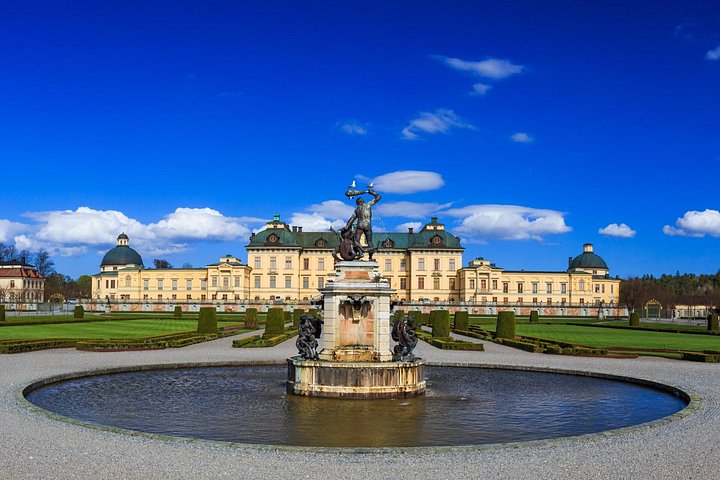
For a shorter outing, Drottningholm lies on an island in Lake Mälaren, west of the centre, and is the private home of the royal family. The baroque palace, its gardens and its eighteenth-century court theatre are protected for their completeness, and a visit gives you a sense of how Swedish royalty lived at the height of the nation's power. Many visitors travel by boat, which makes the journey part of the pleasure, and it makes a good half-day when combined with a ferry ride out and a bus or metro journey back, or the other way around.
Vaxholm and the archipelago: the maritime side
To the east, Vaxholm is the gateway to the archipelago, a small town on an island with a fortress that guarded the sea approach to Stockholm for centuries. It is easily reached by boat in the warmer months, and it is a relaxed place to wander, eat a waterfront lunch and watch the ferries come and go. It shows you the maritime side of the country's story, as a nation of sailors, pilots and fishermen, and it is the easiest day trip for families.
Combine history with the museums
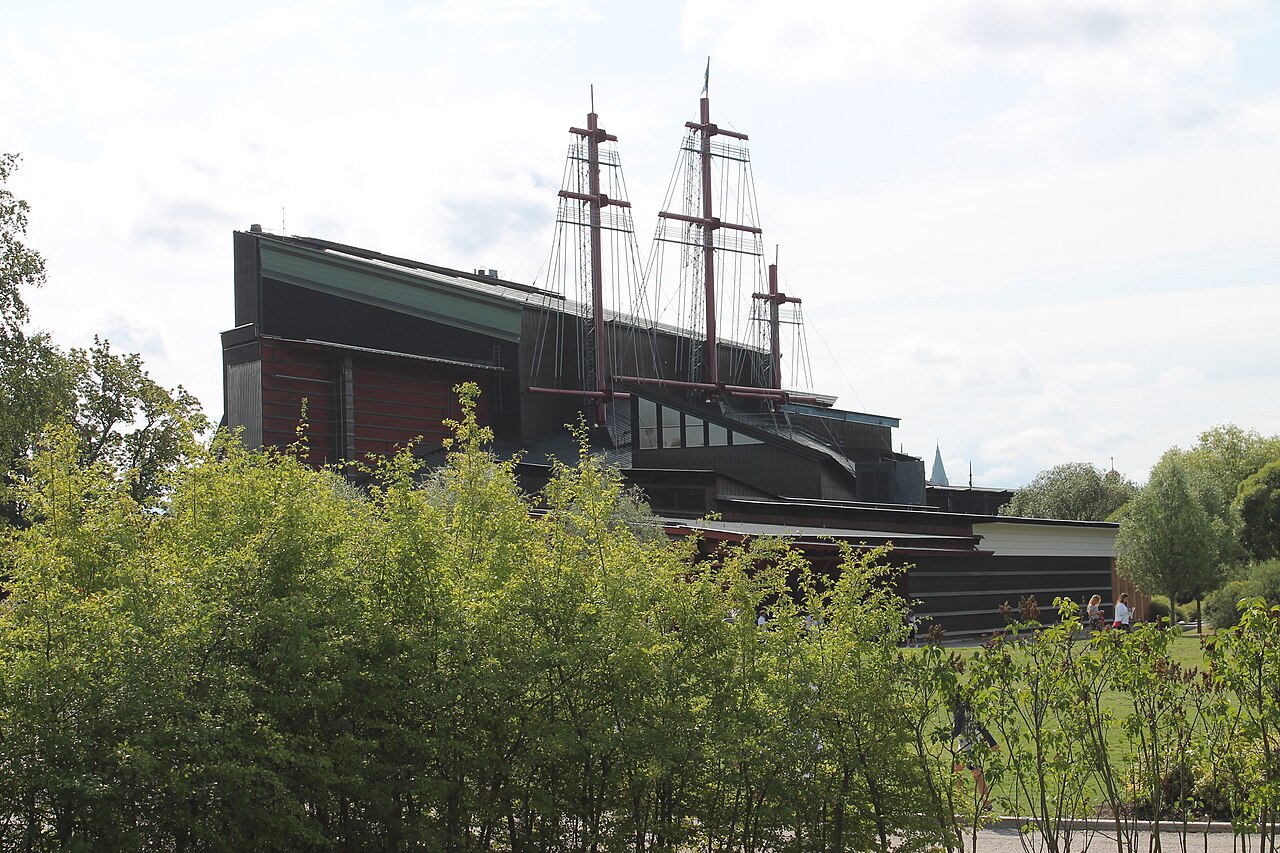
A good plan for three or four days mixes the city and the countryside. Spend a morning at the Vasa Museum, the warship that sank in 1628 and was raised almost whole, then an afternoon at the History Museum or Royal Armoury. Dedicate a full day to Sigtuna and Uppsala, and use another half day for Drottningholm or Vaxholm. Each trip answers a different question: where did Sweden come from, how did its kings live and how did its people use the sea.
Choosing between them
If you love Vikings and early history, choose Sigtuna and Uppsala. If you want grand architecture and gardens, choose Drottningholm. If you want something light, scenic and easy, choose Vaxholm. If you have time for only one, pick the one that matches your interests, and keep a flexible day. Do not try to combine the full-day Viking tour with other heavy sightseeing, because the day is long, and you will enjoy it more if you leave the evening free.
Practical advice
Check seasonal opening hours before you plan, because some sites and boat services reduce in the darker months and some churches and palaces close for events. Wear comfortable shoes, bring a layer for outdoor stops and carry a card or a little cash for cafes. Guided tours save you the effort of organising transport and add context, which is especially useful at sites where the history is in the ground rather than on display. For independent travel, trains and buses to Uppsala and Sigtuna are frequent, but a guided day removes the logistics.
Where to stay
A base near Central Station makes it easy to catch trains and buses to Uppsala and Sigtuna, while Gamla Stan or Skeppsholmen puts you close to the boats for Drottningholm and Vaxholm. Our where-to-stay guide matches each area to a hotel, so you can choose the base that fits your plan.