Stockholm is one of the easiest big cities to visit with children. It is safe and compact, the public transport is excellent and works well with pushchairs, and many of the best sights are built for young people. Boats, trains and a warship that sank on its first voyage are a good start. Here is how to plan a family trip that suits different ages and different weather.
Start on Djurgården
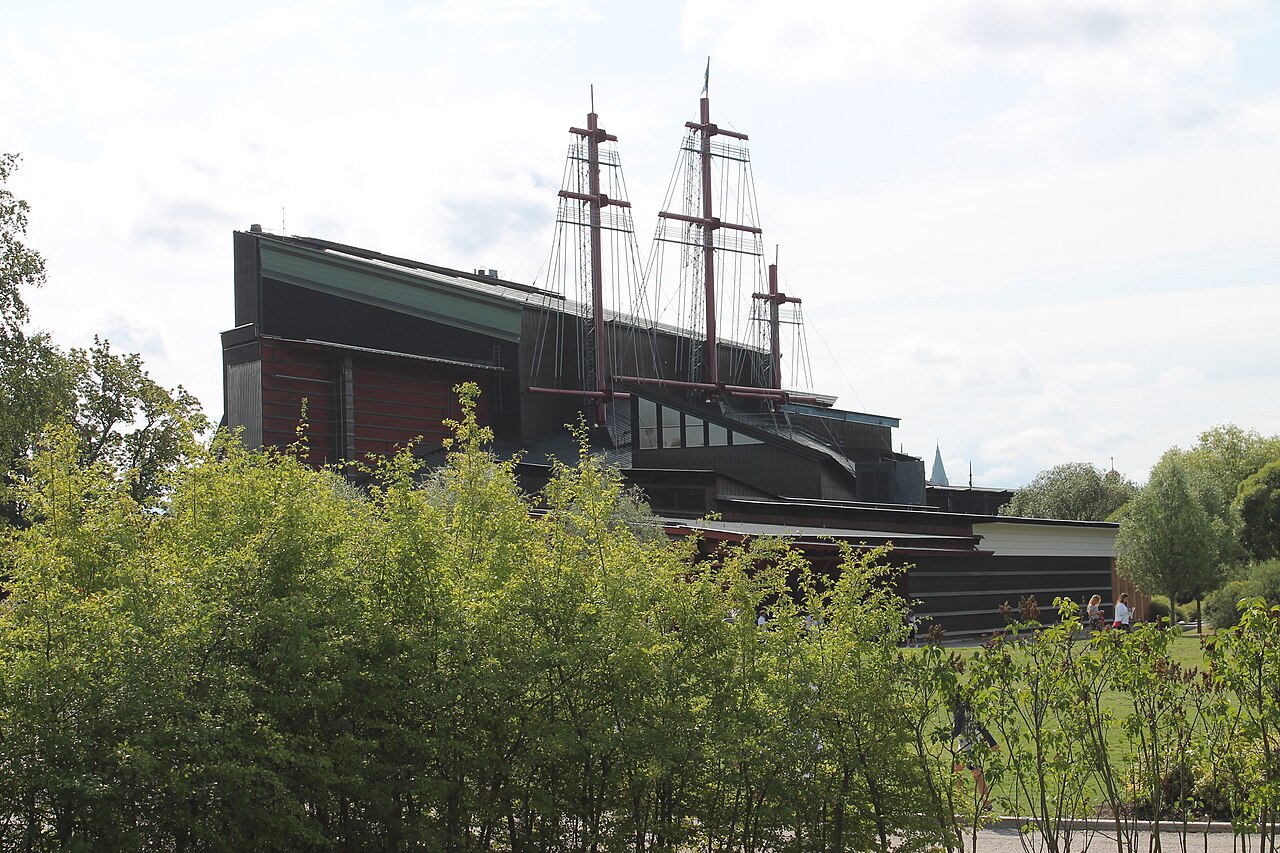
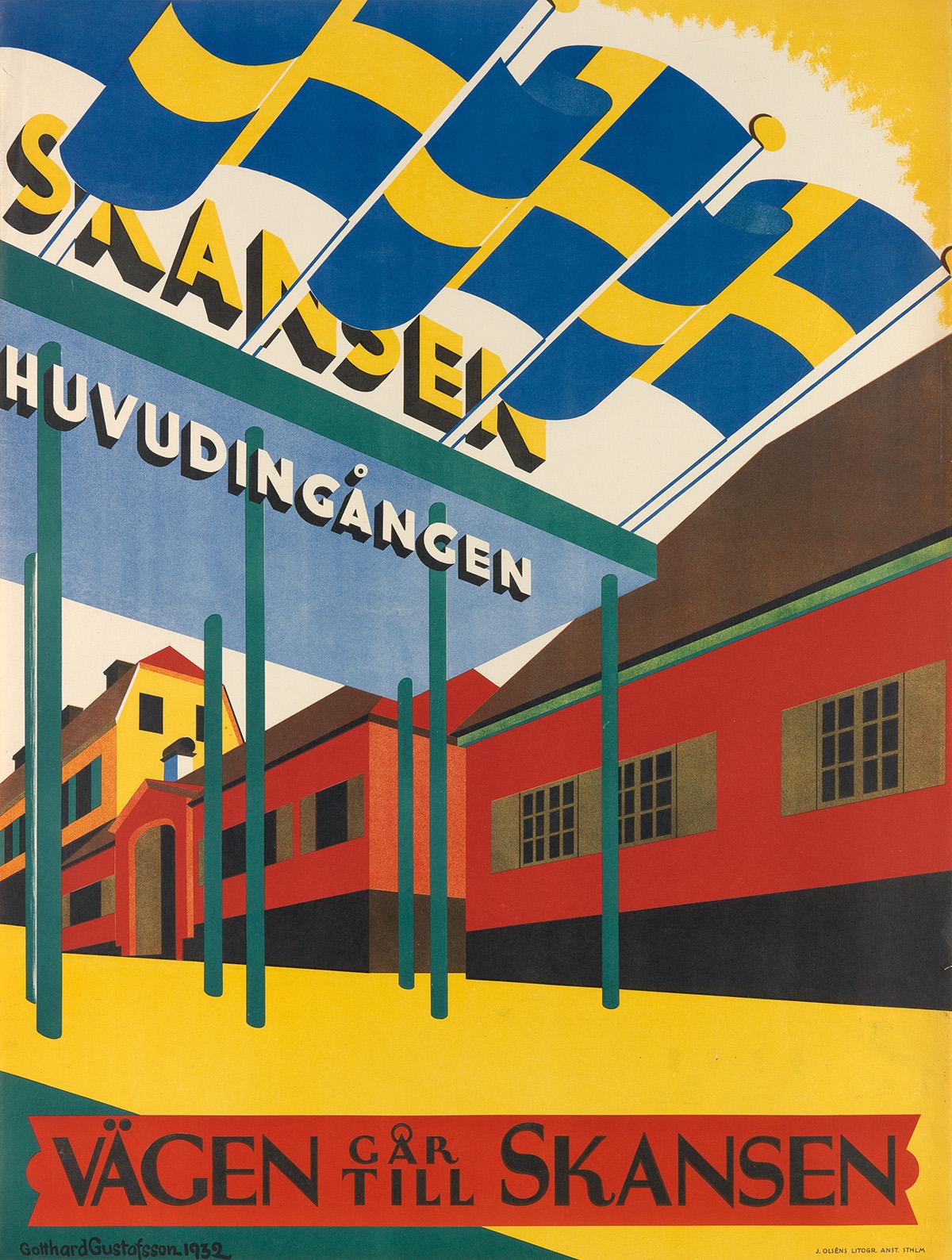
The museum island is the natural base for a family visit because so much is within walking distance. The Vasa Museum is the headline: children are awed by the size of the ship, and the models, the film and the free English tours bring the sinking and the salvage to life. Junibacken, a short walk away, is the storybook world of Astrid Lindgren, with a gentle train ride through scenes from Pippi Longstocking and other classics and a life-size Villa Villekulla to play in; it is best for children from about three to nine. Skansen, the open-air museum, is the family favourite: it combines historic farmsteads and craftspeople with a Nordic zoo, so children can see elk, bears, wolves and lynx, as well as farm animals, in a day that feels like a country outing in the middle of the city. Aim for two of these three in a day rather than all of them.
Plan around age
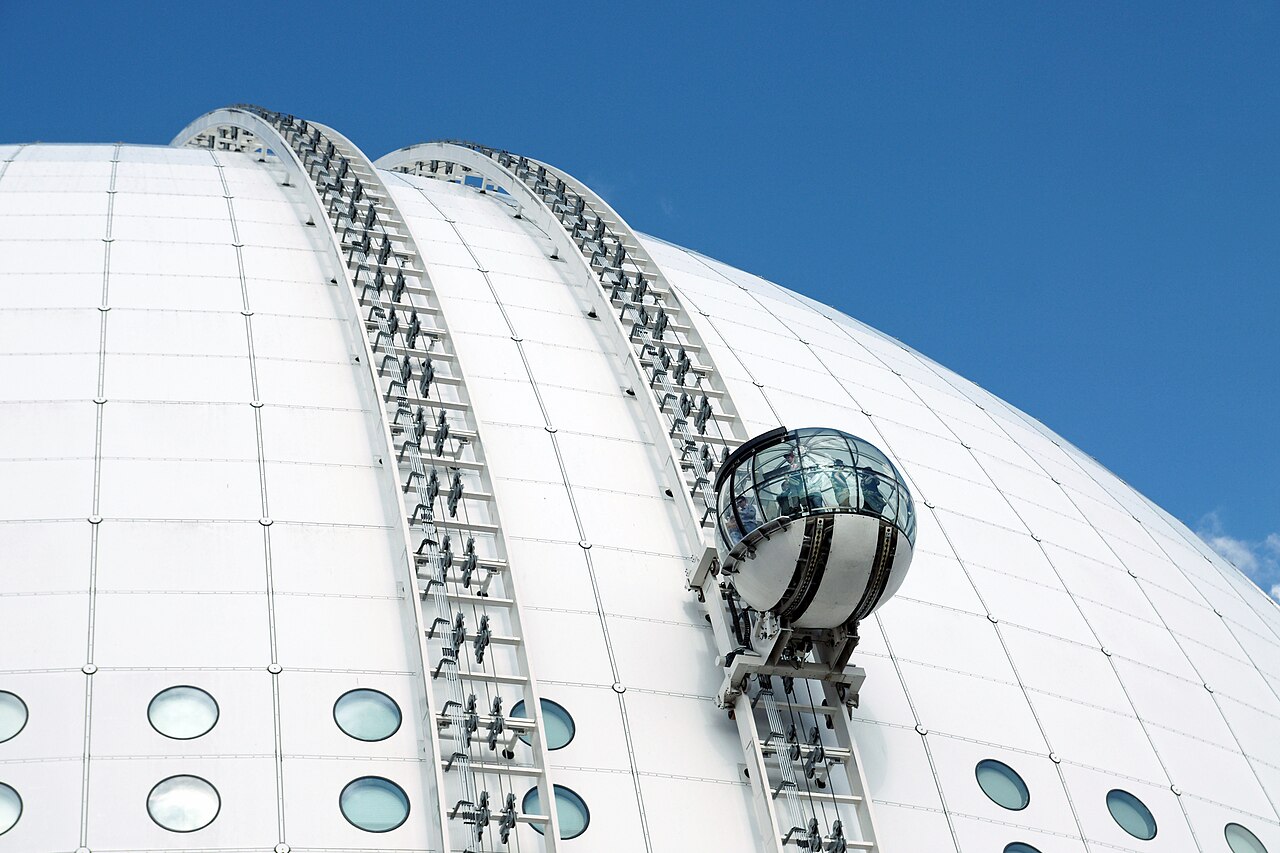
For toddlers and pre-schoolers, Junibacken and Skansen's animals and playgrounds are the safest bets, with the Vasa for a shorter, more exciting visit. For primary-school children, add the Vasa in full, the Swedish History Museum with its Vikings and gold, and the Royal Armoury, where armour, swords and a stuffed warhorse are a certain hit. For teenagers, ABBA The Museum and the Avicii Experience have hands-on elements, and SkyView, the gondola up the side of the arena dome, is a thrill. A boat ride to Vaxholm is a good adventure for any age.
Rainy-day plans
Stockholm has a strong indoor offering. Junibacken, the Vasa Museum, the Swedish History Museum and ABBA The Museum are all indoors, as are the metro stations, which are famous for their art and make a small adventure in themselves. In warm weather, a ride on the Djurgården ferry from Slussen is a treat, and in the warmer months there are seasonal attractions such as the amusement park on Djurgården. Pack a waterproof jacket for each child, because the best days out often include a stretch outside.
Boats, trains and trams
Children love the transport. The Djurgården ferry from Slussen is part of the public transport system and costs no more than a ride on the metro, and the tram to Djurgården is a small adventure of its own. The archipelago boats to Vaxholm or the Drottningholm boat in summer are longer outings that feel like a real trip. Children under a certain age usually travel free on public transport and pushchairs ride on the metro and buses, with lifts at most stations, though a few older stations have stairs, so check your route in the transport app.
Eating with children
Swedish restaurants are used to families. Most offer a children's menu or a half portion, and the weekday lunch is both cheap and quick. Meatballs with mashed potato and lingonberry jam are a reliable favourite, and every park and museum has a cafe with a bun or a waffle. Fika is a good strategy: a cinnamon bun in the afternoon can restore flagging energy. Play areas are common in cafes and public parks, and there is a long tradition of outdoor play in all weathers, so do not be surprised to see children playing outside in winter.
Where to stay
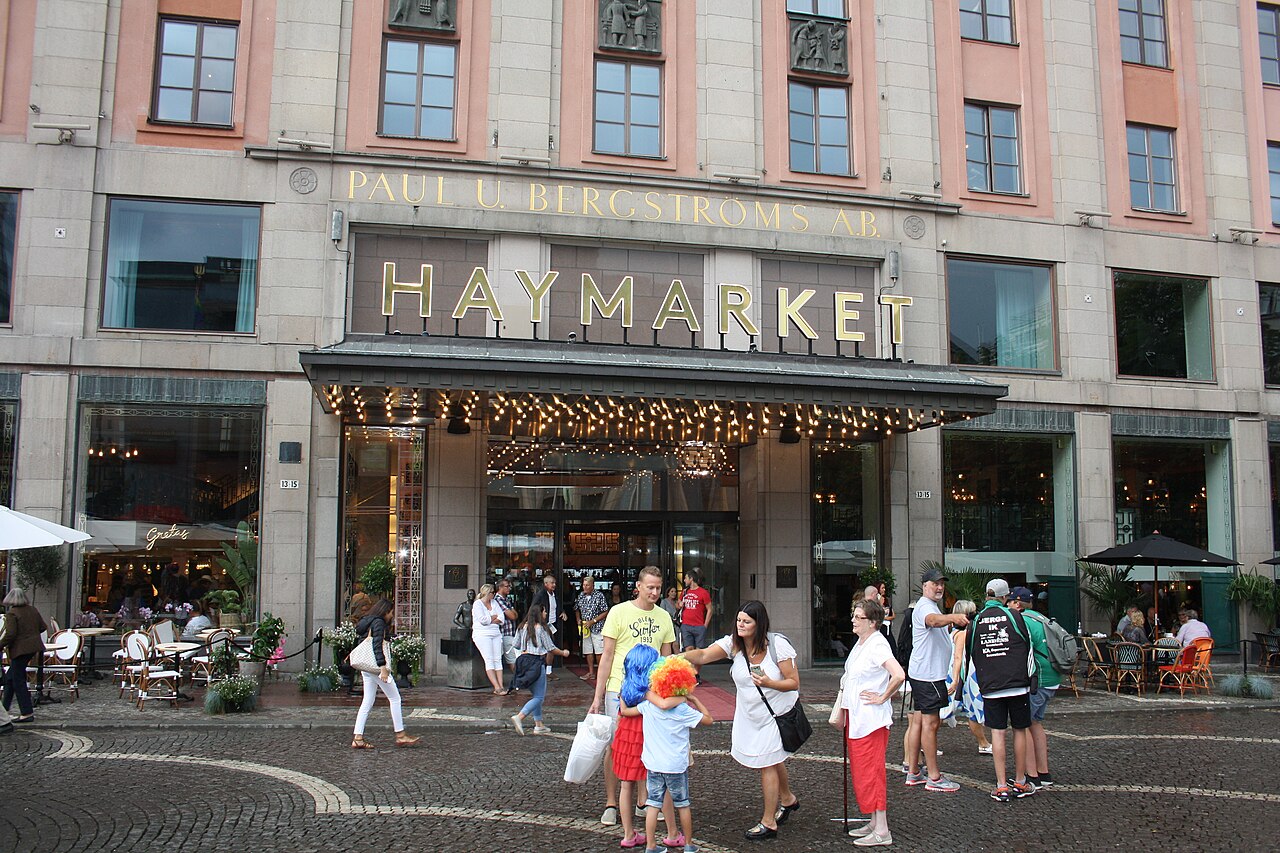
For families, location and space matter most. The Grand Hôtel offers large rooms, suites and a pool and spa in a central waterfront setting, and the ferry quay is right outside. Hotel Skeppsholmen is calm and green, with space to walk along the water, and is a short walk from Djurgården. Haymarket by Scandic is central, with a metro at the door, good value and family rooms, which makes it practical for getting about with children. Whichever you choose, ask about family rooms or connecting rooms when you book, because standard rooms in older Stockholm buildings can be small.
Practical advice
Daylight is short in winter, so plan outdoor activities for the middle of the day and indoor sights for the afternoon. Many museums close on Mondays, so check before you go, and book a few key tickets, such as the Vasa and Junibacken, to avoid queues in school holidays. Stockholm is almost cashless, so carry a card, and keep a few snacks and a reusable water bottle in your bag. With a base on Djurgården or the waterfront and two main activities a day, a family can see the best of the city at an easy pace.