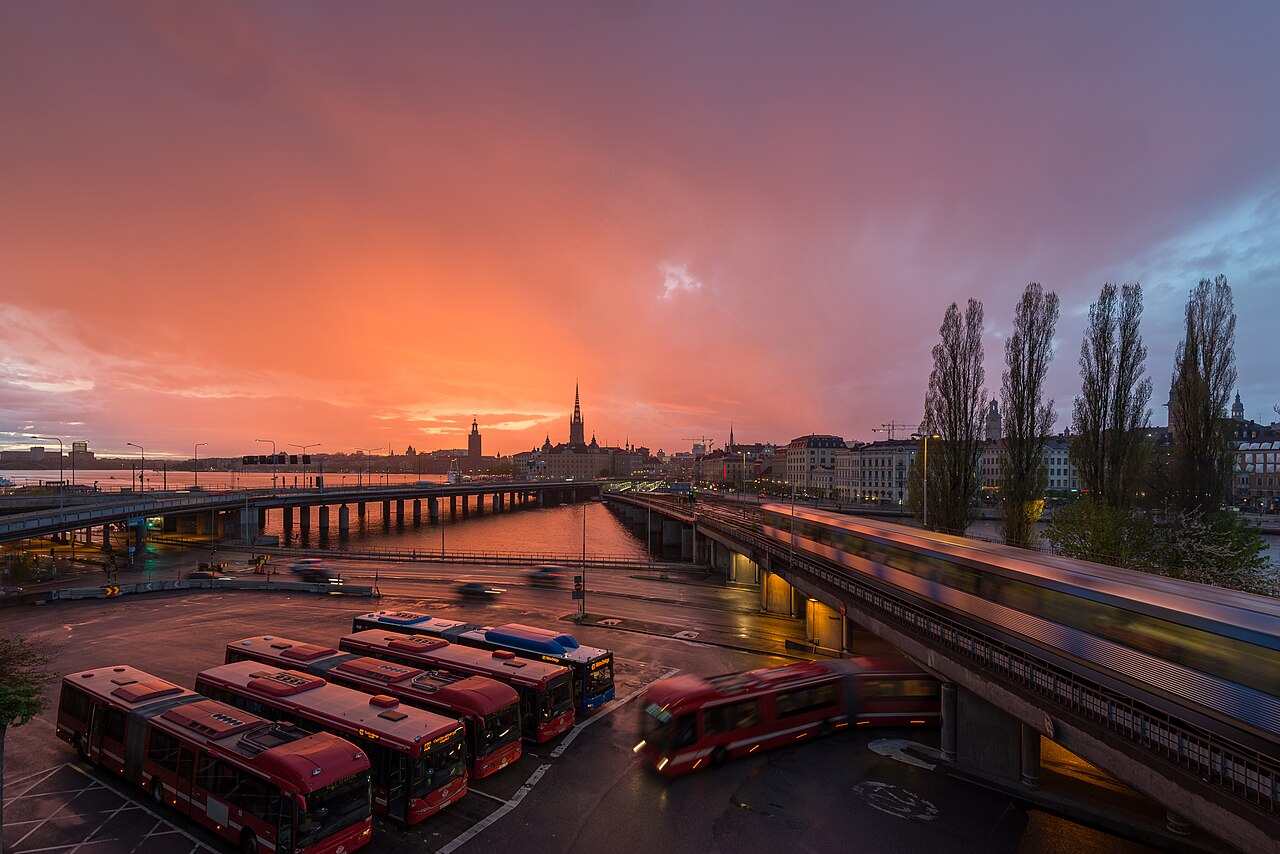
Stockholm changes dramatically with the seasons, and the best time to visit depends on what you want from the city. The northern latitude means that daylight swings from the endless light of June to the brief glow of December, and the character of the city swings with it. Here is how the year looks, with the trade-offs for each season.
Summer, June to August: the classic season
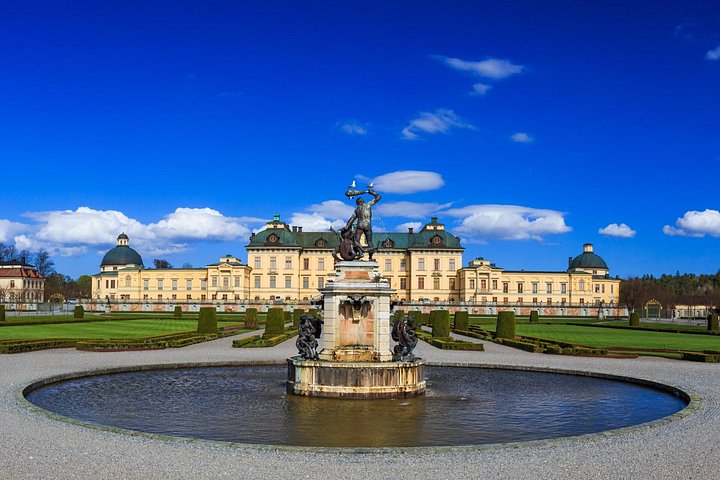
This is when Stockholm is at its most outgoing. The days are long, with light lingering until late in the evening in June and July, and the city moves outdoors: cafe terraces fill up, people swim and picnic along the waterfront, and the archipelago boats run in full. This is the best time for the Vaxholm ferry, for kayaking and for island-hopping, for the Drottningholm boat and for open-air events. The trade-offs are crowds at the main sights, higher hotel prices and the cruise-ship days, when the old town and the Vasa Museum are at their busiest. Book hotels and the most popular tickets ahead, and visit the big museums at opening or in the evening. Midsummer, in the weekend nearest the summer solstice, is a Swedish national celebration, and some businesses close for it while the countryside and the archipelago are busy.
Autumn, September to November: crisp and quiet
Early September is a hidden favourite, with warm days, softer light and noticeably fewer visitors; the archipelago boats are still running and the leaves start to turn in the parks of Djurgården. By October the days shorten quickly, the air turns cold and the city settles into its cosy season of candles, knitwear and cafes. Hotel prices fall, queues vanish and the museums are calm. The trade-off is that some seasonal attractions close or reduce their hours, and the weather can be wet, so pack a rain jacket and plan indoor sights for the afternoons.
Winter, December to February: dark, cosy and festive
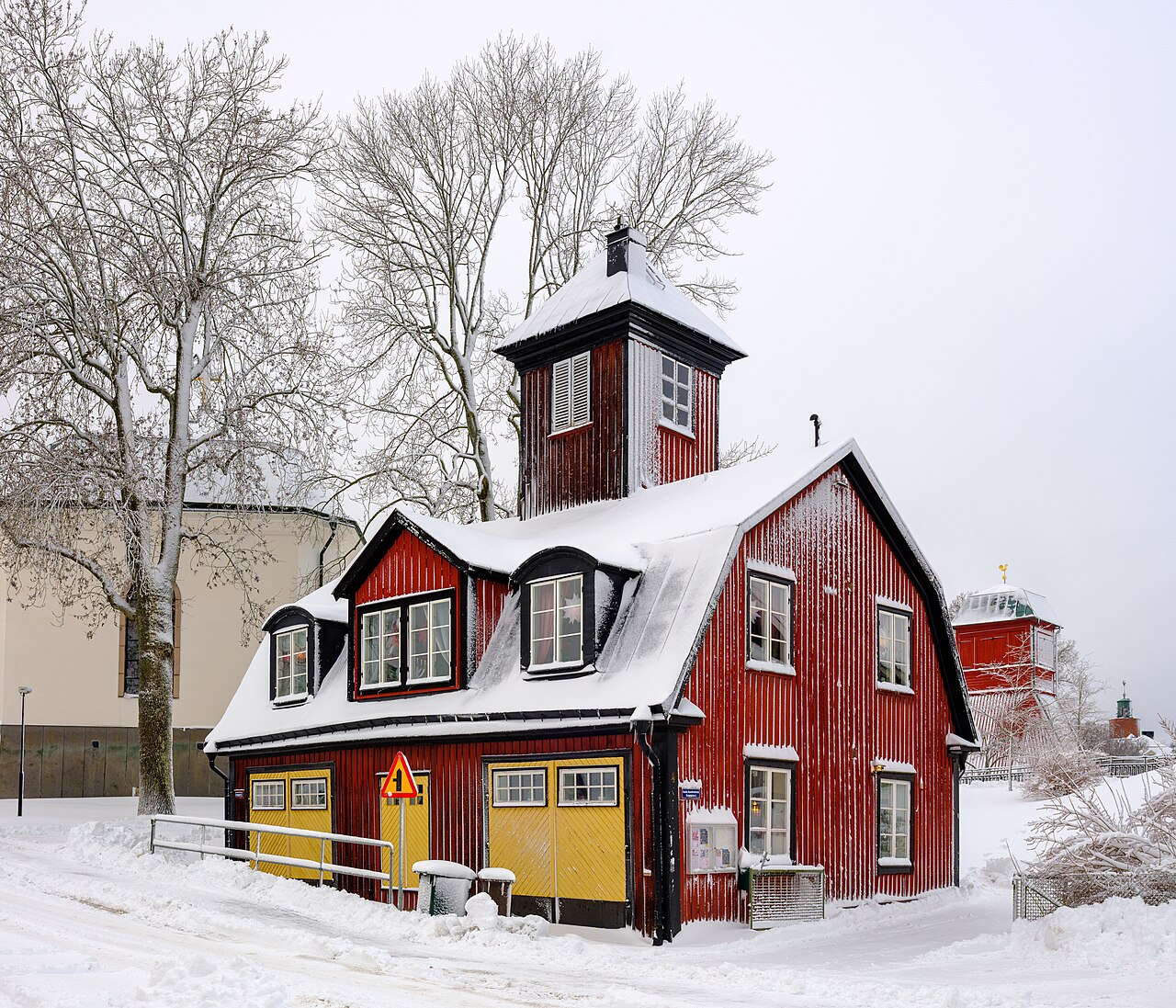
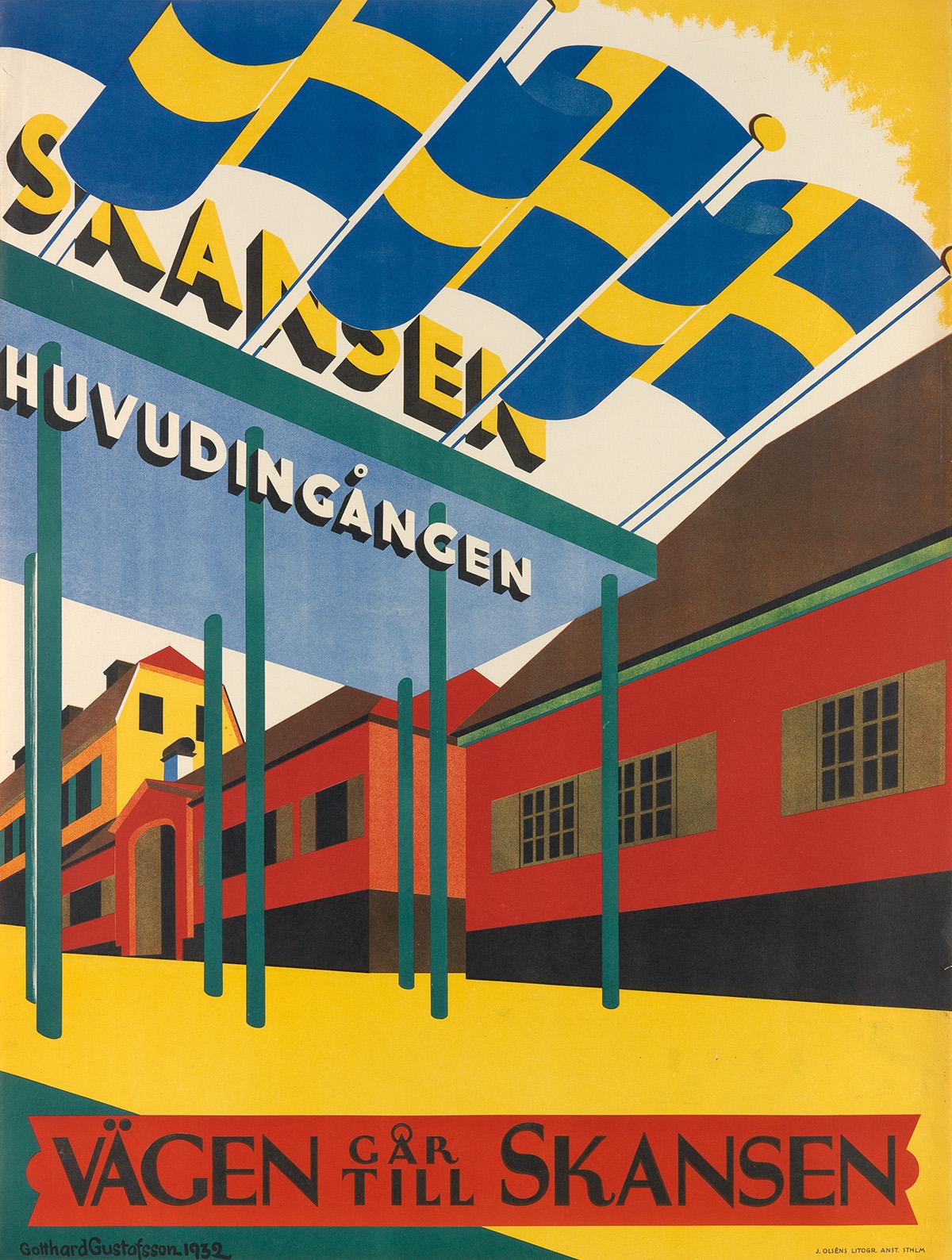
Daylight is short in midwinter, with only a handful of hours of sun in December, so plan outdoor sights for the middle of the day and keep museums for the afternoon. In return Stockholm offers some of its most atmospheric experiences. Advent brings the Christmas markets on Stortorget in Gamla Stan and at Skansen, with glögg, gingerbread and traditional crafts, and the city is full of lights and candles in every window. Early December is Nobel Week, when City Hall closes for several days for the banquet preparations and the hotels on the waterfront are at their fullest and most expensive. After the holidays the city is quiet and cold, sometimes with snow and ice on the waterways, and prices are the lowest of the year. Wrap up warmly, wear shoes with good grip and enjoy the museums and the fika stops. Some sights have shorter winter hours, and viewpoints such as Monteliusvägen can be icy.
Spring, March to May: fresh and affordable
Spring arrives late but with a rush. In March the days lengthen quickly, the cafes put out their first outdoor tables and the bakeries fill with semlor, the cream-filled buns of the pre-Easter season. April can still be cold, but the light is crisp and clear, and by May the parks are green and the cherry blossom in Kungsträdgården draws crowds. Prices are moderate, the archipelago boats begin to run on fuller timetables and the city is lively without the summer crowds. Many people consider late May and early June the sweet spot for a first visit, with long days, pleasant temperatures and the summer rush yet to begin.
Which month for which trip
For a first visit with the full range of sights, boat trips and outdoor life, choose June or the first half of September. For a romantic or festive winter break, choose the weeks of Advent and book early. For museums, cafes and low prices, choose October, January or February. For the archipelago, choose May to September. For music fans, summer brings festivals and open-air concerts, though ABBA The Museum and the Avicii Experience are open all year.
What to pack
Layers are the answer in every season, since Stockholm weather changes fast. In summer bring a light jacket for the evenings and the boat deck, and in winter a proper coat, hat, gloves and boots. A reusable water bottle is useful because tap water is excellent. Stockholm is walkable, so comfortable shoes matter more than anything else, particularly on the cobbles of Gamla Stan.
Opening hours and closing days
Many museums close on Mondays, and several reduce their hours in winter, so check each sight before you plan. City Hall is visited only on guided tours, and the Nobel Prize Museum, Skansen and the palaces all keep seasonal timetables. Because the pattern changes through the year, look at opening times a few days before you travel, and leave a flexible half-day in your plan in case of rain or a late start.