Stockholm eats well, and the city's food culture is easier to enjoy once you know its habits. The meals follow a rhythm, the classics are simple and seasonal, and some of the best experiences cost very little. This guide covers the essentials, from the coffee break that structures the Swedish day to the long, generous buffet that crowns a special occasion.
Fika, the daily ritual
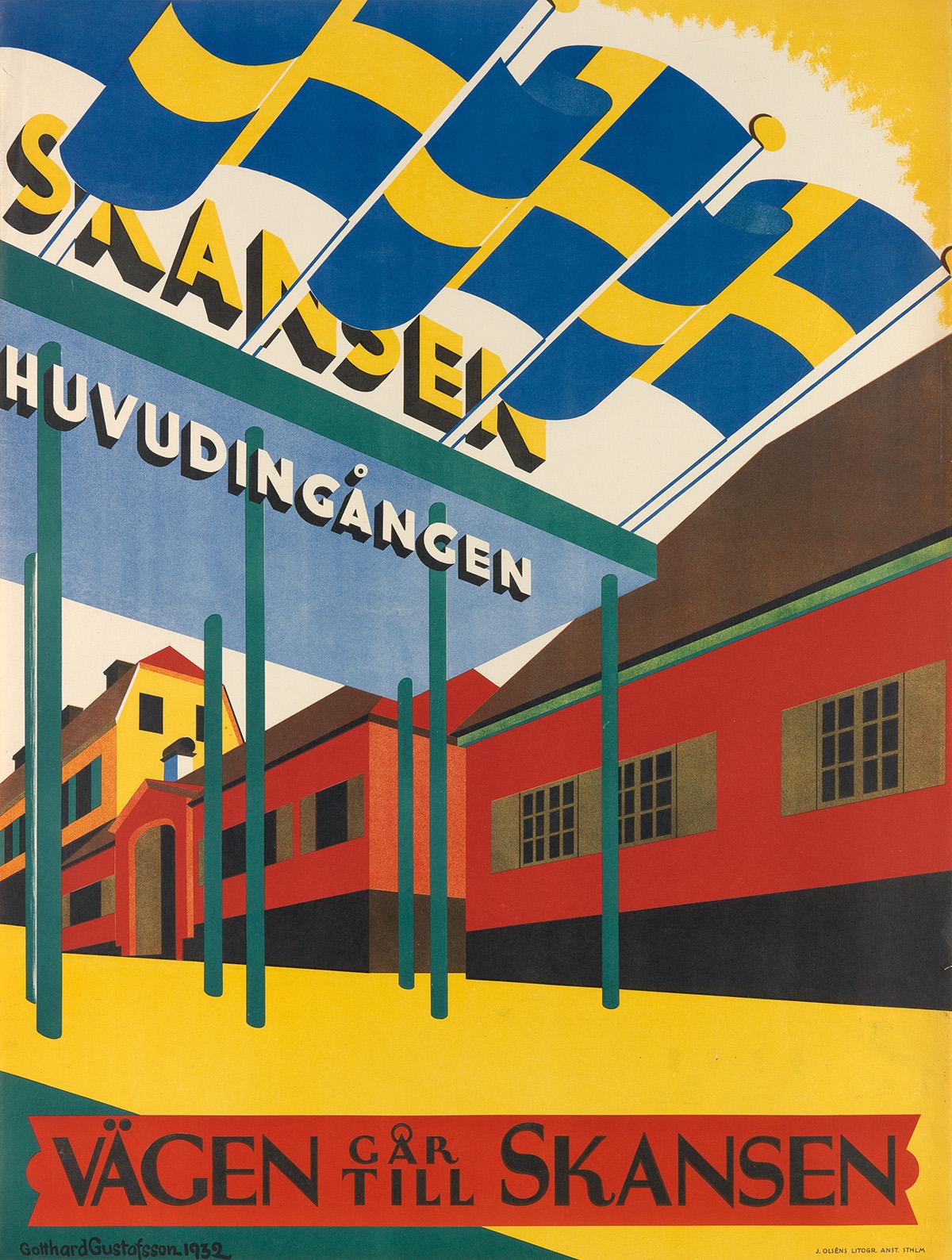
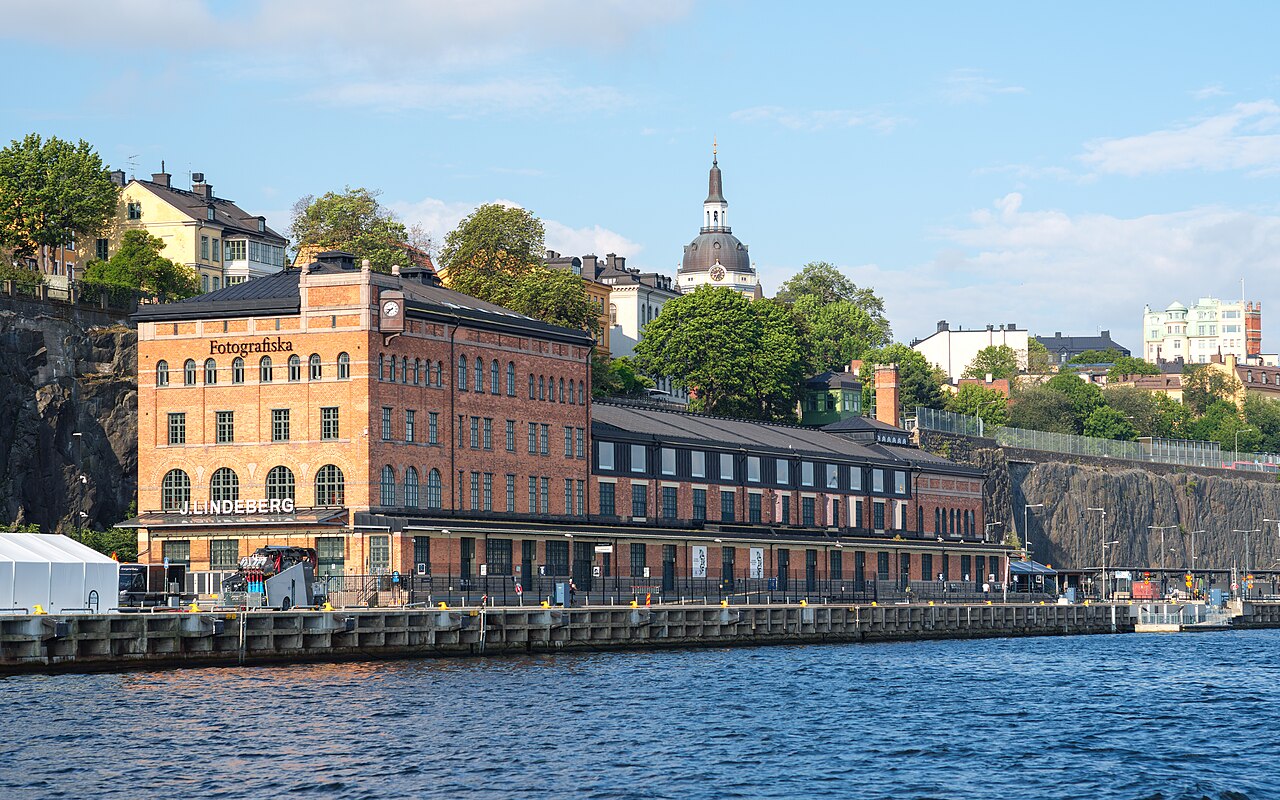
Fika is the Swedish coffee break, and it is far more than a drink: it is a pause, usually with a cinnamon bun, a cardamom bun or a slice of cake, shared with colleagues or friends. Almost every neighbourhood has a bakery-cafe where you can sit with a coffee and a kanelbulle for the price of a modest snack. Gamla Stan has candlelit cellar cafes, Södermalm has the most relaxed local places, and the museums, including Fotografiska and Skansen, have cafes with views. Take a fika break in the morning and another in the afternoon and you will have joined in. Many places serve fika with a refill of filter coffee at no extra charge.
The weekday lunch
The best value in Stockholm is the dagens lunch, the dish of the day, served on weekdays at restaurants across the city at a fixed price that normally includes the main course, bread, salad, a drink and often coffee. Offices empty at midday, so book or arrive a little before noon in the busy central areas. Lunch is the sensible time to try a more ambitious kitchen, since the same restaurant will charge far more for dinner. Many of the places around Södermalm, Vasastan and Norrmalm have strong lunch menus, and it is a good way to eat well on a budget.
Husmanskost and classic dishes
Husmanskost is traditional Swedish home cooking, and the classics are worth ordering at least once. Köttbullar, Swedish meatballs, come with mashed potato, cream sauce and lingonberry jam. Gravlax is cured salmon with a mustard-dill sauce. Pickled herring appears in many forms, especially at midsummer and Christmas. Raggmunk are potato pancakes with fried pork and lingonberries, pytt i panna is a hash of diced potato, meat and onion topped with a fried egg and pickled beetroot, and Janssons frestelse is a creamy potato and anchovy gratin. Seafood from the Baltic and the west coast is excellent, and a plate of shrimp on bread, a räksmörgås, is a classic simple lunch. Skansen and several old-town restaurants serve traditional menus in historic settings.
The smörgåsbord
The Swedish buffet is a ritual, with a prescribed order: begin with the herring and cold fish, then cold meats, then hot dishes such as meatballs and sausages, then cheese, and finish with dessert. Take a fresh plate for each course. The most famous setting is the Veranda at the Grand Hôtel, which is open to non-guests and best booked ahead, and many restaurants offer a Christmas version, the julbord, from late November to the days before Christmas. The Waxholm Hotel in Vaxholm is one of several archipelago places that serve one in season. A julbord is a long, convivial meal, so do not plan anything strenuous afterwards.
Seasonal treats
Stockholm's food follows the calendar. In winter and early spring, bakeries sell semlor, cardamom-spiced buns filled with almond paste and whipped cream, around Shrove Tuesday and often for weeks before. In summer there are strawberries, new potatoes with dill and, in August, crayfish parties, with paper lanterns and snaps songs. In Advent you will find glögg, a spiced mulled wine, and ginger biscuits at the Christmas markets on Stortorget and at Skansen. Autumn brings chanterelles and game, and cinnamon bun day falls in early October.
Markets and food halls
Östermalms Saluhall, the historic market hall in Östermalm, is the place to see Swedish produce, fish, cheese and charcuterie, and to eat at one of the counters. Hötorgshallen, beneath Hötorget, is a more casual indoor market with international stalls. Both are good for a lunch, for picnic supplies and for gifts to take home. If you prefer to be guided, food walking tours around Gamla Stan and Södermalm are widely offered and give a good overview in a few hours; check recent reviews before choosing one.
Drinking in Stockholm
Wine, spirits and strong beer are sold to take away only in the state-run Systembolaget shops, which close early on Saturday and on Sunday, so buy what you need in good time. Bars and restaurants can serve alcohol in the usual way, and prices are high, so many Stockholmers have a drink at home before they go out. The craft beer scene is strong, with breweries and taprooms in Södermalm and elsewhere, and the cocktail bars of Norrmalm and Södermalm are among the best in Northern Europe. Tap water is excellent and free, and most restaurants will bring it without asking. Tipping is modest: round up or add a small amount for good service.
Practical tips
Stockholm is almost cashless, so carry a card. Many restaurants close on Sunday evenings or Mondays, so check before you go, and book dinner in advance at weekends. Vegetarian and vegan choices are widespread, and staff are generally helpful with allergies. To eat well and keep the budget in check, make lunch your main meal, use fika as a snack, and save the smörgåsbord or a special dinner for one evening.