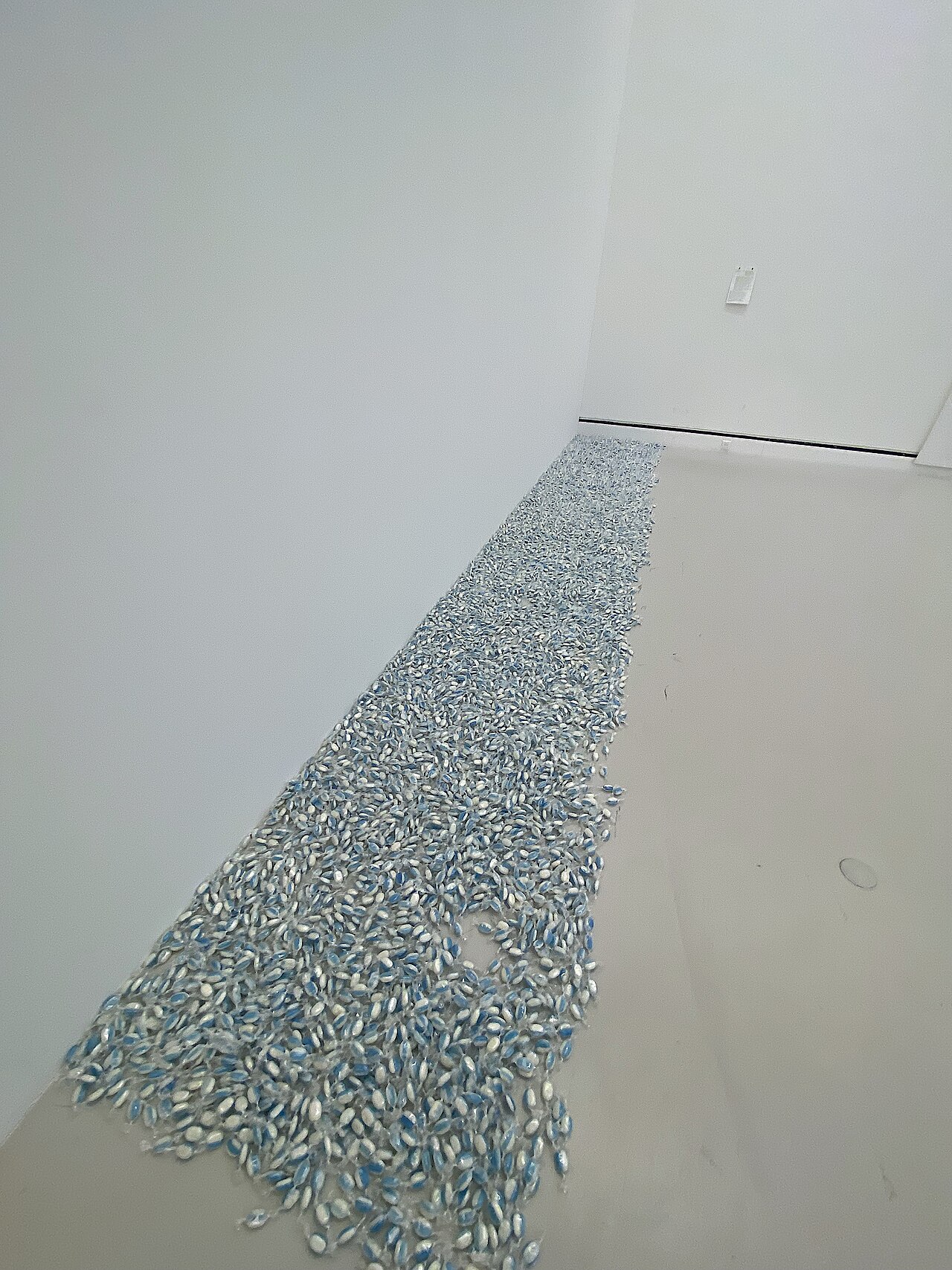
The Museum of Modern and Contemporary Art, known as the MAMCS, is Strasbourg’s answer to the question of what to do after the cathedral and the canals. It opened in 1998 in a bright, glass-fronted building on the banks of the river Ill, near the railway station, and it follows artistic creation from 1870 to the present day. The collection is broad and deliberately mixed, bringing together painters, sculptors, engravers, photographers and video artists. Among the names in the collection are Monet, Rodin, Gauguin, Picasso, Kandinsky, Niki de Saint Phalle, Nam June Paik, Bertrand Lavier and Clément Cogitore, and the featured works include Gustave Doré’s Christ Leaving the Praetorium, a monumental religious painting by an artist better known as an illustrator, Alfred Sisley’s view of the hills of La Celle near Saint-Mammès, and Bertrand Lavier’s Giulietta, a car sculpture that plays with the line between object and art. The museum presents three or four exhibitions a year, and its circuit pairs modern and contemporary works in a way that is regularly renewed, with a few interactive moments for visitors who like to take part. The building also houses an auditorium and the museum library, and a bookshop and a restaurant are on site, so it works well as a half-day outing when the weather is poor. Because the permanent display is regularly rearranged, repeat visitors often find new pairings and surprises, and the changing exhibitions give the museum a lively, contemporary edge that sits well beside the historic sights elsewhere in the city. Strasbourg’s municipal museums publish the visitor information, and this page links to the museum’s own page.
How to visit
The museum stands beside the Ill, a short walk from Strasbourg station and from the ibis and Faubourg National area, and it is only a few minutes by tram from the Grande Île. Its usual hours are daily except Monday, with weekday opening from 10:00 to 13:00 and from 14:00 to 18:00, and weekend opening from 10:00 to 18:00, so remember the lunchtime break on weekdays. Full and reduced tickets are available, and you buy them at the desk or through the museum’s page, so check there for current rates and concessions before you go.
What to expect
The visit works best in a relaxed ninety minutes to two hours. The galleries are bright and the route moves from late 19th-century painting through the early 20th-century avant-garde to contemporary installation and video. Temporary exhibitions change several times a year, so you may see something quite different from what is described here. Labels are usually in French with English translations or leaflets, and an audio guide may be available. The upper floors have views over the river and the city, which is a nice reward for the climb.
Making the most of it
The museum is closed on Mondays, so it is an ideal fallback for the day when you want something indoors, and the Palais Rohan museums are closed on Tuesdays, so plan around that. Combine it with a walk along the canal to Petite France, and have lunch at the museum restaurant or in the winstubs of the old town. Families should look at the activities offered during school holidays, and keen visitors may like to check the programme for evening openings and talks.
What to expect
The experience
A self-guided walk through galleries of art from 1870 to today, with changing exhibitions and a restaurant and bookshop on site.
Best time
A weekday afternoon after the lunchtime break, or any morning when it is raining.
How long
One and a half to two hours.
Tips
The museum is closed on Mondays and takes a lunchtime break on weekdays, so check the hours on the day.
Quick picks
- Best for
- Art lovers and anyone looking for an indoor outing on a wet day.
- Families
- Bright galleries and a few interactive moments keep older children interested; check school holiday workshops.
- Couples
- Lunch at the museum restaurant after the galleries, then a canal-side walk.
- Pair with
- A walk along the canal to Petite France, or the Palais Rohan museums on another day.
- Time needed
- Two hours including lunch or a coffee.
Good questions
What is in the MAMCS?+
Art from 1870 to the present, including works by Monet, Rodin, Gauguin, Picasso, Kandinsky, Niki de Saint Phalle and Nam June Paik, plus changing exhibitions.
When is the MAMCS closed?+
It is closed on Mondays and open the other days, with a lunchtime break on weekdays and continuous opening on weekends.
Where is the museum?+
It stands on the banks of the Ill, near Strasbourg railway station, a few minutes by tram from the Grande Île.
Is there a restaurant at the museum?+
Yes, a restaurant and a bookshop are on site.
How long should I allow?+
About one and a half to two hours for the permanent galleries and a temporary exhibition.