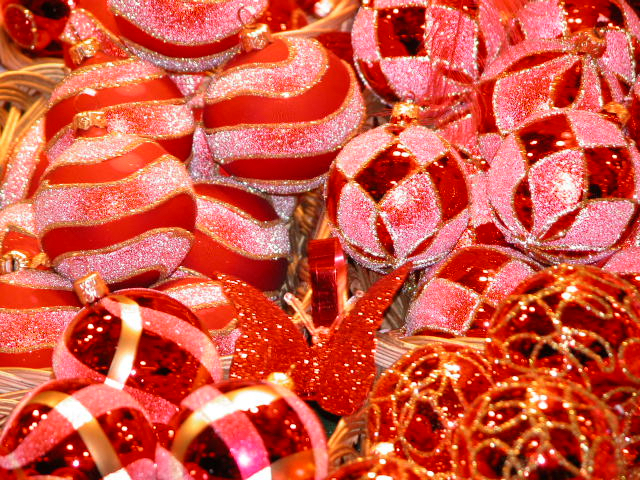
Strasbourg has a claim to be the Christmas capital of Europe, and the Christkindelsmärik is the reason. The market began in 1570 as a market dedicated to the Christ Child, and it has been held in the city almost without interruption ever since, with the pandemic year of 2020 the first cancellation in centuries. In 1992 Strasbourg took the title Capital of Christmas, and the market now spreads over a dozen squares across the Grande Île and beyond, drawing nearly two million visitors a year in its busiest period. The heart of it is the Place Kléber, where a giant Christmas tree, the Grand Sapin, has stood every winter since 2000, surrounded by chalets and the Village du Partage, a corner given over each year to local charities and associations. Around the cathedral you find the craft stalls and the smell of mulled wine, in Petite France the Square Louise Weiss hosts the Advent Village, and the Marché Off, created in 2015, brings together groups from the social and solidarity economy. Stalls sell hand-made ornaments, wooden toys, Alsatian gingerbread and bredele biscuits, while food chalets serve tarte flambée, roasted chestnuts, pretzels and vin chaud. The city has redesigned the market in recent years with wider aisles, more local makers and better energy efficiency, and the event now carries a sustainability certification. The market is free to enter, and it runs from the last week of November until Christmas Eve, with no stalls on 25 December. Alsatian traditions run through it, from the Christmas tree custom that is said to have taken root in the region to the biscuits baked in homes for weeks beforehand, so even a short wander feels like stepping into a story. Hotels and restaurants fill early, which is why planning ahead pays off.
How to visit
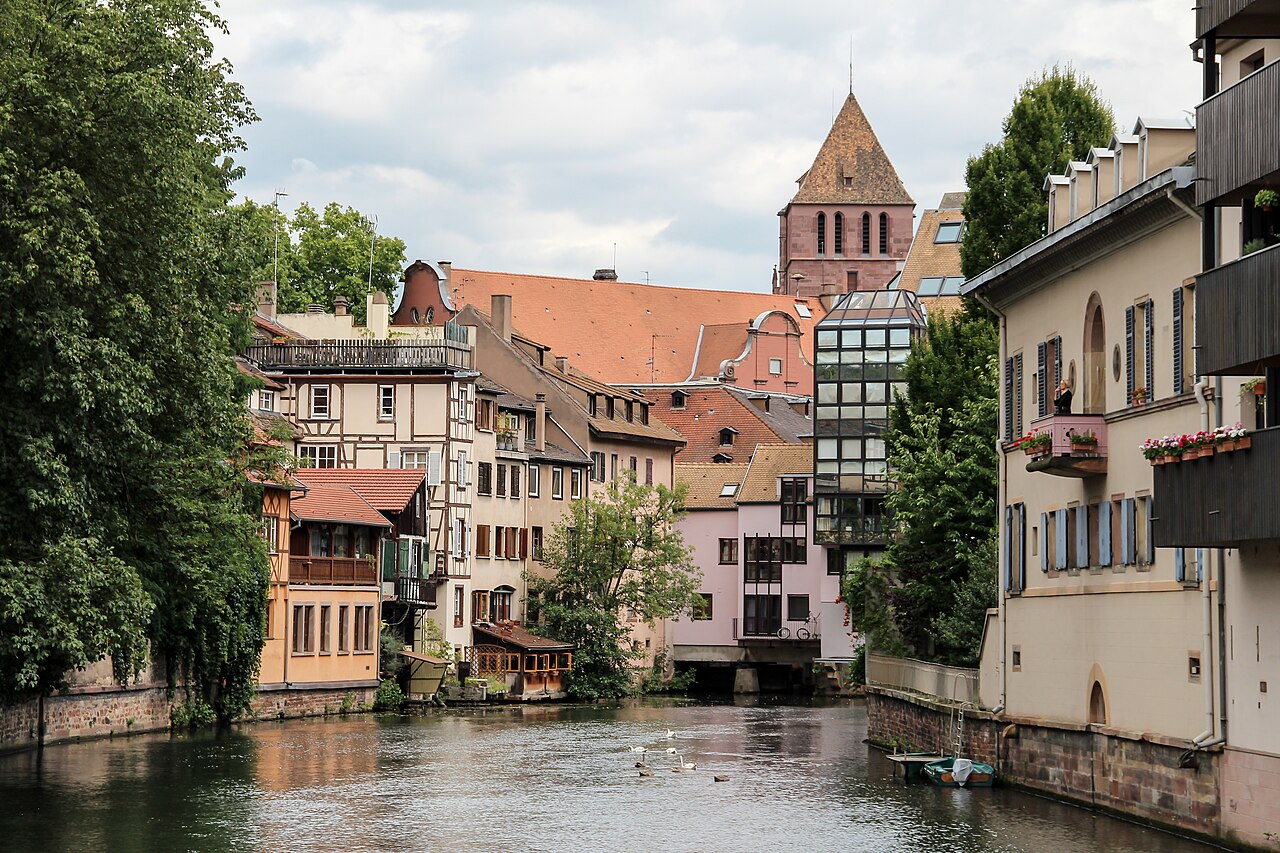
The market lies within walking distance of every central hotel. Start at the Place Broglie or the Place Kléber, continue to the cathedral square, then walk west through the lanes to Petite France. During market hours the Grande Île is closed to motor traffic, there are access controls on the bridges, and bicycles are not allowed on the market squares, so arrive by tram, on foot or by park-and-ride; a modest daily fee at the outer car parks usually includes return tram tickets for everyone in the car.
Stalls generally open from late morning to the evening, and close earlier on 24 December.
What to expect
Crowds, above all on weekends and in the evenings, when the lights come on and the lanes can move at a shuffle. A weekday morning or early afternoon is far calmer and the best time to buy crafts. Mulled wine is served in a deposit mug that you can keep as a souvenir or return for a refund, and prices at food chalets are similar from one square to the next, so graze rather than queueing at the busiest stall.
Warm clothing and comfortable shoes matter more than anything else, because the cobbles are uneven and the evenings are cold.
Making the most of it
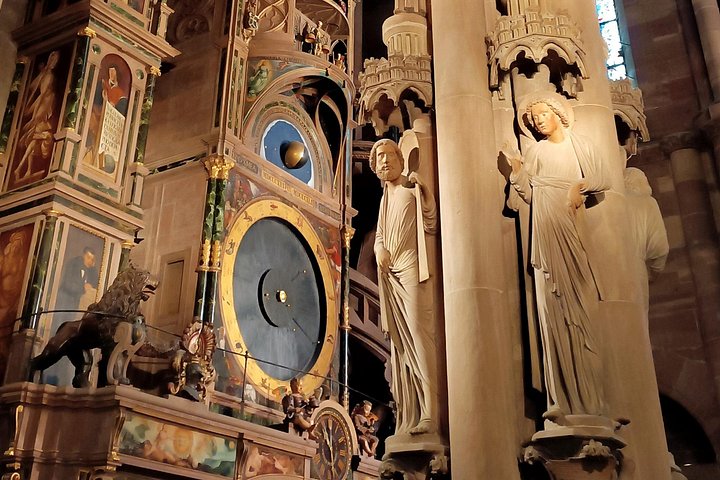
See the cathedral and the Palais Rohan in the morning, then the market in the afternoon, and finish with a seated winstub dinner, booked ahead, rather than eating only at the stalls. Colmar and Riquewihr hold smaller markets with a different atmosphere, and a day trip to one of them makes a good contrast.
What to expect
The experience
An open-air market of wooden chalets spread across a dozen squares, with crafts, Alsatian food, mulled wine and a giant tree on Place Kléber.
Best time
A weekday morning or afternoon in late November or early December; weekend evenings are the most crowded.
How long
Two to four hours, longer if you combine it with dinner in a winstub.
Tips
Arrive by tram or park-and-ride, wear warm layers and book dinner ahead, because the Grande Île is closed to cars during market hours.
Quick picks
- Best for
- Anyone who wants a classic European Christmas market with real history behind it.
- Families
- Children enjoy the lights, the giant tree, gingerbread and the Christmas decorations, but strollers struggle in the evening crowds.
- Couples
- Walk Petite France as the lights come on, then share tarte flambée and a glass of mulled wine.
- Pair with
- Strasbourg Cathedral, Petite France and a day trip to the Colmar or Riquewihr markets.
- Time needed
- An afternoon and evening.
Good questions
When does the Strasbourg Christmas market run?+
It runs from the last week of November until Christmas Eve, with no stalls on 25 December. Check the city’s Christmas site for the exact dates of the current year.
Is the Strasbourg Christmas market free?+
Yes, entry is free. You pay for food, drink and anything you buy, and mulled wine comes in a mug with a deposit.
Where is the giant Christmas tree?+
The Grand Sapin stands on the Place Kléber, and it has been the central symbol of the market since 2000.
Can I drive into the old town during the market?+
No, the Grande Île is closed to motor traffic during market hours and the bridges have access controls. Use the tram or a park-and-ride, where the fee usually includes return tram tickets.
When is the best time to avoid crowds?+
Go on a weekday, in the morning or early afternoon. Weekend evenings are by far the busiest.