Taipei has a humid subtropical climate, which means warm to hot summers, mild and often damp winters and an unpredictable amount of rain at any time of year. There is no bad time to visit, but there are better and worse times for particular plans. Here is how the seasons work and how to adapt your trip to each.
Autumn: the best season
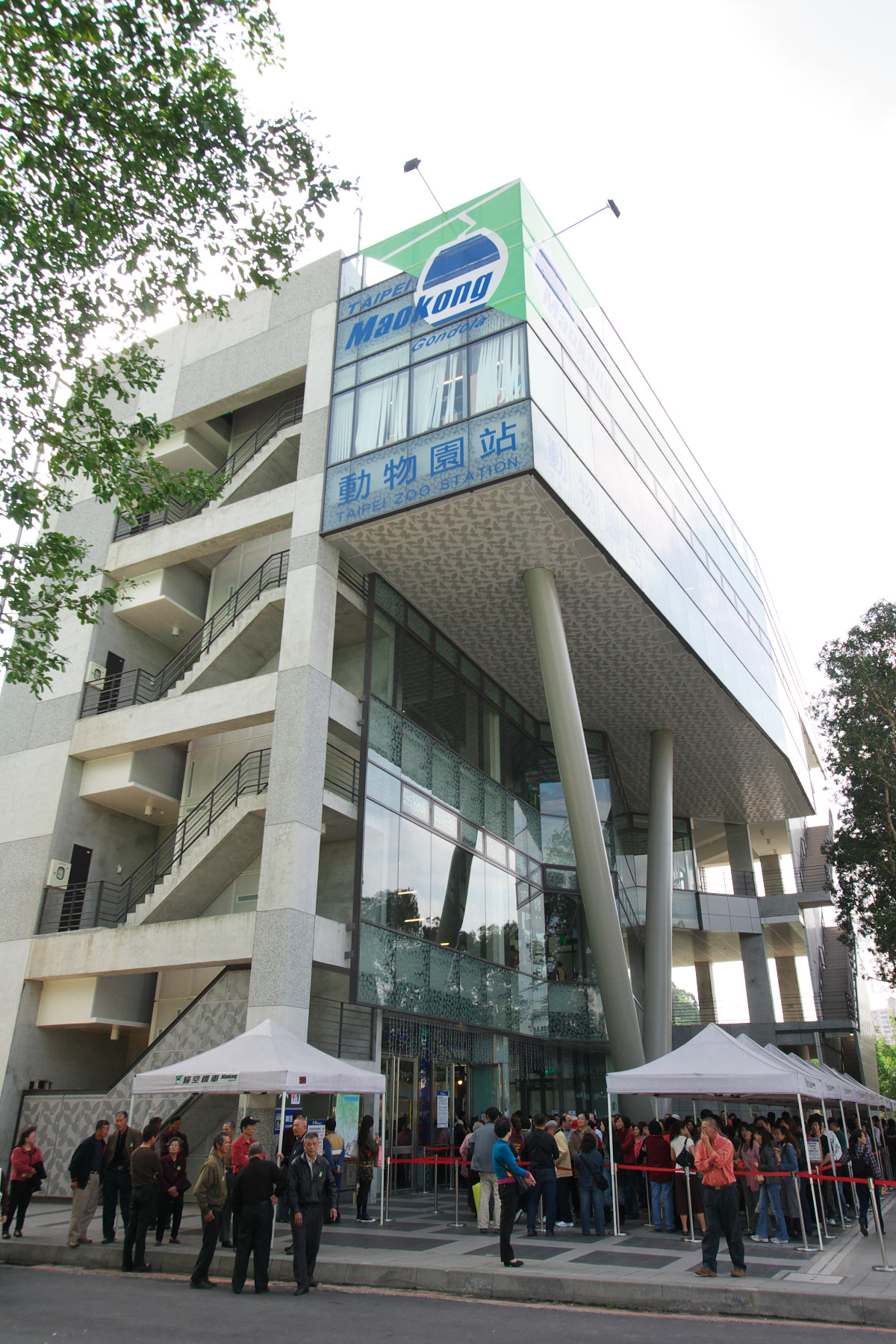
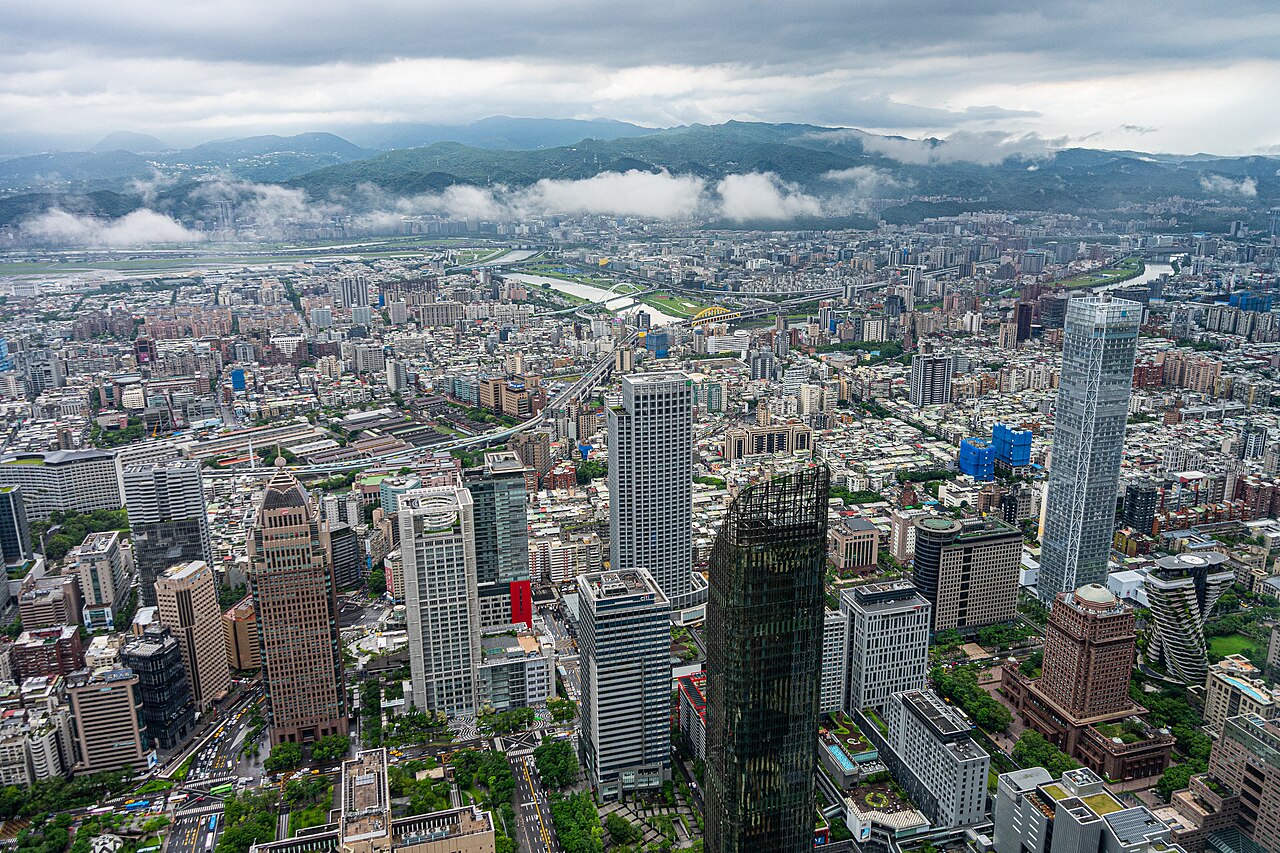
The period from October to early December is when most visitors find Taipei at its best. Temperatures are warm to comfortable, humidity falls, skies are clearer and the typhoon season is winding down. It is a good time for Taipei 101, Elephant Mountain, the Maokong teahouses and day trips to the coast. Expect some showers, particularly on the northeast coast around Jiufen, where the weather is often damper than in the city. The hot springs of Beitou start to feel appealing as the evenings cool.
Winter: mild, grey and wet
From December to February, Taipei is cooler, with temperatures that are usually mild by European standards but feel colder because of damp air and the lack of central heating in many buildings. Drizzle and cloud are common, particularly in the north, and the northeast monsoon brings wind and rain to the coast. The upside is that it is the best season for hot springs, hot pot and night market snacks, and crowds are smaller outside holiday periods. Bring a warm layer and a waterproof jacket, and plan indoor options such as museums, tea houses and cooking classes. The Lunar New Year, in late January or February, is the biggest festival of the year: many shops and restaurants close for several days, but the streets are decorated and Dihua Street’s festive market is a joy.
Spring: flowers and showers
March to May starts cool and gets steadily warmer. Early spring brings cherry blossoms to Yangmingshan, and calla lilies bloom in the hills in the spring months. The Lantern Festival, which falls two weeks after Lunar New Year, is celebrated with sky lanterns in Pingxi, a highlight of the year though very crowded. May and June are the plum rain season, when frequent showers and humidity make outdoor plans harder, though the rain tends to come in bursts and the greenery is stunning.
Summer: hot, humid and stormy
June to September is hot, with high humidity, strong sun and frequent afternoon thunderstorms. The heat can be intense, so start early, rest in the middle of the day, and use the air-conditioned MRT and museums to cool off. Typhoon season runs roughly from July to October, and an approaching storm can close attractions, cancel gondola services and halt public transport for a day or two. Check forecasts, buy travel insurance and keep your plans flexible. On the plus side, summer brings long evenings, shaved ice and lively night markets, and hotel rates can be better outside holidays.
Planning around the weather
Clear days are precious for views, so plan Taipei 101 and Elephant Mountain for a day with a good forecast, and keep museums, temples and markets for wet days. The Maokong Gondola and the coastal sights, such as Yehliu, can close in high wind or storms. Yangmingshan is often misty, which can be atmospheric but hides the views, and the east coast, including Taroko, has its own weather patterns. Pack for variety: a light waterproof jacket and a compact umbrella are useful in every season, and sunscreen and a hat are essential in summer.
Crowds and prices
Holiday periods such as Lunar New Year, the Dragon Boat Festival, the Mid-Autumn Festival and the national day weekend in October are busy for domestic tourism, and popular day trips and hotels fill up quickly. Weekends are busier than weekdays at Jiufen, Shifen and the night markets. If you can, visit midweek and book key tickets and rooms early. Shoulder periods, such as late March and early April or late October to November, offer a good balance of comfort and price.
Our pick
If you can choose, go in late October, November or March. You will get the best chance of clear skies, pleasant temperatures and manageable crowds, and you will be able to enjoy the outdoors as well as the museums and markets. Whenever you go, build in flexibility and let the weather guide your order of days.