Taipei is one of the best food cities in Asia, and the best news is that you do not need to spend much to eat well. The cooking is a blend of Hokkien, Hakka, Japanese-era influences and the regional dishes that arrived with mainland migrants in the 1940s, all refined over decades into a cuisine that is uniquely Taiwanese. Here is how to eat your way through the city.
Breakfast
Locals eat out for breakfast, and the classic order is a bowl of warm soy milk with a fried dough stick, a flaky sesame flatbread and an egg pancake. Traditional breakfast shops open before dawn and often sell out by mid-morning. Convenience stores sell tea eggs and rice balls, which are a handy and surprisingly good option if you are in a rush. For something sweeter, look for pineapple cakes, one of Taiwan’s best-known souvenirs, and for a gentle start, a bowl of congee with pickles.
Dumplings and noodles
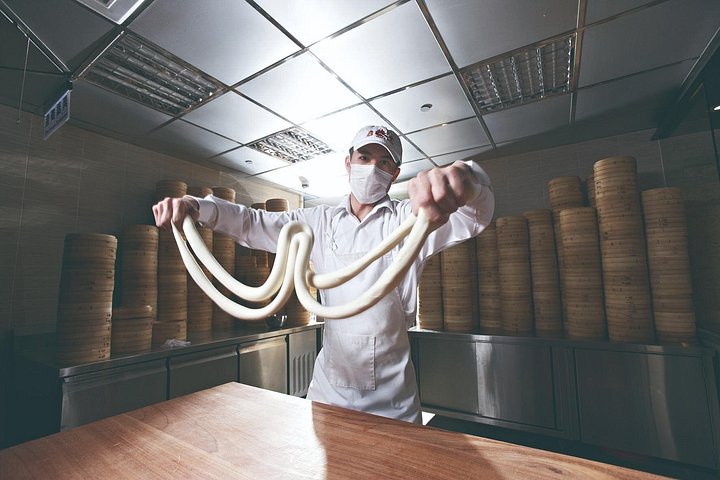
Soup dumplings, or xiaolongbao, are the dish most visitors come for, and Din Tai Fung is the best-known place to try them, with its flagship on Xinyi Road and several branches around the city. Smaller dumpling houses are often cheaper and just as good. Beef noodle soup is the dish many call the national dish, served in a rich broth with chewy noodles and tender braised beef, and every neighbourhood has a favourite shop. Try it in either the red-braised or the clear-broth style. Braised pork rice, known as lu rou fan, is the great comfort dish: minced pork belly simmered in soy sauce and served over rice with a pickle.
Night markets
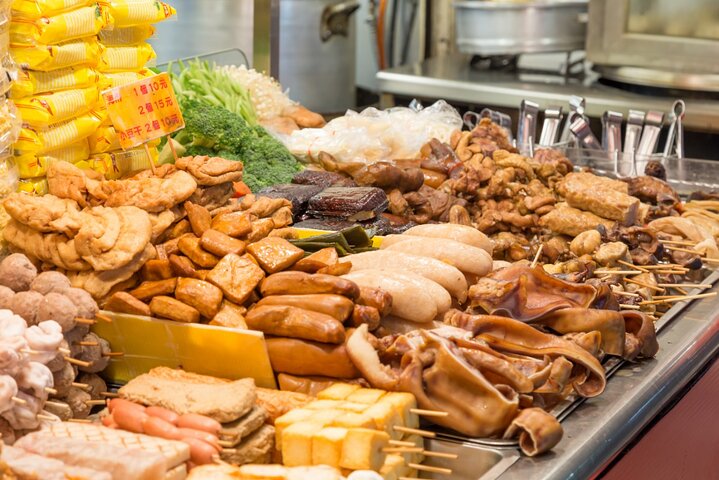
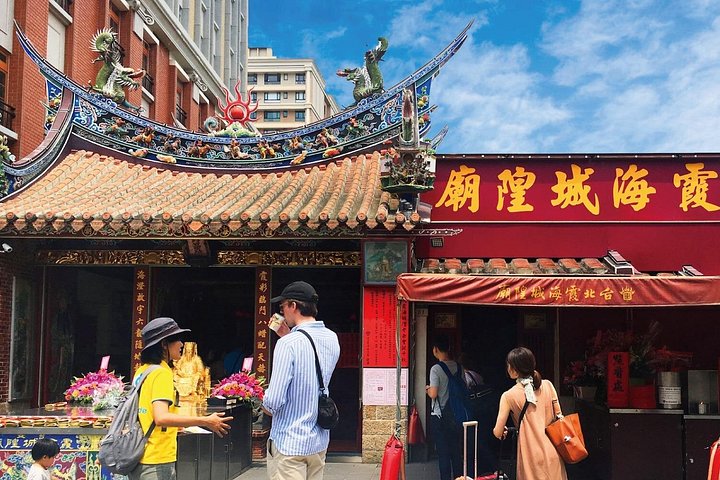
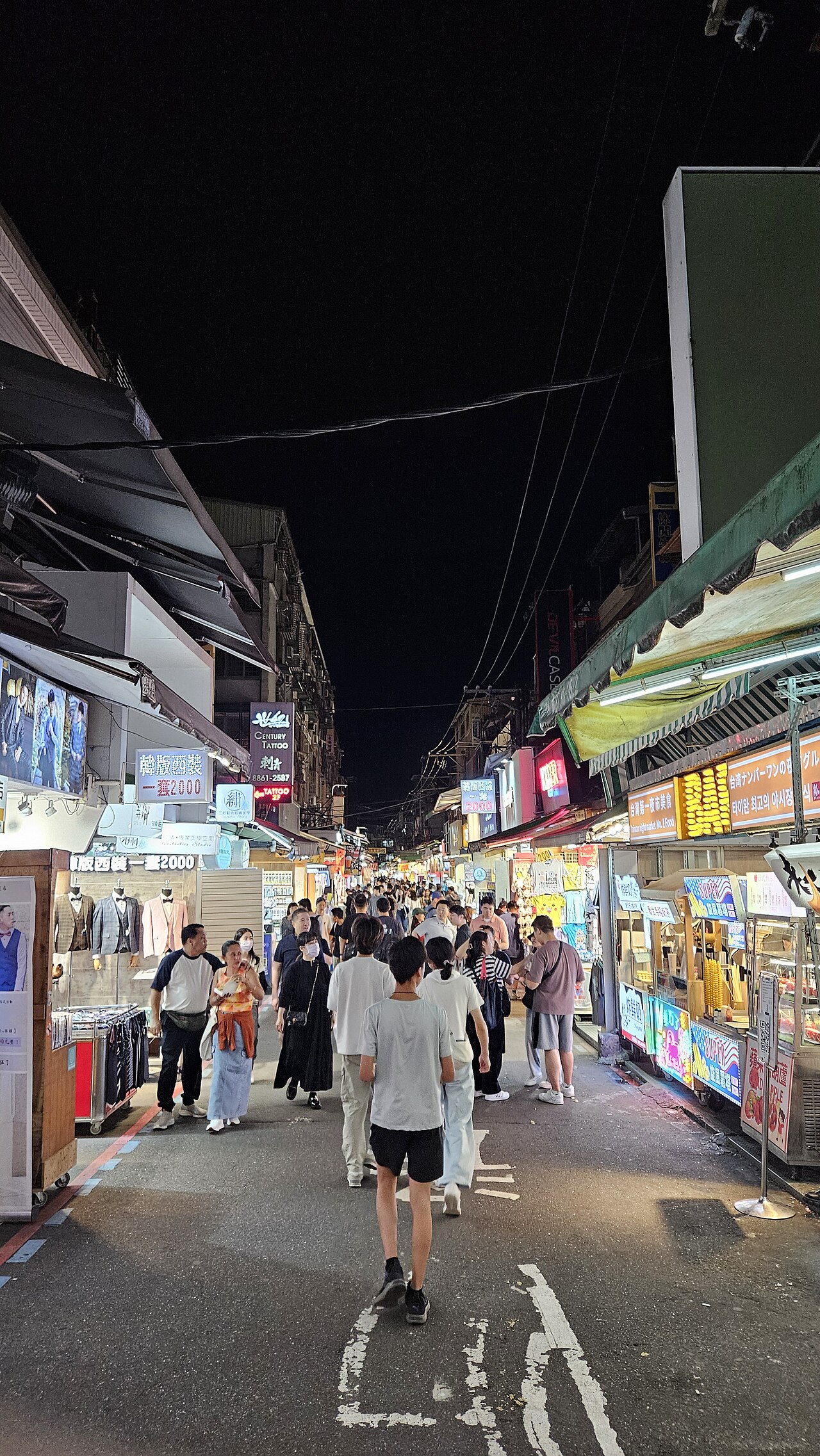
Night markets are the heart of Taipei eating, and each one has its own character. Shilin is the largest and most famous, a maze of food stalls and games; Raohe is a compact, easy-to-navigate lane with a temple at the end, and Ningxia is known for its traditional snacks and is a favourite with locals. Go early on a weekday for shorter queues, bring small notes since most stalls are cash only, and share dishes so you can taste more. Must-try items include oyster omelettes, fried chicken cutlets, pepper buns, grilled squid, sausage in sticky rice, stinky tofu and sweet potato balls.
Sweets and drinks
Shaved ice is a Taipei institution, and the mango version, piled high with fresh fruit and condensed milk, is the classic. Tofu pudding, served warm or cold with peanuts and syrup, is a gentle dessert. Bubble tea was invented in Taiwan, and you can choose how sweet and how cold you want it by saying the sugar and ice levels when you order. Oolong tea is the great Taiwanese drink, and tea houses in Maokong, Dadaocheng and Jiufen let you taste several varieties with a small pot and cups. For something stronger, Taipei has a lively craft cocktail and beer scene, with small bars tucked behind unmarked doors.
Learning to cook
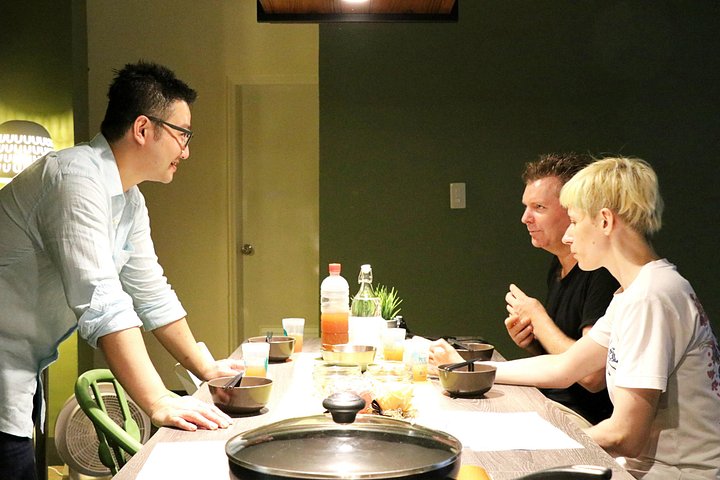
A cooking class with a market tour is one of the most rewarding ways to spend a half day, and it helps you recognise ingredients and dishes at the stalls afterwards. You will usually cook braised pork rice, dumplings or gua bao, and sit down to eat everything you have made.
Etiquette and practicalities
Eating while walking is common at night markets but not on the MRT, where it is banned. Many small restaurants have you tick your order on a paper slip, and some have English menus or pictures. Tipping is not expected, though upscale restaurants add a service charge. Toilet paper is often provided at the table rather than in the bathroom, and tap water is not drunk, so ask for bottled or boiled water. If you have dietary restrictions, learn a few phrases or carry a card, since sauces often contain pork, shellfish or sesame. Vegetarian food is easy to find, thanks to a strong Buddhist tradition and many dedicated restaurants and buffets.
A one-day eating plan
Start with a breakfast of soy milk and flatbread, then have a bowl of beef noodle soup for lunch. In the afternoon, tea and pineapple cake in Dadaocheng, then dumplings for an early dinner. Finish at a night market with a shared plate of snacks and a bubble tea, and leave room for shaved ice on the way home.
Where to base yourself
Food lovers will enjoy staying in Da’an, near Yongkang Street, or in Ximending, with its snacks on the doorstep, or in Zhongshan, with its restaurants and bars. All are within easy reach of the night markets and the main sights.