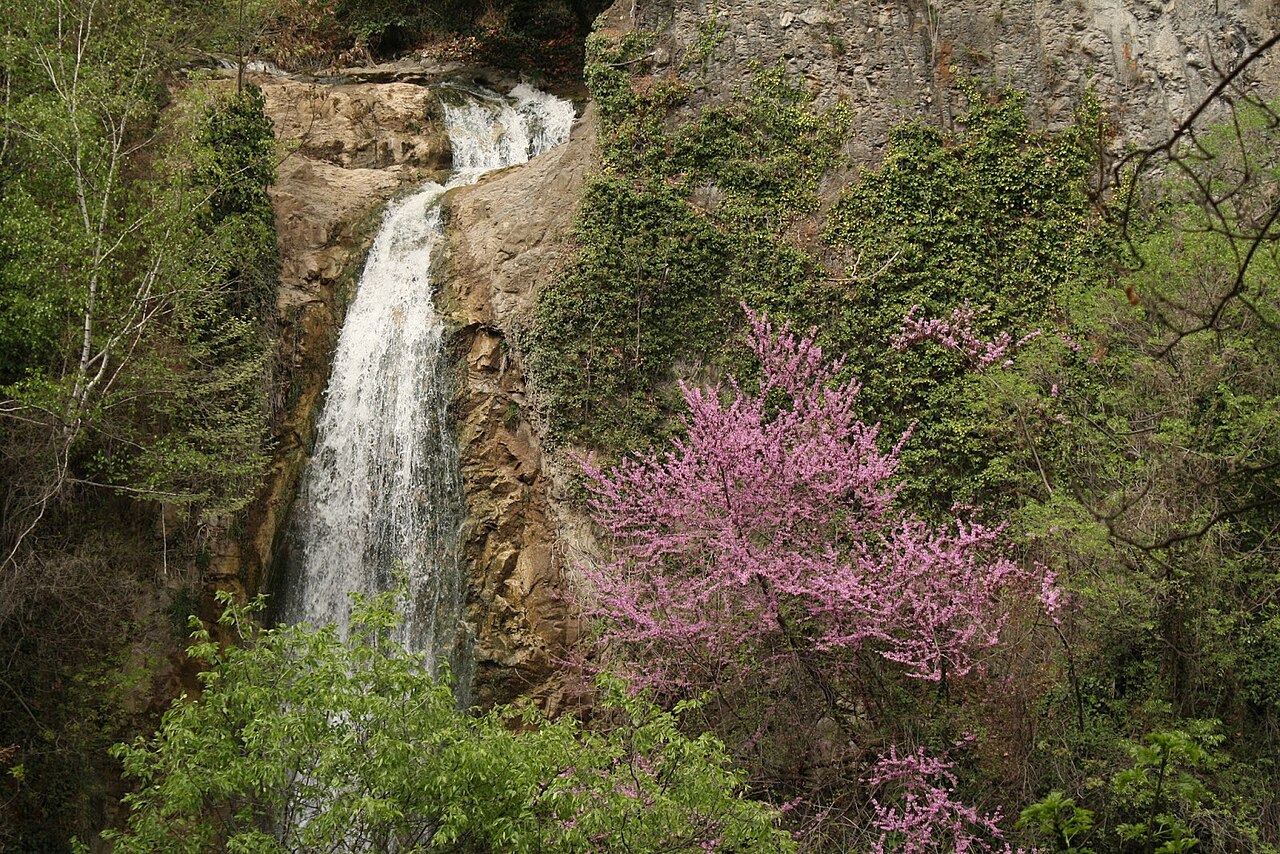
Tucked into a narrow valley right behind the old town, the Tbilisi Botanical Garden is the city’s quietest escape. It is about four centuries old and has operated as a botanical garden for roughly 180 years, and today it grows more than 3,500 plant species across wooded slopes, little squares and a pond with water lilies. Paths follow the Tsavkisistskali River up the valley to the garden’s main attraction, a waterfall that is best seen from a wooden bridge built in 1898. Because it lies below the fortress walls, the garden can be reached by a steep climb from the sulfur baths in Old Tbilisi, from the main gates on Botanikuri Street or by walking down from Narikala and the Mother of Georgia statue. There is a visitor centre with introductory tours in Georgian, English and Russian, and for the adventurous there is a 270-metre zipline that runs from the fortress down into the garden, plus a natural cliff you can climb.
How to visit
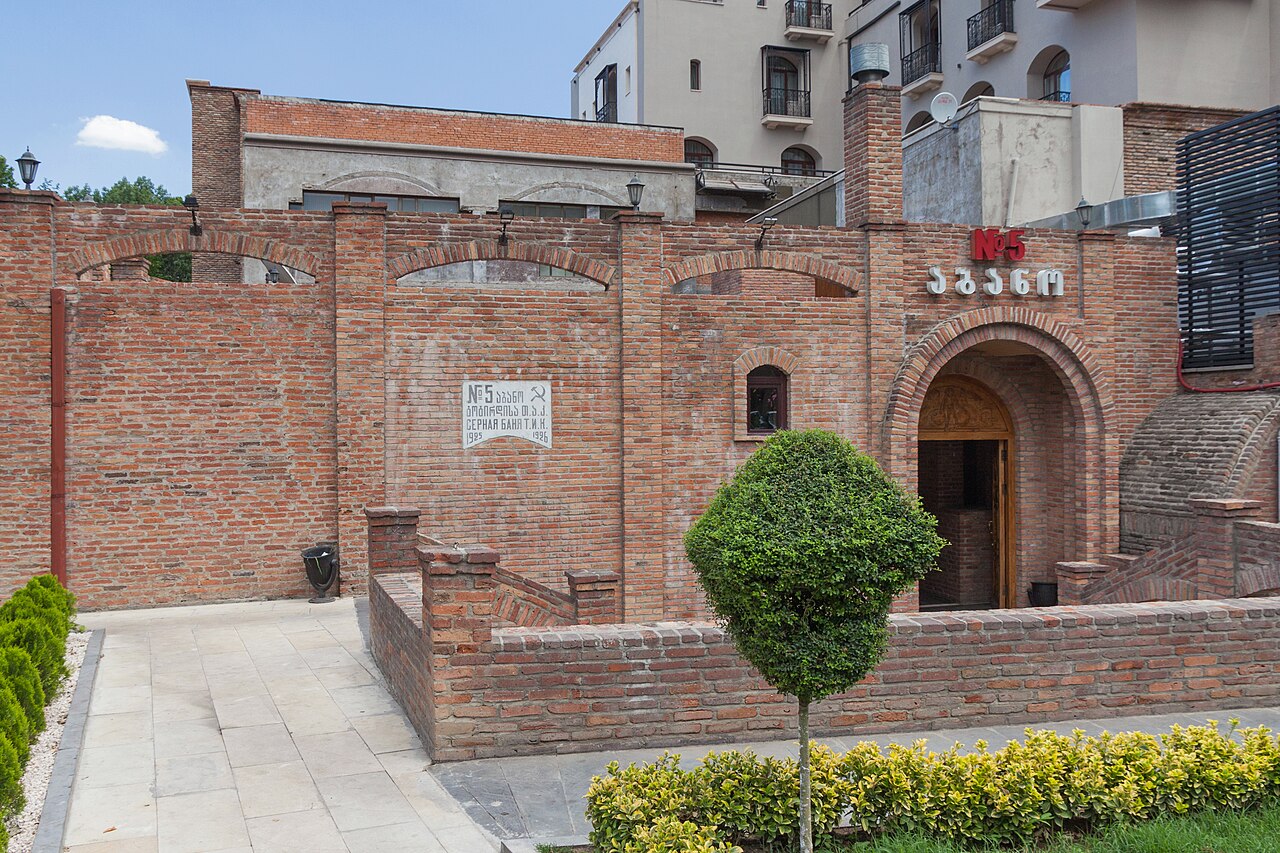
The main gates are on Botanikuri Street, at the end of the lane behind the sulfur baths. From the baths it is a steady climb of ten to fifteen minutes. If you prefer to descend, take the cable car to Narikala, walk along the ridge past the Mother of Georgia statue and drop into the garden from above, then finish at the baths for a soak. A small entrance fee applies, and the opening hours vary slightly by season, so check before you go.
What to expect
The paths are shaded, mossy and cool in summer, which makes the garden a welcome break from the heat of the old town, and in autumn the leaves turn to deep gold and red. Allow about an hour and a half for an unhurried walk to the waterfall and back. The terrain includes steps and slopes, and the path surface can be slippery after rain. There are quiet benches along the river, and the soundscape of water and birdsong contrasts nicely with the city beyond the ridge.
Making the most of it
Combine the garden with Narikala and the sulfur baths for a classic half-day route through the old town. Families with children enjoy the waterfall and the bridge, while photographers should come in the morning or on overcast days when the light is soft. If the zipline appeals, book it separately and ask about weight limits and weather closures.
What to expect
The experience
A self-guided walk along shaded paths beside a river to a waterfall and a wooden bridge, with optional introductory tours at the visitor centre.
Best time
Summer mornings for cool shade and autumn for golden foliage; dry days are best as the paths can be slippery.
How long
About an hour and a half for an unhurried walk to the waterfall and back.
Tips
Wear shoes with grip, bring water and combine the garden with Narikala and the sulfur baths for a half-day route.
Quick picks
- Best for
- Anyone who wants a green, quiet walk close to the old town.
- Families
- Children enjoy the waterfall, the bridge and the open paths, though there are steps and slopes to manage.
- Couples
- A peaceful, shaded walk that works well on a hot afternoon.
- Pair with
- Narikala Fortress and a soak at the sulfur baths.
- Time needed
- One to two hours.
Good questions
How do I get to the Tbilisi Botanical Garden?+
The main gates are on Botanikuri Street, a steep climb of ten to fifteen minutes from the sulfur baths. You can also walk down into the garden from Narikala Fortress.
Is the botanical garden free?+
A small entrance fee applies. Check the current price and opening hours before you go.
What is the main attraction in the garden?+
It is the Tsavkisistskali waterfall, seen from a wooden bridge built in 1898. The paths follow the river up the valley to reach it.
Is there a zipline at the botanical garden?+
Yes, a 270-metre zipline runs from Narikala Fortress down into the garden. It is booked separately, and weather can affect operation.
How long should I spend at the botanical garden?+
About an hour and a half is enough for an unhurried walk to the waterfall and back. Add more time if you take a tour at the visitor centre.