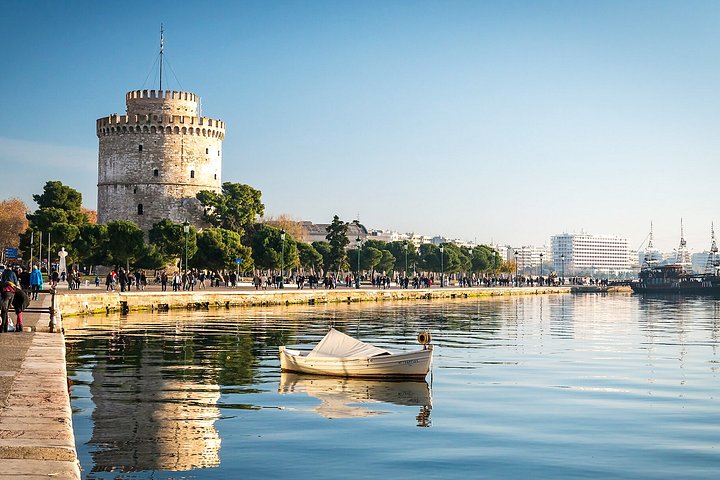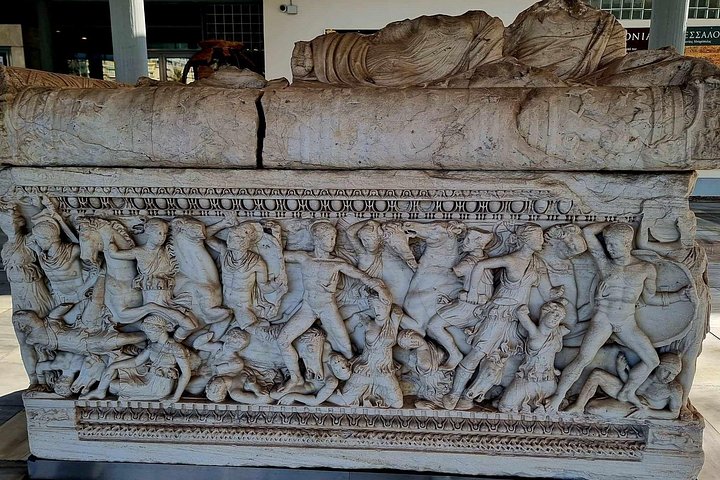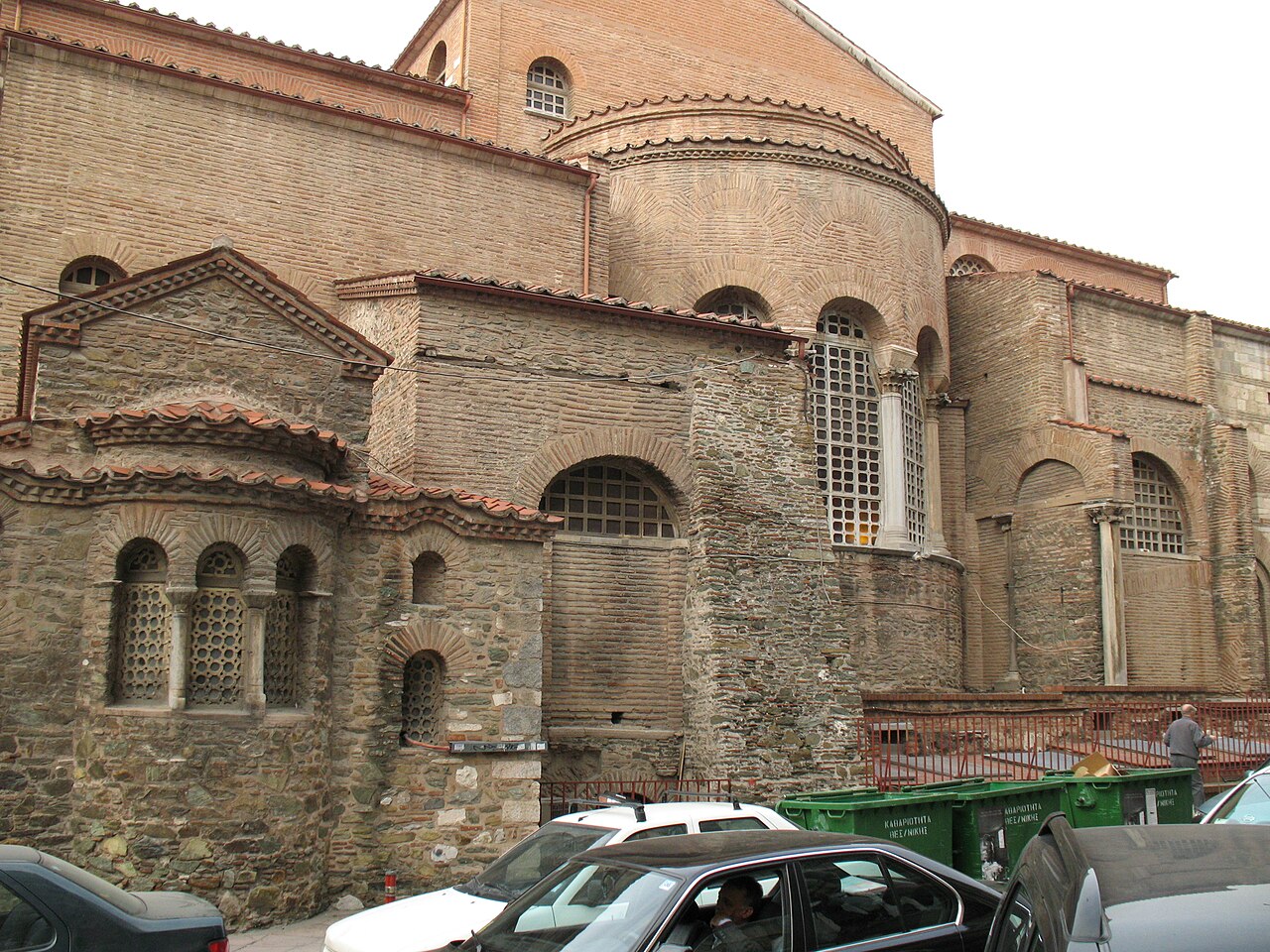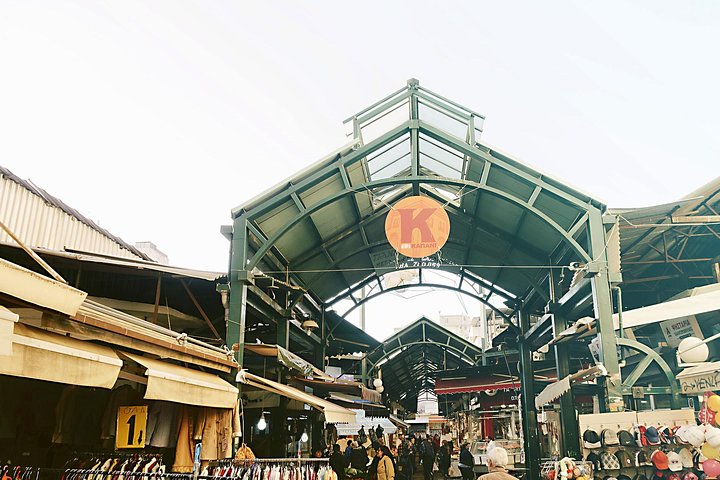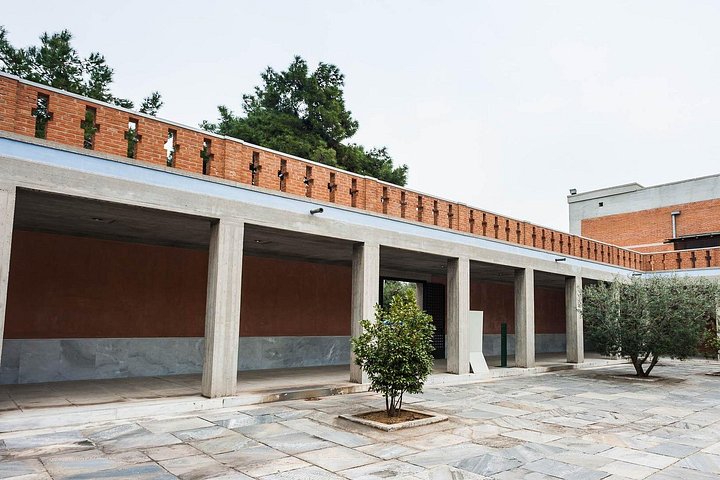
The Museum of Byzantine Culture is where Thessaloniki's Christian and Byzantine centuries come into focus. The city was one of the great cities of the Byzantine world, and its churches carry the visible proof, but the museum shows how people lived and believed: icons and wall paintings, mosaics, carved marble, tomb finds, jewellery and the objects of daily life. The galleries follow a clear order from late antiquity into the later Byzantine period, and the rooms are spacious, calm and well lit, with explanations in English. It is a very good companion to a walking tour of the old churches, because it gives names, dates and meaning to the buildings you will visit later. The museum stands on Stratou Avenue, a short distance from the White Tower and the seafront, so it fits easily into a morning of museums before lunch. It is also a comfortable choice in bad weather, since the visit is entirely indoors and rarely feels crowded outside the high season.
How it works
You buy a ticket at the museum, and the museum site lists the current hours and prices, which change with the season. In winter, from 1 November to 31 March, it is open Monday and Wednesday to Sunday from 08:30 to 15:30, and closed on Tuesdays, with entry allowed until about twenty minutes before closing. The museum is closed on 25 and 26 December, 1 January, 25 March, Easter Sunday and 1 May, and hours are marked as subject to change without notice.
What to expect
Plan around two hours. The route runs through themed galleries, and visitors often find that the rooms on early Christian life, burial customs and the Byzantine house are the most surprising, because they show ordinary people rather than emperors. Some labels are dense, so pick the rooms that interest you rather than trying to read every case. The building is modern and accessible, but confirm details for wheelchair access on the museum site if that matters to you.
Making the most of it
Go in the morning, because the winter closing time is early in the afternoon, and pair the museum with the White Tower and the Archaeological Museum for a full museum day. If you plan to see the church of Agios Dimitrios afterwards, the museum gives helpful background on mosaics and relics. Admission is free on a few named days a year, including 28 October and the last weekend of September, which can be crowded.
What to expect
The experience
A self-guided walk through themed galleries of early Christian and Byzantine art, tombs, icons and everyday objects.
Best time
Morning, because winter hours end in mid afternoon, or any rainy day.
How long
Two hours for the main galleries.
Tips
The museum is closed on Tuesdays in winter, so plan it for another day of the week.
Quick picks
- Best for
- Travellers who want to understand the churches and mosaics they will see around the city.
- Families
- Older children who like history enjoy it, while younger ones do better with a shorter visit of the rooms on daily life.
- Couples
- A calm, thoughtful morning with lunch nearby on the seafront.
- Pair with
- The White Tower, the Archaeological Museum and the church of Agios Dimitrios.
- Time needed
- Two hours.
Good questions
What will I see at the Museum of Byzantine Culture?+
You will see icons, mosaics, carved marble, tomb finds and everyday objects from the early Christian and Byzantine periods. The galleries show both religious life and ordinary life.
What are the winter opening hours?+
From 1 November to 31 March the museum is open Monday and Wednesday to Sunday, 08:30 to 15:30, and closed on Tuesdays. Hours can change without notice, so check the museum site.
How much time do I need?+
Two hours is enough for the main galleries and a few of the smaller rooms. Add extra time if you like to read the labels closely.
Is it free on any days?+
Entry is free on named days such as 6 March, 18 April, 18 May, the last weekend of September and 28 October. Many visitors also qualify for free or reduced entry, as set out on the museum site.
Is it better before or after seeing the churches?+
Before is usually better, because the museum explains mosaics, icons and burial customs that you then recognise in the churches. It also helps you read the story behind the UNESCO monuments.