The Gilcrease Museum holds one of the most important collections of American West art, Native American art and historical documents anywhere in the world. It began with Thomas Gilcrease, an oilman and a citizen of the Muscogee Creek Nation, who spent a fortune buying paintings, sculpture, manuscripts and artifacts from across the Americas, and opened his museum in Tulsa in the 1940s and 1950s. The collection is wide: Western painters, Native American works spanning many centuries, rare books and documents, and thousands of objects that trace the story of the continent before and after European contact. The museum sits on a hilltop in Tulsa's Osage Hills, with a grounds area and historic gardens, and it has long been a favorite of visitors who care about art and history. The museum is also in a period of change. A new purpose built building has been designed for the site, and its construction and opening schedule have shifted over time. For that reason, anyone who wants Gilcrease to be a fixed part of a trip should check the museum's website and press notices for the current state of galleries, grounds and events.
If the galleries are open when you visit, plan about three hours. Start with the Native American collection and the Western art, then allow time for the documents and manuscripts, which include some of the rare materials that make the museum a research center as well as a gallery. The works are not only paintings.
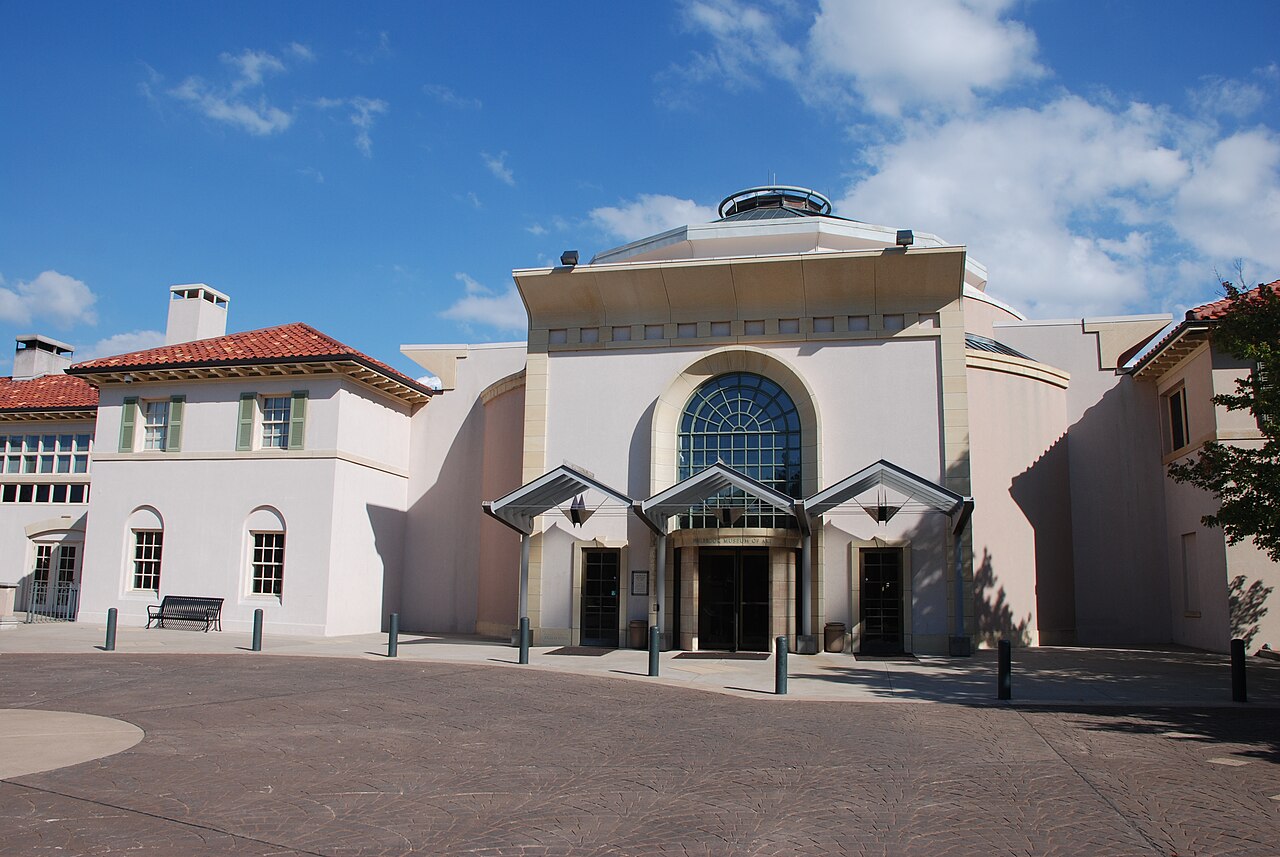
There are also artifacts, textiles, pottery and objects that help a visitor understand the people who made them. Visitors who enjoy the Philbrook the same day will find the two museums complement each other: one is a villa filled with European and American art, the other a deep dive into the West and Native America.
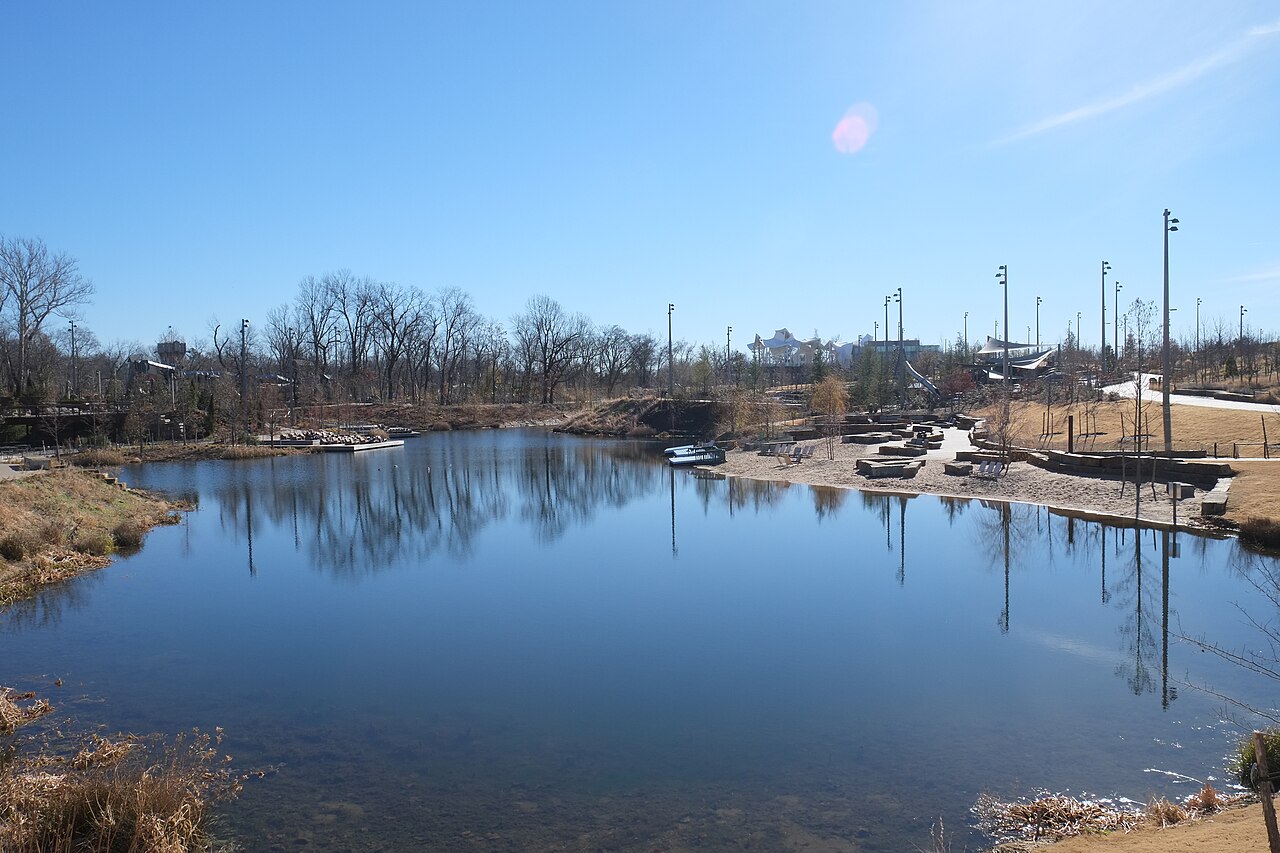
If the galleries are not available, the setting can still matter to a visit. The grounds and trails around the museum have drawn walkers and families, and the museum shares updates about its programs while the new building is completed. Contact the museum or read its latest updates before you travel, and make it a bonus rather than a fixed anchor of the itinerary. Tulsa has enough other strong museums that a changing Gilcrease schedule does not need to disrupt a trip.
The surrounding area is quiet and green, with views over the Arkansas River valley. Parking is on site, and the drive from downtown takes about fifteen minutes. If you are interested in Native American history, pair your visit with the Greenwood Rising story and the Philbrook's Native American galleries to get a fuller sense of how Oklahoma's diverse communities shaped the state.
For travelers building a trip around Western and Native American art, it helps to treat the Philbrook and Gilcrease as complementary rather than competing choices. The Philbrook offers a villa, gardens and a wide mix of periods, while the Gilcrease offers depth in a single story. Reading a little about Thomas Gilcrease beforehand, including his Muscogee Creek heritage and his habit of collecting on a grand scale, makes any visit more rewarding and explains why Tulsa holds so many cultural riches.
What to expect
The experience
A major museum of Western and Native American art and history, set on a hilltop campus with grounds and trails, in transition to a new building.
Best time
Check the museum's current opening arrangements first; spring and autumn for the grounds.
How long
About three hours for the galleries, when open.
Tips
Confirm the status of galleries and the new building on the museum website before you plan the day around it.
Quick picks
- Best for
- Art and history lovers, especially anyone interested in the West and Native America.
- Families
- Good for school age children when galleries are open; the grounds help for younger ones.
- Couples
- A quiet cultural half day.
- Pair with
- The Philbrook Museum of Art.
- Time needed
- About three hours.
Good questions
Who founded the museum?+
Thomas Gilcrease, an oilman and Muscogee Creek citizen, who collected art and artifacts of the Americas and opened the museum in Tulsa.
Is the museum open?+
Opening arrangements have been changing as a new building is completed. Check the museum's website before you travel.
What is the collection known for?+
Western art, Native American art and artifacts, and rare historical documents.
Can I visit the grounds?+
Grounds and trails have often been open to walkers, but confirm access and hours with the museum.
What should I pair it with?+
The Philbrook Museum of Art is nearby and makes a good second stop.