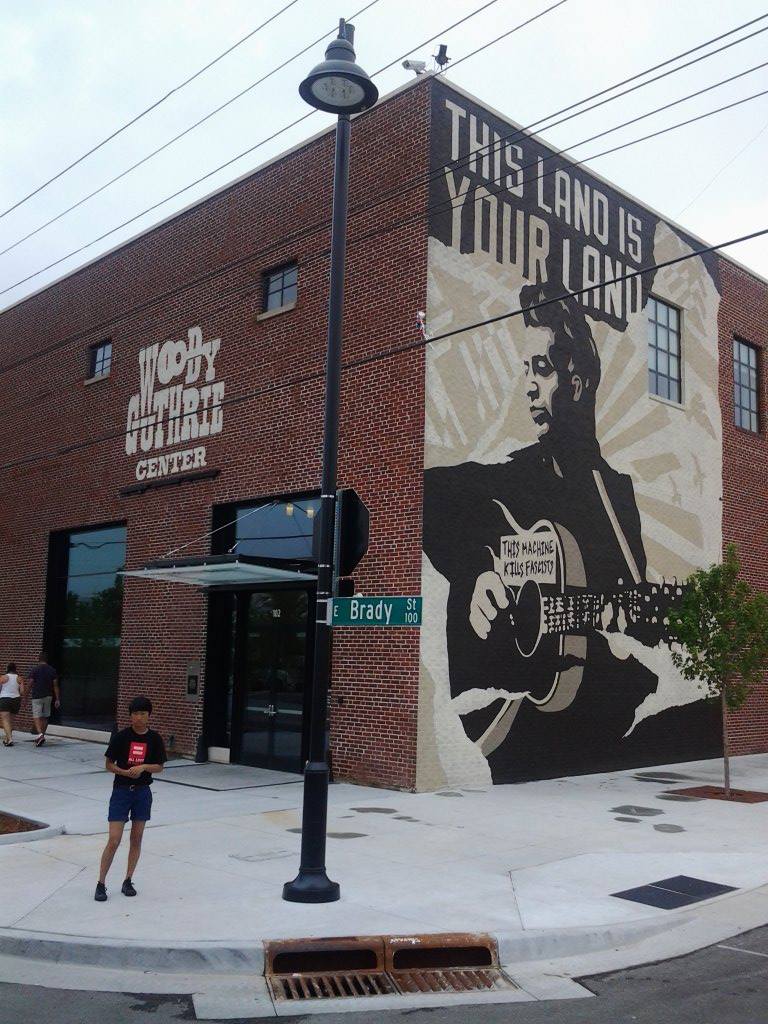
The Woody Guthrie Center in the Tulsa Arts District is the museum and archive devoted to the singer born in Okemah, Oklahoma, whose songs of the Dust Bowl, working people and the American landscape shaped generations of folk and rock musicians. Guthrie wrote This Land Is Your Land, an anthem that is still sung in schools and at demonstrations, and he left behind a huge body of lyrics, drawings, letters and notebooks. The center opened in 2013 after the archive was brought to Tulsa, and it fills a modern gallery with items from his life and career. Exhibits trace his journey from Oklahoma to the migrant camps of California, to radio, to the folk revival and to the activism that defined his later years. Handwritten lyrics, sketches and photographs make him seem like a real person rather than a legend, and recordings and film clips let you hear the voice that influenced so many artists. Because the center is compact, it is easy to see without feeling worn out.
Plan about an hour. The collection is not large, but it is thoughtfully displayed, and many visitors find that the sheer humanity of the notebooks and drawings lingers. Interactive elements, listening stations and a small theater add variety, and staff are often happy to share stories. The center sometimes hosts concerts, talks and special programs, which add depth to a visit.
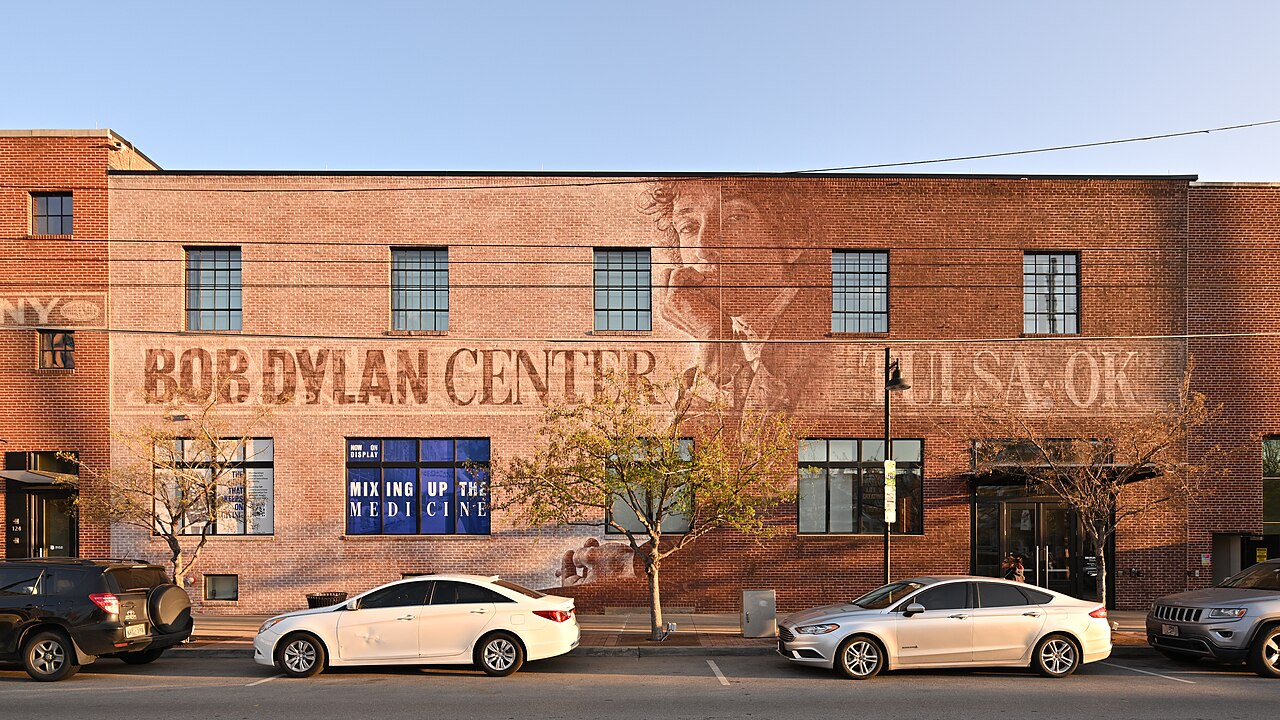
The center sits next to the Bob Dylan Center, and the two together make a rare double portrait of American songwriting. Guthrie came first, Dylan acknowledged him as a hero, and walking from one museum to the other shows the line of inheritance in a way that no book can. Ask about combined admission when you buy tickets, because arrangements can change, and consider visiting Guthrie first so that Dylan's papers fall into context.
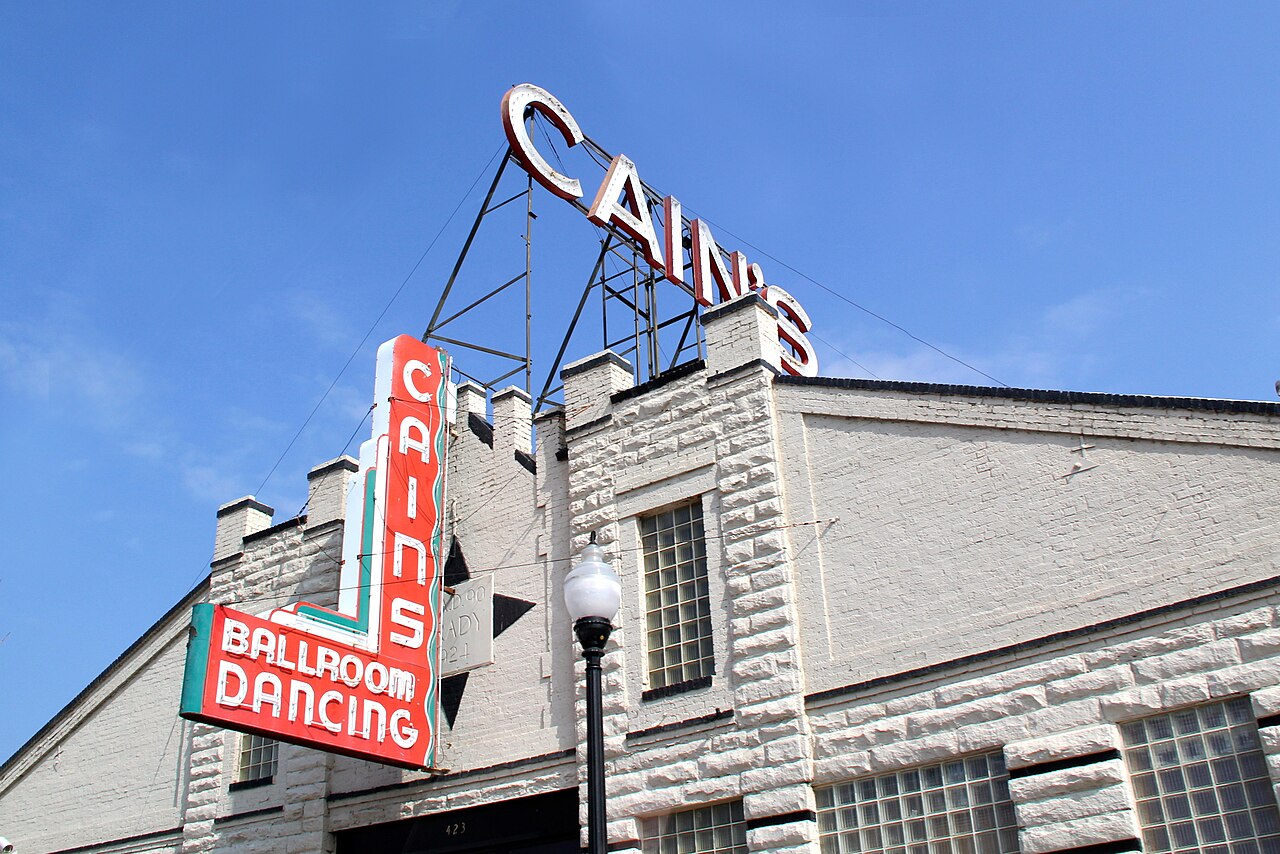
The Arts District itself is worth time. Cain's Ballroom, the old Bob Wills dance hall, stands a short walk away, along with galleries, record shops and restaurants. Parking is available in nearby lots and garages, and the district is walkable from many downtown hotels. Check the center's website for current hours and prices before you go, and combine the visit with a meal in the Arts District or a stroll to Greenwood Rising on foot.
The center is also a good introduction to Oklahoma itself. Guthrie's songs describe dust storms, migration and the hard years of the 1930s, and the exhibits connect those themes to the landscape you have been driving through. Visitors who know only one song often leave surprised at the range of his writing, which includes children's songs, political ballads and tender love lyrics. The gift shop sells records and books, and staff can recommend where to hear live folk music around town.
What to expect
The experience
A compact museum and archive on Woody Guthrie's life, lyrics, art and legacy, with listening stations and film.
Best time
Weekdays for quiet; combine with the Dylan Center on the same afternoon.
How long
About one hour.
Tips
Ask about combined tickets with the Bob Dylan Center and check current hours.
Quick picks
- Best for
- Folk and roots music fans and anyone curious about the Dust Bowl era.
- Families
- Fine for older children who know the songs.
- Couples
- Short and easy to combine with dinner.
- Pair with
- The Bob Dylan Center and Cain's Ballroom.
- Time needed
- About one hour.
Good questions
Who was Woody Guthrie?+
An Oklahoma born singer and songwriter famous for This Land Is Your Land and songs of the Dust Bowl and working people.
How long does it take?+
About an hour.
Is it near the Bob Dylan Center?+
Yes, they are neighbors in the Arts District.
Can I buy a combined ticket?+
Ask when you buy, because arrangements can change.
What else is nearby?+
Cain's Ballroom, galleries, restaurants and Greenwood Rising.