No visit to Tulsa is complete without understanding Greenwood. In the early twentieth century this district just north of downtown became one of the most prosperous Black communities in the United States, with hotels, theaters, shops, professional offices and newspapers owned and run by Black residents. It was nicknamed Black Wall Street, and its story is one of enterprise, pride and resilience, followed by tragedy, long silence and a growing effort to remember.
The community
Greenwood grew after Black families, many of them drawn to Oklahoma by the promise of land and opportunity, settled in Tulsa and built an economy of their own. Segregation limited where they could live and shop, but within the district money circulated through Black owned businesses again and again. The community supported schools, churches, doctors, lawyers and newspapers, and it produced a strong sense of civic pride.
The 1921 Tulsa Race Massacre
On the night of May 31 and into June 1, 1921, a white mob attacked Greenwood after a dispute that began at the courthouse. Over roughly sixteen hours the district was looted and burned, estimates of the death toll range widely, up to around three hundred, and thousands were left homeless. For decades the event was barely discussed in public or taught in schools. Survivors and descendants worked to keep the memory alive, and in recent years the story has been recognized more widely.
Rebuilding
Residents rebuilt, often without adequate insurance payouts or government help, and Greenwood flourished again in the following decades. Later, highway construction and urban renewal cut through the neighborhood and removed much of what had been rebuilt. Today the district is a mix of surviving buildings, new development, memorials and community institutions, and its meaning is felt as much in what is missing as in what stands.
Start at Greenwood Rising
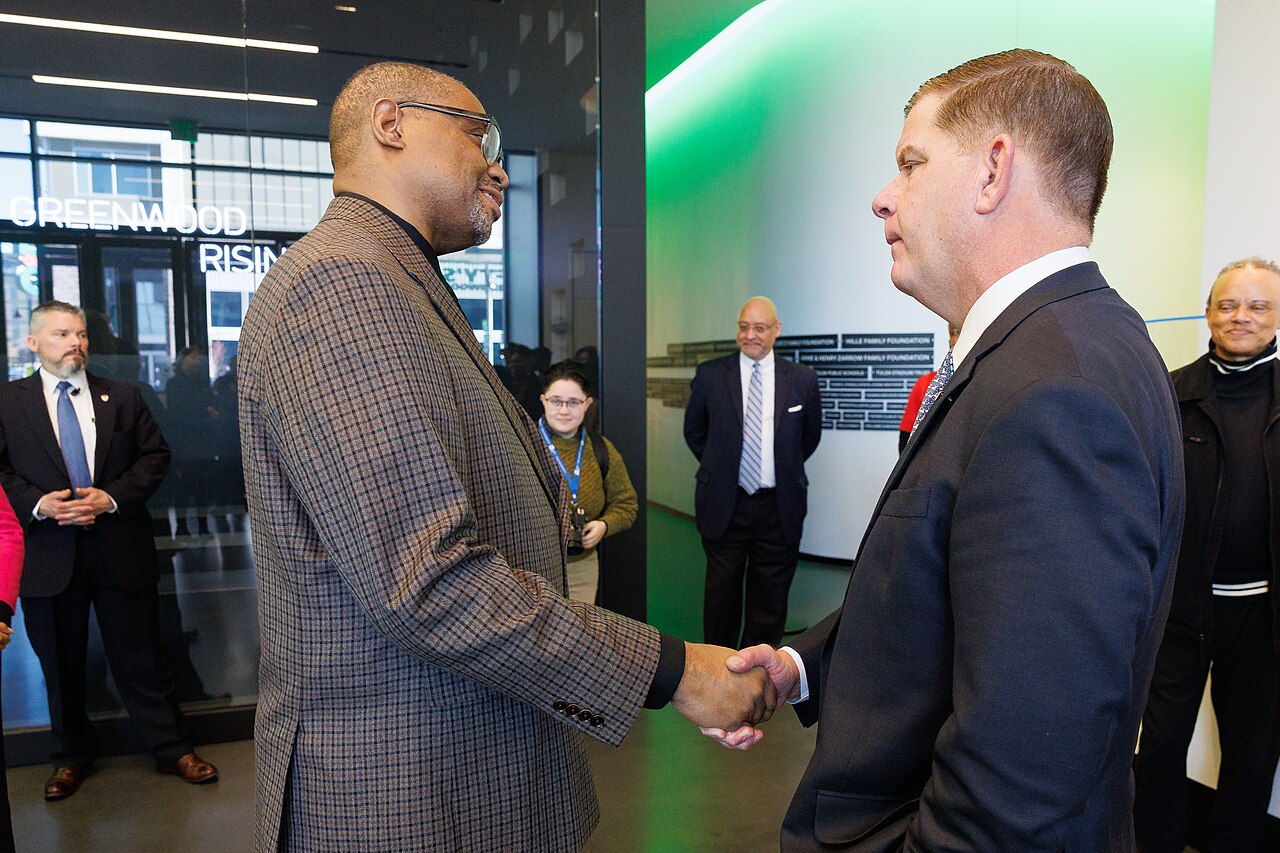
The history center on North Greenwood Avenue is the best place to begin. Its exhibits trace the rise of Black Wall Street, the massacre and the aftermath, using immersive media, artifacts and voices. Allow about ninety minutes, buy timed tickets in advance, and travel light because large bags are usually not permitted. The material is serious, and many visitors find it moving.
Walk the district
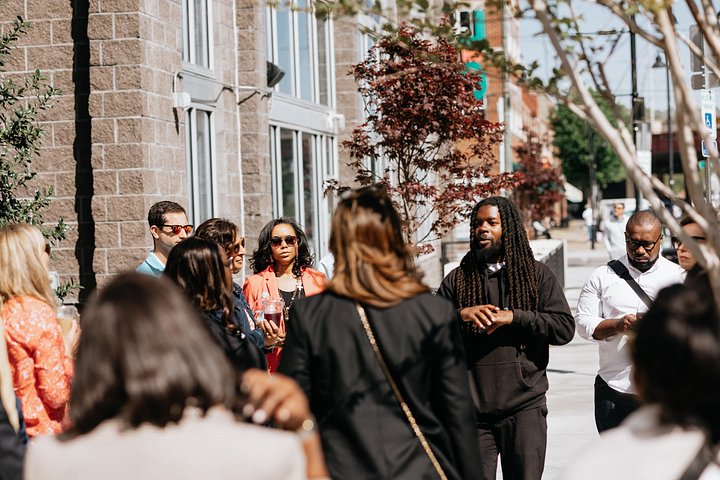
After the exhibits, walk the surrounding blocks to see the murals, plaques and memorials. Mount Zion Baptist Church, a historic congregation tied to the story, stands nearby, and the John Hope Franklin Reconciliation Park offers a quiet place to sit. The Greenwood Cultural Center continues community programs and education. Allow another hour, and be mindful that this is a living neighborhood.
How to visit well
Be respectful in your behavior and photography. Listen more than you speak, read the exhibits carefully and avoid treating memorials as backdrops. Support Black owned businesses in the area, eat locally and consider a donation to a community organization. If you have children, prepare them in advance, because some of the material is difficult.
Context beyond Greenwood
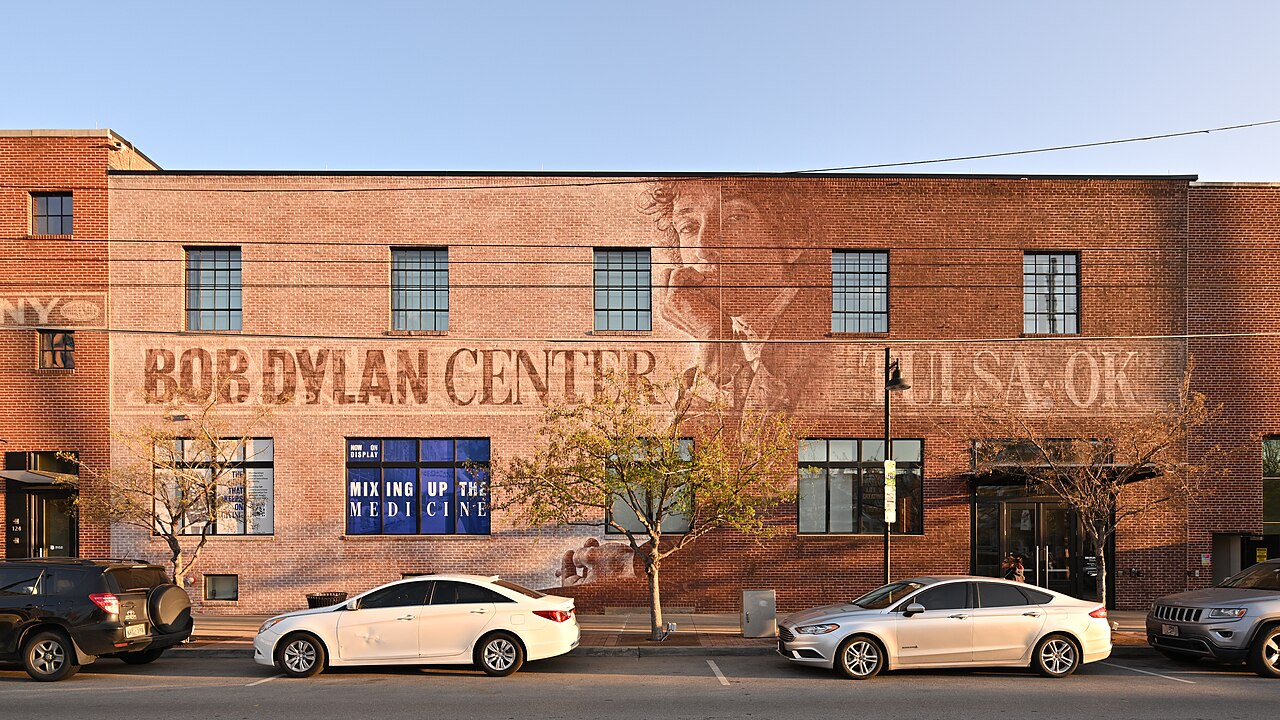
To see how the massacre fits into the larger story of Tulsa, add the oil baron history tour, which explains the boom that drew so many people to the city. The Philbrook and Gilcrease show the cultural institutions created by oil wealth, and the Bob Dylan Center and the Woody Guthrie Center reveal another side of Oklahoma's identity. Together they show a city with remarkable achievements and a painful past.
Plan your day
A good day starts with Greenwood Rising in the late morning, followed by a walk and lunch at a local restaurant. In the afternoon, visit the Arts District or the museums, and keep the evening gentle. Do not schedule the visit between tight appointments, because you will want time to reflect. Most travelers find that this is the part of the trip that stays with them longest.
Where to stay
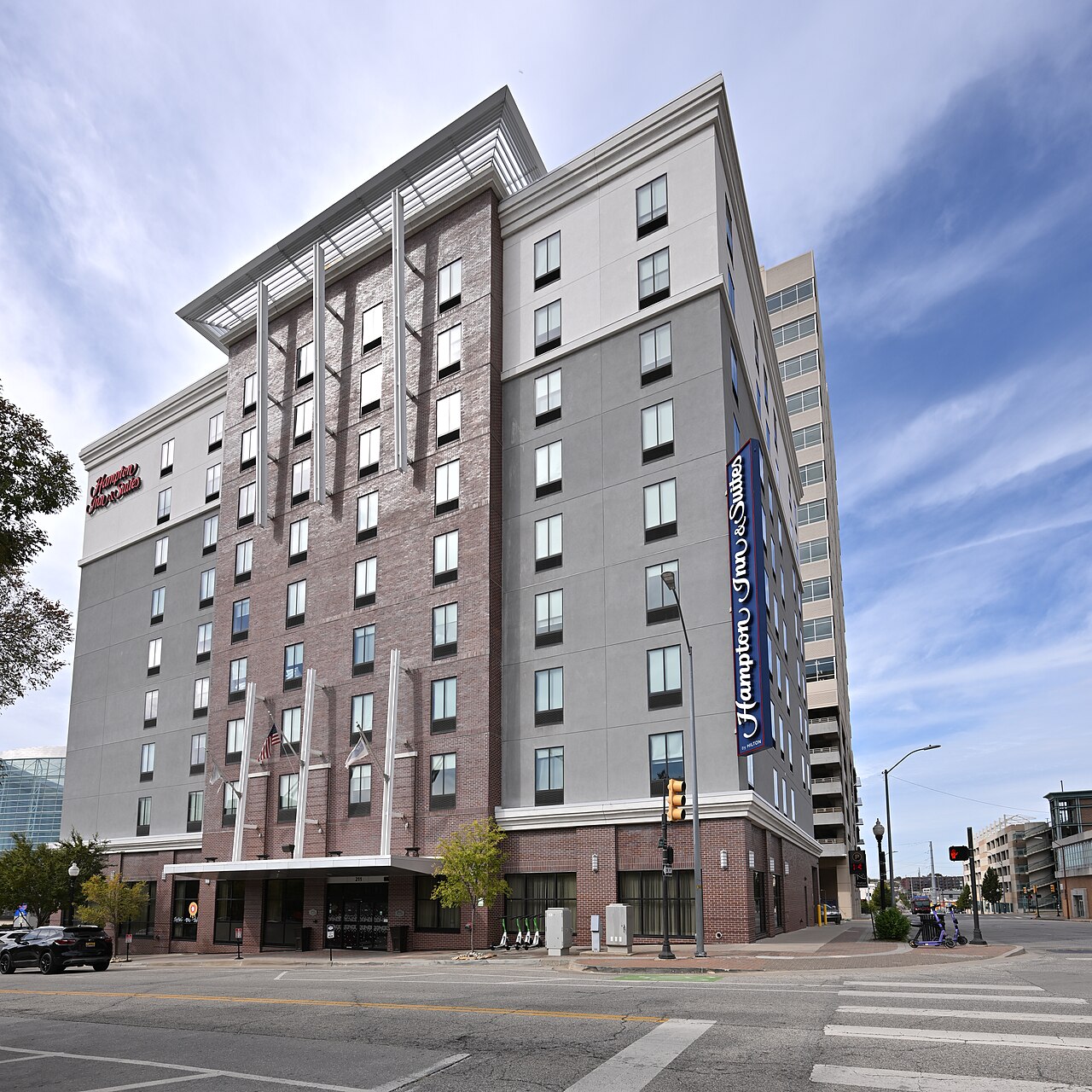
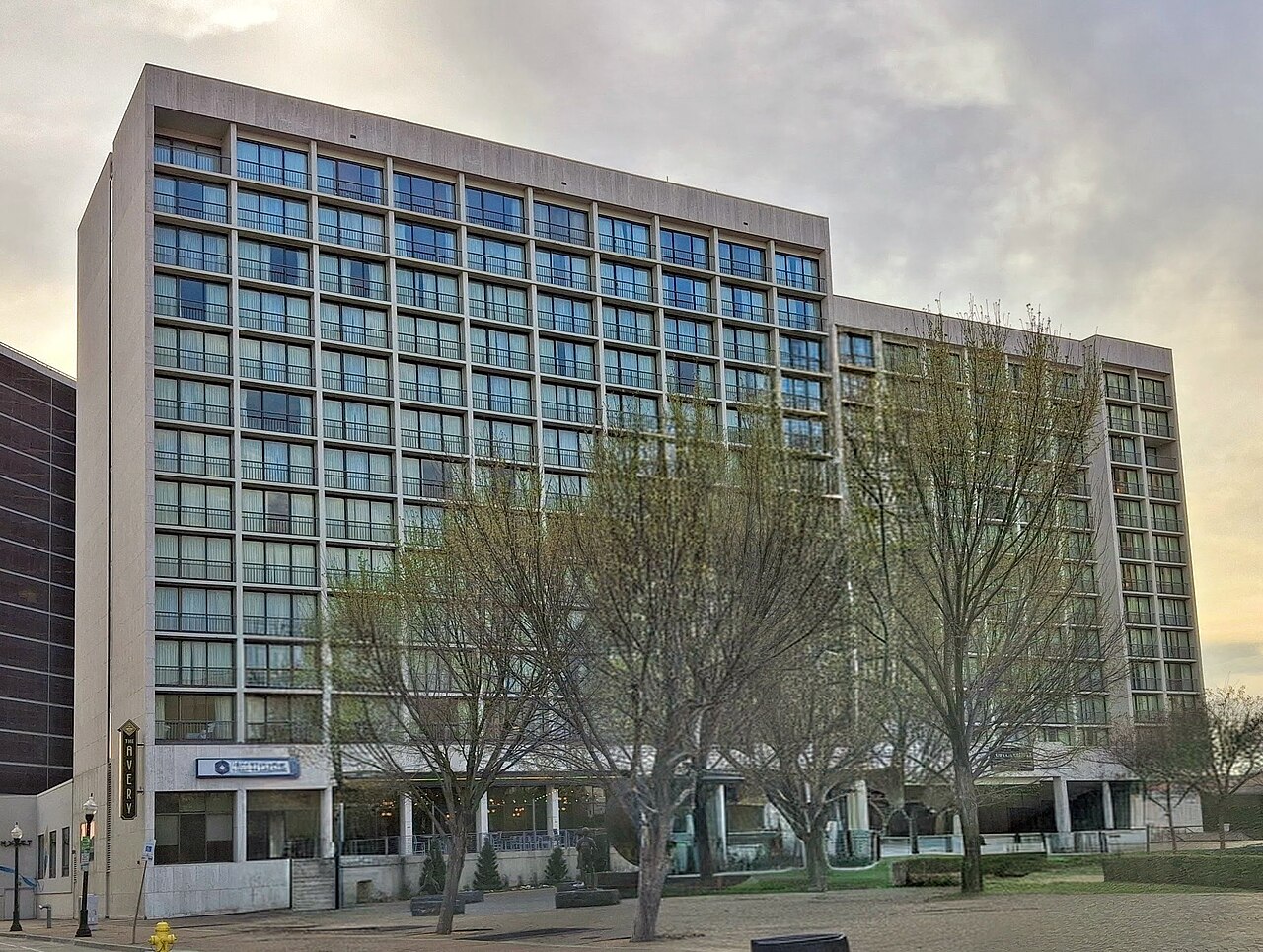
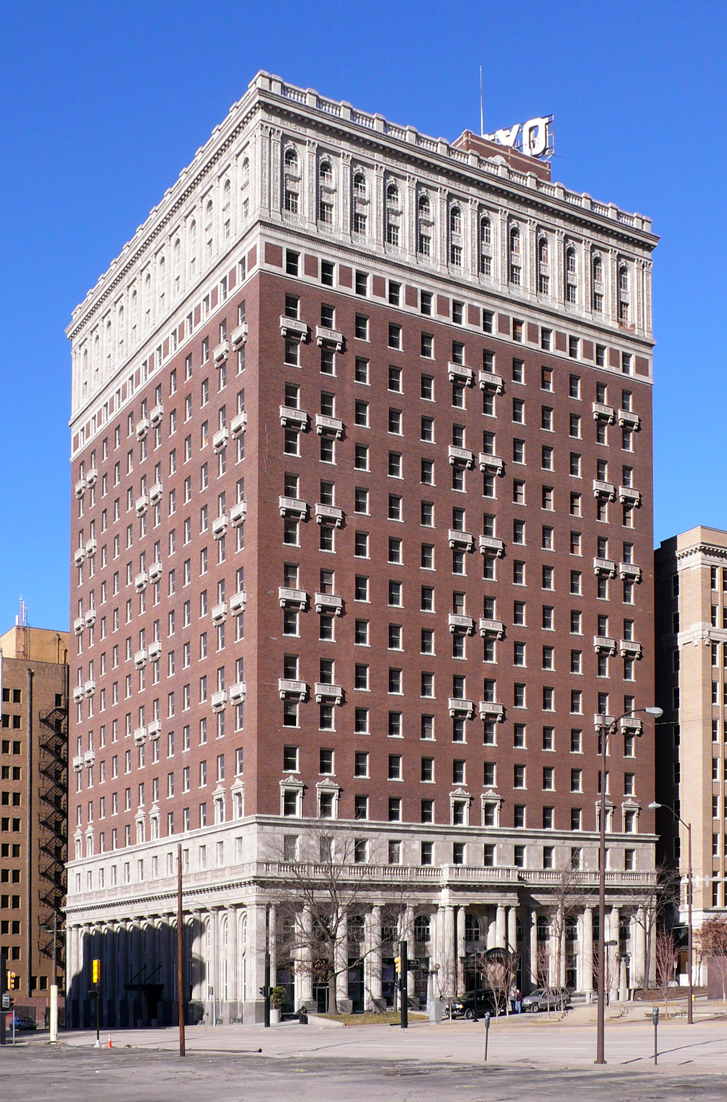
Downtown hotels are the closest. The Hampton Inn and Suites and the Hyatt Regency are both within walking distance of the district, and the Mayo Hotel is a short stroll away. Choose whichever suits your budget, then use your time in the neighborhood well.
Learning more
If you want to read further, look for books and documentary films by historians and survivors' families, and consider the work of local educators who have helped bring the story into classrooms. A little preparation makes the visit richer, and a little follow up afterward turns a day trip into lasting understanding.