Tulsa surprises almost everyone who visits for the first time. It is a mid sized city on the Arkansas River that grew rich on oil in the 1920s and then gave much of that wealth back in the form of parks, museums and architecture. The result is a place with an Art Deco skyline, a world class riverfront park, two major art museums, a serious music heritage, a stretch of Route 66 and one of the most important places in American history, the Greenwood district. This guide shows how the pieces fit, so you can decide what deserves your time.
Understand the layout
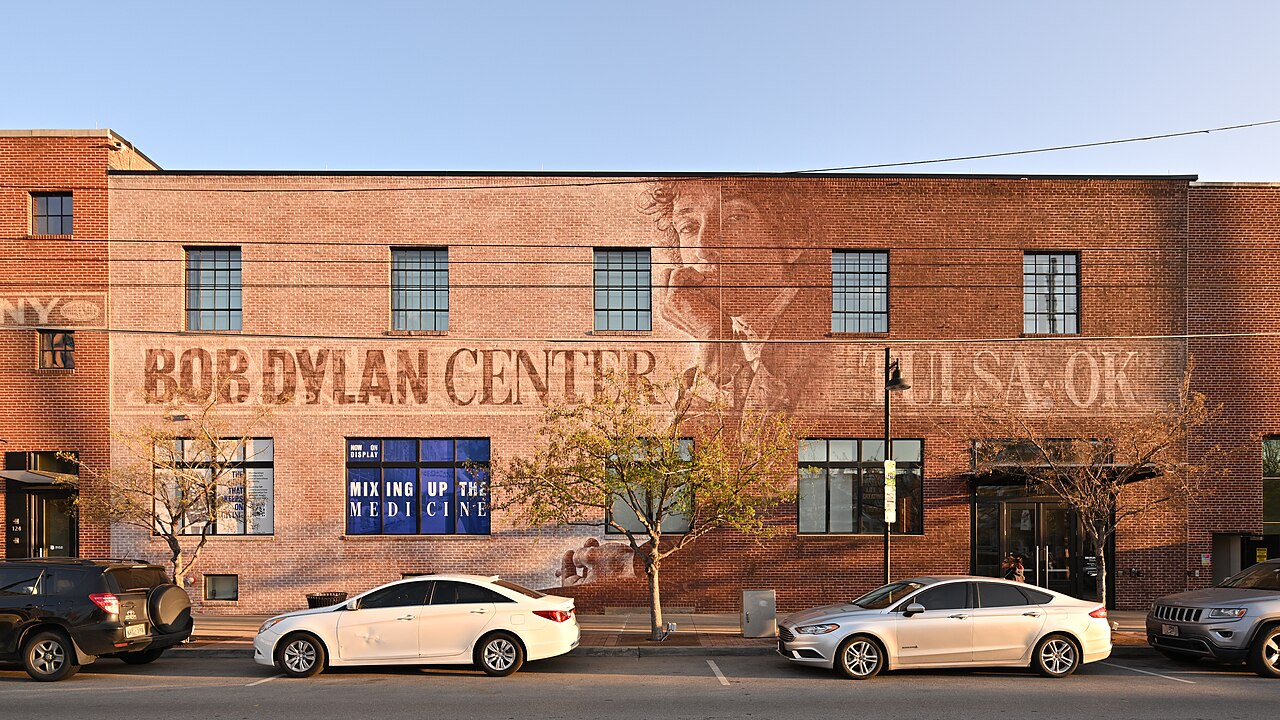
Downtown Tulsa is compact and sits on the west bank of the river. The Tulsa Arts District, just northeast of the core, holds the Bob Dylan Center, the Woody Guthrie Center, Cain's Ballroom, galleries and restaurants. The historic Greenwood district lies immediately north, so Greenwood Rising can be reached on foot from the Arts District. South of downtown lie Midtown and Brookside, with the Philbrook Museum of Art and neighborhood restaurants, and further west along the river sits Gathering Place. Route 66 runs east to west along 11th Street, and the Blue Whale is out in Catoosa to the northeast.
Start with Gathering Place
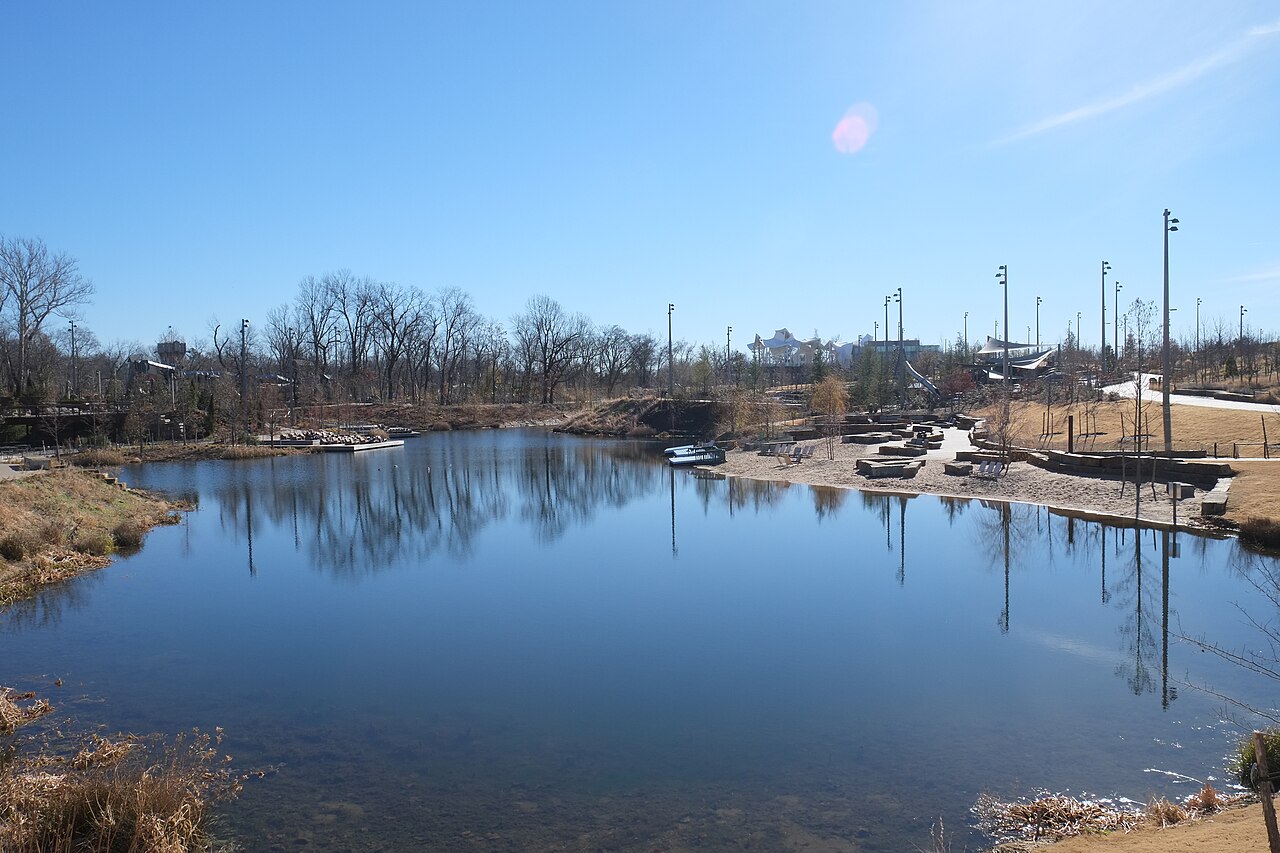
If you only have a morning, spend it in this free 100 acre riverfront park. It is the clearest example of what the city does well: generosity, design and public space. Families will want half a day, couples can wander the gardens and trails, and everyone leaves with a better sense of why Tulsa has been getting attention.
Give history real time
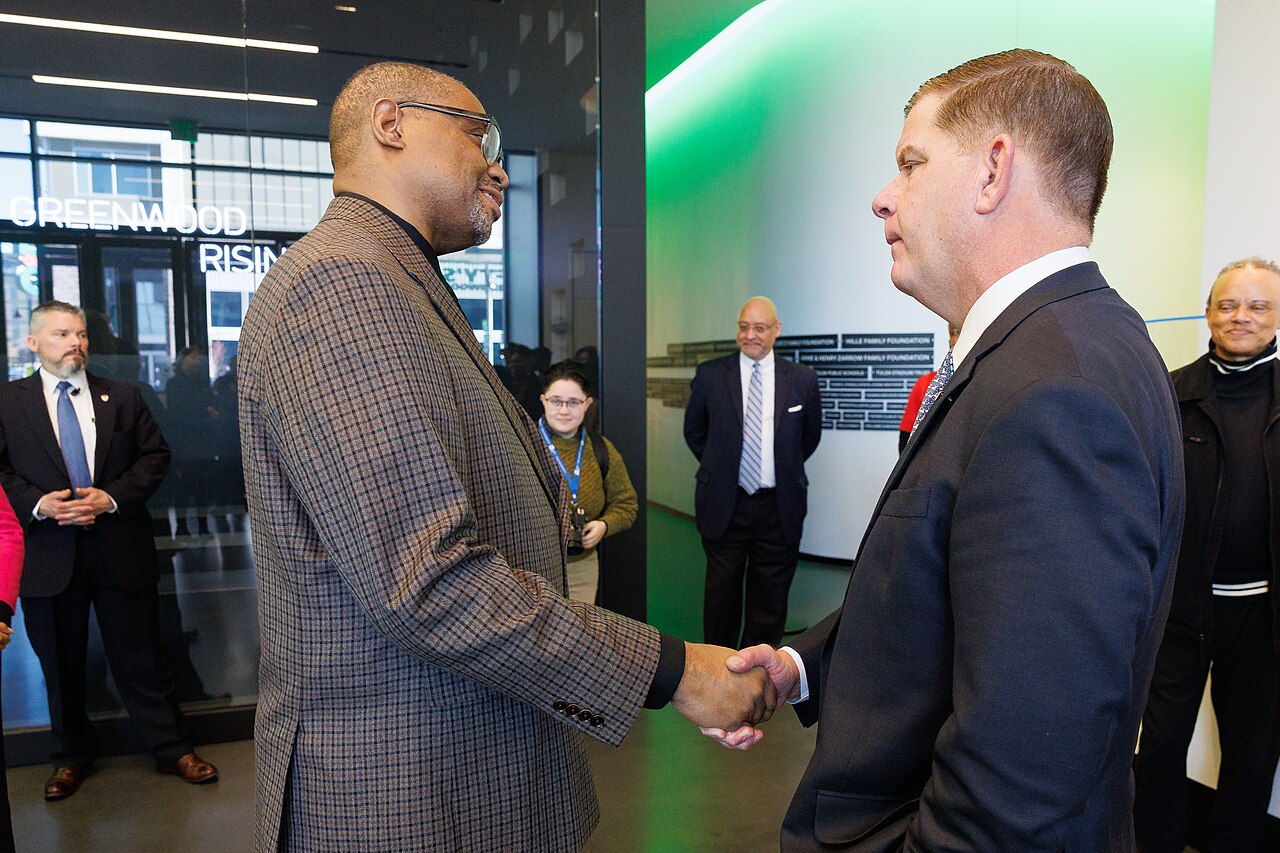
Greenwood Rising tells the story of Black Wall Street and the 1921 Tulsa Race Massacre, and it is the most important single visit in the city. Allow about ninety minutes, buy a timed ticket in advance and follow it with a quiet walk through the district. Then lighten the day with the Arts District, where the Bob Dylan Center and the Woody Guthrie Center show how songwriting travels from one generation to the next.
Look up at the skyline
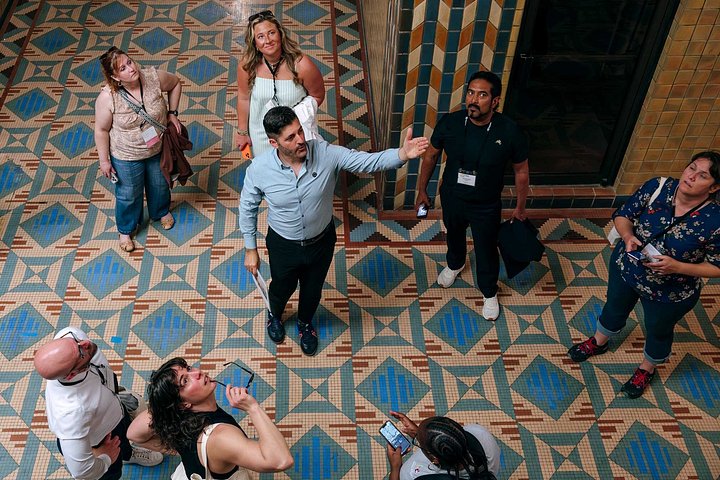
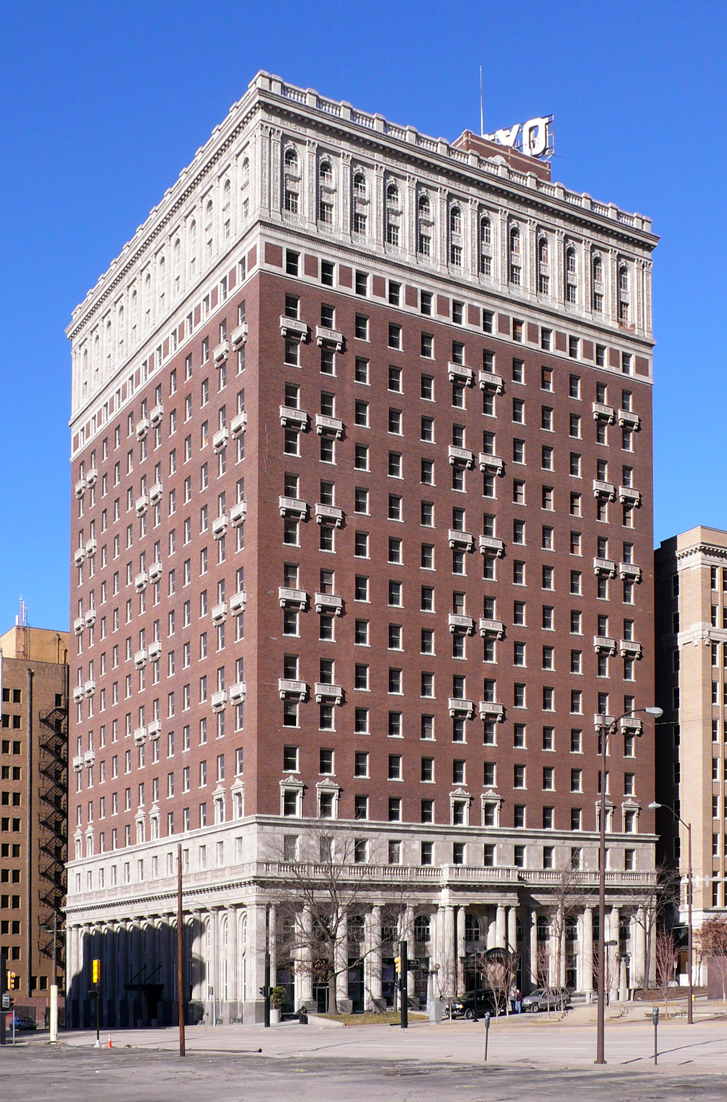
Tulsa's Art Deco downtown is a treasure, and a guided walk is the best way to understand it. The Art Deco architecture tour and the oil baron history tour cover similar ground from different angles: one focuses on buildings, the other on people. Boston Avenue Methodist Church is the single finest building in the style, and it is free to admire from outside.
Add a museum or two
The Philbrook sits in an Italian style villa with formal gardens, and the Gilcrease holds a vast collection of Western and Native American art. Check the Gilcrease's current opening arrangements before you plan around it, as the museum is moving into a new building. Both museums reflect how oil fortunes became cultural institutions.
Drive the Mother Road
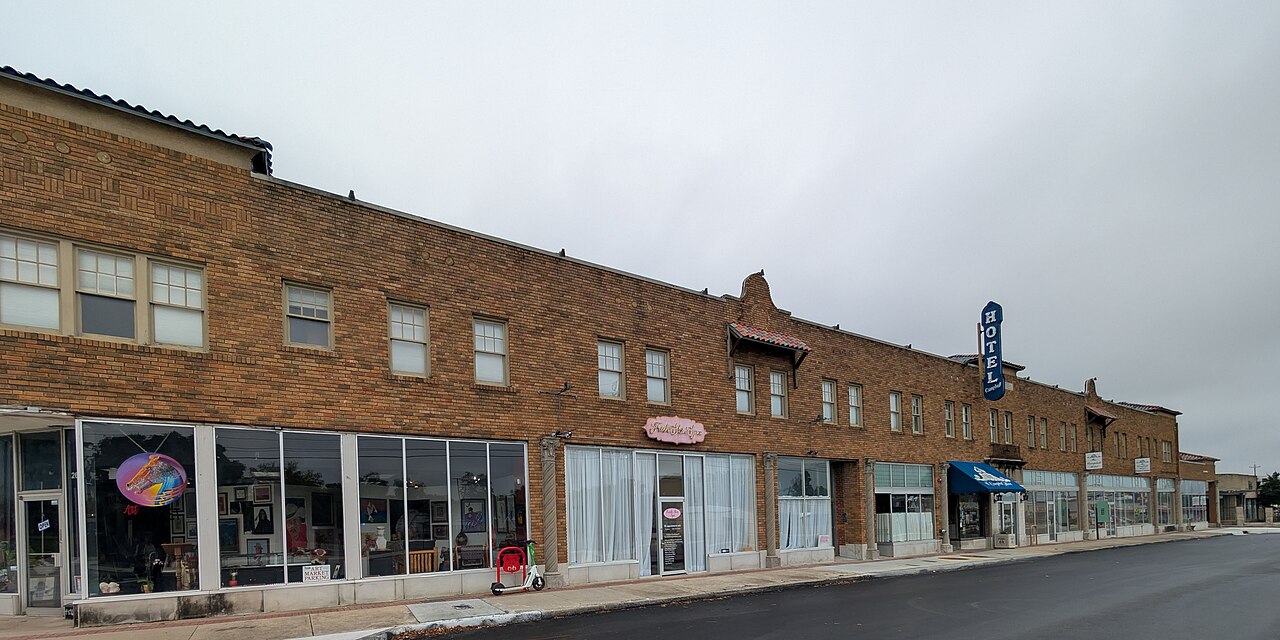
Tulsa claims to be the birthplace of Route 66 thanks to Cyrus Avery, and the corridor still has neon signs, vintage motels, diners and the Cyrus Avery plaza. Finish with the Blue Whale of Catoosa for a classic photograph. A half day is plenty, and dusk is the best time for the neon.
Eat the local way
Tulsa's food scene ranges from classic diners and burger stands on Route 66 to inventive restaurants in the Arts District, Brookside and the Pearl District. Oklahoma comfort food, barbecue, chicken fried steak and onion burgers are all worth looking for, and craft breweries and cocktail bars have multiplied in recent years. Reservations help on weekends, especially near concert venues.
Pick a base
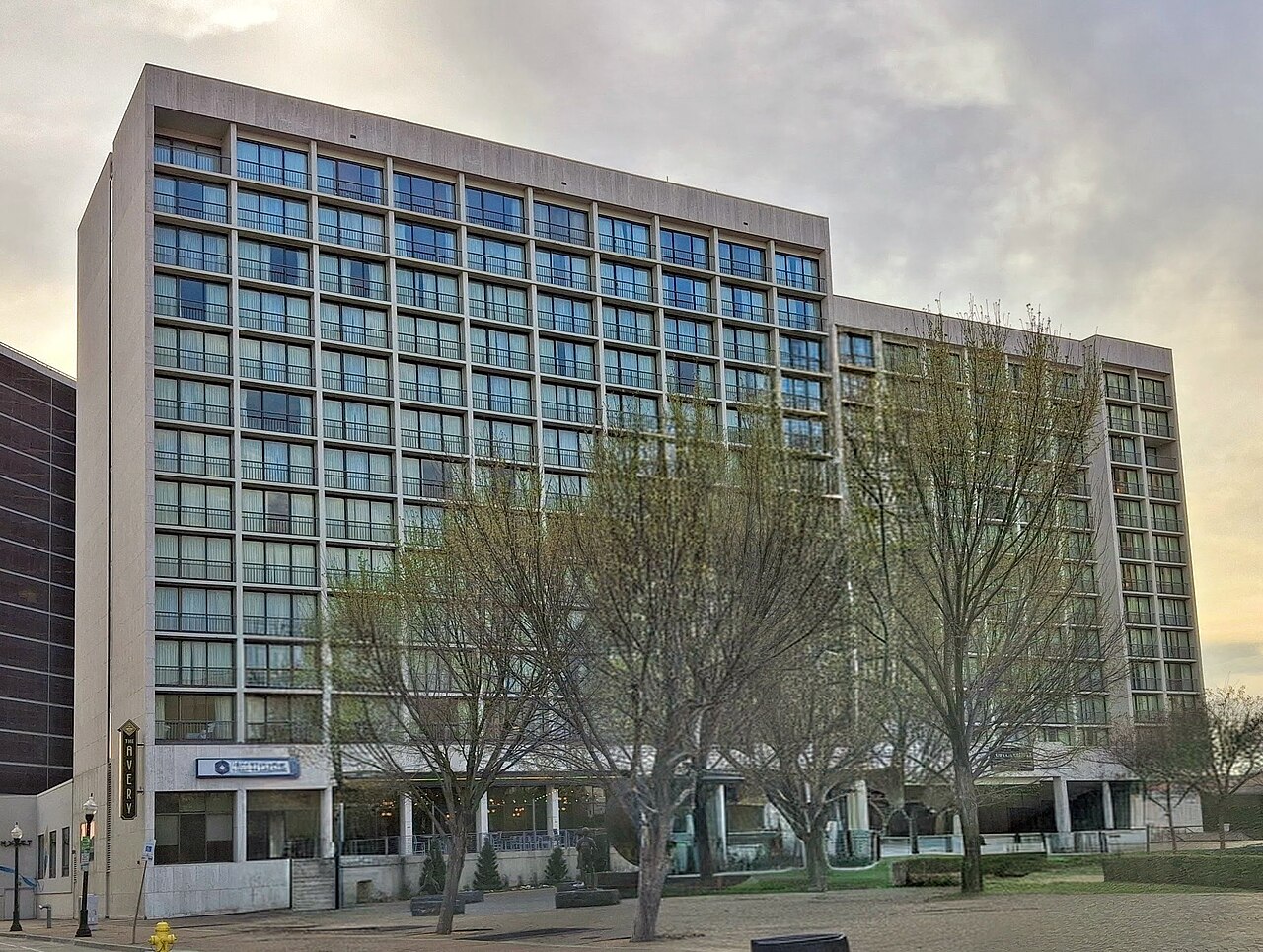
For a first visit, downtown is the easiest choice because most major sights are within walking distance or a short ride. The Mayo Hotel and the Tulsa Club Hotel give historic character, the Hyatt Regency and DoubleTree offer full service comfort, and the Hampton Inn is a good value option. For a theme stay, the Campbell Hotel on Route 66 is great, and for a quiet upscale retreat the Ambassador is a favorite.
Getting around
Downtown and the Arts District are walkable, but Tulsa is a car city. Gathering Place, the Philbrook, the zoo, the Blue Whale and the Route 66 stops are best reached by car or rideshare. Parking is usually easy and often free outside the downtown core.
How long to stay
Two days covers the essentials, three days allows time for Route 66 and a museum, and four days opens the door to day trips such as Woolaroc and Bartlesville. Whatever you choose, plan one slow morning for Gathering Place and one reflective hour at Greenwood Rising, and you will have seen the best of the city.