Tulsa is one of the best cities on Route 66 for casual road trippers. The old highway runs right through town, the neon and roadside architecture have survived better than in many cities, and a short drive links the major stops. You do not need to be a Route 66 obsessive to enjoy it. A half day with a camera, a full tank and a taste for diner food is plenty.
Why Tulsa matters
Cyrus Avery, a Tulsa businessman and state highway commissioner, was a leading advocate for the highway linking Chicago and Los Angeles. He is remembered as the Father of Route 66, and Tulsa honors him with a plaza and sculpture. In the 1920s and 1930s, the road carried farmers, migrants, salesmen and vacationers through the city, and Tulsa grew a roadside economy of motels, cafes and filling stations that still shapes the corridor.
Start at the Cyrus Avery plaza
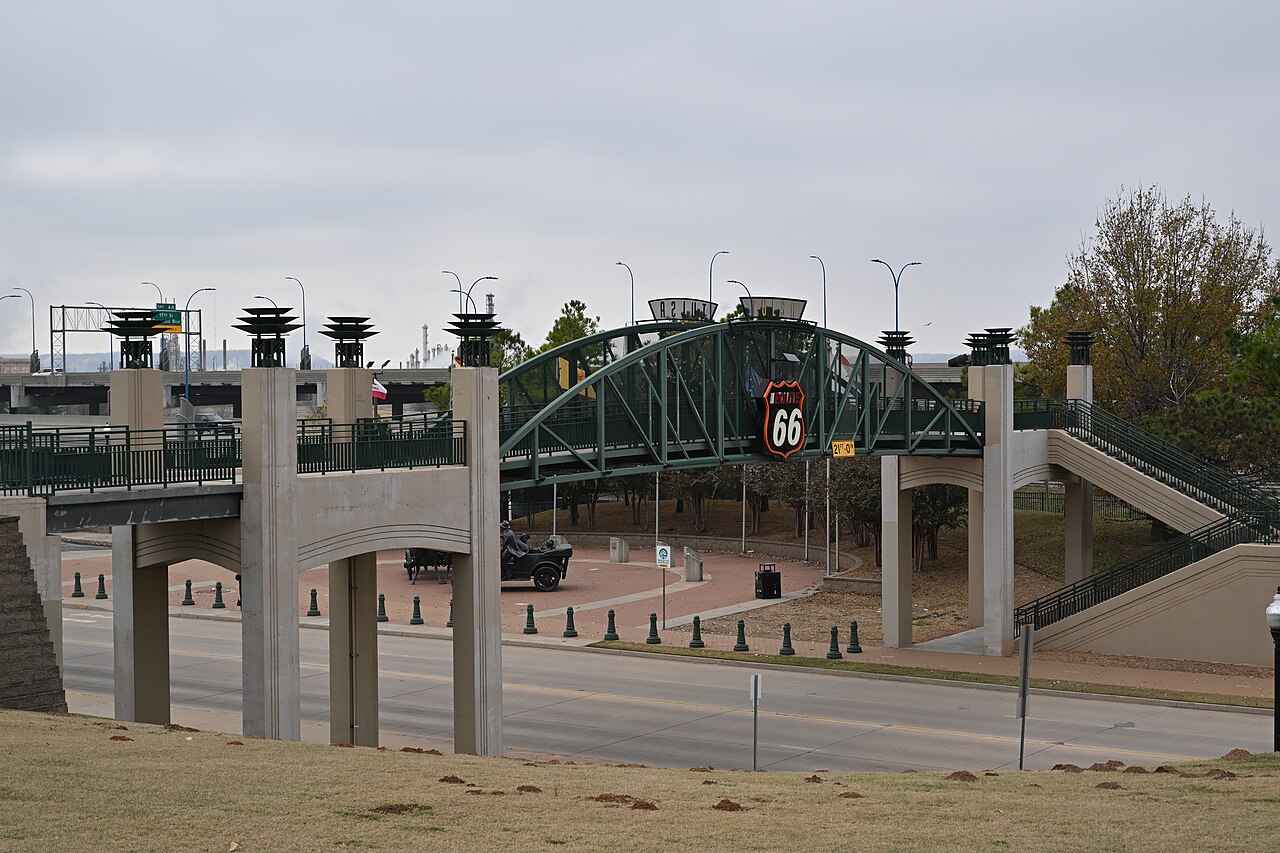
The plaza and the Route 66 Memorial Bridge sit just west of downtown on the river. Read the panels, look at the sculpture of an early car meeting a horse drawn wagon, and walk a little on the bridge for river views. Allow thirty to forty five minutes.
Drive 11th Street
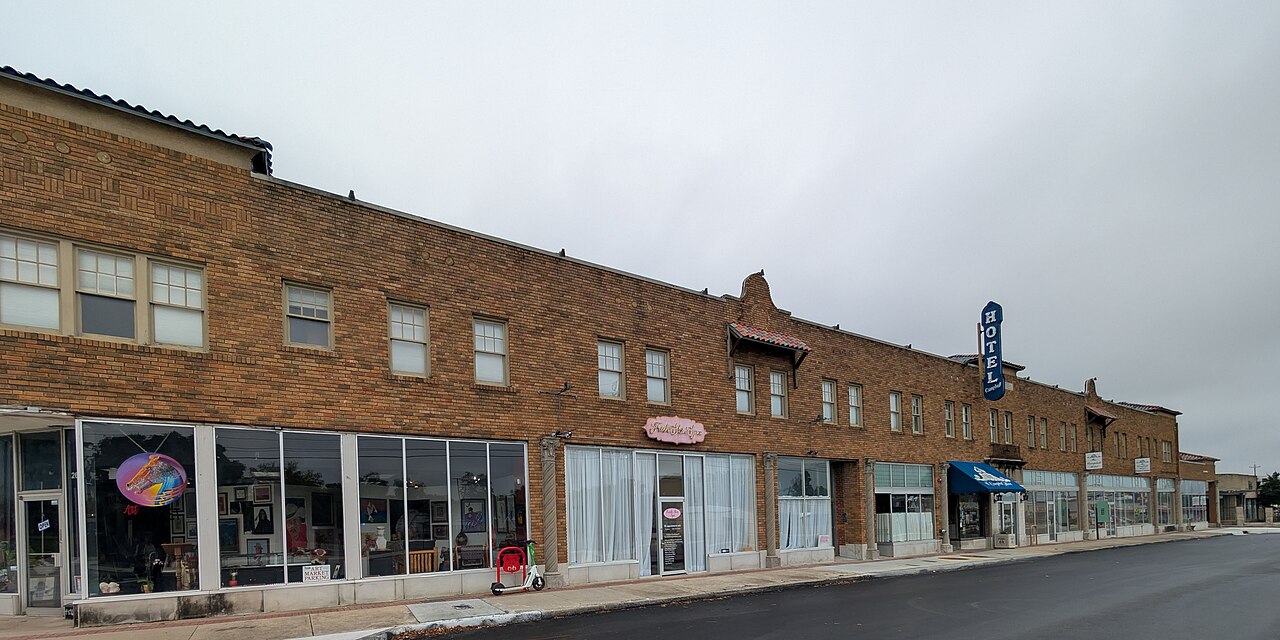
The stretch of 11th Street east of downtown is the heart of the Tulsa corridor. Look for the restored Meadow Gold sign, vintage motels, diners and murals. The Campbell Hotel is a perfect example of a historic building revived for a new generation of travelers. Stop for photos, grab a burger or a slice of pie, and watch for small shops selling souvenirs and Route 66 memorabilia.
The west side
On the western edge of the city, the Route 66 Historical Village offers a look at the road's heritage with a steam locomotive and an oil derrick as part of its displays. It is a good stop for families and for those who enjoy history. Check current hours and any admission details before you go.
Finish at the Blue Whale
The Blue Whale of Catoosa is a short drive east and is the classic final stop. Built in the early 1970s as an anniversary gift, it sits beside a pond and welcomes visitors with a wide smile. It is free, quick and delightfully quirky, and it makes a great place to end the day.
Best time to go
Mid morning gives good light for photography, and dusk is the best time for neon. Weekends are generally easier for driving, and rush hours can be busy on 11th Street. Spring and autumn offer pleasant weather, summer can be hot, and winter days can be crisp and clear.
What to eat
Look for classic diners, burger stands and cafes, and try Oklahoma favorites such as onion burgers and chicken fried steak. Many roadside restaurants are small, family run places with limited hours, so check before you go. A picnic at the Blue Whale is a fun alternative.
Where to stay
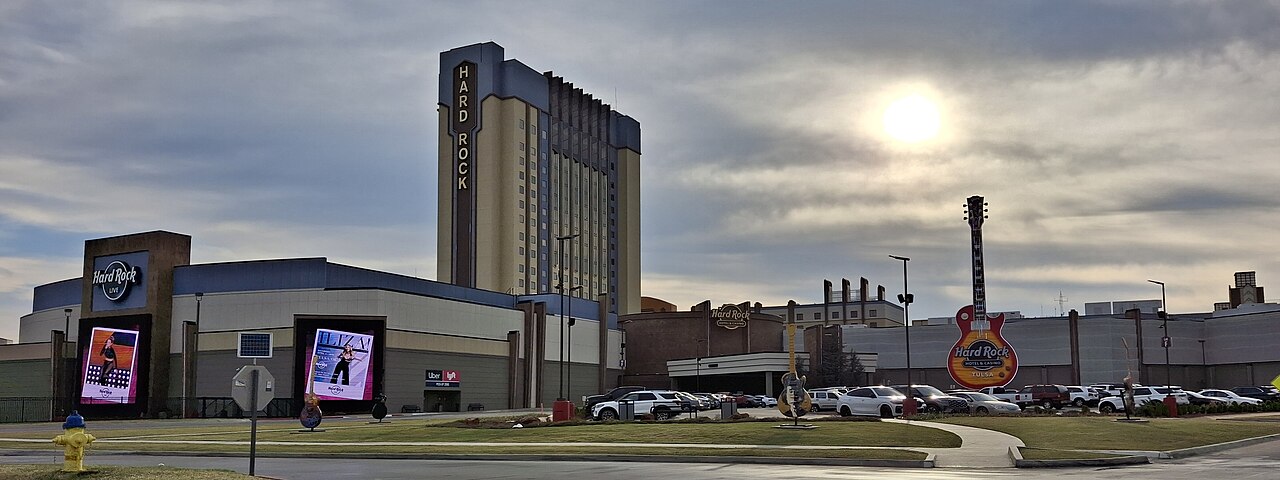
The Campbell Hotel on Route 66 is the thematic choice, with vintage character and easy access to the neon stretch. For a resort night out, the Hard Rock Hotel and Casino Tulsa in Catoosa is close to the Blue Whale. Downtown hotels such as the Hotel Indigo are a short drive from the corridor and make a good alternative if you want city nightlife.
Combine with the city
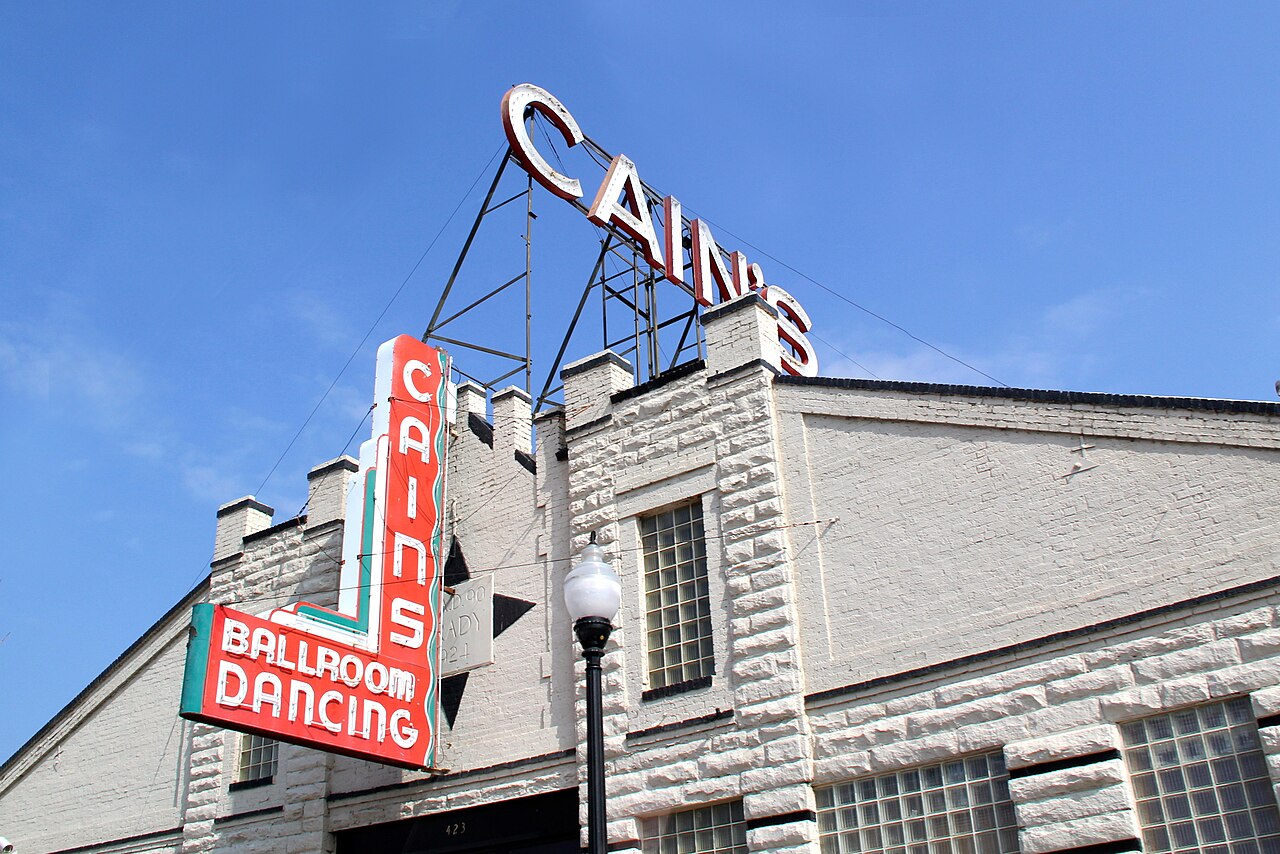
Route 66 fits neatly into a Tulsa itinerary. Spend the morning at Gathering Place or the Philbrook, drive the road in the afternoon and finish with dinner at a diner or a concert at Cain's Ballroom. The mix of old road and new city is what makes Tulsa such a pleasant stop on a longer American journey.
Safety and etiquette
Route 66 in a modern city mixes tourists with everyday traffic, so use designated pull offs for photographs, watch for pedestrians and respect private property at motels and businesses. Some stops are small family operations, so a purchase of a snack or souvenir is a kind way to say thanks. Keep valuables out of sight in the car, and plan for the weather, since open stretches can be hot in summer and breezy in winter. Charge your phone, download an offline map and keep a little cash for roadside stands that may not take cards.