Turin is a year-round city, because its best sights are indoors and its streets are covered by porticoes. Still, the seasons shape how the city feels and what you can do beyond the centre. This guide describes each season in plain terms, so you can match your trip to what you want from it. Exact weather varies from year to year, so treat the descriptions as patterns, not promises.
Spring (March to May): fresh and flexible
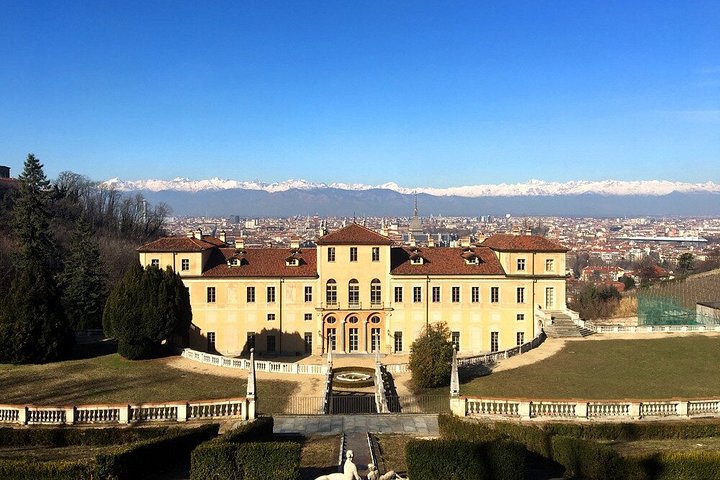
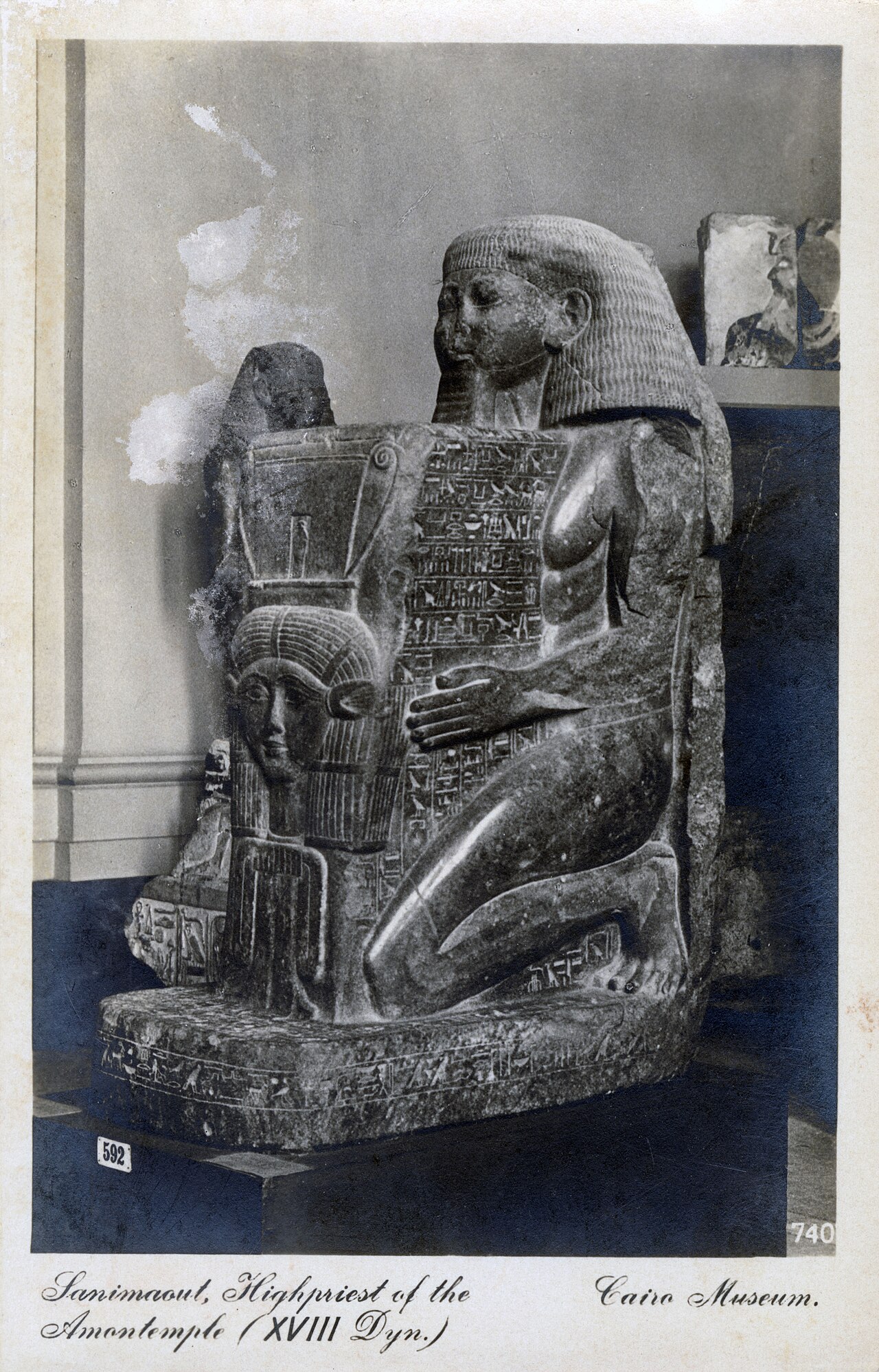
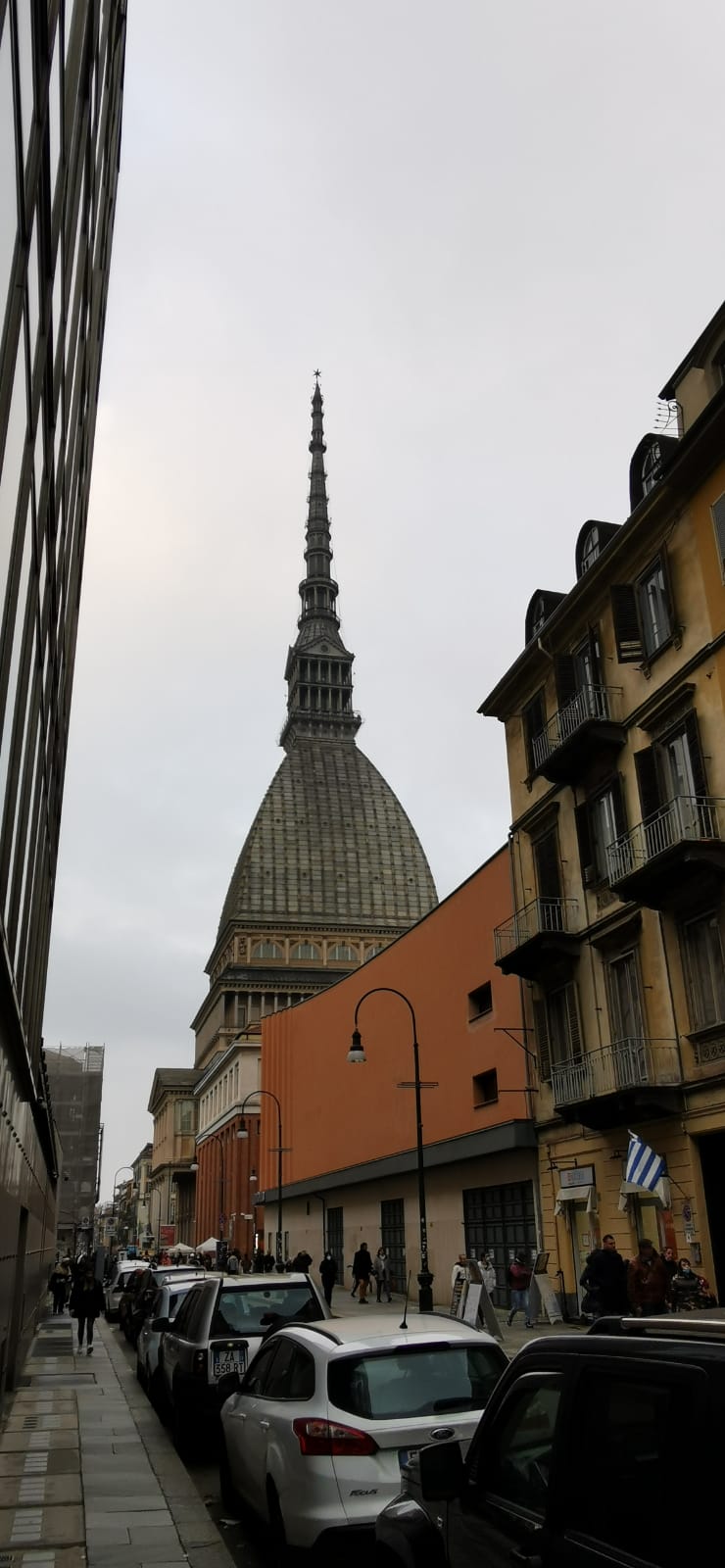
Spring is one of the best times for a first visit. Temperatures climb steadily, trees along the river come into leaf, and the long arcaded streets are pleasant without being crowded. Showers are common, so carry a light waterproof, and the museums are a reliable plan for wet afternoons. Easter weekend and public holidays in April and early May bring more visitors, so book timed tickets for the Egyptian Museum and the Mole Antonelliana lift in advance. Gardens at the Villa della Regina and the park at Stupinigi are at their freshest in late spring.
Summer (June to August): hot and quiet in August
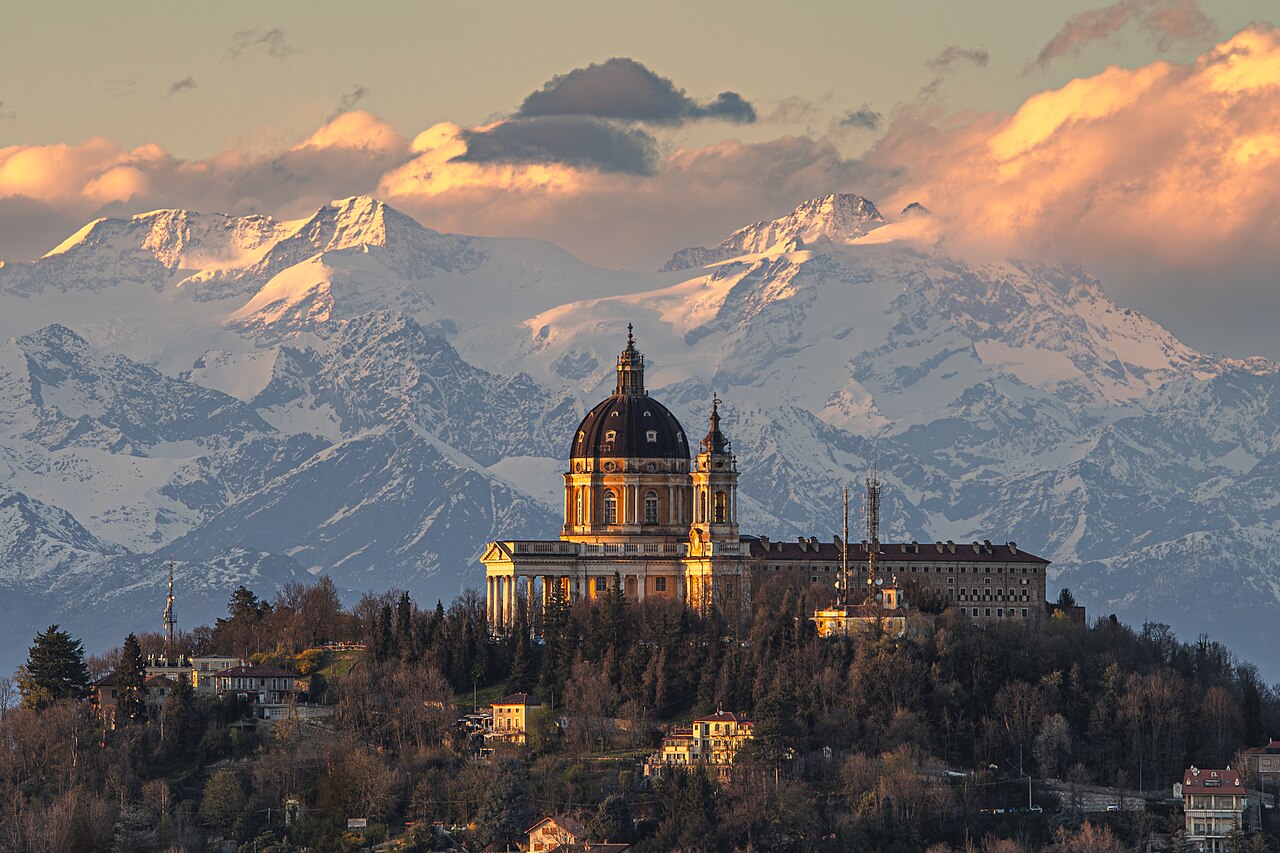
Summers can be hot and humid, and the sun makes midday sightseeing uncomfortable, so plan museums for the heat of the day and walks for early morning and evening. Many locals leave in August, and some restaurants and small shops close for holidays, which makes the city quiet and a little less lively. Large museums stay open, and the hills of Superga and the Alpine valleys are a welcome escape from the heat. Evenings by the river are long and pleasant, and aperitivo spills out onto the squares.
Autumn (September to November): food season
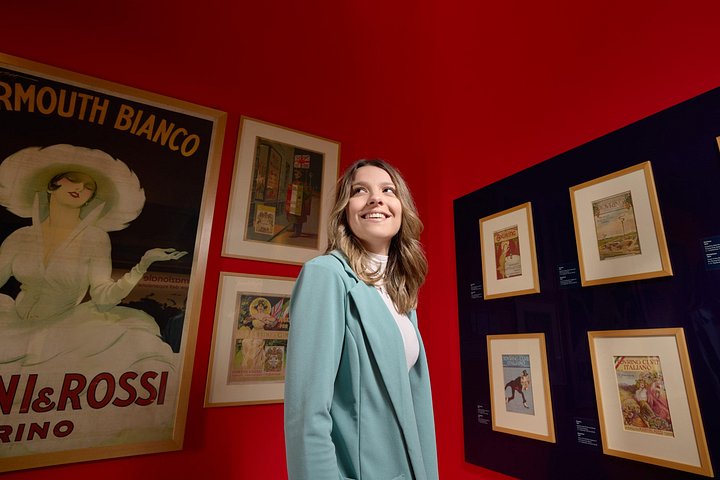
Many people consider autumn the best season for Turin and Piedmont. The weather is mild in September and October, the vineyards of the Langhe turn gold, and the food calendar fills with truffles, mushrooms, game and new wine. Chestnuts and hazelnuts appear in sweets, and chocolate shops fill with seasonal specialities. Days get shorter and wetter as November arrives, and fog can settle over the plain, but the cafés and museums feel especially welcoming. This is a good time for a food-focused trip, with Casa Martini, a Langhe tasting and a market visit.
Winter (December to February): cold, atmospheric and clear
Winter is cold, sometimes foggy and occasionally snowy, but on clear days the Alps stand out sharply to the north and west, and the view from the Mole Antonelliana or Superga is at its most dramatic. The city typically puts up festive light installations and Christmas markets, and chocolate and hot drinks are at their best. Some attractions have shorter winter hours, and the rack tramway to Superga follows a seasonal timetable, so check ahead. Hotel rates can rise during big trade fairs and over the Christmas and New Year holidays. Skiing in the nearby Alpine valleys is easy to combine with a city break if you have a car or want a transfer.
Crowds and prices
Turin is calmer than Rome, Florence or Venice in every season, and it rarely feels overrun. The busiest times are long weekends, big events and trade fairs, when hotel rates rise and the Egyptian Museum fills early. If you want a quiet visit, aim for midweek in spring or autumn. Museums close on different days, so a weekly closing day is a more common problem than crowds.
What to pack
In spring and autumn, bring layers and a compact umbrella. In summer, carry a hat, sunscreen and a refillable bottle, and use the public fountains. In winter, bring a warm coat, gloves and shoes with a good grip, since the porticoes are sheltered but the squares are not. Comfortable shoes matter in every season, because the best way to see the city is on foot.
Our pick
If you want one recommendation, choose late April to early June or mid-September to October. Both give mild weather, open museums and easy access to the hills, and both suit the mix of palaces, food and day trips that makes Turin special. Winter is best for visitors who want cafés, museums and clear mountain views, and summer works for travellers who plan around the heat.
Events and rhythms
Turin hosts regular fairs, film events and sports fixtures through the year, and the pattern is more useful than any single date: big events bring higher hotel rates and fuller trains, while the quiet weeks between them are the best value. Local holidays such as 15 August and the days around Christmas mean closures, so check before you plan a meal or a museum around them. The Alpine light in clear winter and autumn weather also makes the hills and the Mole especially rewarding for photographers.