Turin rewards a slow pace. The centre is flat, laid out on a grid and covered by kilometres of porticoes, so you can walk almost everywhere, and the big sights are close enough together that three days feel generous rather than rushed. The plan below groups sights by area so that you spend your time looking, not commuting. Because Turin’s museums close on different days of the week, always check the closing day of each place before you fix the order.
Day one: the royal heart of the city
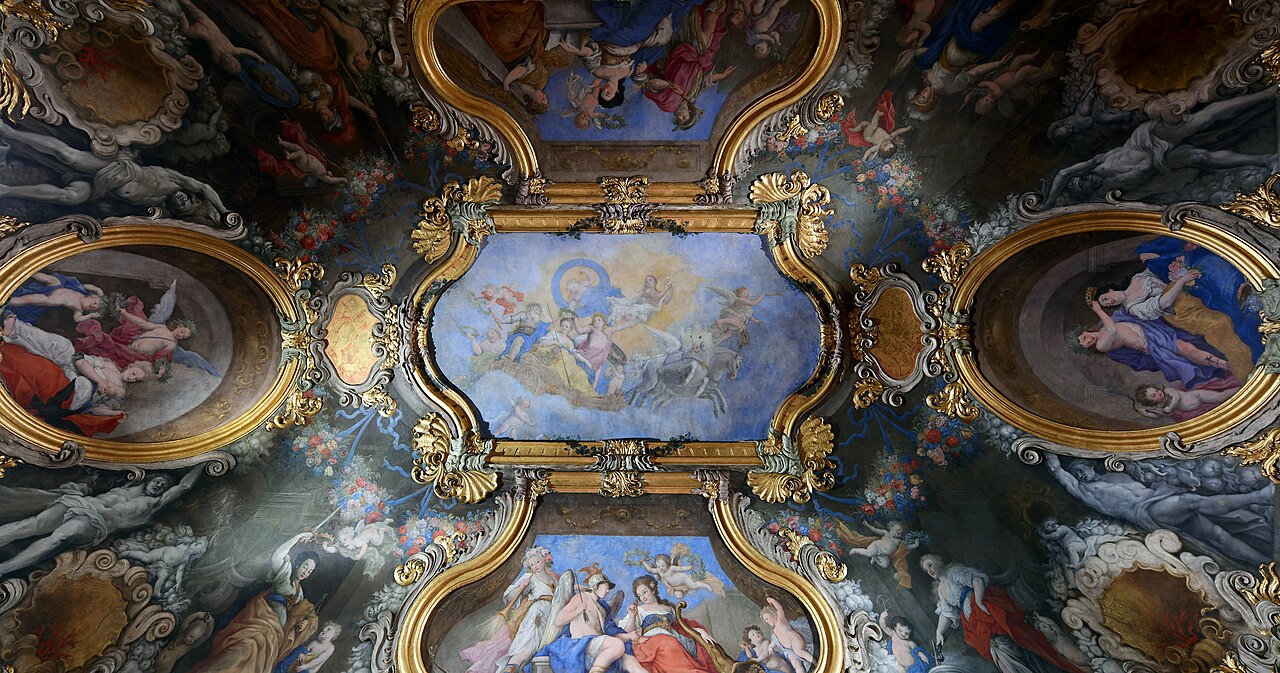
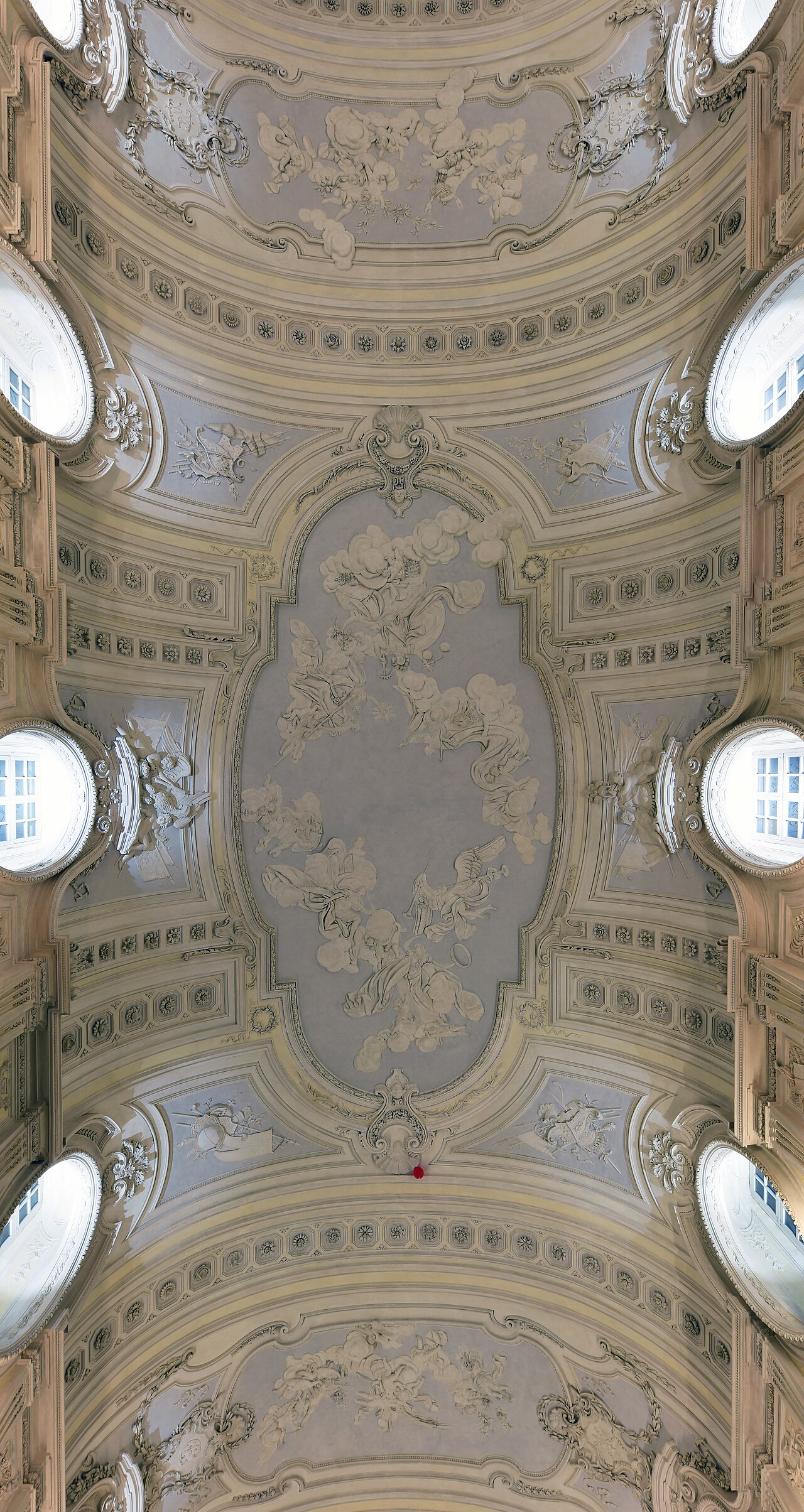
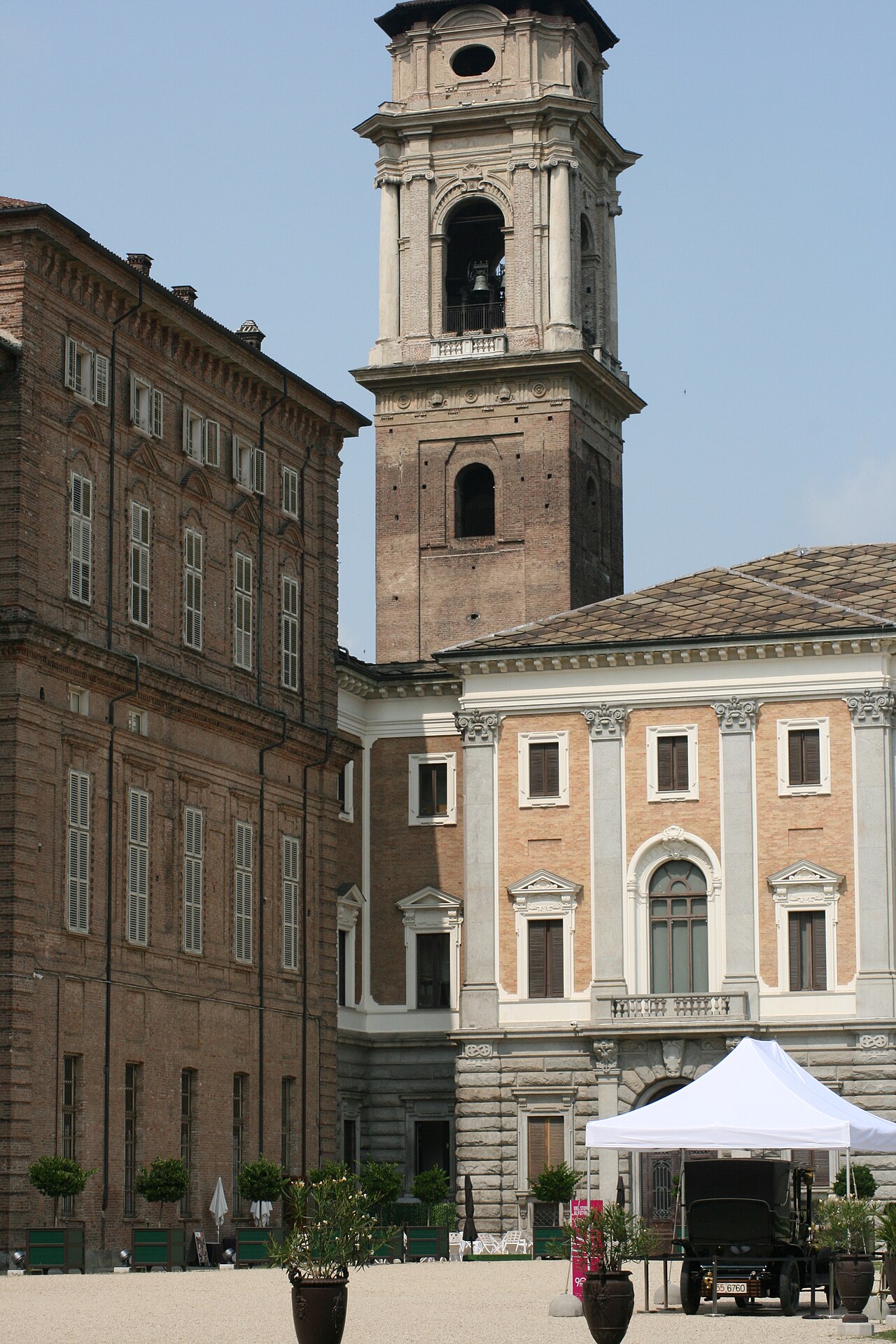
Start at Piazza Castello, the square that has been the centre of power since the House of Savoy made Turin its capital. The Royal Palace of Turin and the Musei Reali fill one side, with the Armoury, the Galleria Sabauda and the Chapel of the Shroud, and a guided visit is the best way to make sense of the rooms. Next door, Turin Cathedral holds the chapel where the Shroud is kept, though the cloth itself is not on regular display. Cross the square to Palazzo Madama, a medieval castle with a baroque facade and a museum of ancient art. Break for coffee at a historic café under the arcades, then spend the afternoon at the Museo del Risorgimento in Palazzo Carignano, where the story of Italian unification begins in a curved baroque building. Finish with an aperitivo on Piazza San Carlo.
Day two: Egypt, the Mole and the river
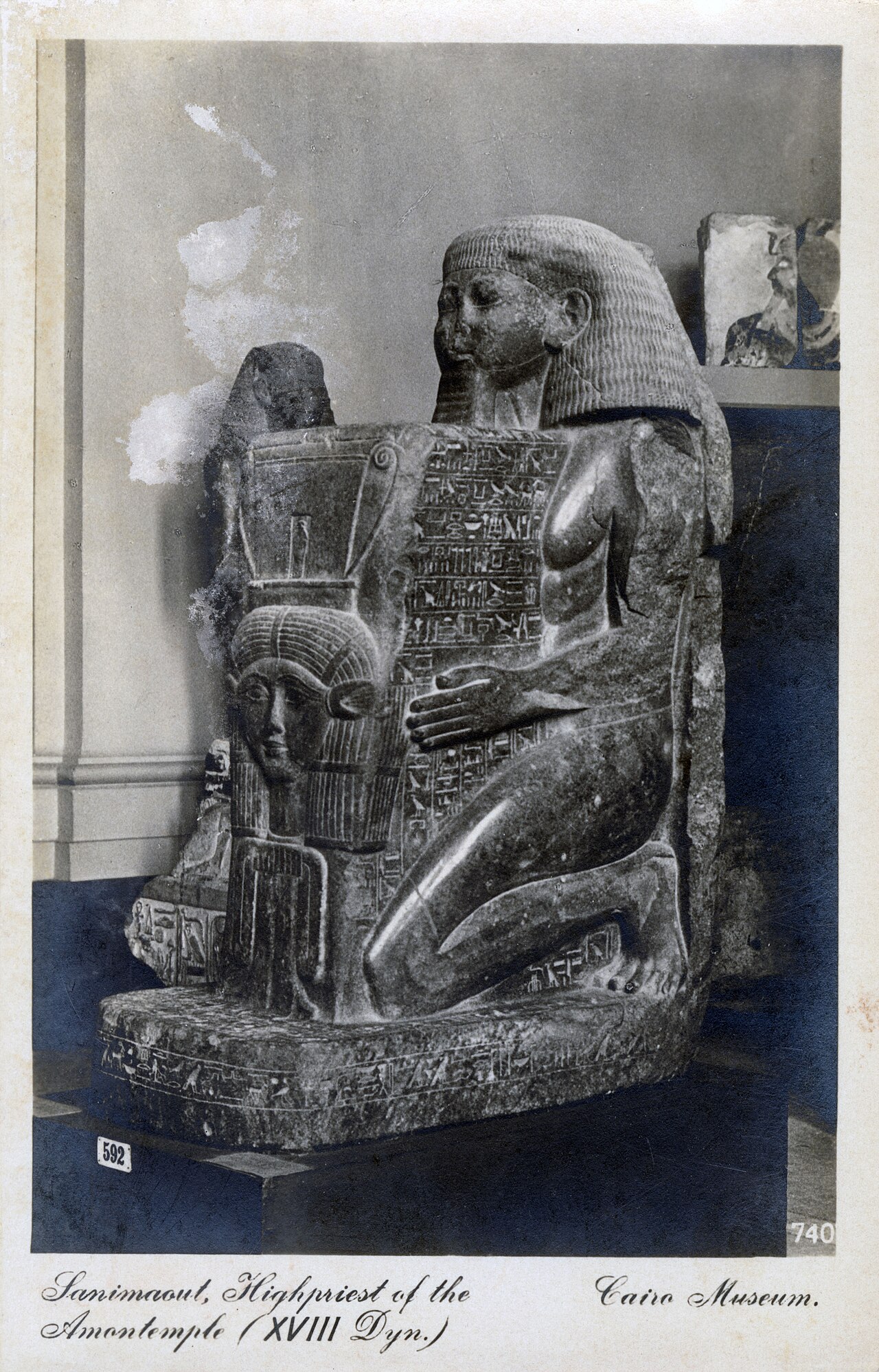
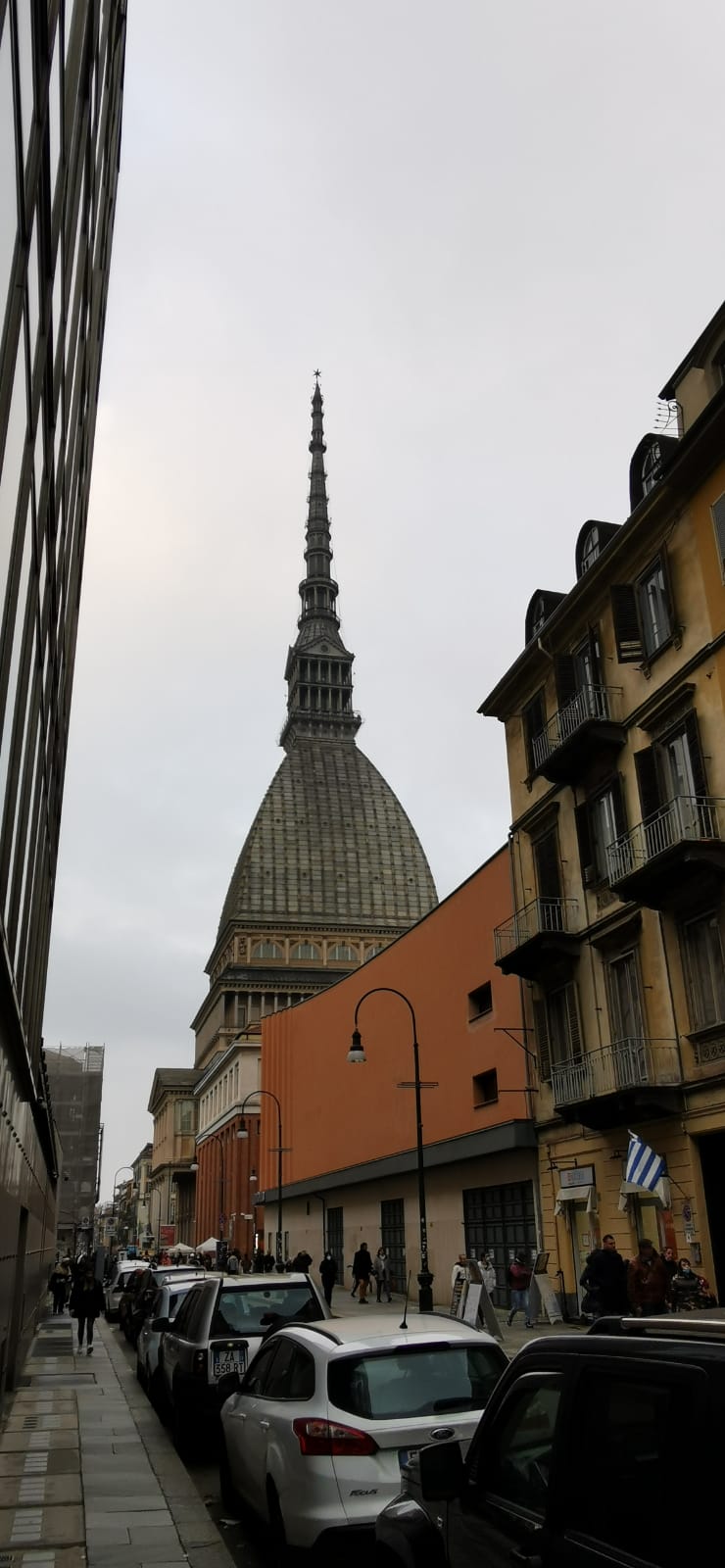
Go early to the Egyptian Museum, the oldest museum in the world devoted entirely to ancient Egypt, and allow at least two and a half hours. In the afternoon, walk down Via Po, one of the longest arcaded streets in Europe, to the Mole Antonelliana, whose glass lift rises through the middle of the National Cinema Museum to a viewing platform above the roofs. Book a lift slot ahead, since capacity is limited. Walk on to Piazza Vittorio Veneto and the River Po, where the riverside bars fill at aperitivo hour. If energy remains, climb to the Villa della Regina for gardens and a view back over the city, though check its weekly closing day first.
Day three: choose your edge of the city
Turin’s best sights beyond the centre pull in different directions, so choose by interest. For palaces, take the bus or a taxi to the Reggia di Venaria Reale, the enormous Savoy residence with its gardens and galleries, which fills most of a day. For a calmer baroque experience, go to Stupinigi Hunting Palace, where Juvarra’s oval salon and the bronze stag on the roof are the highlights. For views, ride the historic rack tramway to the Basilica di Superga, which looks over the city and the Alps from its hilltop, and visit the royal tombs beneath it. For cars and industry, take Metro Line 1 to Lingotto for MAUTO, the national car museum, and pair it with the Fiat Historic Centre. If it rains, the Torino Sotterranea underground tour and Choco-Story are both indoor and easy to fit around a shower.
Closing days and timing
There is no single closing day. The Cinema Museum and the Mole lift close on Tuesdays, and Palazzo Madama is also closed on Tuesdays. The Royal Palace and Musei Reali are usually closed on Mondays, and the Egyptian Museum keeps shorter hours on Mondays. Most museums stop selling tickets about an hour before closing, and many close at lunchtime on certain days, so build your day around the morning for the busiest places. Churches usually pause visits during services.
Getting around
The centre is easily walked, and Metro Line 1 links Porta Susa, Porta Nuova and Lingotto. Trams and buses cover the rest. The rack tramway to Superga runs on a seasonal timetable, so check before you plan around it. Much of the centre is a limited traffic zone, so if you arrive by car, ask your hotel how to register the plate and where to park. The Torino and Piemonte Card can save money if you plan to see many museums, though it pays off only if you keep a fast pace.
Where to eat along the way
Plan lunch in the arcaded streets between Via Roma and the cathedral, and save the larger meal for evening. Try agnolotti del plin, vitello tonnato and, in season, dishes with truffle. Coffee breaks suit a bicerin, the layered drink of coffee, chocolate and cream that Turin invented, and an afternoon sweet might be a gianduiotto, the hazelnut chocolate born here.
Pacing and flexibility
If you want a lighter plan, drop the Villa della Regina and the Museo del Risorgimento from days one and two, and spend the saved time in a café. If you have a fourth day, use it for the Sacra di San Michele or a trip to the wine hills. Keep one evening free for an unplanned aperitivo, because the habit of sitting with a vermouth and a plate of snacks is as much a part of Turin as any palace.