Turin is one of Italy’s great food cities, and it is one of the least showy. Its table grew out of Savoy court cooking, Piedmontese farmhouse tradition and the rich produce of the Langhe hills, and the city’s cafés, chocolatiers and vermouth bars give it a flavour that is unlike Rome or Milan. This guide covers what to eat and drink, how the daily rhythm works and how to fit tastings into a sightseeing trip.
Coffee and the bicerin
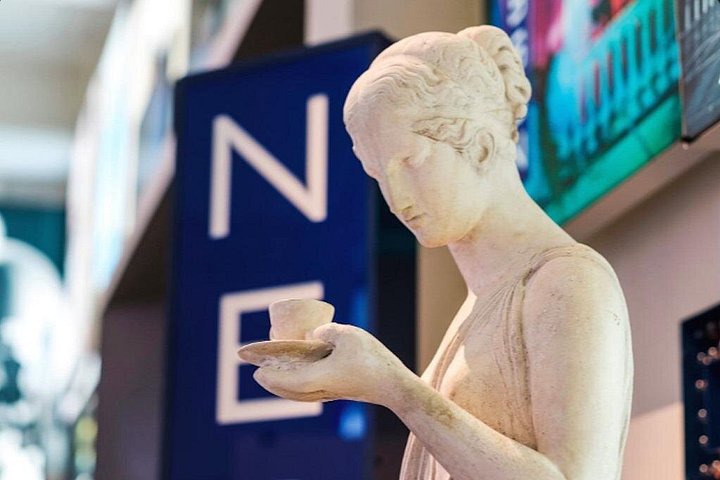
Turin takes its coffee seriously. The signature drink is the bicerin, a small glass of espresso, drinking chocolate and cream served in layers, which you are meant to drink without stirring. It is served in historic cafés with mirrors, wood and marble, and a visit to one is as much about the room as the drink. Coffee culture also has an industrial side: the Lavazza Museum inside the Nuvola headquarters tells the story of the family firm that turned Turin coffee into a global brand, and it ends with a tasting.
Chocolate and gianduiotto
The city is famous for chocolate, and especially for gianduiotto, a smooth hazelnut chocolate shaped like a small upturned boat, developed in the nineteenth century when cocoa was scarce and local hazelnuts filled the gap. Chocolate shops throughout the centre sell it by weight, and many make their own versions. At Choco-Story, a museum and tasting experience, the history of Turin chocolate is told with samples. A walking food tour is a good way to taste several shops in a short time.
Vermouth and aperitivo
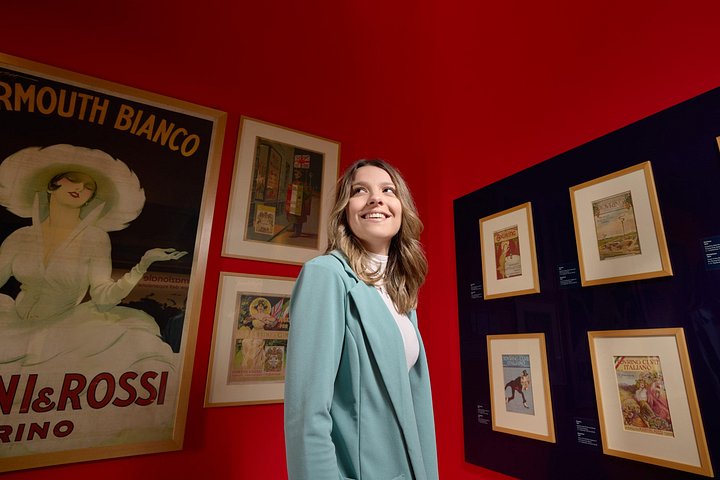
Vermouth was invented in Turin in the late eighteenth century, and the city still treats it as a ritual. Aperitivo in the early evening means a glass of vermouth or a spritz, with snacks that range from small bites to a generous buffet, and it is often the first step of dinner. For the history, visit Casa Martini at Pessione, where a museum and cellar tour end with a tasting. Back in the city, look for historic bars that serve vermouth neat with a slice of orange or on ice.
Piedmontese dishes to try
The classic starters are vitello tonnato, thin sliced veal with a tuna-and-caper sauce, and carne cruda, finely cut raw beef dressed with oil and lemon. For pasta, order agnolotti del plin, small pinched pasta parcels filled with meat, or tajarin, thin egg noodles, often finished with butter and, in season, shaved truffle. Main courses include brasato al Barolo, beef braised in red wine, and bollito misto, a mixed boiled meat dish with sauces, which is a winter favourite. Dessert may be bonet, a chocolate and amaretti pudding, or a panna cotta. Cheeses from the Alpine valleys and a plate of local cured meats make a good light meal.
Wine
Piedmont is home to some of Italy’s best-known reds, including Barolo and Barbaresco, made from the Nebbiolo grape in the Langhe hills south-east of the city, and to lighter, everyday wines such as Dolcetto and Barbera. Many Turin restaurants and enoteche pour them by the glass, which is a good way to explore without committing to a bottle. If you want to see the vineyards, a day trip from Turin to the Langhe is easy to arrange, and the hills turn gold in autumn.
Markets and where to browse
The Porta Palazzo market, one of the largest open-air markets in Europe, is the best place to see local produce, cheese and spices, and it is busiest in the morning. The covered halls around it add fish, meat and flowers. Go early, bring cash for small stalls and keep your bag close, as with any busy market. The nearby Quadrilatero Romano is full of small restaurants and wine bars and works well for dinner.
The daily rhythm
Breakfast is usually coffee and a pastry at the counter, lunch runs from about midday to mid-afternoon, and dinner starts later, often after aperitivo. Many restaurants close one day a week and may close between lunch and dinner, so check hours in advance. Autumn is the season for truffles, mushrooms and game, and winter brings bollito misto and hot chocolate. A table for dinner at a popular spot should be booked, especially on weekends.
A simple tasting day
Start with a bicerin in a historic café, walk through the Porta Palazzo market, take a chocolate stop in the afternoon, then close with aperitivo and dinner. Add Casa Martini or the Lavazza Museum if you want a structured visit.
Eating on a budget
Turin is kind to small budgets. A counter breakfast of coffee and a pastry costs little, many bars serve a good lunch plate at midday, and aperitivo buffets can work as a light dinner. Pizza by the slice, focaccia and market produce fill the gaps. Look for fixed-price lunch menus on weekdays and avoid restaurants with touts on the busiest squares.