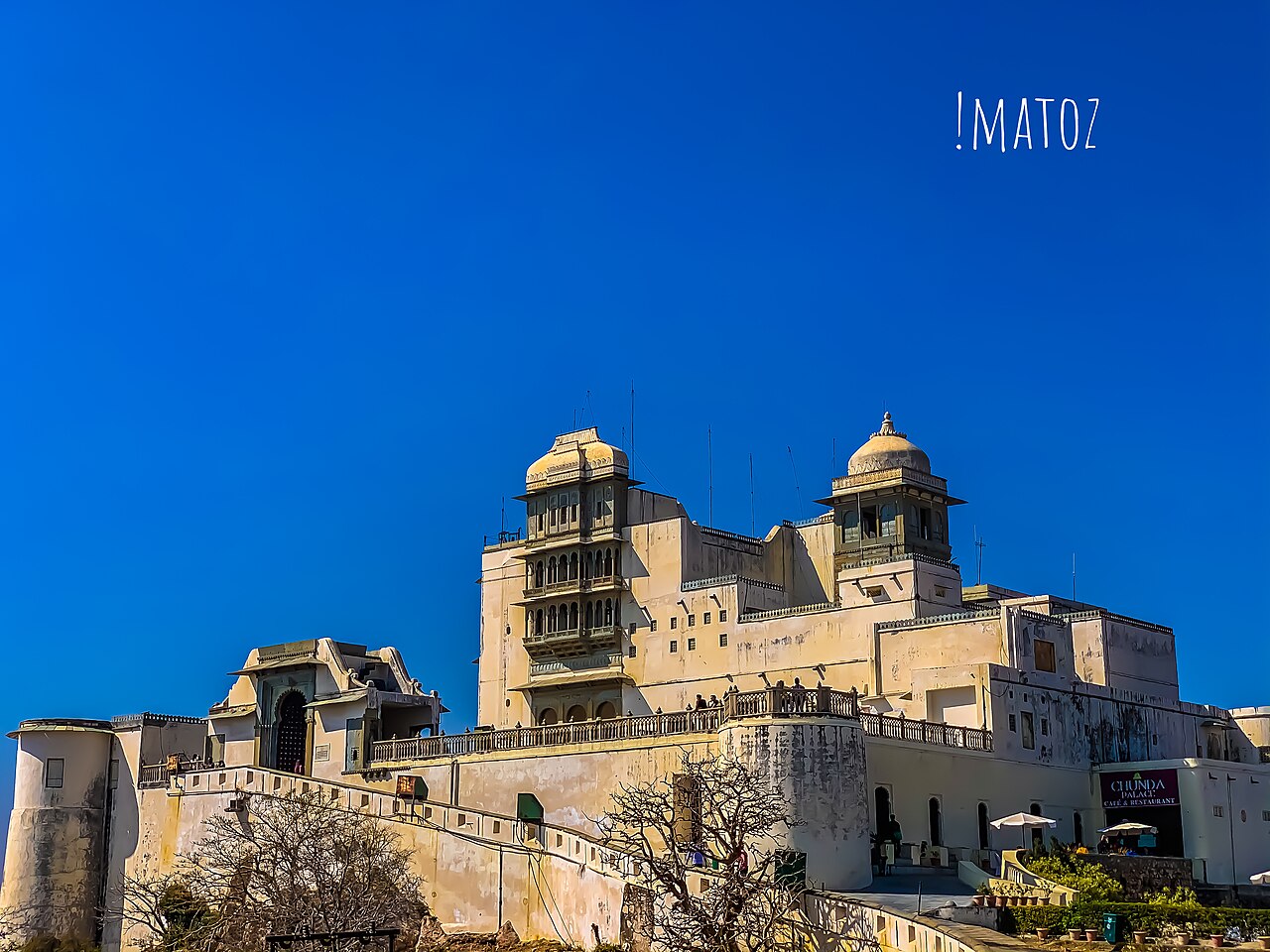
Udaipur is a good city to visit in most months, but each season gives a different trip. The cool months are the most comfortable and the busiest, the hot season is quiet and cheap but demanding, and the monsoon turns the Aravalli hills green and fills the lakes. Here is how to choose.
October to March: the main season
This is the time most people come, and for good reason. Days are warm and sunny, evenings are pleasantly cool, and the sky is usually clear for lake views and sunsets. November and February tend to be comfortable throughout the day, while December and January have chilly mornings and nights when you will want a jacket or a shawl, especially on a boat or on a rooftop after dark. Outdoor sightseeing, day trips and the walk to the Monsoon Palace are all at their easiest. The downside is crowds and price: hotels, boats, dinner tables and drivers book up, so reserve early, and rates rise around the festive weeks and the year-end holidays.
April to June: the hot season
Temperatures climb steeply, and from April to June afternoons can be intense. If you travel then, plan around the heat: do your sightseeing early, rest from late morning to late afternoon, drink lots of water and wear a hat and sunscreen. The lakes can be lower and less photogenic, but the compensation is space, quieter palaces and lower hotel prices, and a swim at a hotel pool is a real pleasure. Early evening boat rides and rooftop dinners are still lovely once the sun drops. Day trips are the hardest part of a summer visit, so choose a shorter excursion or start at dawn.
July to September: the monsoon
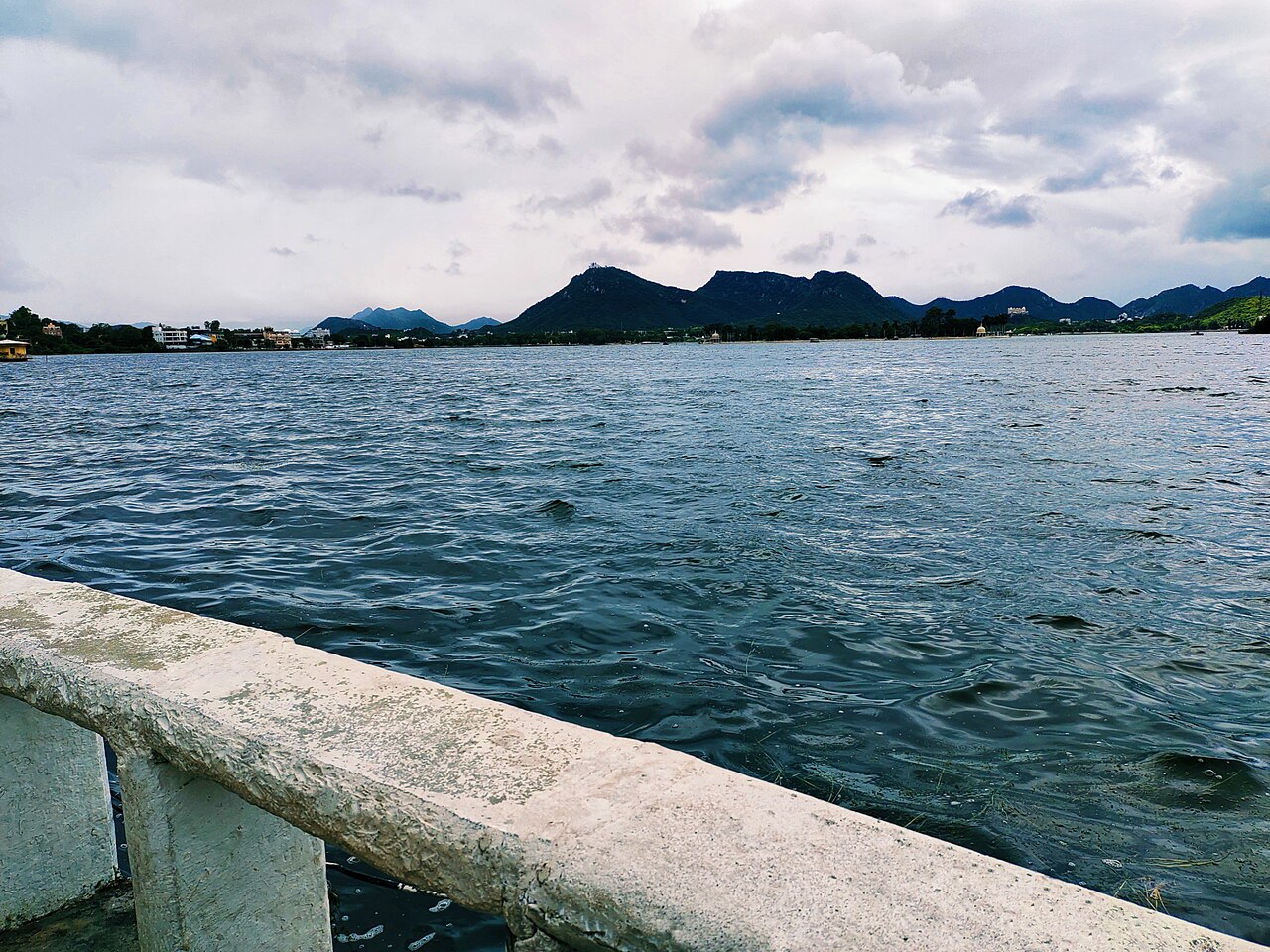
The rains arrive in the summer months and change the city. The hills turn green, the lakes fill and the cloud-wrapped view from the Sajjangarh (Monsoon) Palace is the reason the building was conceived. Rain tends to come in bursts rather than all day, so you can still sightsee, though you should carry an umbrella and expect humid air. Prices are lower, crowds thin out and the landscape is at its most photogenic. Bring waterproof shoes, allow extra time for roads, and check conditions before a long drive or a trek up to a fort, since wet paths can be slippery and visibility can drop.
Festivals
Udaipur’s festival calendar adds colour, and it also affects crowds. Holi in spring is exuberant, with bonfires and coloured powder, and visitors should wear clothes they do not mind staining. Gangaur, a spring festival for the goddess Gauri, is marked in Udaipur with processions to the lake, and the Mewar Festival is built around it, with music, dance and lakeside events. Diwali in autumn fills the ghats with lamps, brings fireworks and family crowds, and pushes prices up, while some shops and services close for a day or two. Festival dates move each year with the lunar calendar, so check them when you plan, and book hotels early if your trip overlaps one.
Our recommendation
If you can choose, aim for late October to early March, and for the weeks either side of the big festival days rather than the peak days themselves. If you are watching the budget or love green landscapes, go in the monsoon and accept some rain. If heat does not bother you and you want the city almost to yourself, the summer months are workable with a siesta-based routine.
What to pack
For the cool season, bring light layers with a warm jacket for evenings. For summer, loose cotton, a hat, sunglasses and plenty of sunscreen. For the monsoon, a light rain jacket, quick-dry clothes and shoes with good grip. In every season, carry clothes that cover shoulders and knees for temples, and remember that you will remove shoes often, so socks you can slip off are a good idea in winter.
Planning around the weather
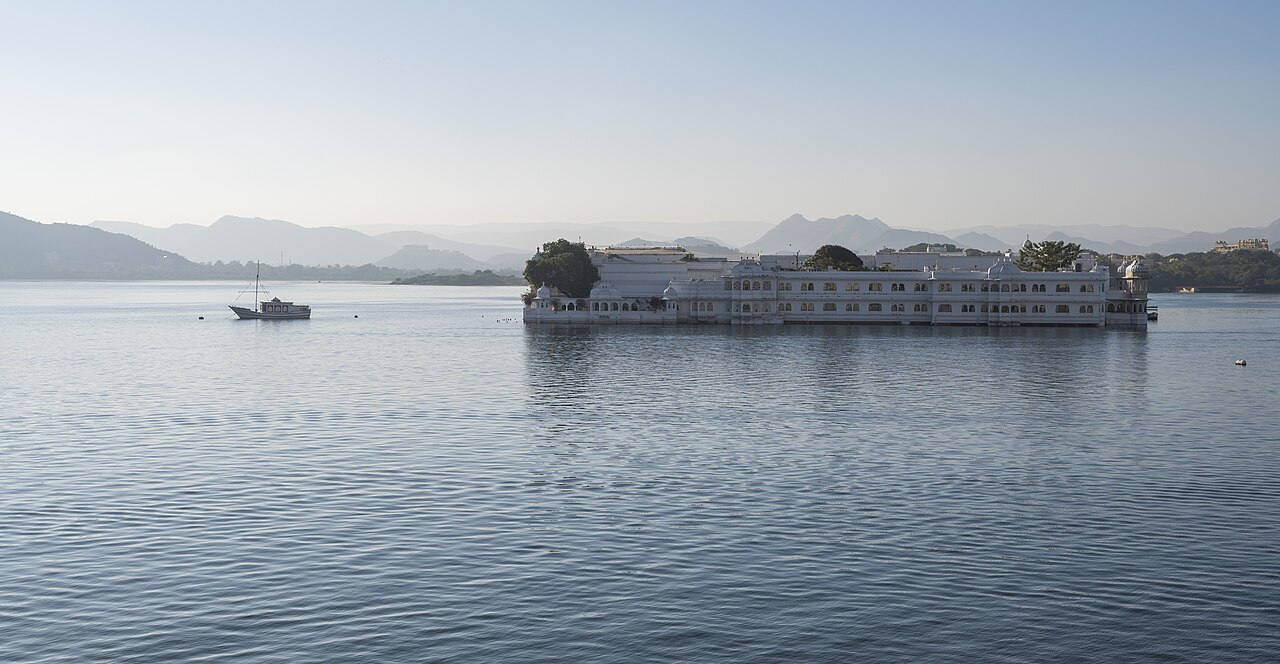
In any season, the early morning is the best time for walking the old city and visiting the palaces, and the late afternoon is the best for the lakes. Check the forecast before booking a boat ride or the Monsoon Palace, since cloud or haze can dull the view, and keep an indoor option such as the City Palace museum or a cooking class ready for rainy or very hot days.