Udaipur sits in the Aravalli hills with some of Rajasthan’s greatest forts and temples within a day’s drive. Roads are decent but slow, journey times are longer than the distances suggest, and a private car with a driver is the usual way to go. Here are the day trips worth your time, with a recommendation on how to choose.
Kumbhalgarh Fort and Ranakpur: the best day out
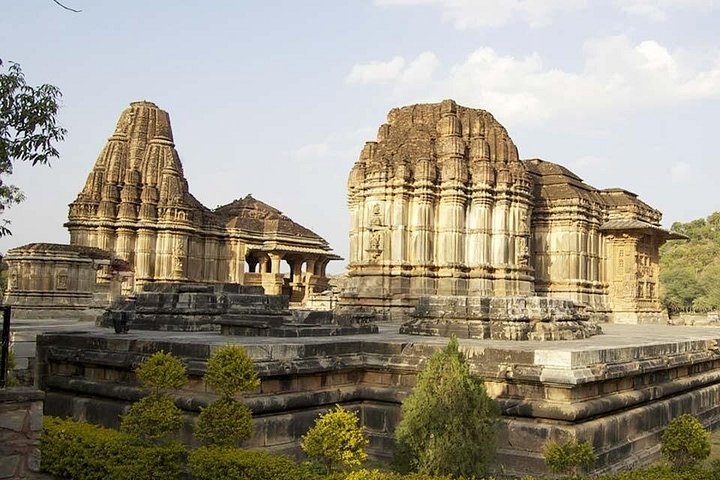
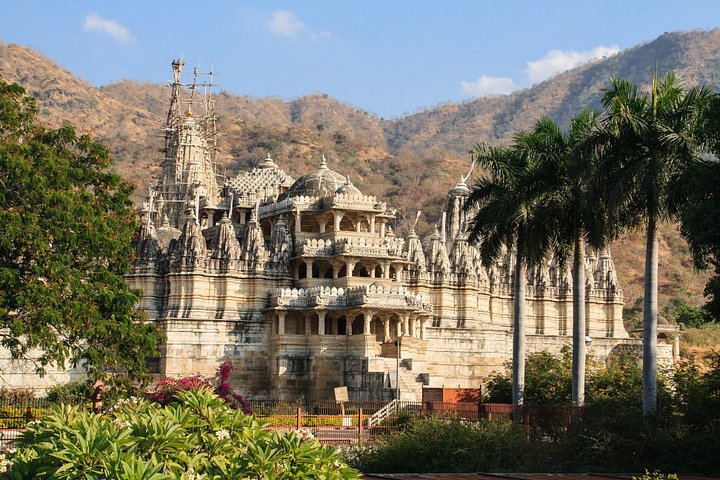
Kumbhalgarh is a mountain fortress about 85 to 90 kilometres from the city, built in the fifteenth century under Rana Kumbha and surrounded by a rampart often described as one of the longest continuous walls in the world. The fort and its fellow hill forts of Rajasthan are recognised as a World Heritage Site. Visitors wander through gates, palaces and temples and look out across ridge after ridge of hills. The nearby Ranakpur Jain Temple, also fifteenth century, is a hushed marble complex dedicated to Adinath, famous for its many carved pillars, said to be no two alike in design. Together they make a rewarding, varied day: a stone fortress in the morning and a quiet temple after. Cover shoulders and knees for the temple, remove shoes at the door, and check the hours for visitors who are not Jain worshippers, since the interior is open to them only for part of the day. The trip is long, so leave early.
Chittorgarh Fort: for history lovers
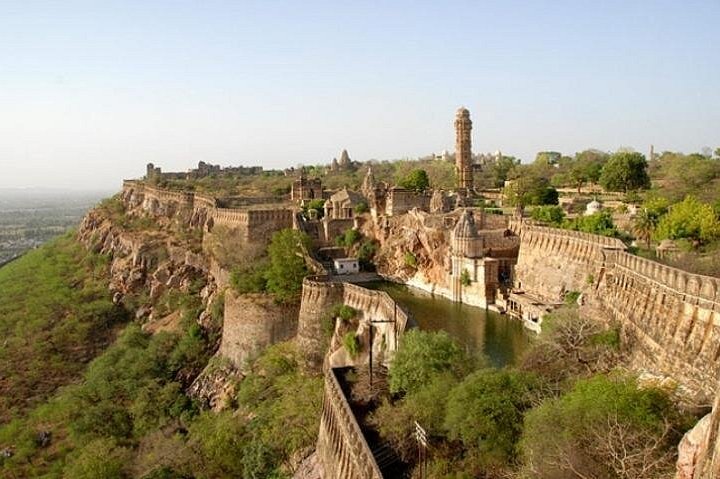
Chittorgarh, about 110 to 120 kilometres from Udaipur, is the largest fort in India by area and part of the same World Heritage group. Its plateau holds palaces, temples, reservoirs and two famous towers, the Vijay Stambh and the Kirti Stambh. It is also the site of a famous history of sieges that is central to Mewar’s story, and a guide helps bring it to life. The fort is huge and best explored by car or auto-rickshaw from point to point, and it is the better choice if you prefer ruins and stories to scenery. Allow a full day and plenty of water.
Eklingji, Nathdwara and Haldighati: a shorter outing
If you want something lighter, a half-day or full-day loop north of the city can combine Eklingji, the temple complex that is sacred to the Mewar rulers, with Nathdwara, a major pilgrimage town for the deity Shrinathji, and the battlefield of Haldighati, where Maharana Pratap fought in 1576 against the Mughal army. Eklingji and Nathdwara are active temples, so expect crowds, restrictions on phones and cameras inside, and a devotional atmosphere. Haldighati has a small museum and a memorial to Pratap’s horse, Chetak, as well as rose-growing country around it. It is a good day for those interested in Mewar history and living religion more than in architecture alone.
Closer to home
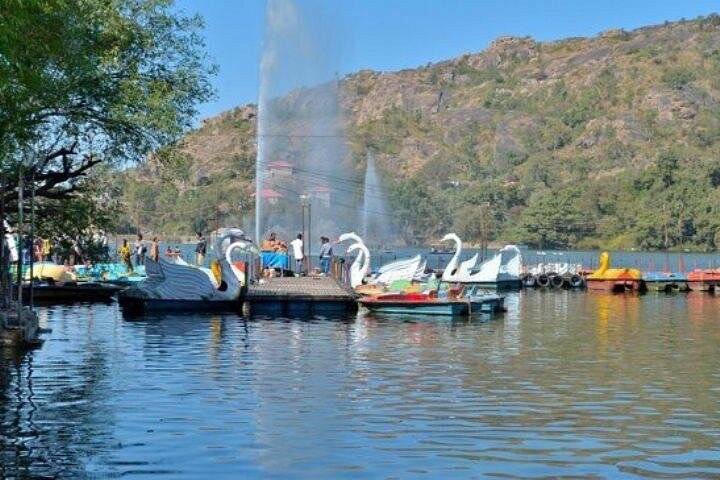
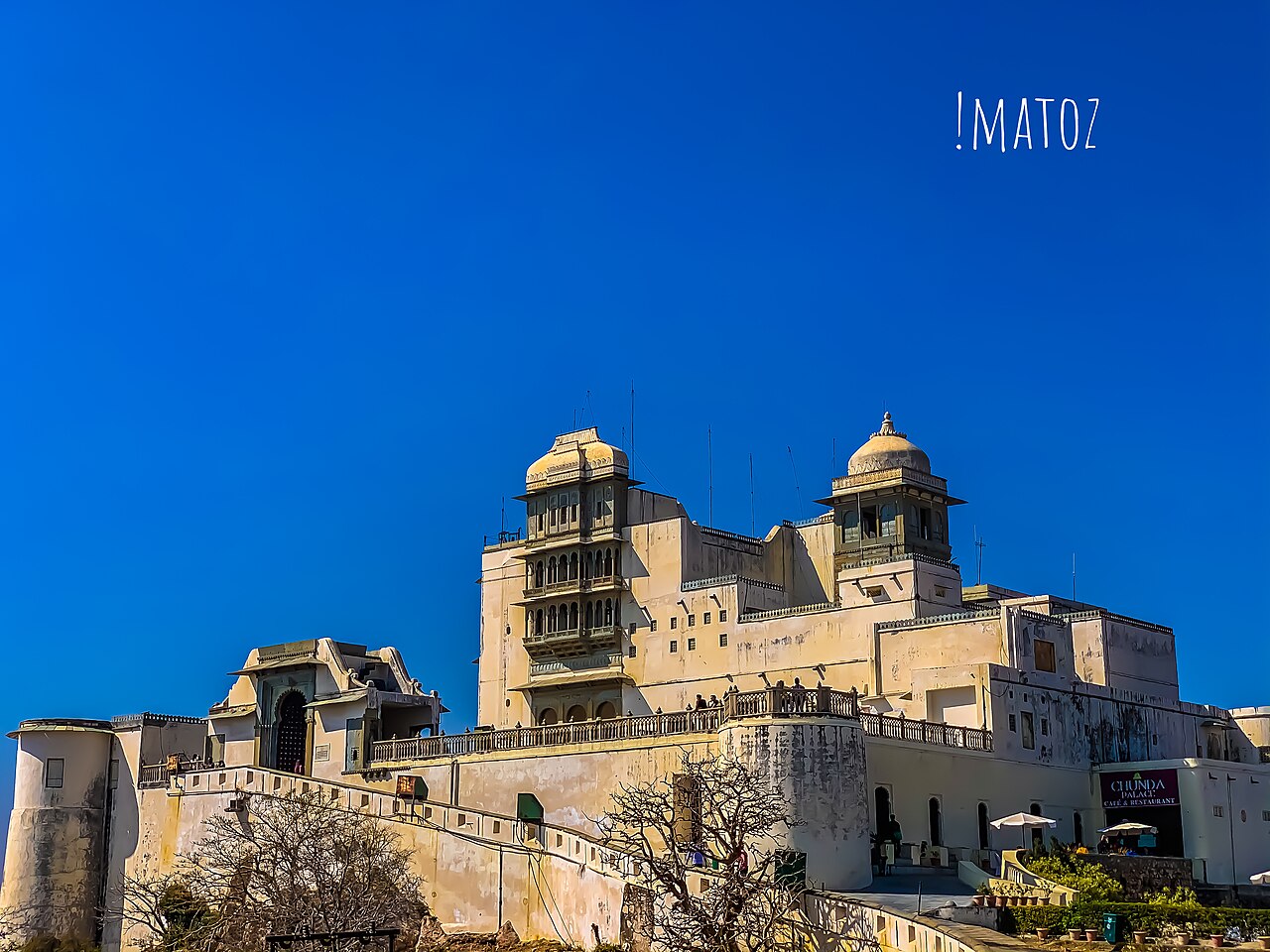
For a gentler half day, the lakes and hills around the city offer plenty: the Monsoon Palace on its hilltop, the gardens of Saheliyon-ki-Bari and a promenade at Fateh Sagar are all within a short ride. Tours of nearby villages and countryside on foot or by bicycle are also an option for those who want rural Rajasthan rather than another fort.
How to choose
With one day, take Kumbhalgarh and Ranakpur. With two, add Chittorgarh as a separate day or combine it with an overnight en route to another city. If you are travelling on to Jodhpur or Jaipur, Ranakpur and Kumbhalgarh can be done on the way if you have a driver. If you are short of energy, Eklingji, Nathdwara and Haldighati are the least tiring of the three plans.
Practical advice
Start by about eight in the morning to beat the heat and the traffic. Agree what the price includes, such as entry fees, a guide, tolls, parking and lunch, before you set off, and carry rupees in small notes, because entry tickets at forts and temples are generally paid on arrival. Wear sturdy shoes for fort stairs and uneven paths, and bring water, sunscreen and a hat. In the monsoon, check conditions first, since mountain roads and slippery fort paths need more care. Allow time at each stop, because the drive is part of the day and the countryside, with its small villages, fields and roadside tea stalls, is half the pleasure.