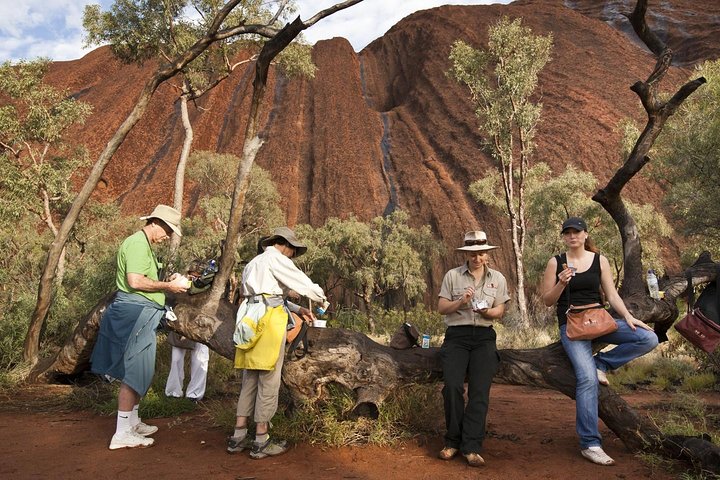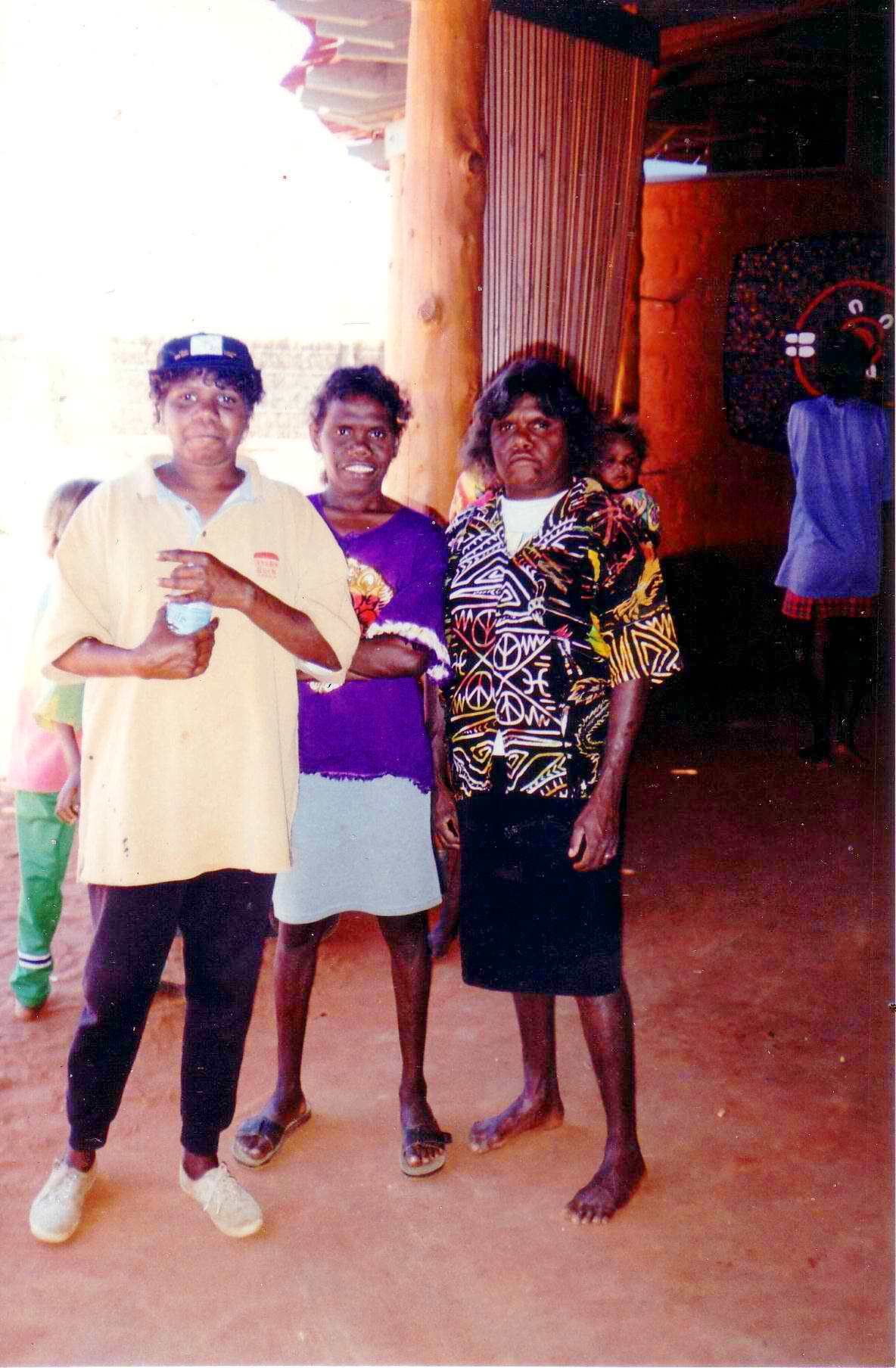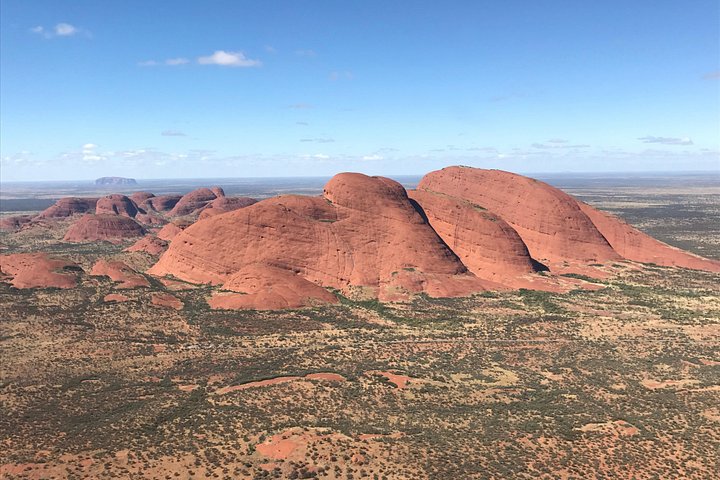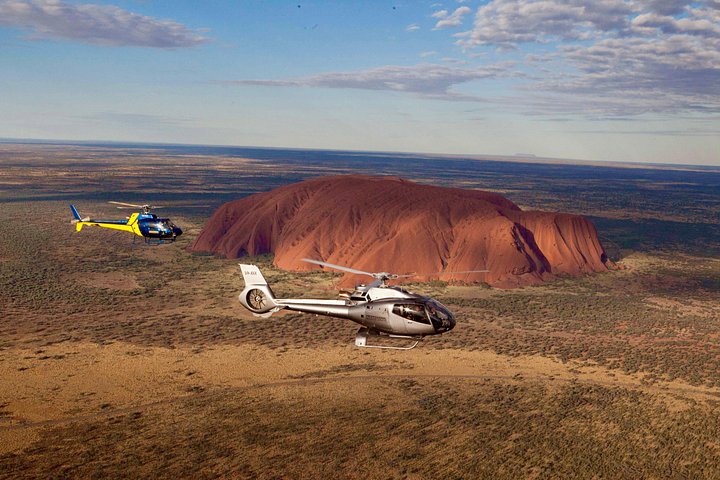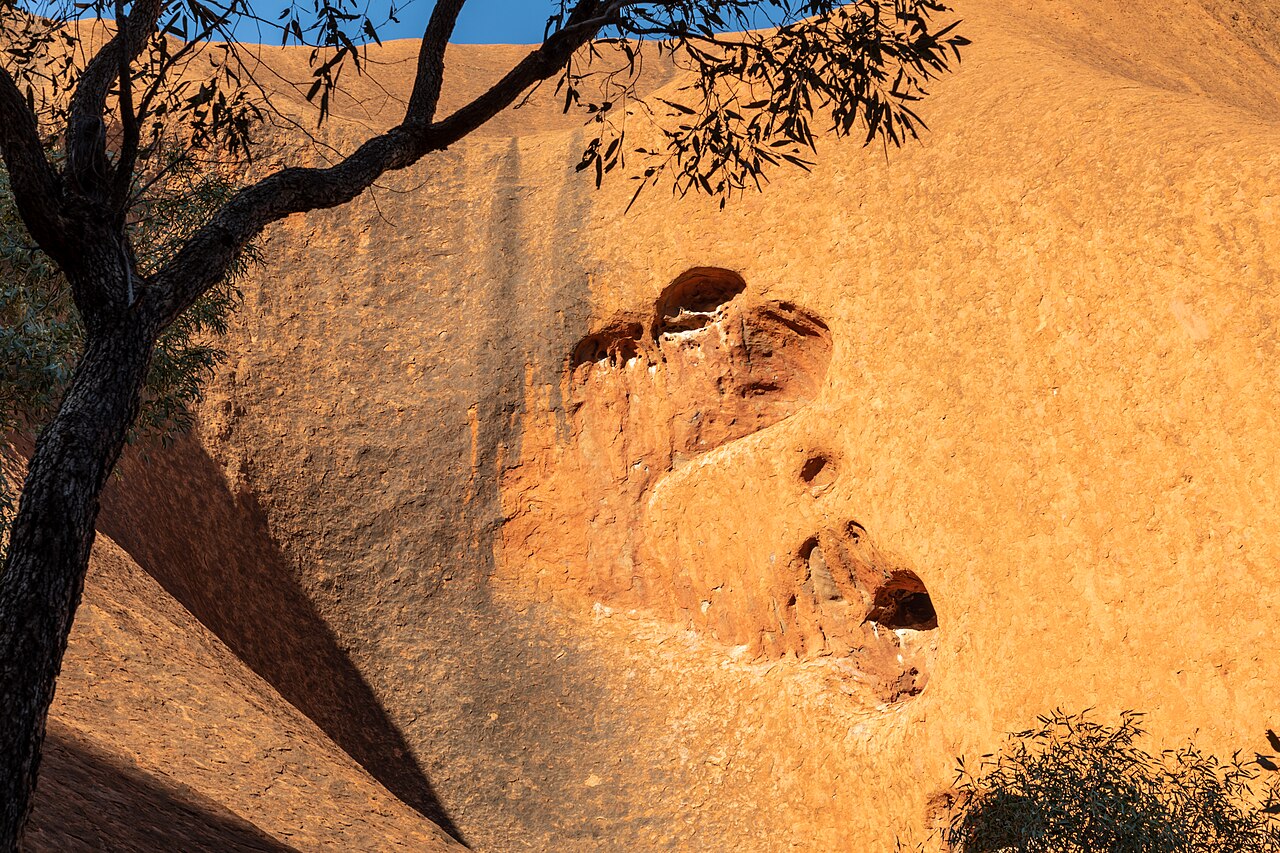
Talinguru Nyakunytjaku is the main sunrise viewing area for Uluru, set on a sand dune on the north-eastern side of the rock with a clear line of sight across the desert to both Uluru and, on a good morning, Kata Tjuta. The area has shelters, viewing platforms, water, toilets and a picnic area. Two short wheelchair-accessible walking tracks, the Minymaku Walk for women's work and the Watiku Walk for men's work, explain how Anangu used the landscape, with interpretive panels on bush foods, children's games, tool-making and hunting with fire. They are loops of about one kilometre and one and a half kilometres, which is roughly thirty and forty-five minutes at a gentle pace. At dawn, the platforms are usually busy, and you will want to arrive early to secure a spot. At sunset the area is typically much quieter, and you may have it almost to yourself. It is about thirty-five minutes by road from Yulara, and it costs nothing beyond your park pass.
Getting it right
For the best view, follow the lower track to the second shelter, where a tree can be included in sunrise or sunset photographs and Uluru and Kata Tjuta are visible without obstruction. If the main platforms are crowded at dawn, walk the tracks instead and you will find your own quiet space. The light is magical as the first rays hit the rock and the colour shifts from deep red to orange.
Practical points
It is a long, early drive from Yulara, so if you are not on a tour, leave well before dawn and allow for the drive in the dark. Take a jacket, because the pre-dawn desert is cold, plus water and a hat. Drones are not permitted in the park, and visitors are asked to respect the quiet of the area. Facilities include water, toilets and a picnic area.
Fitting it in
This is the best free way to watch Uluru change colour, and it combines well with a base walk or a visit to the Cultural Centre. Families will like the short loops and the accessible tracks. If you prefer a guided tour with transfers, a small-group sunrise or sunset tour will take you to a similar spot, but the viewing area is easy to manage independently if you have a car. Check the daily sunrise and sunset times, and arrive at least forty-five minutes ahead of sunrise to find a good place.
What to expect
The experience
A dune-top viewing area with shelters, platforms and two short interpretive loops, open to anyone with a park pass.
Best time
Sunrise for the classic colour change, or sunset when it is much quieter.
How long
One to two hours, including the short Minymaku and Watiku walks.
Tips
Arrive well before dawn, follow the lower track to the second shelter, bring a jacket and water, and leave drones at home.
Quick picks
- Best for
- Budget-minded visitors and photographers after the classic sunrise view.
- Families
- Excellent, with short, accessible loops and facilities.
- Couples
- Quiet at sunset, with a clear view of Uluru and Kata Tjuta.
- Pair with
- The base walk or the Cultural Centre afterwards.
- Time needed
- One to two hours.
Good questions
How far is it from Yulara?+
It is about thirty-five minutes by road. If you drive yourself, leave well before dawn and allow extra time in the dark.
Is it free?+
There is no separate charge, but you need a park pass to enter the park. Children and teenagers under 18 enter free.
Is it accessible?+
Yes. The area is listed as wheelchair accessible, and both the Minymaku and Watiku walking tracks are wheelchair accessible.
What are the walking tracks?+
The Minymaku Walk is a one kilometre loop on women's work, and the Watiku Walk is a one and a half kilometre loop on men's work. Together they total about two and a half kilometres.
Is sunrise or sunset better here?+
Sunrise is the classic view but the platforms are busy. Sunset is typically much quieter, with similar colour on the rock.