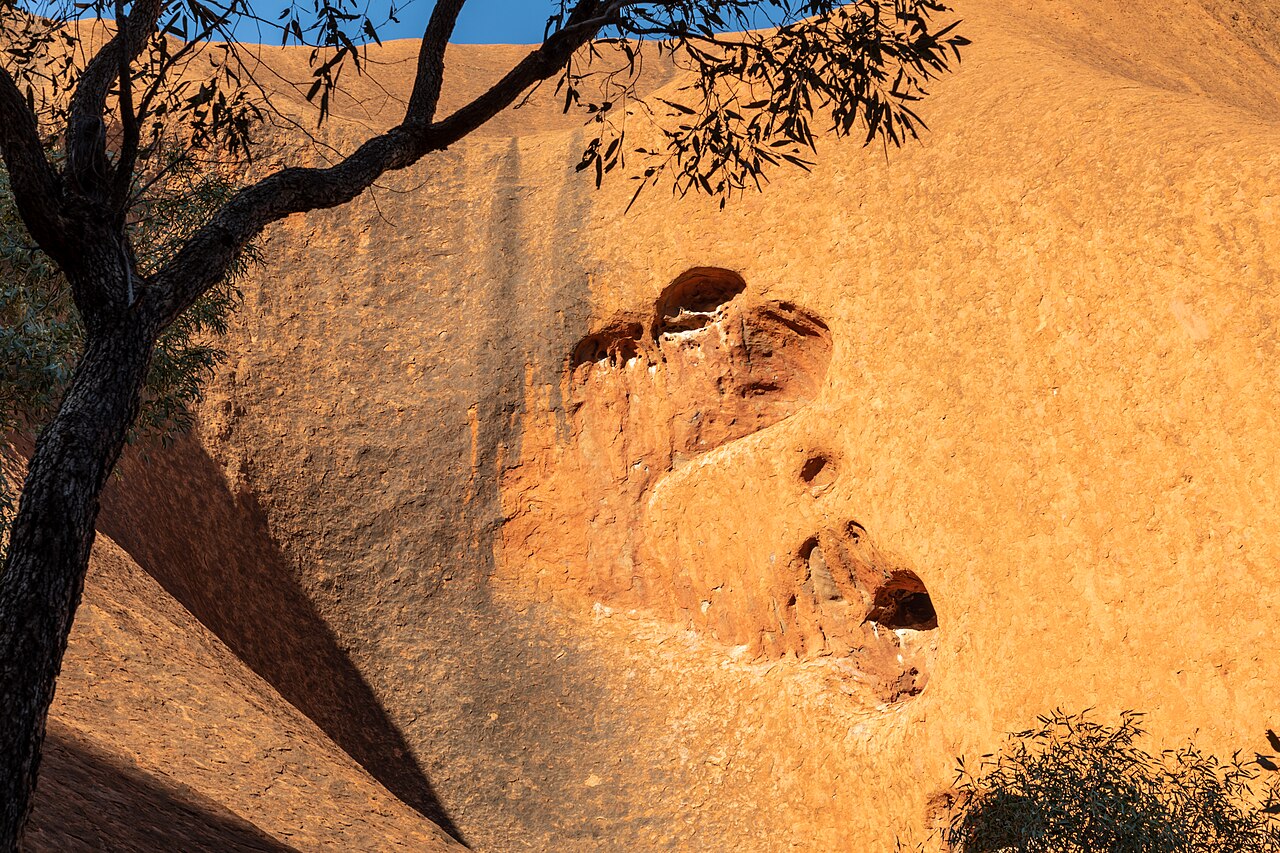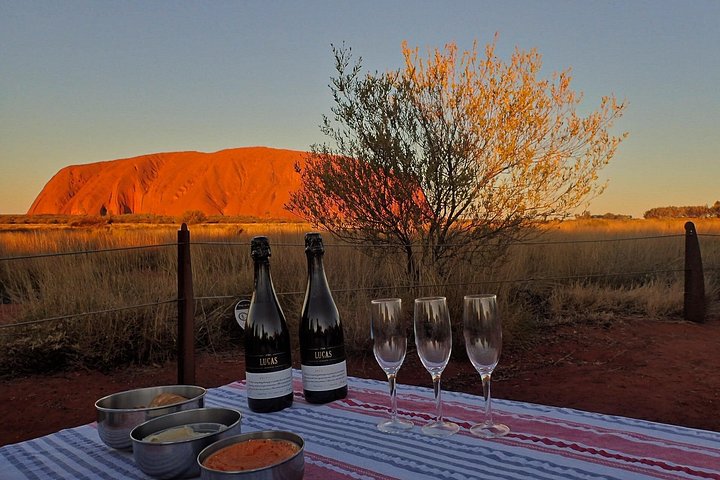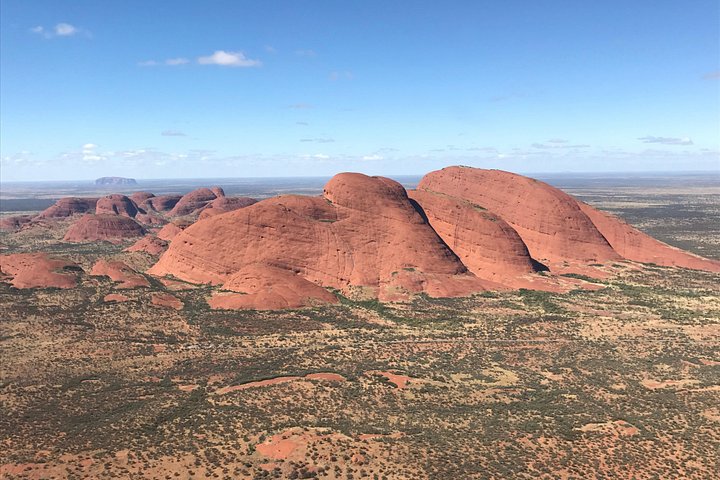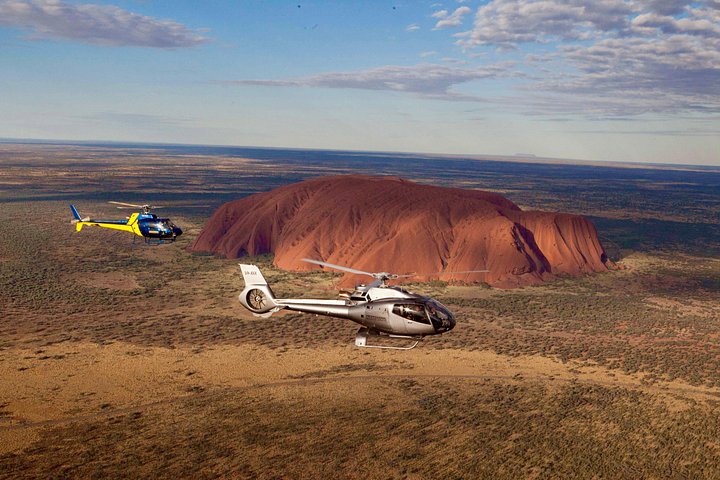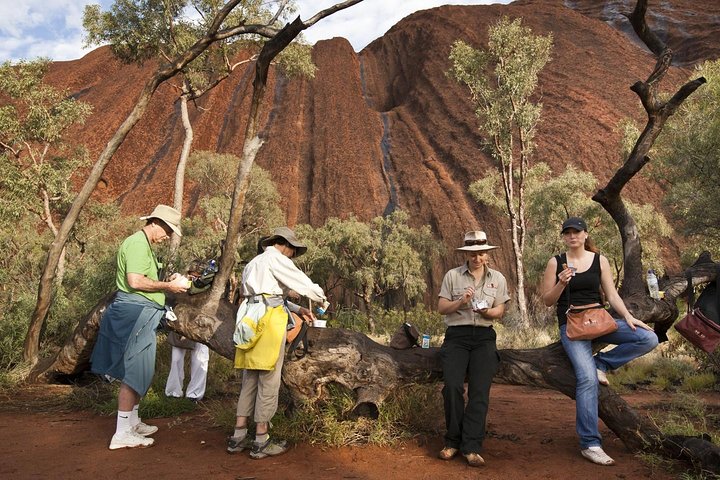
Walking around the base of Uluru is the most rewarding thing you can do here, and doing it at sunrise, in cool air and soft light, makes it even better. The full loop is about ten to twelve kilometres and takes several hours, and it passes waterholes, caves, rock art and the folds and scars of the sandstone that look very different close up from the postcards. This small-group tour, limited to fifteen travellers, collects you from your Ayers Rock Resort accommodation before dawn in an air-conditioned minibus, drives to the park and starts the walk just before sunrise. Your guide shares Tjukurpa, the Creation stories, and explains what you are seeing, and the stops include waterholes, rock-art sites and the Mala walk to Kantju Gorge. A light picnic breakfast with tea or coffee is served along the way. The whole outing takes about six hours including transfers. It is a long morning on foot, but the track is mostly flat, and a guide takes the pressure off navigation and the early start.
Why go with a guide
The base walk can be done on your own, but you will get far more from it with someone who can explain which places are sacred, why some areas ask you not to take photographs and what the stories at each site mean. Guided groups also solve the logistics, with hotel pickup, the driving and breakfast. Check whether the park pass is included in your booking, because tour pages sometimes describe the fee differently; it is payable separately by adults who do not already hold a pass.
How it feels
The walk is long but steady, with the rock always beside you. The northern and eastern sides are the most dramatic in the early light, and the waterholes are surprisingly green. Take water, a hat, sunscreen and comfortable shoes, and layers for the cold start. In the hotter months, tracks can close in the afternoon, which is another reason to go at dawn.
Fitting it in
This is a half-day activity that leaves the afternoon free for the Cultural Centre or a rest by the pool. It suits fit walkers of most ages, including older children who enjoy a long walk, but anyone with limited mobility may prefer the shorter Mala walk or a viewing-area visit. Pair it with a sunset tour on the same day if you have only one day, though many guests prefer to spread the experiences over two.
What to expect
The experience
A small-group guided walk around the full base of Uluru starting just before sunrise, with a picnic breakfast and stories from the guide.
Best time
Sunrise, when the air is cool and the light is soft; essential in summer, when tracks close later in the day.
How long
About six hours including the hotel transfers, with the walk itself taking around three and a half to five hours.
Tips
Wear sturdy shoes and layers, carry plenty of water, check whether the park pass is included and follow your guide on where not to take photographs.
Quick picks
- Best for
- Active visitors who want to understand Uluru rather than just look at it.
- Families
- Suits older children who are used to long walks; younger ones may find it too long.
- Couples
- A quiet, memorable start to the day, with breakfast on the trail.
- Pair with
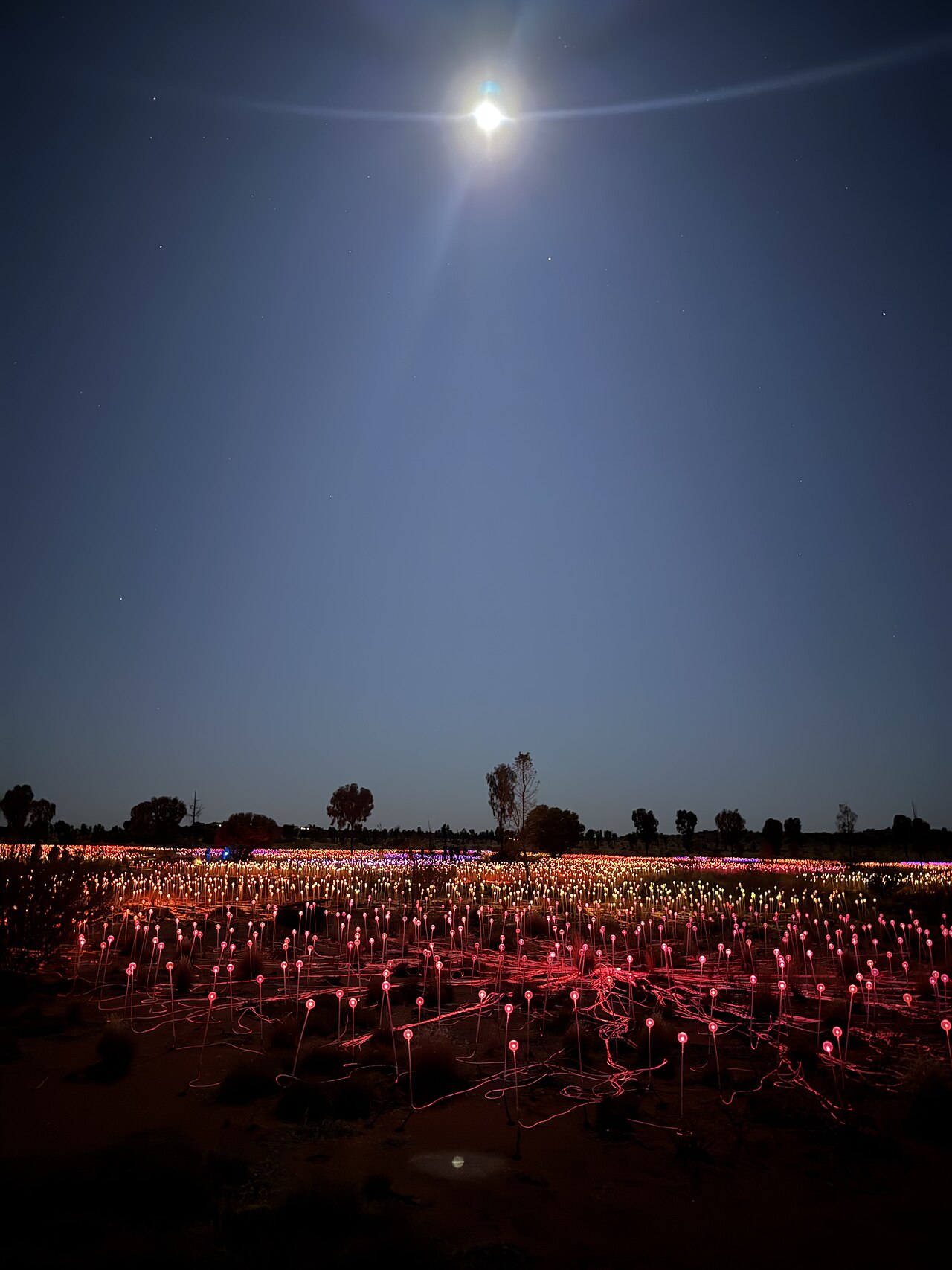
- The Cultural Centre in the afternoon and a sunset tour or Field of Light in the evening.
- Time needed
- Plan on a morning, from about an hour before dawn until late morning.
Good questions
How long is the Uluru base walk?+
The full loop is roughly ten to twelve kilometres. It takes about three and a half hours or more at a steady pace, with stops at waterholes and rock-art sites.
Is breakfast included?+
Yes, a light picnic breakfast with tea or coffee is provided along the way. Hotel pickup and drop-off at Ayers Rock Resort are also included.
Is the park pass included?+
The tour page describes the fee in more than one way, so check the inclusions at booking. Adults need a park pass, which is valid for three days.
Is it too hot to walk?+
In the cooler months, no. In summer the walk should be finished by late morning, and some sections close in the afternoon, which is why a sunrise start is best.
Are there places I should not photograph?+
Yes. Some sites are sacred and signs ask visitors not to take photographs. Your guide will point them out, and everyone should follow the signs.