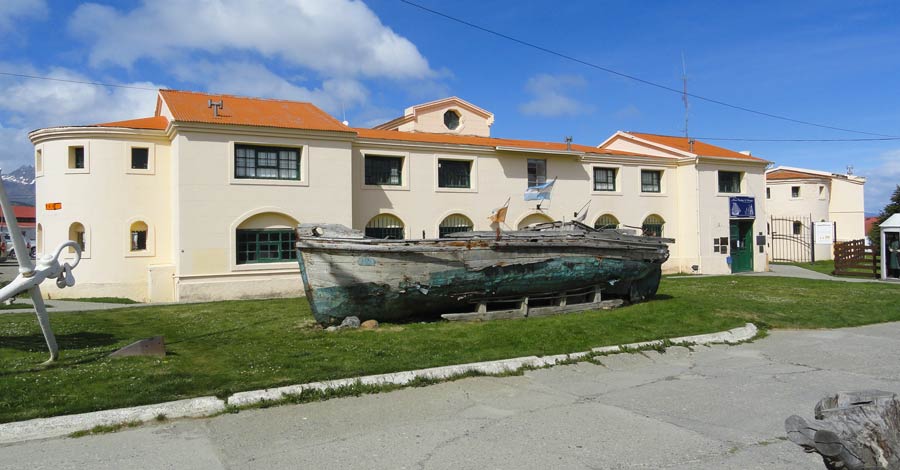
The Maritime and Prison Museum occupies the former Presidio, the prison that operated from 1896 until its closure in 1947 and held dangerous criminals as well as political prisoners. The museum opened in 1995 inside the old cell blocks on the naval base, and it brings together four museums under one roof: the prison itself, a maritime museum, an art gallery and a marine art museum. Long corridors of cells hold displays on prison life, famous inmates and the prison labour that cut timber, built roads and shaped the early town. Another wing covers the history of navigation in the far south, from Magellan and the Yamana people to gold prospectors, sealers and pioneers, with ship models, maps and old engravings. There is also a full-size replica of the lighthouse at the end of the world, a library and an art collection. The museum is open daily from 10:00 to 20:00 with last admission at 19:30, and a ticket is valid for two consecutive days. We link to the museum's own site for current details.
Allow time, because the museum is large and rewards a slow visit. Start with the prison wing, where a central corridor leads through long rows of cells, some with figures and personal stories, and where the bare stone and iron give a real sense of life here. Wall panels explain the system, the climate, the work gangs and the link to the early railway. Then move through the maritime displays, which place Ushuaia in a wider story of exploration and survival in some of the most difficult seas in the world.
A few practical points help. Tickets are sold only at the museum and reservations are not accepted, so you simply turn up. A ticket covers two consecutive days, which is useful because the museum is too big to see in one go, and rates change from year to year, so check the current price on the museum's site. Children under twelve with an adult enter free. Audio guides are available, so ask at the desk about languages. Wear comfortable shoes, as the floors are stone and hard on the feet.
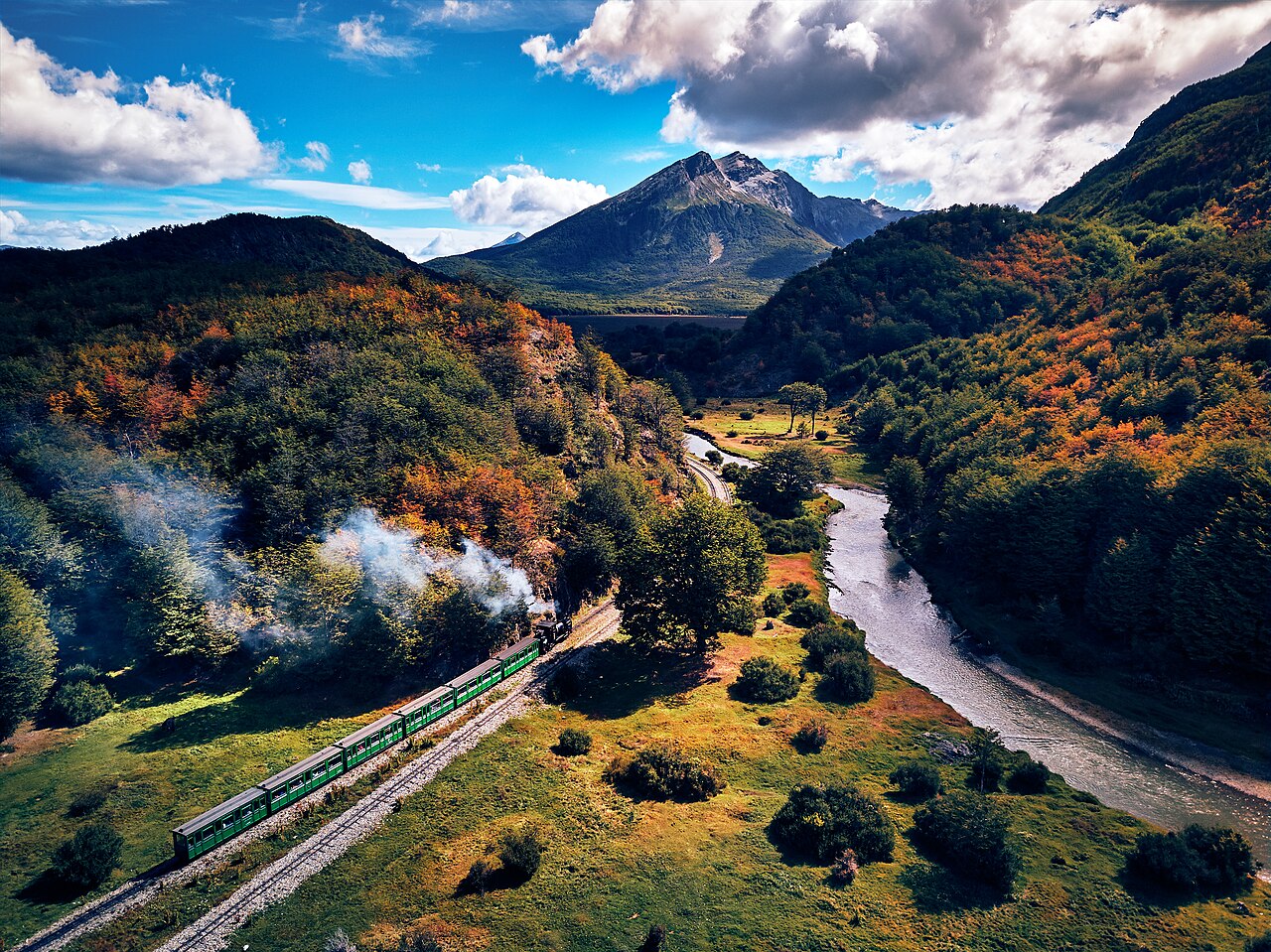
Fit it into your trip sensibly. The museum is a short walk from the waterfront, so it combines easily with a stroll along the main street, a coffee and a look at the pier. It is also the best choice for bad-weather days, and a fine contrast to a morning on the trail. Pairing it with a ride on the End of the World Train gives a clear picture of how the prison, the railway and the town developed together.
What to expect
The experience
A self-guided visit through the old prison cell blocks and galleries covering prison history, navigation, Antarctic exploration and marine art.
Best time
Arrive in the late morning or early evening to avoid cruise-ship groups; it is also ideal in rain.
How long
Two to three hours, and the ticket is valid for two consecutive days if you want to return.
Tips
Tickets are sold at the museum only, with no reservations; check the current price on the museum's site and wear comfortable shoes.
Quick picks
- Best for
- Anyone curious about Ushuaia's convict past and polar history.
- Families
- Older children enjoy the cells and ship models; children under twelve with an adult enter free.
- Couples
- A quiet, absorbing indoor outing when the weather is poor.
- Pair with
- The End of the World Train, to follow the prison story outdoors.
- Time needed
- Two to three hours, or split over two days.
Good questions
What is the museum's history?+
It occupies the former prison, which operated from 1896 to 1947, and opened as a museum in 1995. It now houses prison, maritime and art collections.
What are the opening hours?+
The museum is open daily from 10:00 to 20:00, with last admission at 19:30. Check its site before you go in case of changes.
Can I buy tickets online?+
No, tickets are sold only at the museum and reservations are not accepted. A ticket is valid for two consecutive days.
Is it good for children?+
Yes for older children, who often enjoy the cells and ship models. Children under twelve with an adult enter free.
How long should I allow?+
Two to three hours covers the highlights. Use the two-day ticket if you want to see everything.