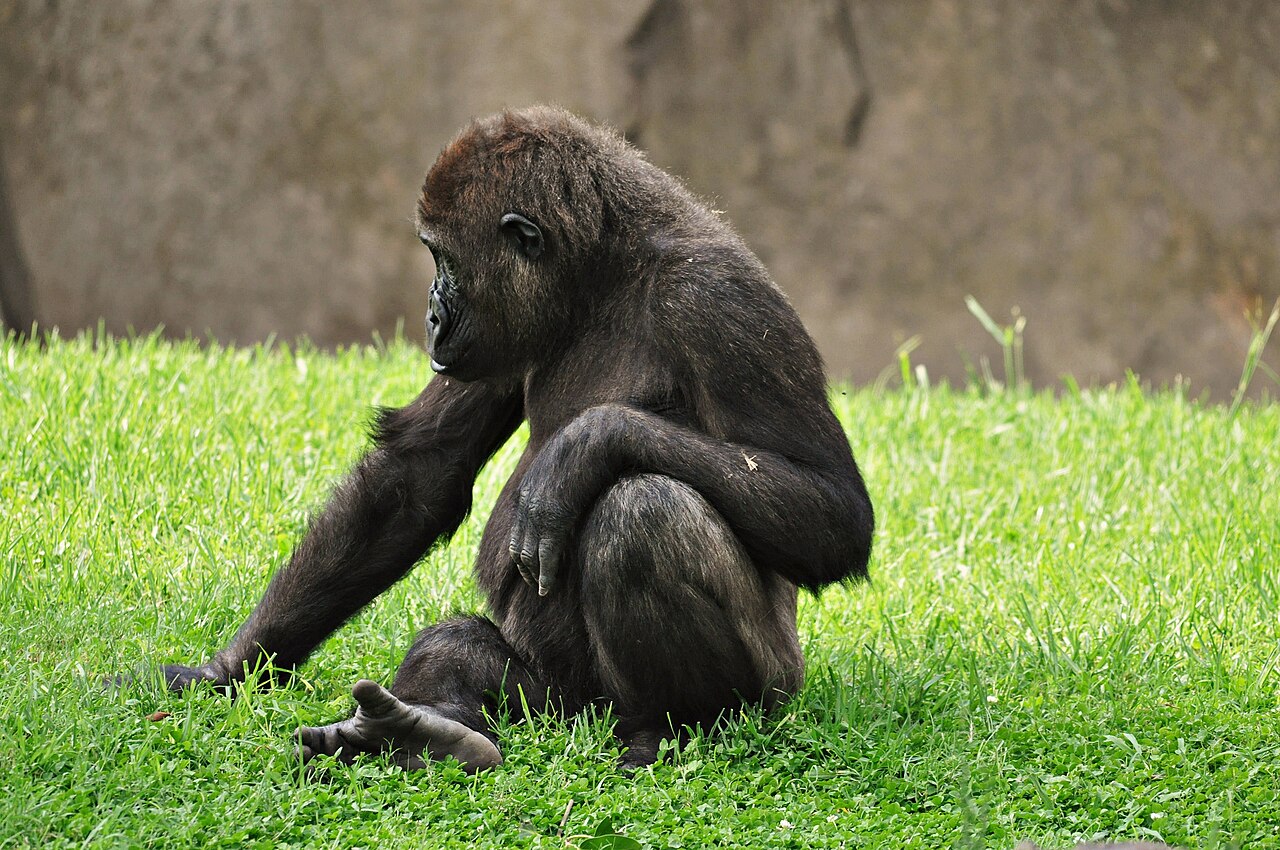
Bioparc Valencia is not a zoo of cages and bars. Opened in 2008 in the Parque de Cabecera at the western end of the Turia Gardens, it uses a design approach called zoo-immersion: moats, rockwork and planting hide the barriers, so that visitors seem to share the landscape with the animals. The whole park is dedicated to Africa, and it is divided into habitats you walk through in a loop. The savannah opens up with giraffes, zebras, antelopes and rhinos grazing together, with lions and hyenas watching from the rocks. In the equatorial forest a family of gorillas lives among dense trees and waterfalls, and further on you enter caves and wetlands with hippos and crocodiles. The favourite stop for many is the Madagascar zone, where lemurs roam freely around the path and sometimes leap across right in front of you. African elephants, chimpanzees and leopards complete a strong list. Keeper talks and a bird presentation run through the day, and the park is involved in conservation breeding programmes. Tickets are cheaper online, and combination tickets with the Oceanogràfic make a good two-day plan for families.
How to see it: follow the one-way loop from the savannah through the equatorial forest and the wetlands to Madagascar, and check the daily schedule on arrival so you can be in the right place for the keeper talks and the bird presentation. The loop is a few kilometres long with gentle slopes, and there are shady rest areas, cafés and a restaurant on the way. A first visit takes three to four hours at a steady pace.
What to expect: animals are most active in the morning and late afternoon, while summer middays are hot and many species retreat into the shade. In cooler months, including November, the park is pleasant all day and much quieter outside weekends. The park is pushchair-friendly, with paved paths throughout.
Making the most of it: arrive by metro, bus or bike along the Turia, since Bioparc sits on the western edge of the gardens, and combine it with a picnic in the Parque de Cabecera next door, which has a lake with pedal boats. If you have children and two free days, pair it with the Oceanogràfic, ideally with a combination ticket.
What to expect
The experience
A walk along a one-way loop through recreated African habitats with hidden barriers, keeper talks and a bird presentation.
Best time
Morning at opening, when the animals are most active and the paths are quiet.
How long
Three to four hours.
Tips
Book online for a lower price, check the presentation times at the entrance and bring water and sunscreen in summer.
Quick picks
- Best for
- Families and animal lovers who prefer naturalistic habitats to traditional zoos.
- Families
- Lemurs at arm’s length, gorillas, elephants and paved paths for pushchairs make it a top family pick.
- Couples
- A relaxed morning with the animals, then lunch and a stroll along the Turia.
- Pair with
- The Turia Gardens and the Oceanogràfic on a second day.
- Time needed
- Half a day.
Good questions
What animals can you see at Bioparc Valencia?+
The park focuses on Africa, with giraffes, rhinos, elephants, lions, gorillas, chimpanzees, hippos and free-roaming lemurs. Animals live in naturalistic habitats with hidden barriers.
How long does Bioparc take?+
Most visitors need three to four hours to walk the loop and see a keeper talk. Families with small children may want longer with rest stops.
Where is Bioparc Valencia?+
It is in the Parque de Cabecera at the western end of the Turia Gardens. It is reachable by metro, bus, taxi or bike.
Is Bioparc good for young children?+
Yes, the paths are paved and pushchair-friendly, and the lemur area is a highlight for little ones. There are cafés and shaded rest areas along the route.
Can I combine Bioparc with the Oceanogràfic?+
Yes, combination tickets for Bioparc and the Oceanogràfic are sold and save a little money. Plan them on separate days, since each needs several hours.