Valencia is easy to love and easy to underestimate. It packs a Gothic old town, one of Europe’s most striking modern skylines, a nine-kilometre park and a city beach into a compact, flat city that you can cross by bike in half an hour. A little planning goes a long way. Here is how to shape a first visit.
How many days
Three days is the sweet spot. Two full days cover the old town and the City of Arts and Sciences at a brisk pace. A third day adds the Oceanogràfic or the Albufera and an afternoon at the beach. With four or five days you can slow down, see Bioparc, spend a morning in the Central Market and still have time for long lunches.
What to book ahead
The Oceanogràfic is the one ticket that really pays to book in advance, because timed entry and queues at the gate build on weekends and holidays. Book a session at the Hemisfèric if you want one, and buy combination tickets if you plan to see the Science Museum and the Oceanogràfic. The Centro de Arte Hortensia Herrero uses timed tickets that sell out at weekends. The Albufera bus and boat can be booked online, which also lets you plan a paella lunch in El Palmar. The cathedral, the Silk Exchange and San Nicolás rarely need advance booking outside peak periods.
Getting in
Valencia airport is linked to the city centre by metro lines 3 and 5 in about 25 minutes, and taxis take a similar time. High-speed trains from Madrid arrive at Joaquín Sorolla station in under two hours, and regional trains use the handsome Modernist North Station; both are walkable from the Plaza del Ayuntamiento.
Getting around
Walk in the old town, which is compact and largely pedestrian. For everything else, use the Turia Gardens as your highway: rent a bike or use the Valenbisi bike share and ride the old riverbed from Bioparc in the west to the City of Arts and Sciences in the east. Metro, trams and buses cover the beach and the suburbs. The Valencia Tourist Card bundles public transport with discounts at many sights, including the cathedral.
Day one: the old town
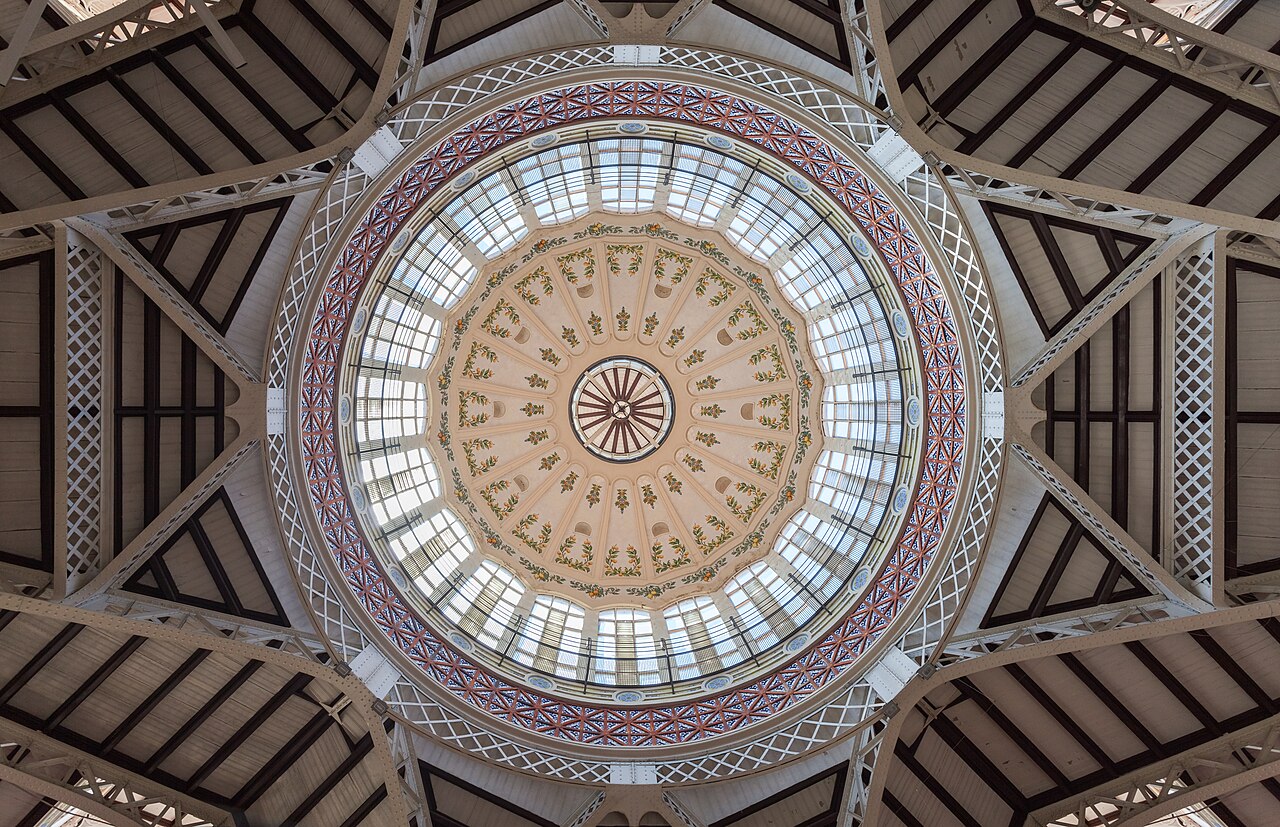
Start at the cathedral, see the Holy Chalice and climb the 207 steps of the Micalet. Walk to the Church of San Nicolás for its frescoes, then the Central Market and the Silk Exchange across the square before the market closes in the afternoon. After lunch, see the contemporary art at the Centro de Arte Hortensia Herrero and finish with an evening wander through the Barrio del Carmen.
Day two: the Turia and the City of Arts and Sciences
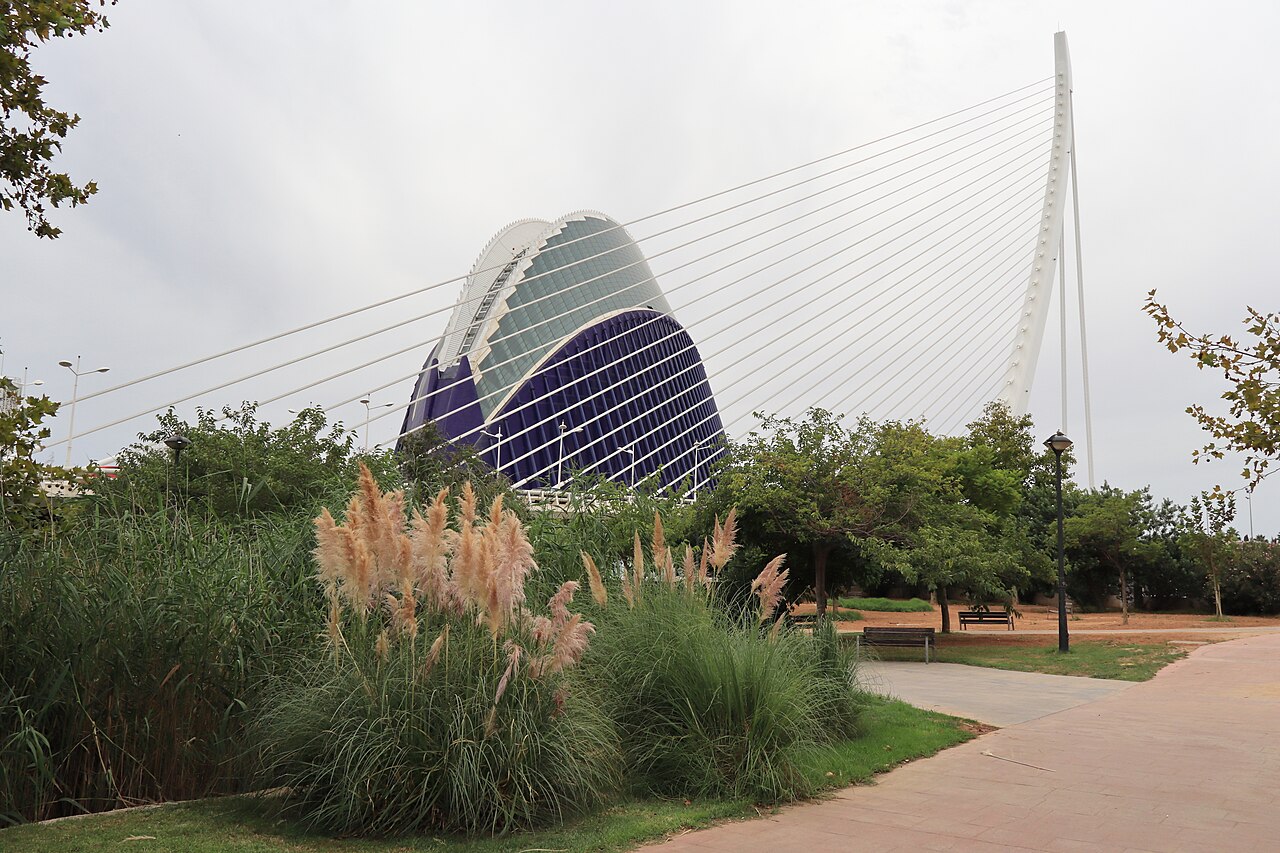
Ride the Turia Gardens east to the City of Arts and Sciences. Visit the Science Museum and a Hemisfèric show, or give the whole day to the Oceanogràfic if you have children. Stay for blue hour, when the white buildings light up over the pools, then eat in the bars and restaurants of Ruzafa.
Day three: lagoon or beach
Take the bus south to the Albufera, cruise the lagoon by traditional boat and eat paella in El Palmar, where the dish was born. Or head to Las Arenas and Malvarrosa beaches and the old fishermen’s quarter of El Cabanyal. Families can swap in Bioparc.
Seasons
Spring and autumn are ideal, warm without the heavy heat of July and August. November is mild and quiet, perfect for sightseeing, though too cool for most to swim. In mid-March the Fallas festival fills the city with giant satirical sculptures, fireworks and daily firecracker displays, a spectacle worth planning around if you can find a room.
Eating and timing
Valencians eat late: lunch from around 2pm and dinner rarely before 9pm. Paella is a lunchtime dish, best eaten in a specialist restaurant, and real paella valenciana is made with chicken and rabbit, not seafood. Try horchata, the cold tiger nut drink, with fartons pastries for an afternoon treat.