Victoria Falls is a better family destination than its reputation as an adrenaline town suggests. The main sight is free of any age limit, the wildlife is close, the river is gentle in places and many of the best experiences are simply slow. This guide sorts the options by age and energy, then explains how to pace a few days so that nobody is overwhelmed by heat, queues or long transfers.
Start with the falls themselves
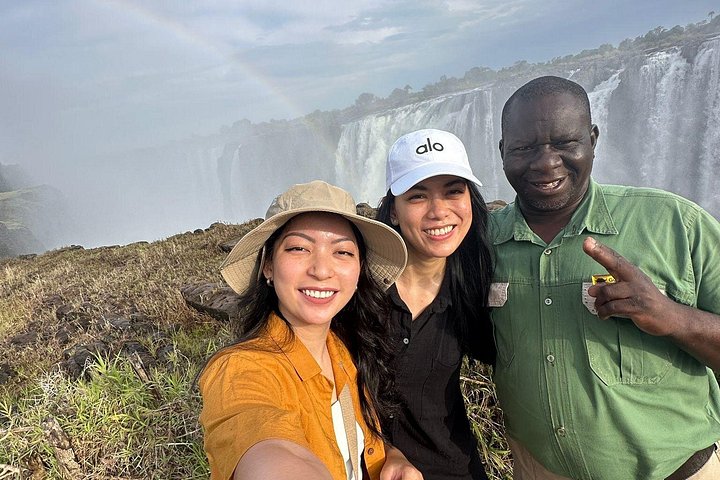
The rainforest path on the Zimbabwe side is flat for much of its length, with viewpoints along the edge of the gorge and spray that children find thrilling. A guided walk keeps the pace relaxed and brings the geology and the local names to life. Go early, when the air is cooler, bring light rain jackets in the wetter months and hold hands near the cliff edges, where fences are modest. Younger children tire quickly, so plan on a couple of hours rather than a full morning, and keep snacks and water in the bag.
Gentle wildlife
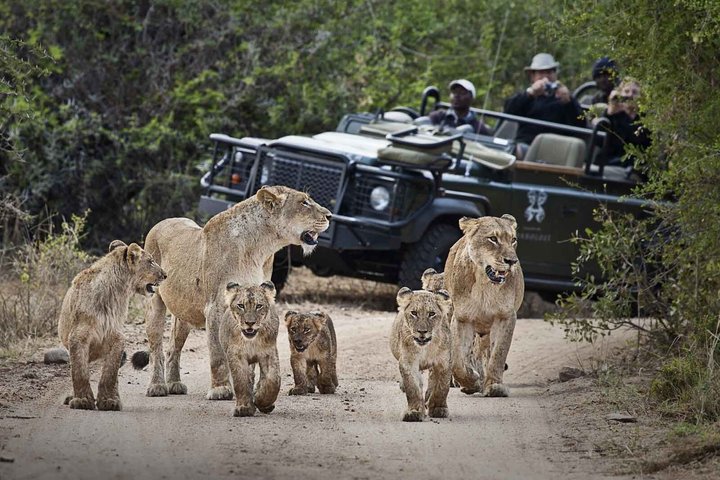
A three-hour game drive in a nearby park is the easiest first safari, with elephants, antelope, hippo and birds seen without a border crossing or a long day. On the Zambian side a drive in Mosi-oa-Tunya National Park, with a short walk to see white rhino, works for school-age children who can stay quiet. For a calmer option, a breakfast cruise on the Zambezi lets children watch hippos and crocodiles from a stable boat, with food on board. Full-day Chobe trips are rewarding but long, with early starts and border formalities, so they suit older children better than toddlers.
Water and adventure by age
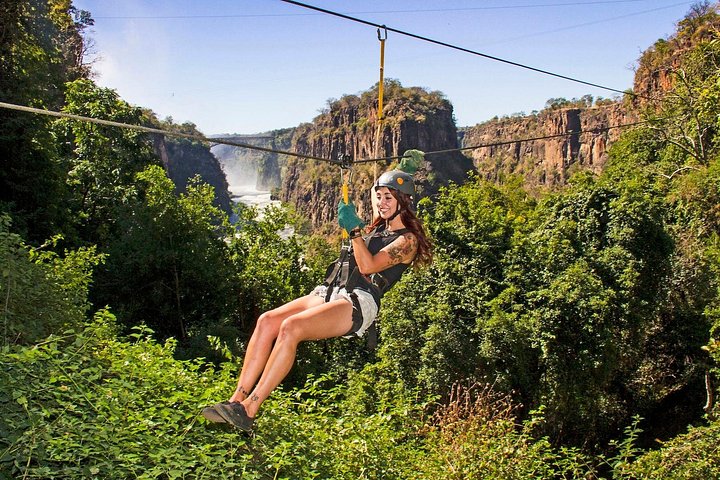
Teenagers can usually do the canopy tour, the gorge swing and a jet boat ride, subject to the age, height and weight limits each operator sets. Rafting is usually restricted to older children and requires confident swimming. The bridge bungee and the abseil are mainly for teenagers and adults. Check limits in advance, because turning up at the base with a disappointed child is no fun, and offer alternatives such as the bridge history walk or a helicopter flight, which has a minimum age but suits a wide range once reached.
Culture without the show
Children often remember a village visit or a township tour long after the animals fade. A guided visit to a traditional village, a cooking lesson or a bicycle tour in Livingstone gives them a view of other lives, and a good guide will explain what they see in simple terms. Prepare them beforehand: this is a community, not a performance, so ask first before photographing people, avoid handing out sweets and let them listen. Evening shows such as drumming dinners are fun for older children and can be loud for toddlers.
Pacing the days
Heat and sun are the main enemies. Put active outings in the morning, keep midday for a pool and lunch, and use the late afternoon for a river cruise or a game drive when the air is softer. Avoid stacking two big excursions in one day. A sample plan for a family of four over four nights could be: arrival and pool; guided falls walk and a gentle evening; a morning game drive and a river cruise; a day on the Zambian side with a rhino walk and the viewpoints; and a final relaxed morning before departure. Add Chobe only if the children are comfortable with long days.
Where to stay
Look for a hotel with a pool, shade and flexible dining. A lodge on the edge of town gives wildlife views, while a resort near the falls offers walking access and facilities. Apartment-style rooms help with early bedtimes and snacks. Mosquito protection is sensible after dark, and rooms with air conditioning make the hottest weeks easier. Ask about family rooms and connecting rooms when you book, and check whether children's meals and cots are available.
Practicalities
Check visa and entry rules for every family member, including children, and carry the documents required for travelling with minors, such as birth certificates and consent letters where they apply. Bring sun hats, high-factor sunscreen, insect repellent, a first-aid kit and any medicines, and ask your doctor about malaria prevention before you travel. Drink only bottled or treated water, keep food sealed against monkeys and teach children to stay calm around baboons and warthogs. Finally, build in slack: a family trip is better with fewer plans and more time at the pool, the river and the dinner table.