Many visitors treat Livingstone as the other side of the border, a place to cross into for a swim at the edge of the falls and then leave. That undersells it. The Zambian side has its own pace, a sleepy colonial town, a small national park with rhino, villages with a long history and a food scene built on simple, hearty dishes. This guide shows how to spend a day or two there, and how to combine it with the busier Zimbabwe side.
Why stay or visit
The Zambian side is quieter and often cheaper than the Zimbabwe side, and it has a different feel. Livingstone is flat, friendly and compact, with wide avenues, old buildings and a lively market. The falls viewpoints here put you close to the Eastern Cataract and the Knife-Edge Bridge, with the best views when the river is high. In the dry months the flow here can be thin, so check the season before you choose which side to prioritise. A day in each country is the best way to understand the whole system.
The town and its history
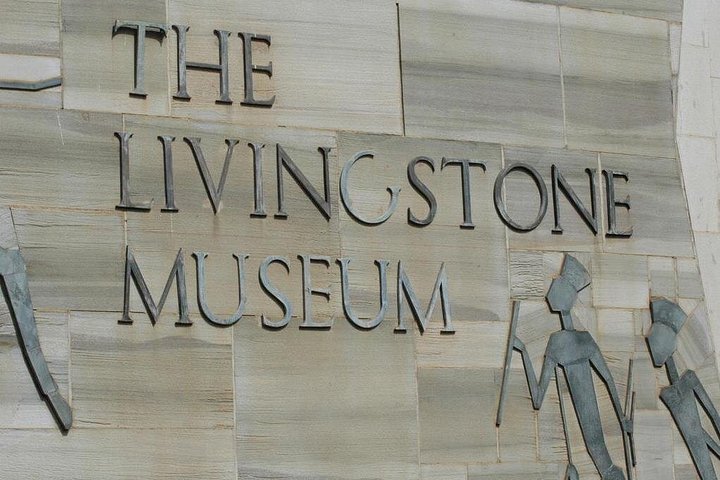
The Livingstone museum is the best place to learn about the explorer, the region's peoples and the early days of the railway and the bridge. A guided walk or a short city tour fills in the stories behind the colonial buildings, the old railway station and the memorials. Allow half a day, add the market for souvenirs and snacks, and finish with a coffee. A guided bicycle tour is a lively alternative that links the centre with the neighbouring communities at an easy pace.
Villages and community
A visit to a traditional village such as Mukuni shows the culture of the Leya people and the role of the chief. It is best done with a guide who works with the community. Ask how the visit supports local people, buy crafts directly and follow advice about photographs. A cooking lesson that teaches nshima, the staple maize dish, is a good way to spend a morning, and a home-hosted meal turns food into conversation. These experiences are inexpensive compared with the big-ticket adventures, and they are often the ones people remember best.
Wildlife on the Zambian side
Mosi-oa-Tunya National Park is small but rewarding, with giraffe, zebra, antelope and white rhino that can be approached on foot with a guide. A morning drive and walk costs less than a Chobe day and fits around the falls. For a bigger safari, Chobe day trips depart from Livingstone as well as from Victoria Falls town, and the border crossing at Kazungula is the same for both. Sunset and breakfast cruises leave from Zambian lodges too, so you do not need to cross to the other side to enjoy the river.
Food and evenings
Livingstone's restaurants range from hotel dining rooms on the river to simple places serving grilled meat, fish and relishes with nshima. The dinner train over the bridge is a romantic splurge, and a lodge deck at sunset is a classic way to end the day. Try local fruit and bread at the market, and ask your guide about favourite lunch spots. Evenings are quiet, with fewer bars and clubs than on the Zimbabwe side, so plan a restful night before an early start.
Combining both sides
The border between the two countries is a short drive or a walk across the bridge, and you can visit one side in the morning and the other in the afternoon. Visa rules depend on nationality and change, so check the rules for both countries and any univisa before you travel, and carry passports and small notes for fees. Allow time for queues at the border, especially in busy seasons, and consider booking transfers if you have luggage. A common plan is a base in Livingstone for two nights and a base in Victoria Falls for two, which suits both budgets and moods.
Where to stay
The riverside luxury properties of the national park sit near the falls and offer evening wildlife in the gardens, while mid-range hotels in town are cheaper and closer to restaurants and the market. Ask about transfers, breakfast and activity bookings, and compare the cost of a room with the cost of a transfer. The Zambian side rewards slow travel, and a day without a plan is often the most pleasant one.