From mid-November to Christmas, Vienna turns into one of the most festive cities in Europe. Christmas markets fill the squares in front of palaces, churches and the City Hall, the streets are strung with chandeliers of light, the air smells of punch and roasted chestnuts, and the concert halls and churches add Advent programmes. It is a magical time to visit, and a busy one. Here is how to plan.
Typical dates
Most of Vienna's big markets open in mid-November and run until around Christmas, with some continuing into the New Year. Dates change from year to year, so check the websites before travelling. The Wiener Christkindlmarkt on Rathausplatz, in front of the City Hall, usually runs from mid-November to the day after Christmas. The markets at Spittelberg, Karlsplatz, the Freyung and Am Hof usually open around the same time. Traditionally, the big markets stay open daily until at least 23 December, with shorter hours on Christmas Eve.
Rathausplatz: the big one
The Wiener Christkindlmarkt in front of the neo-Gothic City Hall is the city's largest and most famous market, with rows of stalls, a giant Christmas tree, illuminated trees in the park, children's activities and an ice-skating trail on the square in winter. It is spectacular, especially after dark, and very crowded in the evenings and at weekends; go on a weekday afternoon for a calmer visit, and stay until the lights come on.
Schonbrunn: the imperial setting
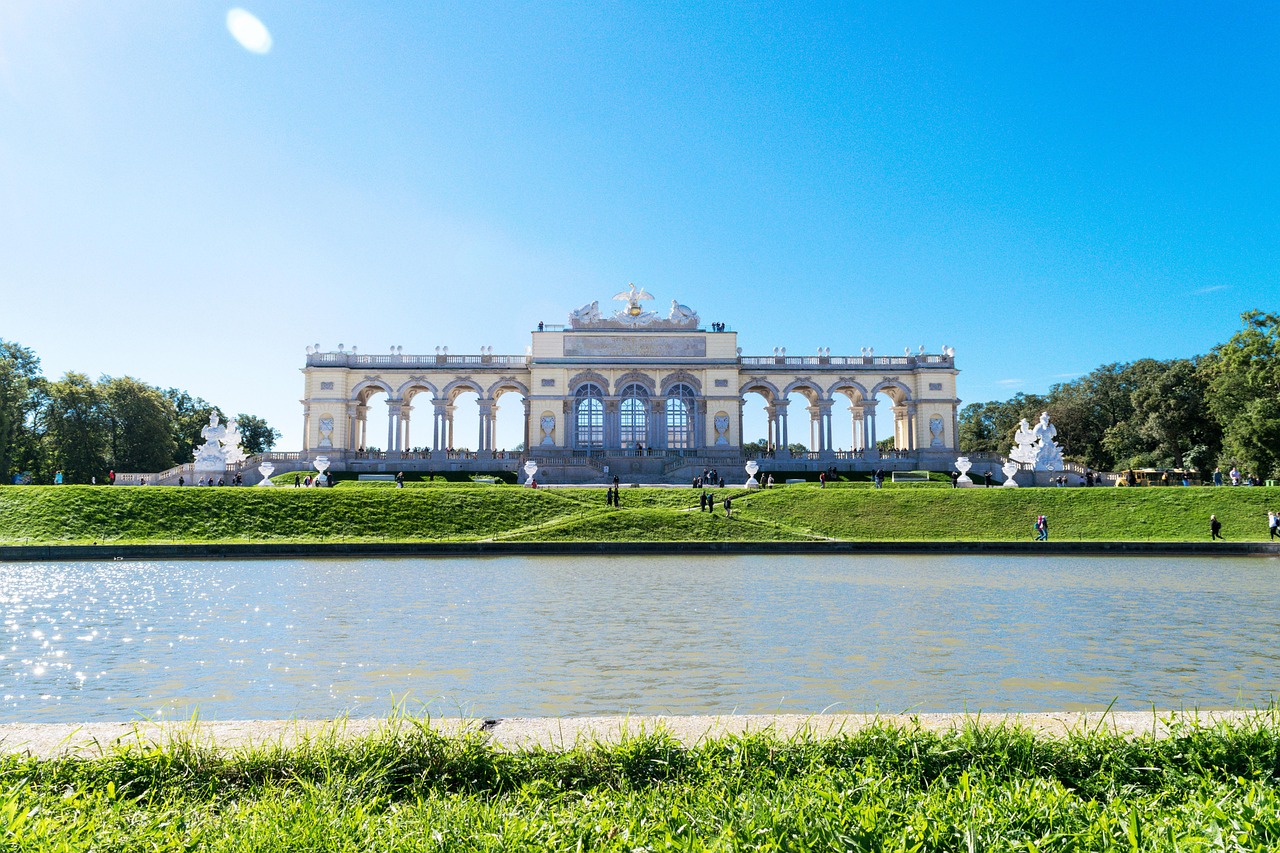
The market in the forecourt of Schonbrunn Palace is one of the most beautiful, with the yellow facade as a backdrop, quality crafts and a relaxed atmosphere. Combine it with a palace visit and an Orangery concert.
The Belvedere: Klimt and candlelight
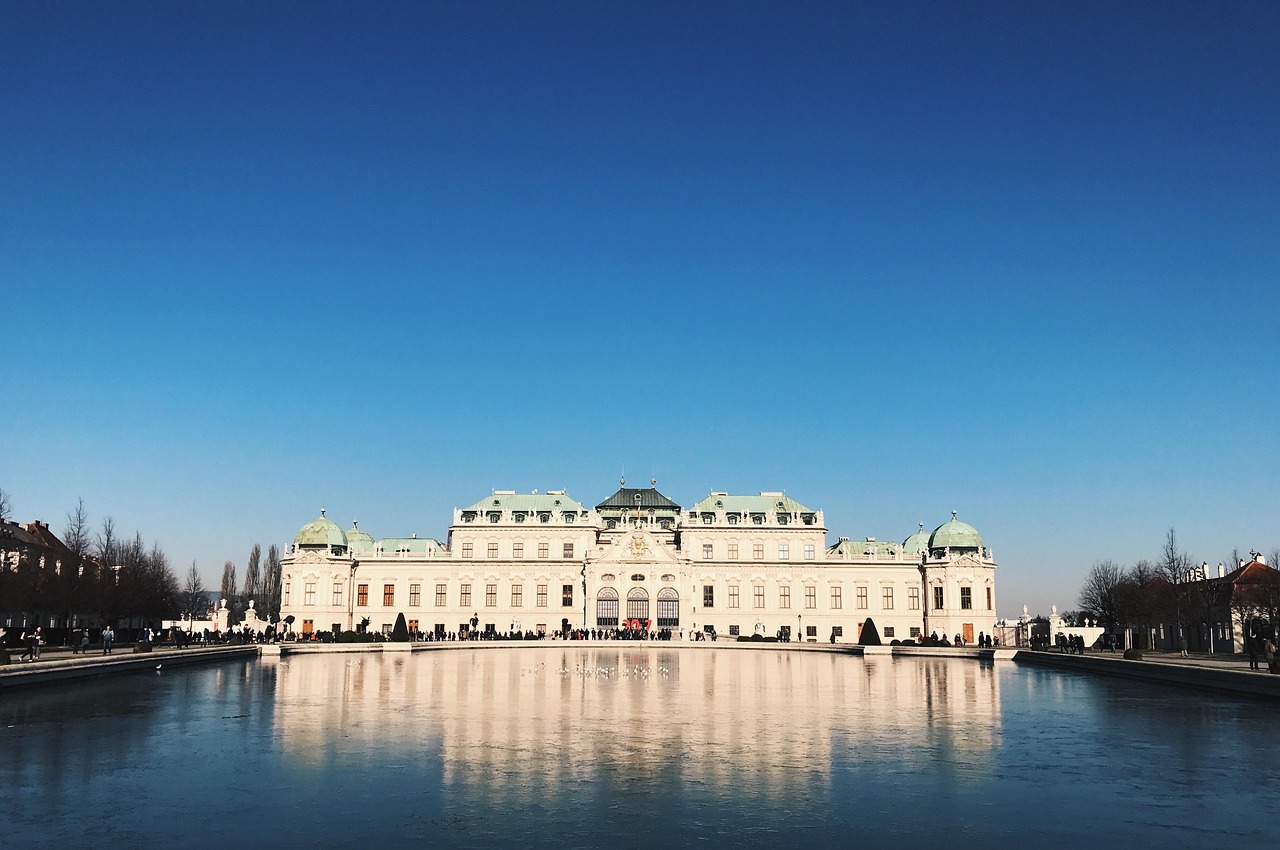
In front of the Upper Belvedere, this smaller market sets wooden stalls against the illuminated Baroque palace and its pond. Visit the Klimt collection in the afternoon, then stay for the market at dusk. It runs until New Year's Eve.
Spittelberg: the local favourite
In the narrow Biedermeier lanes of Spittelberg, behind the MuseumsQuartier, this market is known for handicrafts, art and design, with small stalls squeezed between the old houses and a cosy, village atmosphere. It opens in the afternoon on weekdays and from late morning at weekends.
Karlsplatz, Freyung, Am Hof and Maria-Theresien-Platz
The art and crafts market at Karlsplatz, in front of St Charles' Church, is known for quality handmade goods and a hay-strewn play area for children. The Freyung hosts a traditional market with a long history, and Am Hof, one of the Old Town's most beautiful squares, a market with crafts and food. The Christmas village on Maria-Theresien-Platz, between the Kunsthistorisches and Natural History museums, is central and convenient.
Punch, mugs and food
The drink of the markets is punch, in many flavours with and without alcohol, and mulled wine, Gluehwein. Drinks are served in decorative mugs that carry a deposit: return the mug to get your deposit back, or keep it as a souvenir, as each market has its own design that changes every year. Food stalls sell roasted chestnuts, baked potatoes, sausages, langos, gingerbread and roasted almonds. Bring some cash, although many stalls take cards.
Music in Advent
Advent is a high season for music. Churches and concert halls stage Christmas concerts, from Vivaldi and Bach to choral carols, and many of the city's concerts for visitors add seasonal programmes. The Vienna Boys Choir sings in the Hofburg Chapel during its season and gives Christmas concerts, and the State Opera's December programme often includes family favourites. Book ahead, as Advent concerts sell out.
Beyond the markets
Advent in Vienna is more than stalls. The main shopping streets, the Graben and Kaerntner Strasse, hang huge chandeliers of light above the crowds, and the Old Town's churches and squares glow after dark. The City Hall park is decorated with lit trees and installations for children, and skating on the square is a favourite winter activity. Bakeries sell Advent specialities such as Vanillekipferl, crescent-shaped biscuits, and Lebkuchen, and the coffee houses are at their cosiest. Many palaces and museums run special Advent tours and events, and Schonbrunn's market pairs with concerts in the Orangery.
Christmas and New Year
On 24 December, markets close early and many restaurants close for Christmas Eve, the main family celebration in Austria; 25 and 26 December are public holidays. After Christmas, the Schonbrunn and Belvedere markets continue, and the city prepares for New Year's Eve, when a festive trail of stages and stalls fills the Old Town, the Pummerin bell of St Stephens rings in the year and the Viennese waltz in the streets to the Blue Danube. The Vienna Philharmonic's New Year's Concert on 1 January is broadcast around the world; tickets are allocated by a lottery long in advance.
Practical tips
Book your hotel early for December weekends, and remember that the tourist tax, now 5 per cent of the room price, is added to your bill. Dress warmly: Vienna in December is cold and often damp. Watch your bags in the crowds, where pickpockets operate. Visit the big markets on weekdays or in the afternoons, and save the evenings for the smaller ones. And book timed tickets for the palaces and museums, which are busy in Advent too.