Dupont Circle and the stretch of Massachusetts Avenue known as Embassy Row hold some of the finest domestic architecture in the capital. Around the turn of the twentieth century, industrial fortunes built mansions here in a competition of towers, columns and carved stone, and many of those houses now serve as embassies, clubs and institutions. This guided walking tour introduces the neighborhood through its buildings, explaining the styles, the families who commissioned them and how the area moved from private society to diplomacy. It is a good choice for visitors who have done the Mall and want to see a quieter, more residential side of the city, for architecture lovers, and for anyone who enjoys a story about wealth, ambition and the occasional scandal. The route is on foot, flat enough for most walkers and filled with details that are easy to miss without a guide.
Dupont Circle itself is the hub, a traffic circle with a fountain and benches at its centre and a ring of cafes, bookshops and townhouses around it. From here the guide leads along the avenues that radiate outward. Massachusetts Avenue is the showpiece, lined with limestone and brick mansions in Beaux-Arts, Romanesque and Tudor styles.
Flags mark the embassies, each with its own architecture and sense of occasion, and the guide can explain who lived in the buildings before the diplomats took over. Along the way you encounter turrets, wrought-iron gates, sculpted lintels and carriage houses that hint at the lifestyle of the era.
The tour tends to mix architecture and social history. The families who built here were tied to railroads, steel, mining and politics, and their houses were designed to impress. The decline of the great households, the rise of institutions and the arrival of the diplomatic community each changed the neighborhood. A guide brings those layers together, and you come away with a better feel for how the capital grew beyond the monumental core. Visitors interested in photography will find many compositions in the doorways and ornamental details.
Practical advice
Dupont Circle has its own Metro station, so arriving is simple, and the meeting point is confirmed when you book. Wear comfortable shoes and bring a layer, because the avenues can be breezy. Many of the grand buildings are private or restricted, so the tour is about exteriors, and you should not expect to go inside.
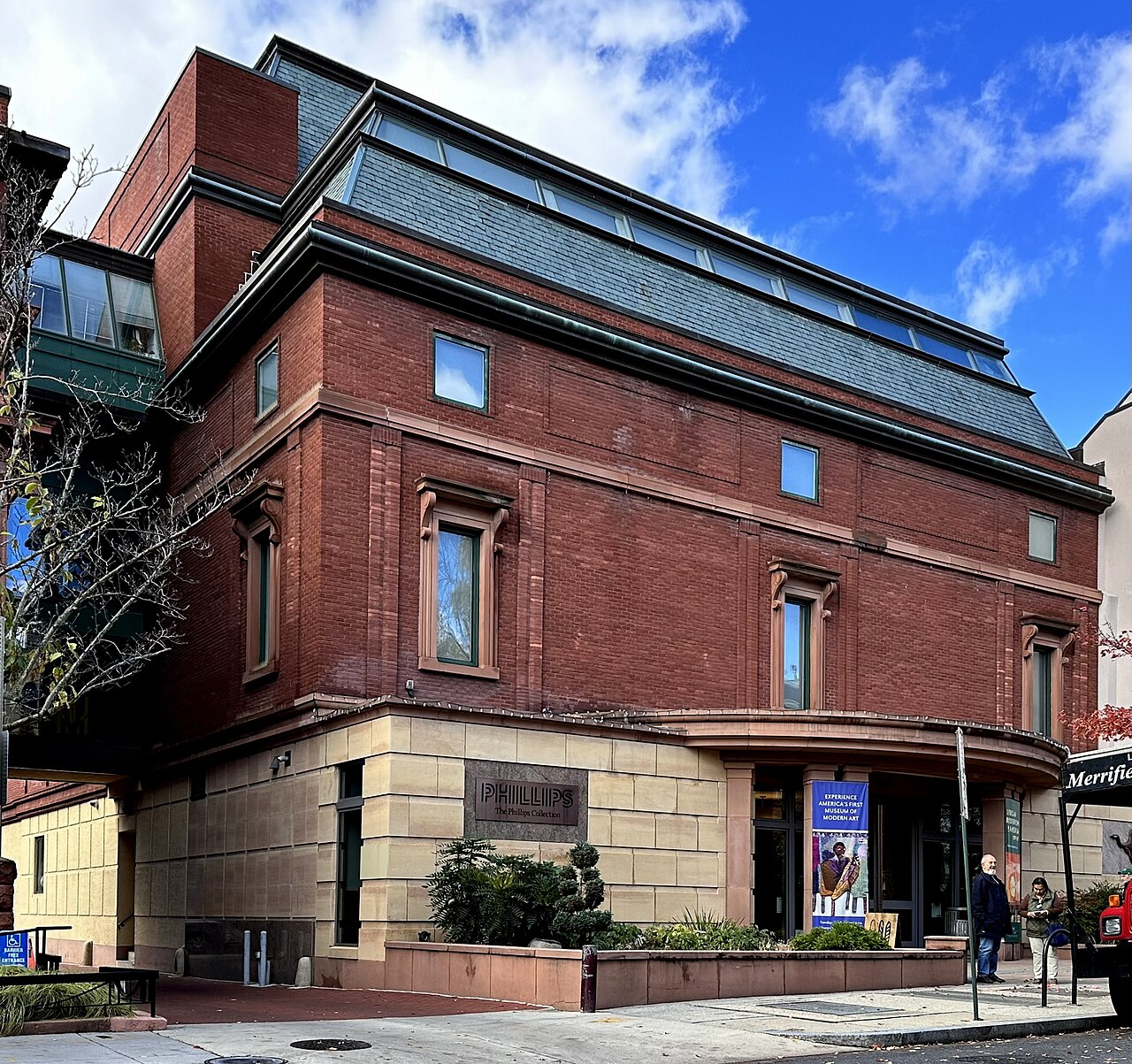
Weekday mornings are calm, and weekends bring a lively farmers market around the Circle that is worth a stop afterwards. Combine the walk with a meal in the neighborhood, a visit to the Phillips Collection, or the Dupont Circle food tour for a full day in one of the city's most appealing districts.
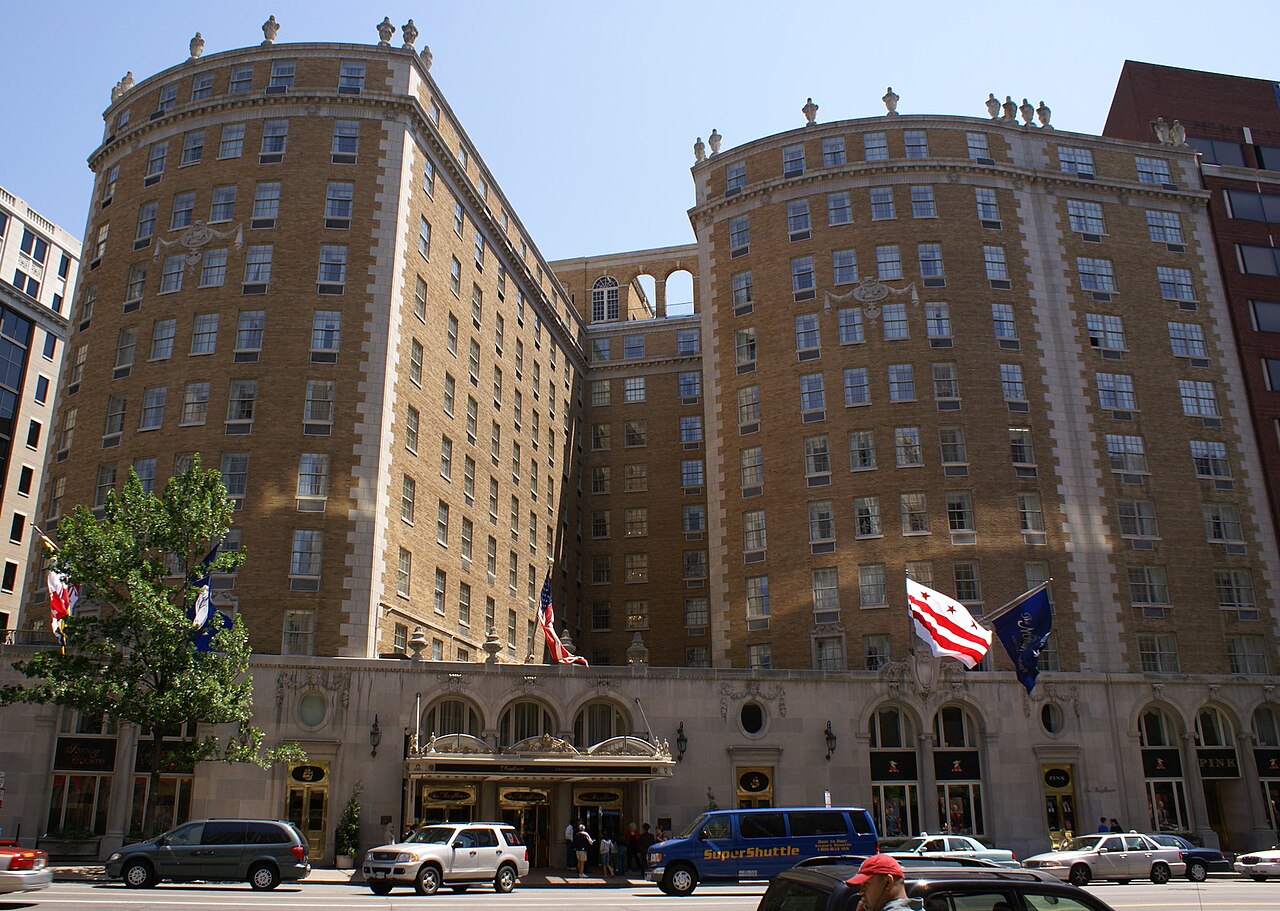
The stretch of Massachusetts Avenue north of Dupont Circle shows how the capital's gilded-age wealth became the diplomatic quarter it is today. Mansions built for industrialists and senators were later taken over by foreign governments, and the flags, plaques and guarded gates now mark a living map of international relations. A guide can explain which architects shaped the avenue, why the styles range from French chateau to Beaux-Arts palace, and how the neighborhood escaped the demolition that claimed other parts of the city.
It is an easy, mostly flat walk, and it pairs well with a coffee or lunch around the circle, where the fountain and chess players add local color.
What to expect
The experience
A guided walking tour of Dupont Circle and Embassy Row, focused on buildings and the history behind them.
Best time
Weekday mornings for quiet streets and good light on the facades.
How long
Around two hours; confirm when you book.
Tips
Wear comfortable shoes, bring a layer and remember most buildings are viewed from the outside.
Quick picks
- Best for
- Architecture and history lovers who want a quieter side of the capital.
- Families
- Better for teens than small children.
- Couples
- A relaxed stroll that pairs well with a meal.
- Pair with
- The Phillips Collection or the Dupont Circle food tour.
- Time needed
- Two hours.
Good questions
Do we go inside the buildings?+
Most are private or embassies, so the tour concentrates on exteriors and the stories behind them.
Where is the meeting point?+
It is confirmed when you book. Dupont Circle has its own Metro station.
Is it suitable for children?+
It suits teens and adults more than small children.
How much walking is there?+
A couple of hours at an easy pace on mostly flat streets.
What styles will I see?+
Beaux-Arts, Romanesque, Tudor and other late nineteenth and early twentieth century styles.