The National Mall holds the monuments and memorials most visitors come to Washington to see, and a guide who has spent a career interpreting them can make the difference between a walk and an education. This tour is led by a retired park ranger, so the commentary comes from someone who knows the history, the design and the visitor questions that come up again and again. Expect a small-group feel, a clear route and stories that go beyond the plaques. It suits first-time visitors, families with school-age children and anyone who wants a thorough orientation to the Mall in a few hours. Check the meeting point, transport arrangements and the memorials covered when you book, since the route can vary with conditions on the day.
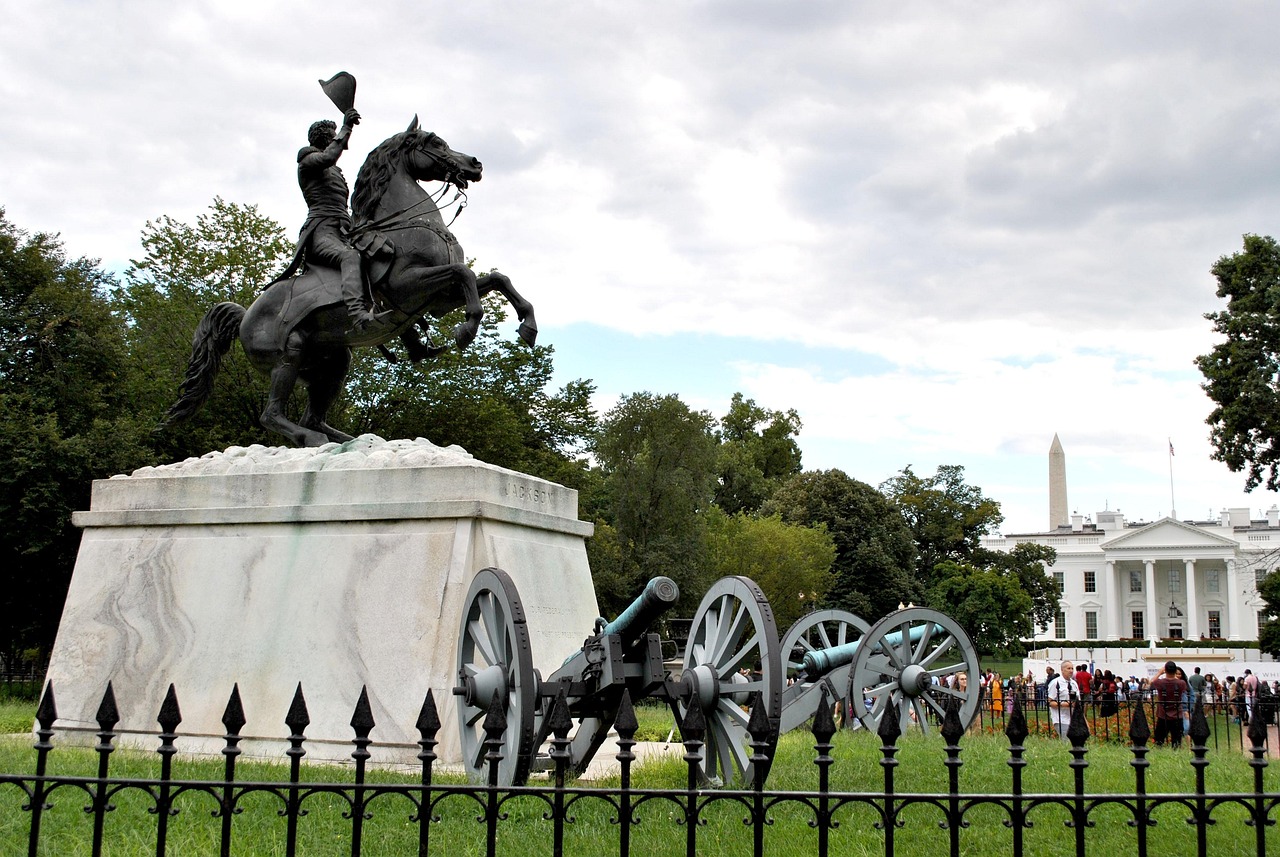
The tour introduces the Mall as a designed landscape, from the original plan for the capital to the monuments added over the following two centuries. A ranger's perspective brings the context that is often missing: why each memorial looks the way it does, who fought for it and how the public responded.
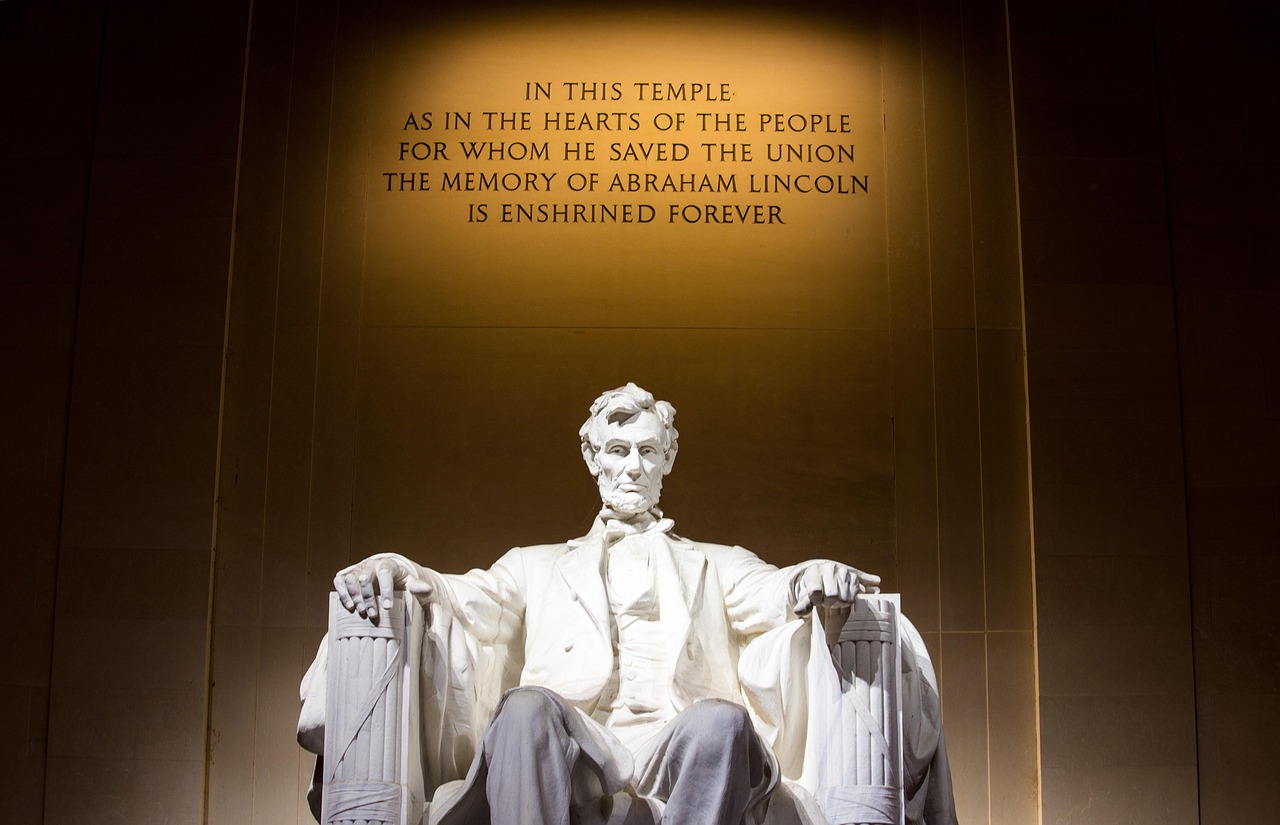
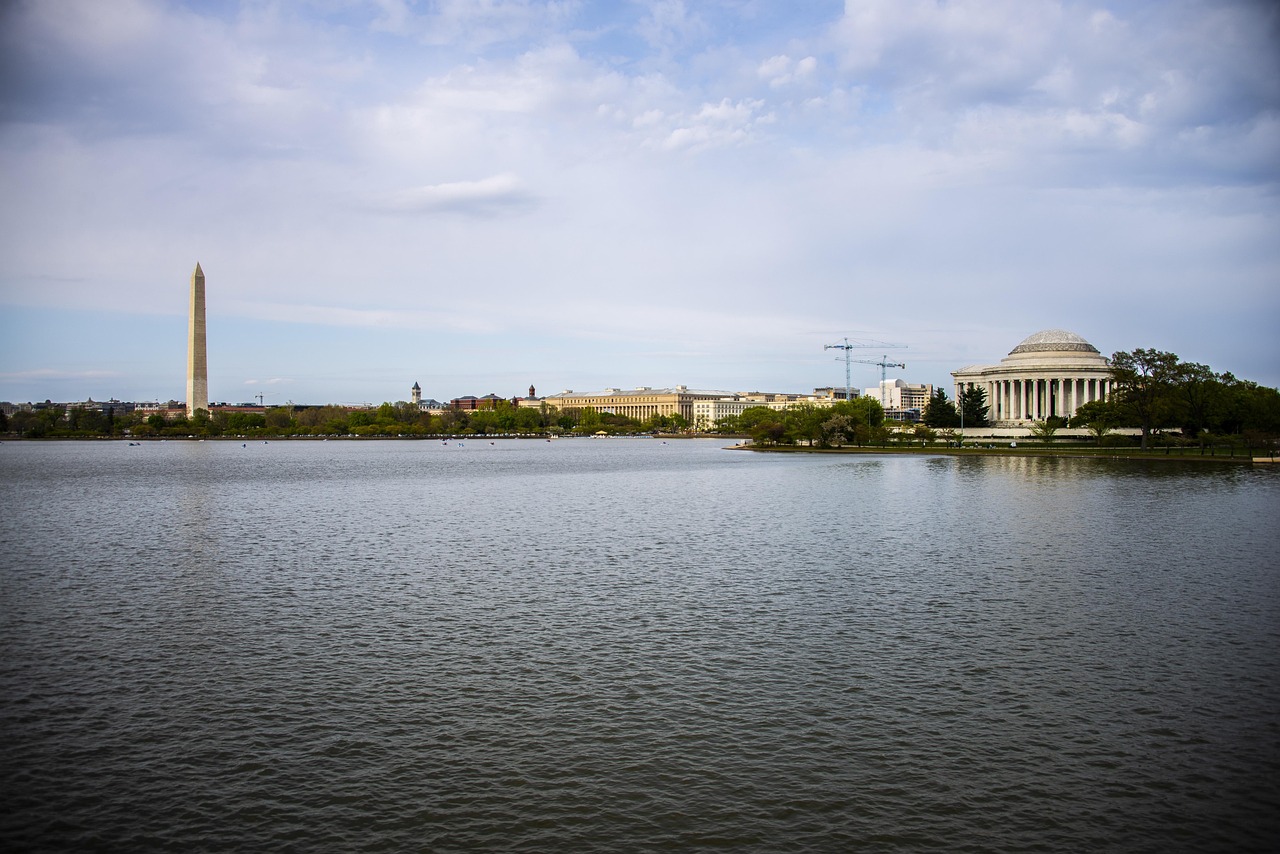
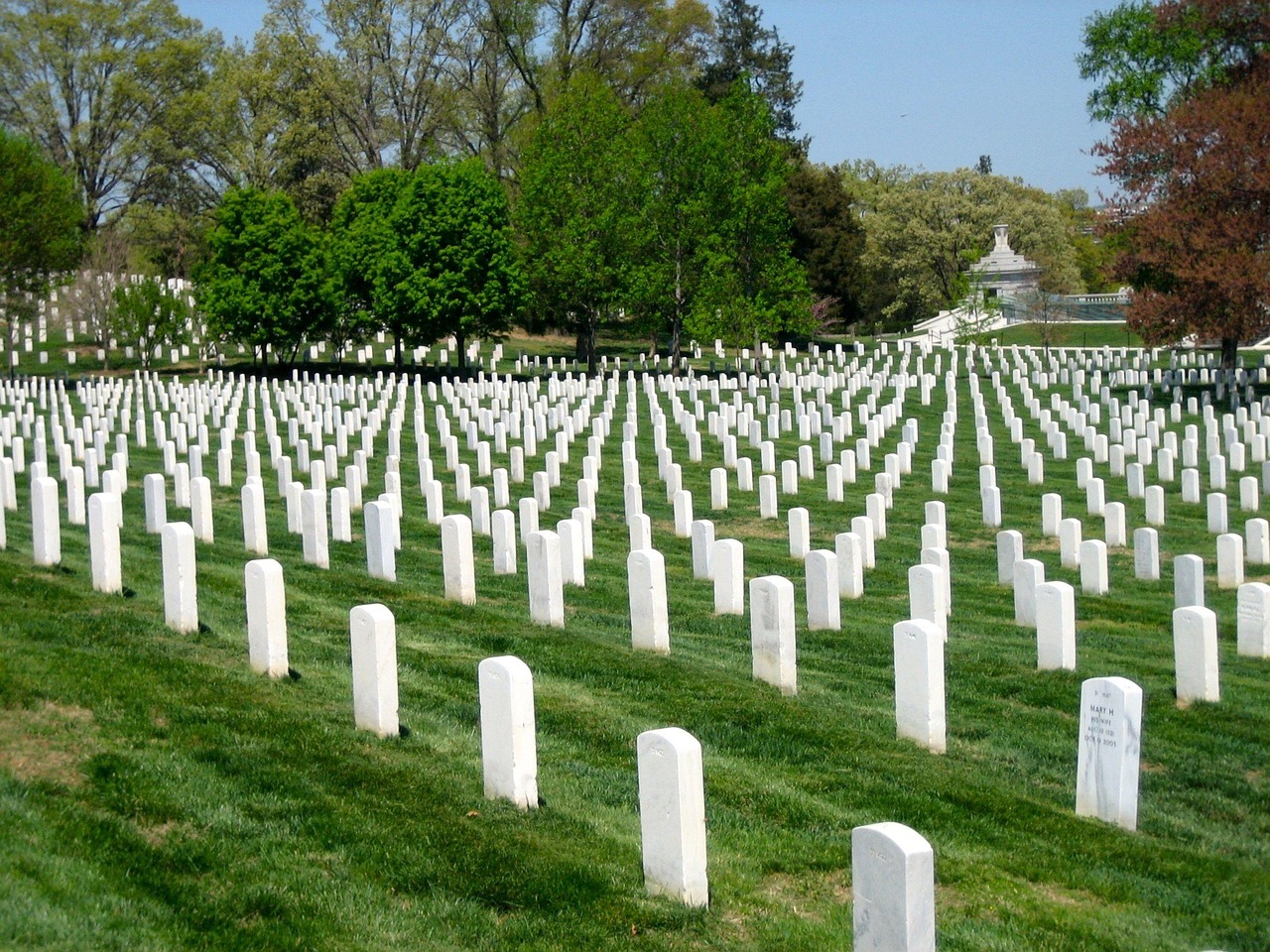
The Washington Monument, the Lincoln Memorial and the war memorials are the best known, and the stories attached to them range from construction mishaps to the great gatherings that have taken place on the steps. The commentary is paced for questions, so groups can ask about whatever interests them.
Along the route, the guide points out details that visitors rarely notice: the way inscriptions were chosen, the symbolism in the sculpture, the angles that align the monuments and the places where the best photographs are taken. The tour also explains how the memorials are cared for, from cleaning the marble to managing crowds, which is a window into the work of the National Park Service. Visitors with a particular interest, such as military history or civil rights, can ask the guide to spend extra time at the relevant memorials, and a good ranger will happily adjust the emphasis within the time available.
Practical advice
The Mall is wide and open, so the walking adds up even when the stops are short. Wear comfortable shoes, bring water, and dress for sun or rain, since there is little shelter. Spring and autumn are the most comfortable seasons, while summer calls for an early start.
Morning tours have softer light and smaller crowds, and evenings bring a different atmosphere as the monuments are lit. After the tour, you can return to the memorials that interested you most, visit one of the free Smithsonian museums nearby or rest with lunch at a cafe along the Mall.
Ranger-style storytelling tends to be accurate, balanced and patient with questions, which makes this tour especially good for families and for visitors who want to understand the memorials rather than just photograph them. Bring a notebook or use your phone to jot down the names and stories that stick, and use the later part of your trip to revisit the memorials you most want to see again at a different time of day. Smaller groups are common on guided tours like this, so reserve early for weekends and for the spring blossom season, when demand rises.
What to expect
The experience
A guided tour of the National Mall and its memorials led by a retired park ranger.
Best time
Morning in spring or autumn for comfortable weather and softer light.
How long
Around three hours.
Tips
Wear comfortable shoes, bring water and confirm the meeting point and route when you book.
Quick picks
- Best for
- First-time visitors who want a thorough orientation.
- Families
- Good for school-age children who enjoy stories.
- Couples
- A thoughtful way to see the monuments together.
- Pair with
- A free Smithsonian museum or the monuments at night.
- Time needed
- About three hours.
Good questions
Who leads the tour?+
A retired park ranger with experience interpreting the Mall and its memorials.
Which memorials are covered?+
The route focuses on the main memorials; confirm the stops when you book.
Is it a lot of walking?+
Yes, the distances on the Mall add up, so wear comfortable shoes.
Is it suitable for children?+
Yes, school-age children usually enjoy the stories.
What is the best season?+
Spring and autumn offer the most comfortable weather.