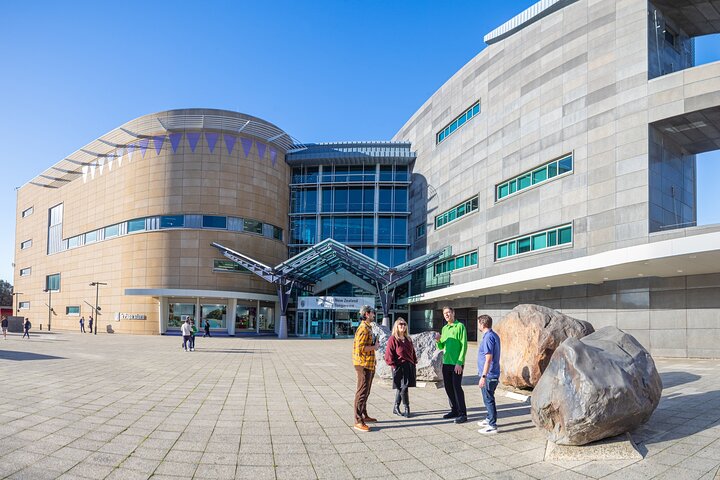
Wellington is a year-round destination, but the experience changes sharply with the seasons. Because New Zealand is in the southern hemisphere, summer runs from December to February and winter from June to August. This guide explains what each season offers, what to expect from the famously changeable weather and which attractions are best at which time.
Summer, December to February
Summer is the busiest and most pleasant season, with long evenings and the warmest weather, usually around 20 degrees Celsius for daytime highs. Outdoor plans are at their best, from the Botanic Garden and its rose garden to boat trips on the harbour. Roses peak from November to March. The downside is demand: hotels, ferries and small-group tours fill up, especially around Christmas and in school holidays. Book Wētā Workshop, Kapiti Island and the Wairarapa tours well ahead, and expect hotel rates to rise. Remember that the sun is strong, so bring sunscreen and a hat as well as a windproof jacket.
Autumn, March to May
Autumn is quieter and often more settled, with mild days, softer light and thinner crowds. It is a lovely time for the Wairarapa wine region, where harvest brings activity to the vineyards, and for walking and cycling, including the Remutaka Rail Trail. Tours are easier to book, and hotels are generally more available. By May, some attractions begin their shorter winter hours, so check opening times as the season turns. Zealandia, for instance, runs shorter hours from May to August.
Winter, June to August
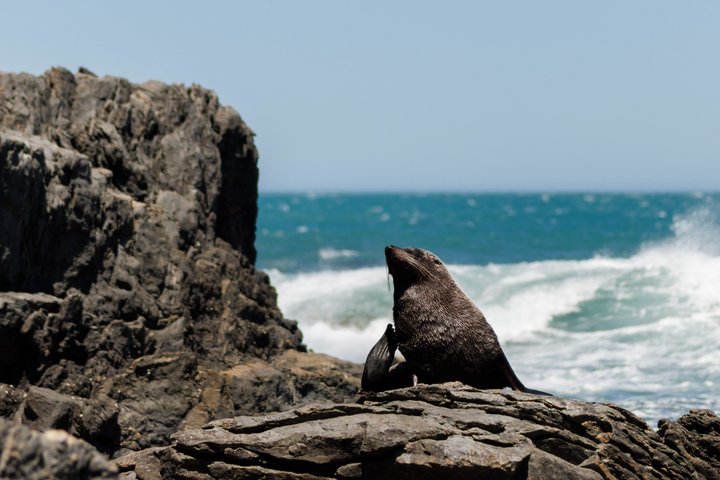
Winter is cool and wetter, with daytime highs in the low teens, and the wind can feel sharp when it comes from the south. It is also the time when Wellington is most comfortable if you plan around indoor sights: Te Papa, Wētā Workshop, the zoo and the food and beer tours all work well in poor weather. The Seal Coast Safari follows the south coast and still works as a winter outing, provided the weather allows it and you wear warm layers. A city food festival each August adds special menus and events. Winter rates are often lower, but daylight is short, so plan outdoor activities for the middle of the day.
Spring, September to November
Spring is changeable, with sunny days, sudden showers and strong winds all possible in the same afternoon. It is a good time to visit if you like fewer crowds and are happy to carry a jacket. Gardens begin to bloom and the roses start from November. Kapiti Island sailings can be affected by sea conditions at any time of year, but spring winds often bring more disruption, so build in flexibility.
The wind and your plans
Wellington sits beside Cook Strait, which is notorious for strong winds, and the wind affects flights, ferries, helicopter flights and cycling. Airlines can delay or cancel flights in strong wind, and the Cook Strait ferry can be disrupted by rough seas. Leave a buffer on departure days, avoid booking a tight connection after a ferry crossing and keep one flexible day in your itinerary. The wind also means the city can feel much colder than the temperature suggests, so layers matter.
School holidays and public holidays
New Zealand school holidays fall at the turn of each season, with the longest in December and January. Public holidays can bring long weekends, with higher demand for hotels and tours. A mid-year Māori new year holiday, Matariki, falls on a date that changes each year and is marked with events and exhibitions. Check the calendar when you plan, and book popular experiences earlier on those weekends. If you are travelling with children, remember that school holidays also bring family events and busier attractions, so go early in the day to Te Papa, the zoo and Zealandia.
Packing by season
In summer, bring light layers, a sun hat, sunscreen and a windproof jacket for the evening. In autumn and spring, add a warm mid-layer and a waterproof shell. In winter, bring a warm coat, gloves and a hat as well, and wear shoes that cope with wet pavements. Because the weather can change within an hour in any season, a small day pack that holds a spare layer is the most useful item you can carry.
So when should you go?
For the best balance of weather and availability, aim for late summer into early autumn, from February to April. For roses and long evenings, choose December to February and book early. For fewer crowds and lower prices, winter works if you embrace indoor attractions. Whenever you go, pack layers, a windproof and waterproof jacket and comfortable walking shoes, and keep your plans flexible.