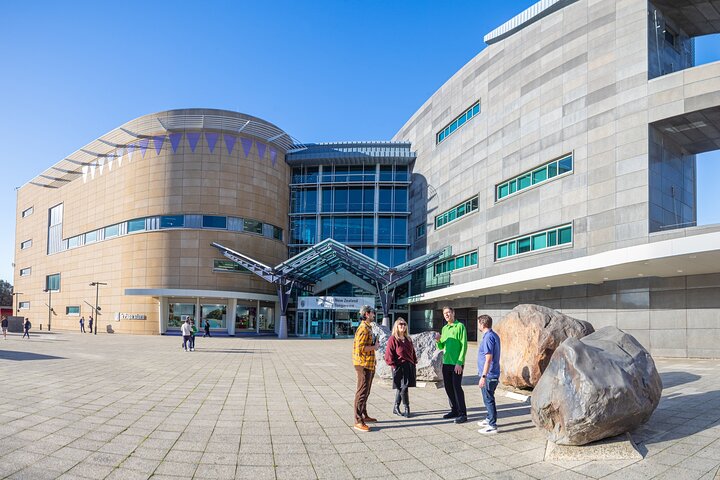
Three days is the sweet spot for Wellington. It is long enough to see the national museum, the wildlife sanctuary and the film studio without rushing, and short enough that the city never feels thin. This itinerary groups the sights by geography so you spend more time looking and less time in transit, and it flags where to swap in an indoor option when the weather turns, which it often does.
Before you start
New Zealand uses the New Zealand dollar, and tipping is not expected, though it is appreciated for exceptional service. Traffic drives on the left, and the city centre is compact enough that most visitors walk between sights. Pack a windproof jacket whatever the season, because Wellington's wind is a feature rather than a surprise. Book Wētā Workshop, Zealandia tours and any day trips before you arrive, since small-group departures fill up in summer and school holidays.
Day one: waterfront, Te Papa and the harbour
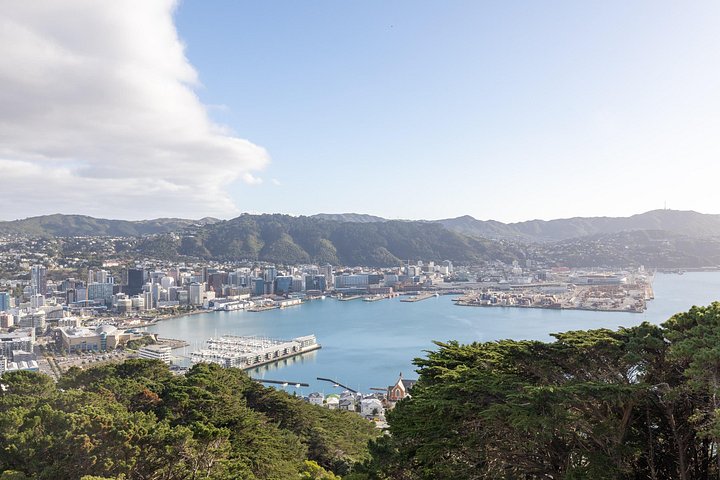
Begin on the waterfront and walk towards Te Papa, the national museum, which is free for New Zealanders but charges international visitors for entry. Give it at least two to three hours, and do not try to see everything: the Māori galleries, the natural history floors and the large-scale installations reward a slower pace. After lunch, choose between a guided e-bike ride around the harbour edge, the harbour cruise on the water or simply walking the promenade toward Oriental Bay. In the evening, head up to Cuba Street for dinner among the cafes, bars and independent shops of Te Aro.
Day two: the hill, the garden and the film studio
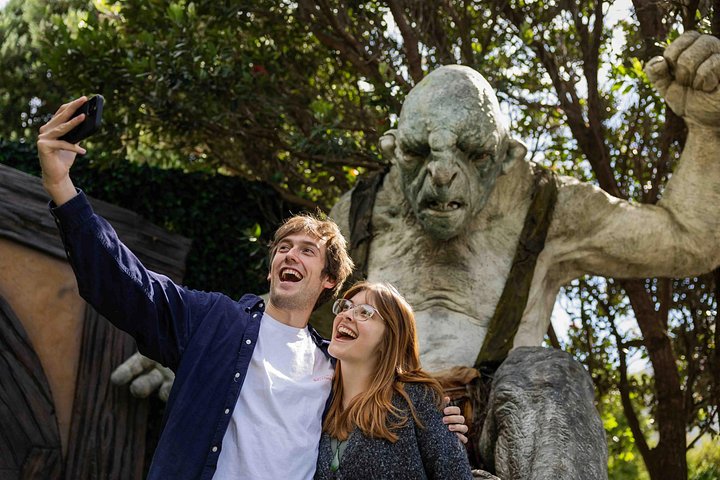
Take the Cable Car from Lambton Quay to the Kelburn terminal. The Wellington Botanic Garden is right at the top, and the walk down through the garden toward Bolton Street Cemetery and the city is one of the most pleasant free hours in the capital. Roses are best from November to March. Spend the afternoon at Wētā Workshop in Miramar, where the 90-minute tour explains how creatures, armour and props for fantasy films are made. Miramar is a bus or taxi ride from the centre, so factor in travel. If you prefer the full film-location experience, the Lord of the Rings tour replaces this afternoon with a longer day out.
Day three: choose your wild side
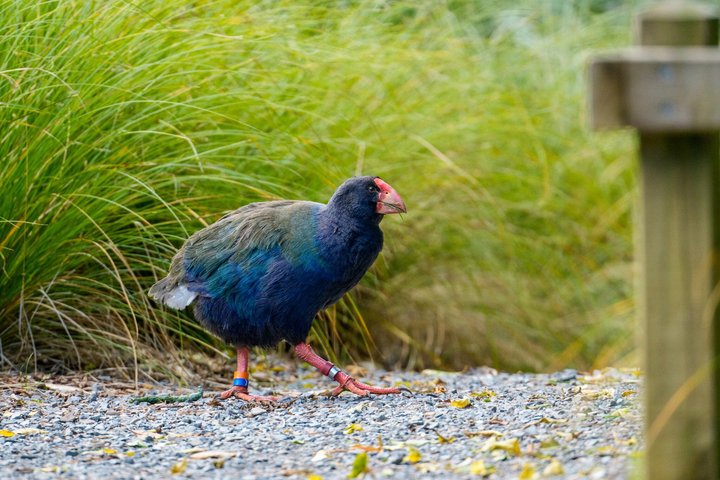
The third day is for leaving the centre. If you are a wildlife enthusiast, spend the morning at Zealandia, where a guided tour is the best way to see native birds in a predator-free forest, then return for an afternoon wander through the Botanic Garden if you skipped it. If you want a bigger outing, Kapiti Island nature reserve requires an early start and depends on sea conditions, and the Seal Coast Safari takes a four-wheel-drive vehicle along a wild stretch of the south coast. Wine lovers should consider the Martinborough winery tour in the Wairarapa, which takes about half a day and leaves you back in the city for dinner.
Wet-weather swaps
When the rain sets in, move Te Papa to the wet day and slide the outdoor plans around it. Wētā Workshop, the zoo and the food or craft beer tours all work in poor weather. The Cable Car still runs in rain, but views may be hidden, so wait for a clear window if you can. Zealandia is enjoyable in light drizzle, though tracks can be slippery.
Where to stay
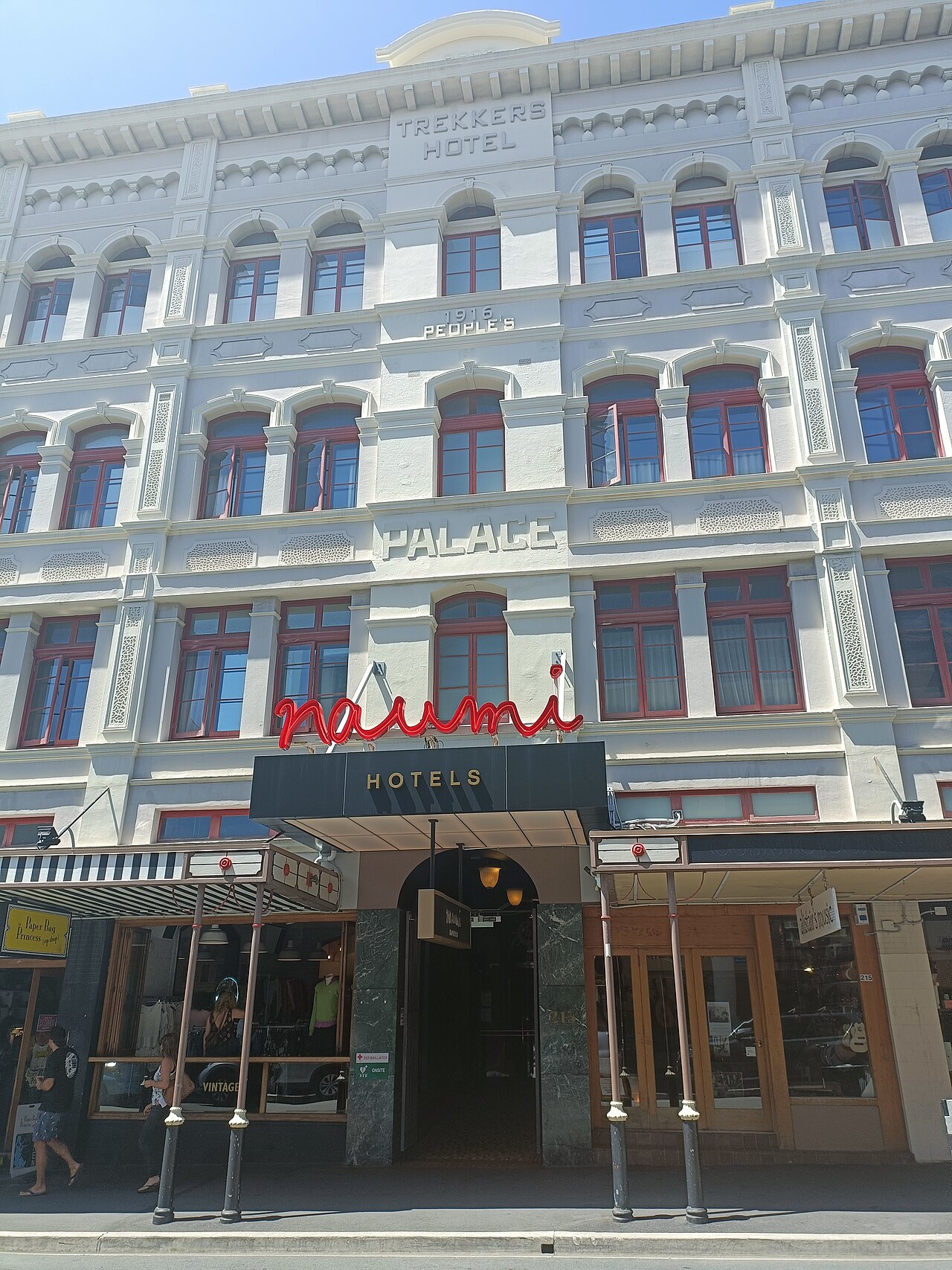
A base near Lambton Quay puts the Cable Car and the station within walking distance, while Cuba Street and the museum district suit visitors who want evening life and quick access to Te Papa. The waterfront hotels sit between the two. Parking is an extra charge at most central hotels, and you do not need a car for this itinerary unless you add the day trips.
Adjusting the plan
With two days, combine days one and two and drop the third, adding Zealandia only if wildlife matters most. With four days, add a harbour cruise, a food tour and a second day trip. With five, keep a flexible day for weather, because the best plan for Wellington is a loose one. Whatever you choose, leave time for coffee and a slow lunch, because eating well is part of why people love the city.
A closing tip
Wellington rewards early starts. Museums and gardens are quietest in the morning, wildlife is most active at first light, and the wind often eases before midday. Aim to finish your big outdoor activity by mid-afternoon and use the evening for the compact, walkable centre, where bars and restaurants are close together and easy to enjoy on foot.