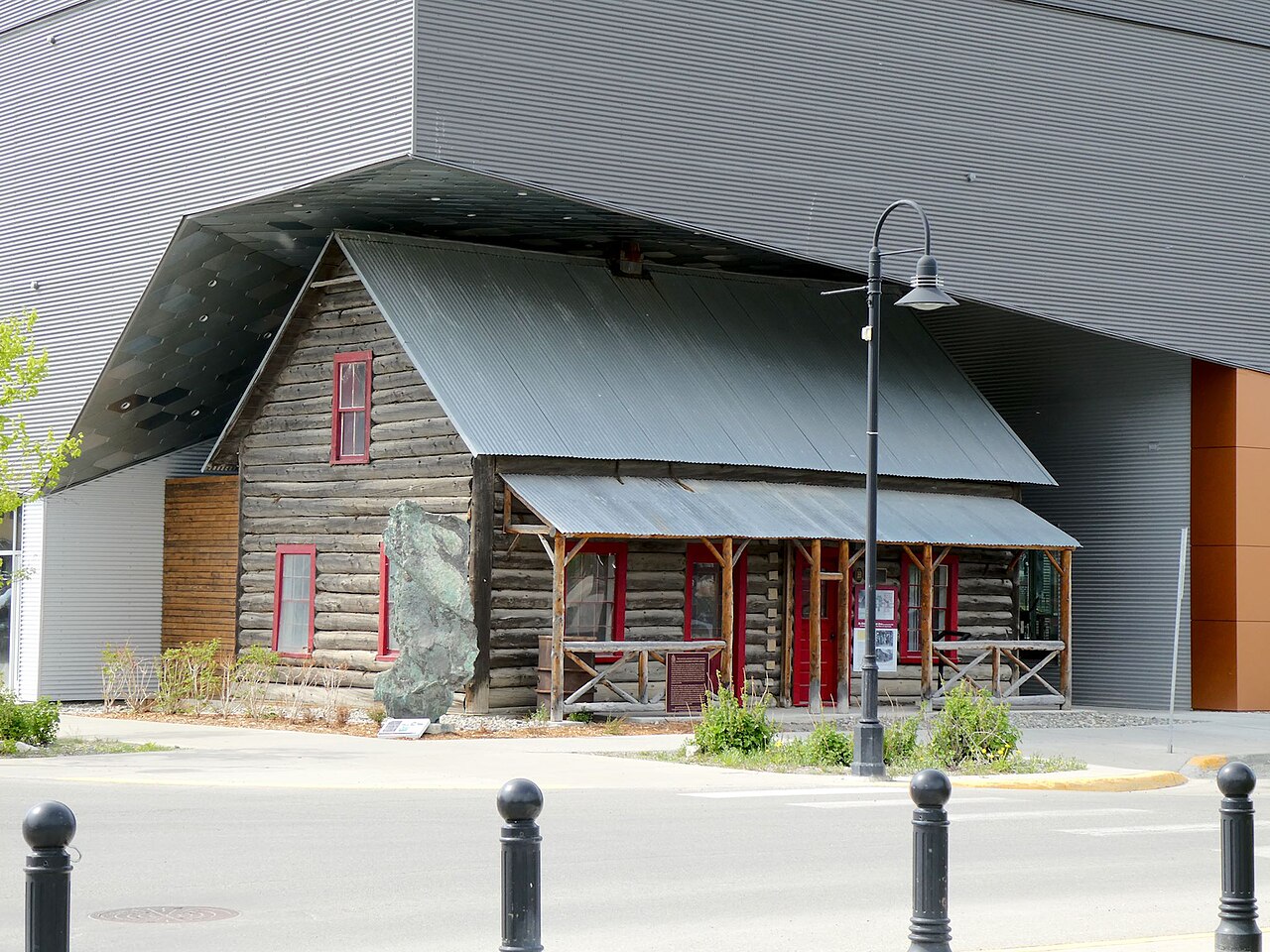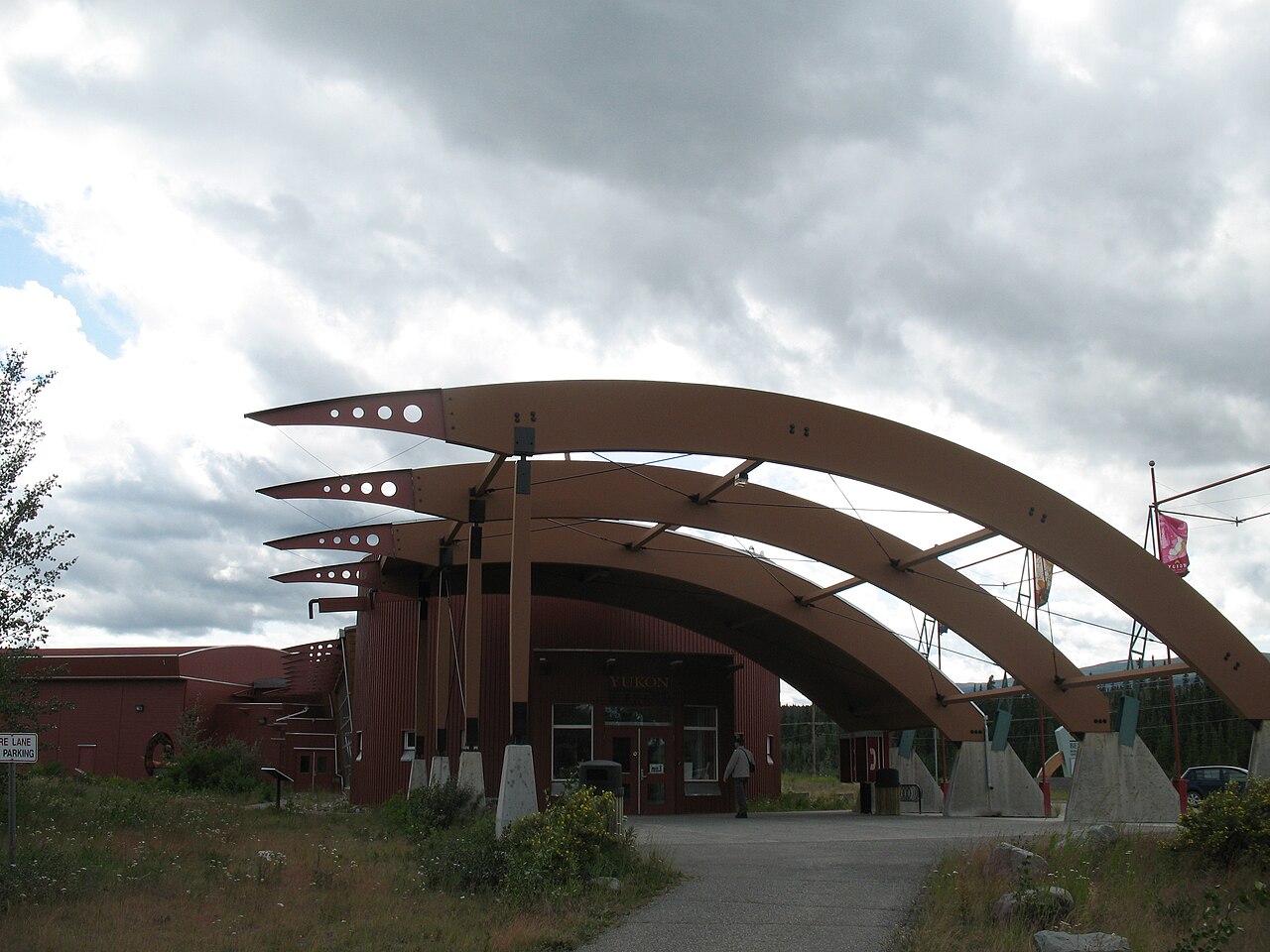
Beringia was the vast, ice-free grassland that connected Siberia and the Yukon during the last ice age, and the Yukon Beringia Interpretive Centre in Whitehorse is where that lost world is explained. Displays cover the animals of the period, including mammoths and other giant mammals, the geology and climate that shaped the land bridge, and the archaeology of the first peoples who crossed it. The centre sits near the airport on the Alaska Highway, next to the Yukon Transportation Museum, and it is a quieter, more scientific counterpart to the MacBride Museum. Winter hours run from October to April and are limited to noon to 5 pm on Saturday, Sunday and Monday. Admission is low, with a discount for seniors, students and children, free entry for toddlers and a combination pass that includes the Transportation Museum. It is an easy, rewarding stop for families and curious travellers, and it is entirely indoors.
What makes it distinctive is the sense of scale in time. The Yukon was never covered by the great ice sheets that blanketed much of North America, so ancient bones and fossils have been preserved in frozen ground, and the centre uses them to rebuild the animals and plants of the past. It is the kind of museum that children remember because of the ice-age animals brought to life, and adults appreciate the clear explanations of how the land bridge formed and why people moved across it.
Plan carefully around the hours
In winter the centre opens only on Saturday, Sunday and Monday, from noon until 5 pm. That is a short window, so decide in advance whether you can fit it in, and check the website for any changes before you travel across town.
If you have a car, the location near the airport on the Alaska Highway makes it a convenient stop on the way in or out of Whitehorse. A combination ticket with the Yukon Transportation Museum lets you cover both on one outing, and admission is modest compared with other attractions.
Who it suits
Families, science and history lovers and anyone with a spare weekend afternoon. If your trip falls on a Tuesday to Friday, the MacBride Museum is the better option because it is open on those days. For a full picture of Yukon history, visit both: Beringia for the deep past and the MacBride for the Gold Rush era.
What to expect
The experience
An indoor museum with exhibits on the ice-age landscape of Beringia, its animals and the first people to cross the land bridge.
Best time
Saturday, Sunday or Monday afternoons in winter, when the centre is open from noon to 5 pm.
How long
About an hour to an hour and a half.
Tips
Winter hours are limited to Saturday, Sunday and Monday; a combination pass with the Yukon Transportation Museum is available.
Quick picks
- Best for
- Families and science fans curious about mammoths, ice ages and the first peoples of North America.
- Families
- Fossil displays and life-size models make it a hit with children, and toddlers enter free.
- Couples
- A thoughtful, quiet indoor outing on a cold afternoon.
- Pair with
- The Yukon Transportation Museum next door and the MacBride Museum on another day.
- Time needed
- One to one and a half hours.
Good questions
What are the winter hours?+
From October to April the centre is open from noon to 5 pm on Saturday, Sunday and Monday only.
How much is admission?+
Admission is low, with reduced prices for seniors, students and children, free entry for toddlers and a combination pass with the Yukon Transportation Museum.
What is Beringia?+
It was the grassland land bridge connecting Siberia and the Yukon during the last ice age, home to mammoths and other giant animals.
Is it suitable for children?+
Yes. The fossil displays, models and clear explanations suit families.
Where is it?+
The centre is near the airport on the Alaska Highway, next to the Yukon Transportation Museum.