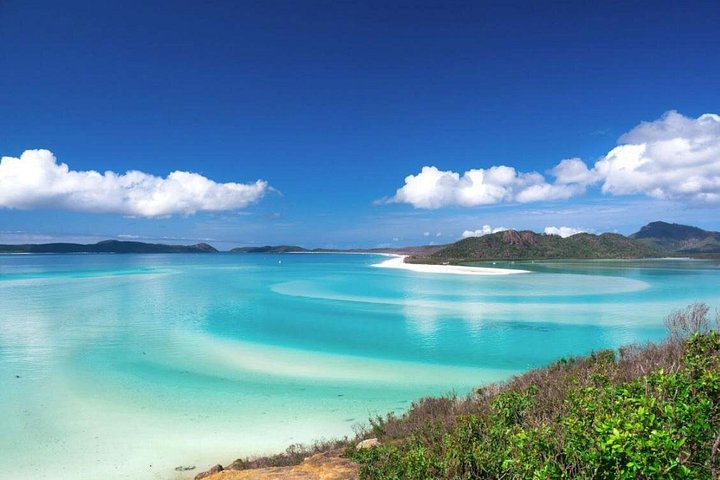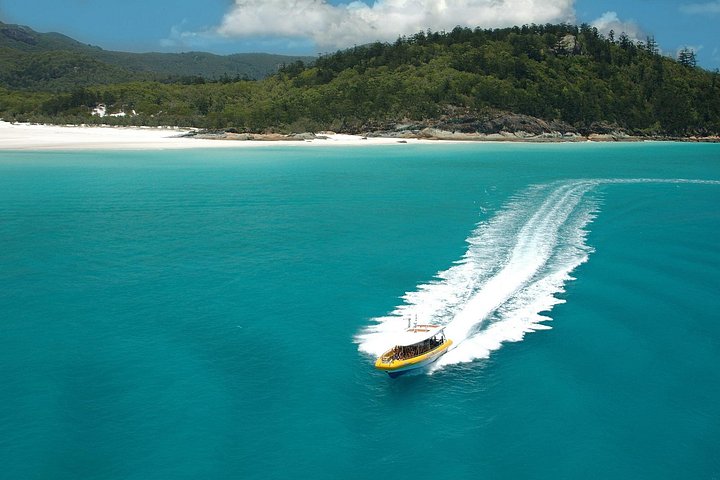
The Whitsundays can be visited at any time of year, and the right month depends on what you want from the trip. The region has a tropical climate with a dry season from roughly June to October and a hotter, wetter season from November to May. The best months for most travellers are in the dry season, but the shoulder months can offer excellent value and fewer people, as long as you are flexible about weather.
The dry season, June to October
This is the peak of the visitor year, with sunny days, low humidity and moderate temperatures. Water is generally clear, winds can be fresh but steady, and the sailing is excellent. Daytime temperatures are pleasant for walking and sightseeing, evenings can feel cool on the water and sunsets are often spectacular. It is also the busiest and most expensive period, so book accommodation and key trips well ahead, especially for school holidays.
Winter whales
From roughly June to September, humpback whales pass through the Whitsunday Passage on their migration, and sightings are possible from boats and sometimes from shore. They are not guaranteed, and the trips that include them may differ in timing, but the chance of seeing a breach or a tail slap adds a dimension to a day at sea. Ask your operator whether whale sightings are common on your date and keep a camera ready on deck.
The wet season, November to May
The summer months bring heat, humidity and tropical downpours, usually in short bursts rather than all day. Water temperatures are warm, and the landscapes are lush and green. The trade-offs are weather disruption, with occasional heavy rain and wind, and the risk of tropical cyclones, which peak in the late wet season from about January to March. Many operators run through these months, but trips can be changed or cancelled when conditions are unsafe, so flexibility and travel insurance are wise.
Marine stingers
Box jellyfish and Irukandji jellyfish are present in tropical Australian waters, mostly from around November to May. Operators supply full-body stinger suits for snorkelling and swimming at the islands and the reef, and beaches near town may have stinger nets or warning signs. Follow local advice, wear the suit provided and never swim in unmarked areas near the mainland coast. In the cooler months the risk is much lower, which is one reason the dry season is popular.
Shoulder months
September to early November and April to May can be excellent. Weather is often good, crowds are smaller and prices ease, particularly at the ends of the periods. Early in the wet season, waters begin to warm and wildlife is active, while stingers may begin to appear, so check the guidance for the date you visit. Mid-year school holidays are exceptions, when the region fills up regardless of conditions.
Water visibility and the reef
Reef visibility is generally best in calm, dry conditions, though it varies day to day with wind and swell. After heavy rain or a period of strong winds, water near the coast can be cloudy. The outer reef is less affected than the inshore reefs, which is one reason pontoon trips are popular in the wet season. Check recent conditions with the operator and be ready to adapt your plan.
For specific activities
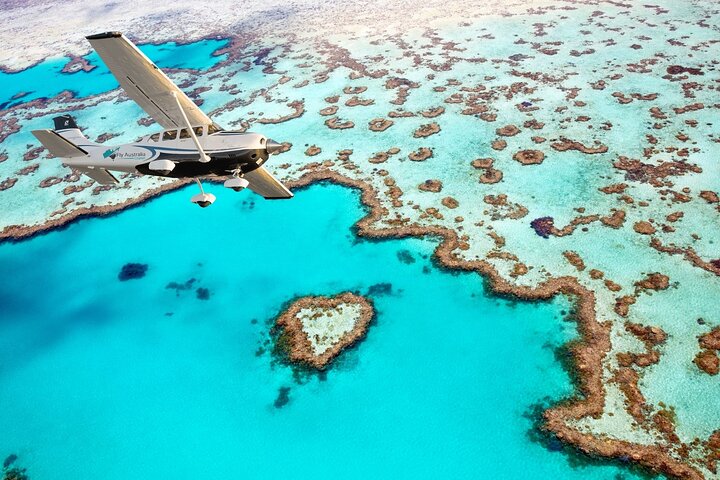
Sailing is at its best in the dry season, when steady winds and sunny days create classic conditions. Scenic flights depend on clear skies and good visibility, so mornings in the dry months are ideal. Skydiving, jet boating and rafting can run in most conditions, but wind may cause delays. Rainforest walks are lush in the wet season but may be slippery, and waterfalls are at their most spectacular after rain, although swimming holes can be unsafe at high flow.
Wildlife timing
Kangaroos at Cape Hillsborough appear at sunrise throughout the year, with tide and weather affecting the show. Platypus at Eungella are most active at dawn and dusk. Turtles can be seen around the islands year-round, and nesting season occurs in the warmer months on certain beaches. Crocodiles are active all year, though cooler weather often brings more basking.
Choosing a month
If you want certainty, reliable weather and the best chance of whales, plan for June to September and book early. If you want a quieter, cheaper trip and are happy to adapt, choose the shoulder months. If you prefer hot-weather swimming and lush landscapes and accept the risk of rain, the wet season has its own appeal. Whatever you pick, allow spare days, check the forecast and build your itinerary around the big water trips first.