The Whitsundays are a natural playground for families, with warm water, sheltered islands and wildlife encounters that children remember for years. The challenge is choosing activities that match their ages and energy levels, and managing sun, water and motion sickness along the way. This guide pulls together the best family-friendly options, with practical tips for each age group.
Plan around ages
Young children do best with short, simple outings, such as a glass bottom boat tour or a visit to the lagoon and foreshore. Primary-school children can enjoy a day cruise to Whitehaven Beach, a reef pontoon with a viewing deck, or a half-day wildlife outing. Teenagers often prefer active options such as kayaking, rafting, a jet boat ride or a longer sailing trip. Always check minimum ages, height and weight limits, and health restrictions when you book.
Easy water days
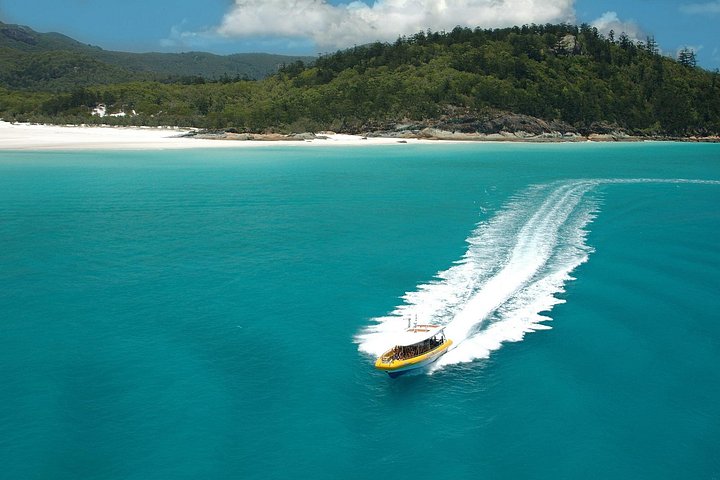
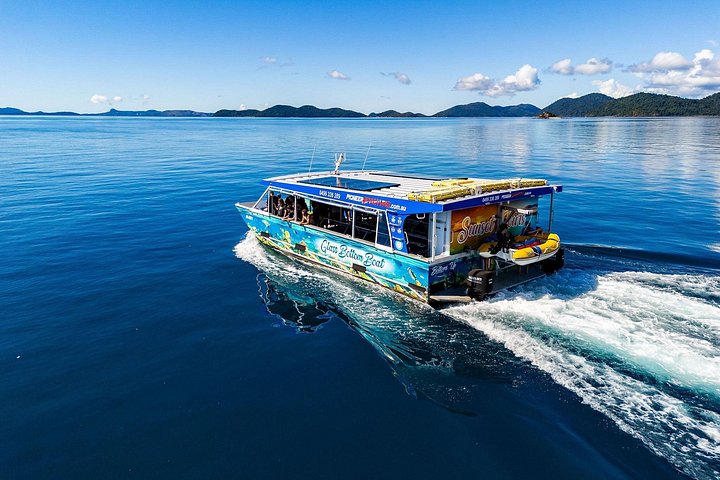
The glass bottom boat is an excellent first reef experience because everyone stays dry and the trip is short. A day cruise to Whitehaven Beach offers shallow, sheltered swimming and a lookout walk, with toilets and shade on a catamaran. A reef pontoon trip is more demanding because of the long crossing, but it provides flotation aids, viewing decks and lifeguards. Whichever you choose, bring snacks, hats and a change of clothes.
Wildlife for curious kids
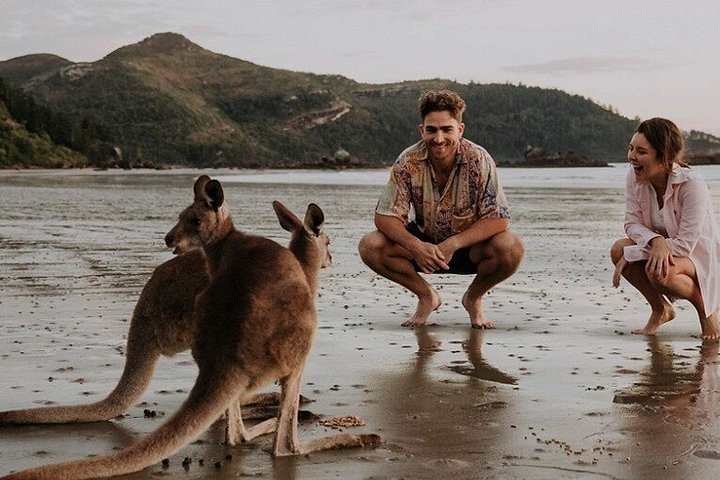
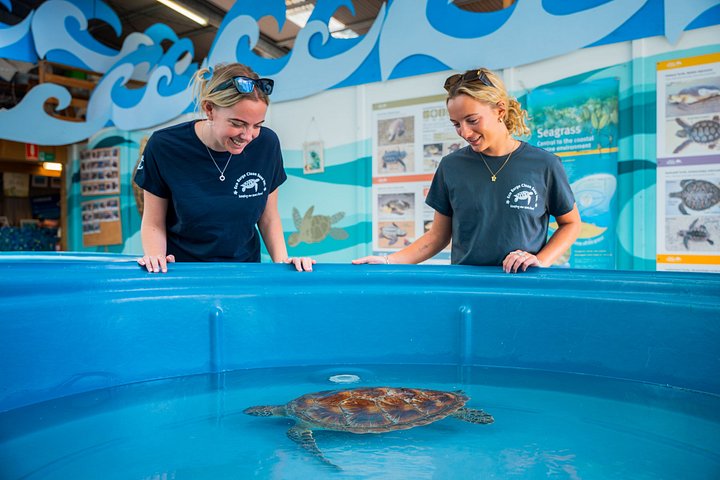
A sunrise visit to Cape Hillsborough to watch kangaroos and wallabies on the beach is a highlight for many families. The Eungella platypus trip rewards patience and suits older children, while the crocodile safari offers a thrill from the safety of a covered boat. The sea turtle conservation experience adds an educational angle that often sparks questions about plastic, pollution and what people can do to help.
Rainforest and waterfalls
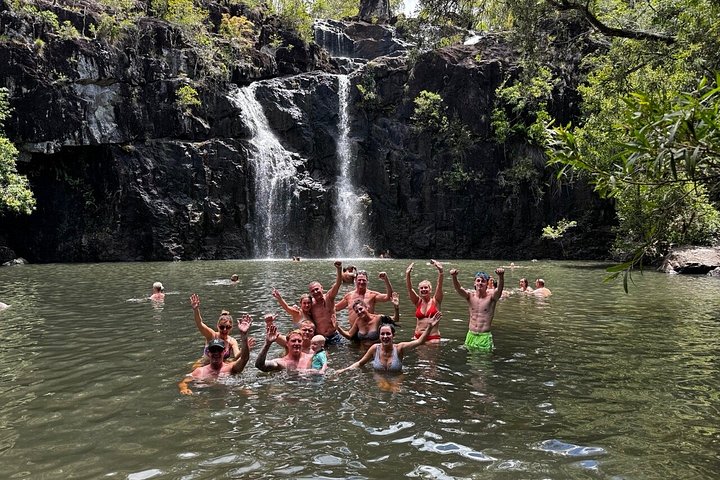
A short guided walk to Cedar Creek Falls introduces children to the forest and the pleasure of swimming in a rock pool. Wear shoes with grip, bring water and let the guide set the pace. After heavy rain, creeks can run fast, so follow instructions about where to swim. The walk is a good rainy-day option, because the canopy offers some shelter and the forest looks wonderful in damp weather.
Sun, water and safety
The Queensland sun is strong, so use broad-spectrum, reef-safe sunscreen, rash vests, hats and sunglasses. Reapply often, especially after swimming, and encourage regular water breaks. Life jackets are provided on boats and should be worn according to the crew's instructions. Keep a close eye on children near the water, on beaches and on rocky landings, and never allow swimming in unmarked areas near the mainland coast.
Stinger season
From about November to May, marine stingers can be present in the water, and operators provide full-body suits for snorkelling and swimming at the islands and the reef. Children usually wear them without fuss if the crew makes it fun. Beaches near town may have stinger nets, and local signs provide guidance. In the cooler months the risk is much lower, which is one reason many families choose winter.
Motion sickness
Children can be prone to seasickness on open water. Give an age-appropriate remedy before the trip, keep them in fresh air, and feed them light snacks. Choose calmer options, such as catamarans, over fast rafts if the forecast is windy. Look at the horizon, avoid screens and let them nap if needed. Having a plan for a rough crossing saves stress for everyone.
Rainy-day ideas
If the weather turns, switch to land activities: the rainforest walk, a visit to the turtle conservation centre, the lagoon in a short dry spell or a coffee-and-cake crawl along the foreshore. Kids may also enjoy a cooking session or a movie, depending on what your accommodation offers. Keep a flexible day in your itinerary so that you are not forced to cancel a big water trip because of a single forecast.
Where to stay
Apartments and aparthotels give families extra space, kitchens and laundry. A resort-style property with a pool helps on rest days, and a base close to the lagoon and foreshore makes evenings easy. For a different feel, consider a night or two on Hamilton Island, where the car-free setting and activities suit older children. Check cot and high chair availability if you have toddlers.
Pacing the trip
Do not overbook. Aim for one big outing per day, with a quiet morning or afternoon to rest. Build in time for ice cream, playground stops and sandcastles, because small pleasures often matter as much as the headline sights. A happy, well-rested family is the best way to enjoy the Whitsundays.