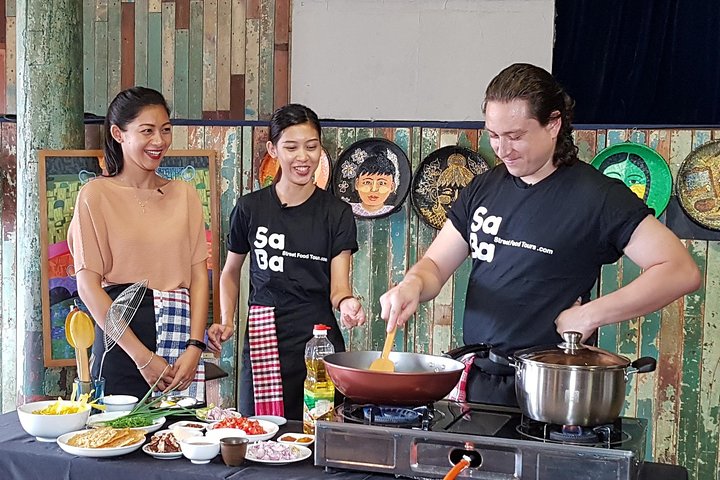
A cooking class is one of the best ways to understand Burmese food, and the market visit that opens this one makes it more than a recipe lesson. Burmese cooking is built around a handful of building blocks: a fried base of onion, garlic and oil, turmeric and chilli, fish sauce or fermented shrimp paste, and a table of contrasting dishes that arrive together, usually rice with a curry, a soup, a salad, a dip with raw vegetables and something sour or crunchy. Learning how those pieces balance helps you order and appreciate food for the rest of the trip. The market tour shows what goes into the dishes: the many kinds of rice and noodles, vegetables you may not recognise, fresh river fish, dried prawns, fermented tea leaves and the herbs that give salads their freshness. Back in the kitchen you cook several dishes under guidance, typically including a curry, a salad and a soup or side. Because cooking happens in a home or a small studio, you also get time to talk with your host about family meals and traditions. The class ends with a shared lunch, which is the real reward, and most people leave with recipes to try at home.
How it works
The class starts with a guided visit to a local market, where the host or chef explains the ingredients and picks what you will cook. You then move to the kitchen, usually nearby, and prepare a menu together. Group sizes tend to be small, with hands-on cooking rather than demonstration, and the whole session lasts a few hours, finishing with lunch. Check the meeting point, whether recipes are provided and what dietary adjustments are possible.
What you cook
Menus vary, but you can expect classics such as a chicken or fish curry, a tea leaf or tomato salad, a vegetable dish and a soup, plus rice. The host will talk about spice levels and substitutions that make it easy to recreate at home. Vegetarian versions are often possible with notice.
Making the most of it
Wear clothes you do not mind getting splashed and comfortable shoes for the market. Bring an appetite, since you eat everything you cook. Ask for the recipes and the names of ingredients in Burmese so that you can look for them at home. If you have allergies, tell the operator in advance, because fish and shrimp pastes are common.
Good to know
Burmese meals are shared, so the dishes you cook are meant to be eaten together with rice and side plates, and the host will often explain how a family table is set. Spice and salt levels are adjustable, and you can ask to reduce chilli. If you have a limited stay, the class is a good rainy-day plan because most of it is indoors. Keep some time after lunch for a rest, because the portions are generous.
Who it suits
This is a good choice for solo travellers, couples and small families who like practical experiences, and it works well on a day when you want a break from temples. Beginners are welcome, and keen cooks will enjoy the chance to ask detailed questions about techniques such as frying the base of a curry slowly in oil or balancing sour, salty and sweet in a salad.
What to expect
The experience
A guided market visit followed by a hands-on cooking session and a shared meal.
Best time
Morning, when markets are busiest and the kitchen is cooler.
How long
About four hours including the meal.
Tips
Wear comfortable shoes and clothes that can handle splashes, and share dietary needs in advance.
Quick picks
- Best for
- Travellers who want to take Burmese cooking home with them.
- Families
- Children can join in simple tasks, which makes it a fun family activity.
- Couples
- A shared hands-on activity that ends with a meal you made together.
- Pair with
- The evening street food walk for a full day of Burmese food.
- Time needed
- A morning.
Good questions
Do I need cooking experience?+
No, the classes are designed for all levels and are hands-on rather than strict demonstrations.
What dishes will I cook?+
A typical menu includes a curry, a salad and a soup or vegetable side, but the exact dishes vary.
Can vegetarians take part?+
Usually yes with notice, though fish and shrimp pastes are common, so tell the operator in advance.
Do I get the recipes?+
Many classes share recipes, but confirm when you book.
Where does the class meet?+
The start point and the market visited are confirmed when you book.