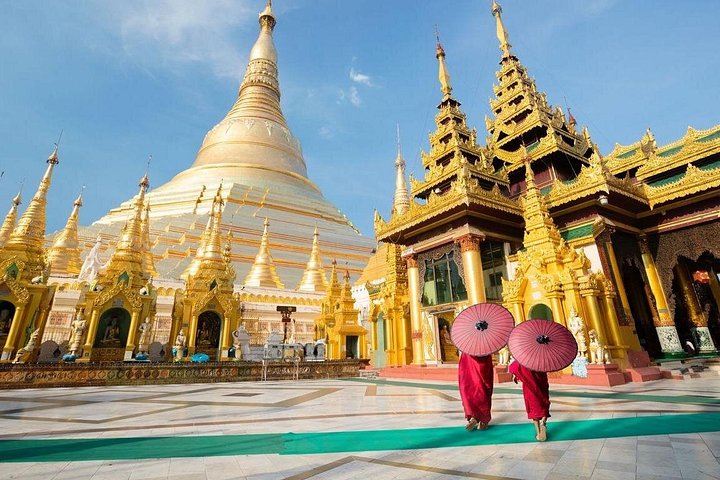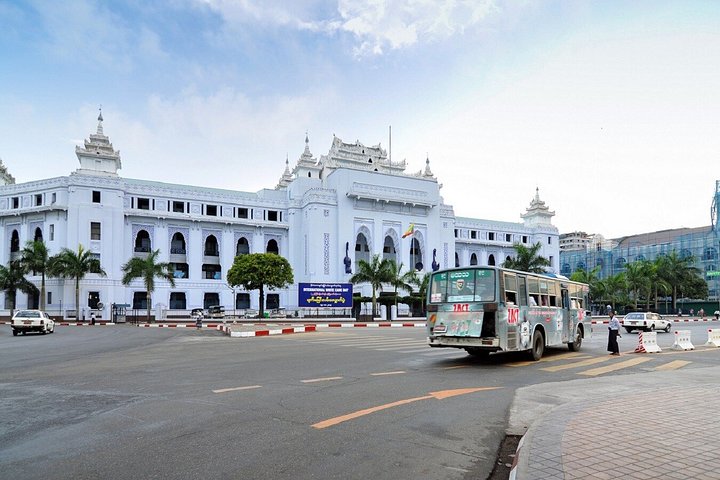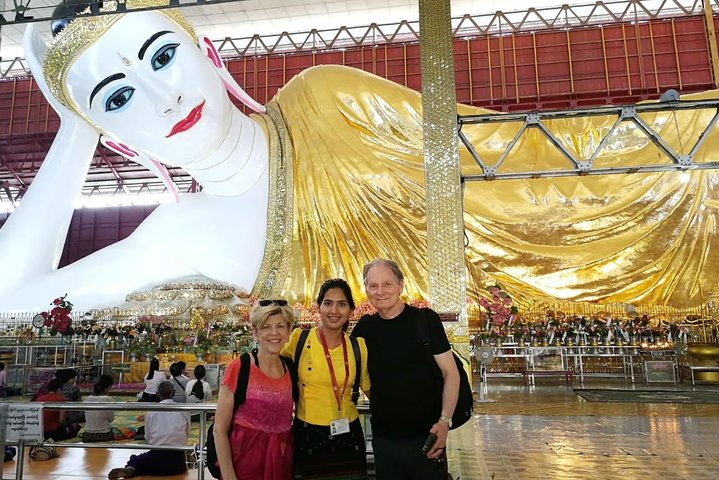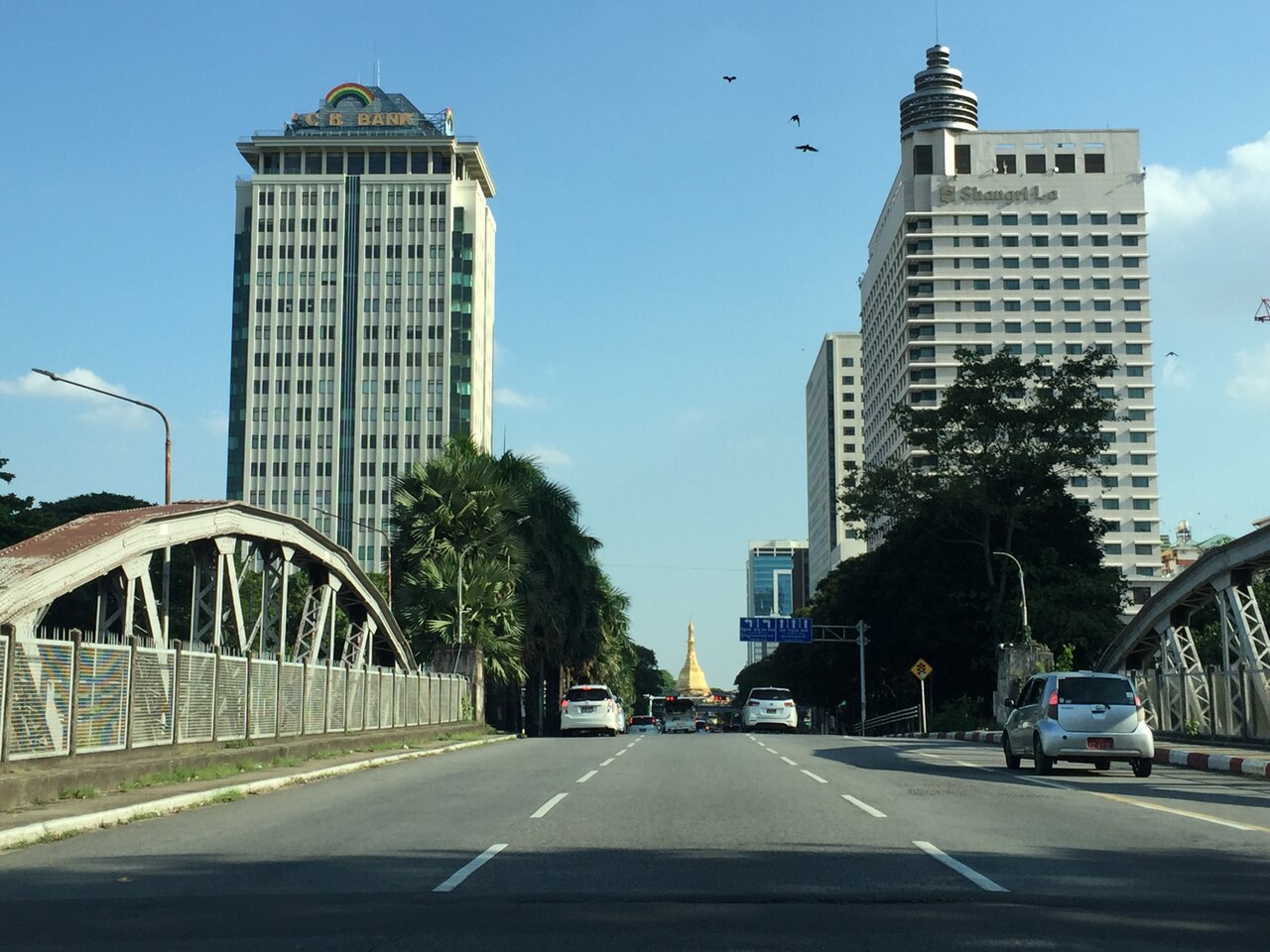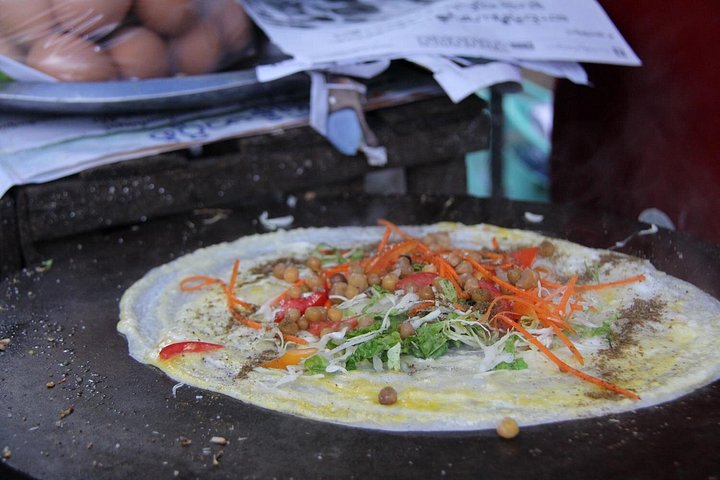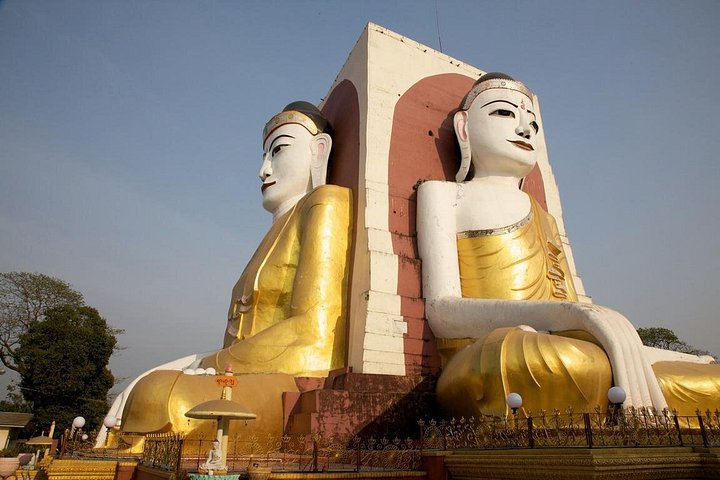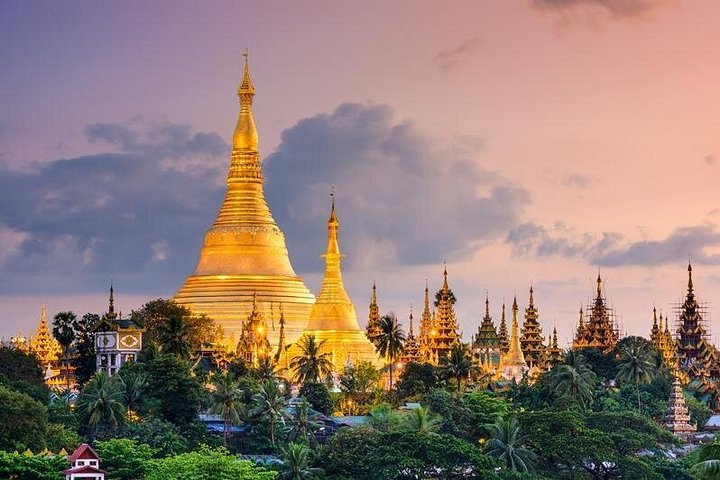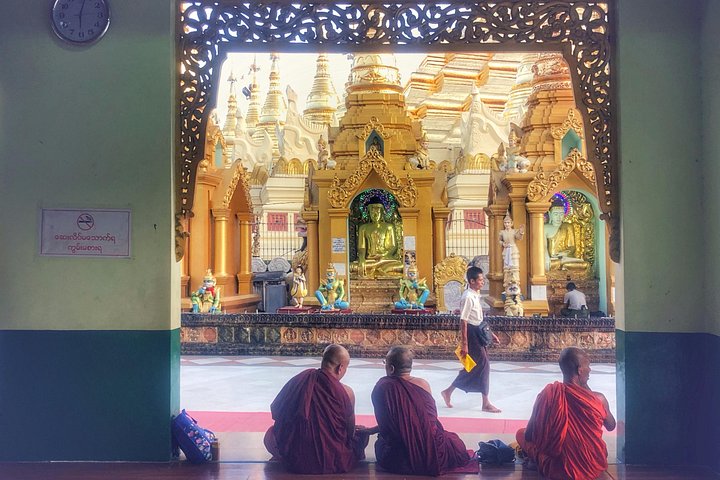
Yangon is a photographer’s city, with golden pagodas, crumbling colonial facades, colourful markets, monks in maroon robes and street scenes that change by the hour. This one-day photo tour is designed to help you capture it with a guide who knows where the best light and the best moments are. Rather than ticking off sights, the day is structured around photography, with early and late stops for soft light, time at markets for portraits and details, and visits to places such as pagodas, riverfronts, rail lines or old downtown streets where scenes unfold naturally. The guide helps with access, suggests angles and compositions and advises on how to ask for permission when photographing people, a skill that makes the difference between awkward snapshots and memorable portraits. The tour suits enthusiasts and beginners alike, since you work at your own level and the guide offers tips on camera settings and composition if you want them. Even if you use only a phone, you leave with strong images and a better understanding of the city, because slowing down to observe makes you notice details that a quick tour misses.
How it works
The day typically begins early with hotel pickup, moves through several locations by vehicle and on foot, and finishes after sunset or at dusk. Meals or breaks are arranged along the way. Check the start time, group size and what is included, and confirm whether the guide offers technical advice if you want it.
What you see
Busy markets, pagodas, riverside scenes, colonial streets and everyday life. Light is best at dawn and late afternoon, so the schedule is built around those windows.
Making the most of it
Bring a camera or phone with plenty of storage, a spare battery and a lens cloth. Wear comfortable shoes and light clothes, with shoulders and knees covered for pagodas. Respect people’s privacy, ask before taking portraits and consider sharing the images afterwards. A small tip or purchase at a stall is a courteous thank you.
Good to know
The cool season from November to February offers the clearest light, while the rainy season brings dramatic skies and fewer crowds. Plan for a long day and pace yourself with water and breaks. The tour works well on a first or second day in Yangon, because the guide can point out locations you may want to revisit.
Why it works
A guide who shoots regularly knows where the best light falls and when, and can open doors to places such as market corners and rail crossings that you might hesitate to enter alone. The day also teaches patience, because the best frames often come when you wait for a scene to develop. Editing on the go is easy with a phone, and many photographers share images with the people they photograph, which builds goodwill.
Who it suits
Hobbyists and travellers who want better pictures, solo visitors who like having a companion and couples who share an interest in photography. Beginners are welcome, and the guide can adapt to the pace you prefer.
Ask the guide to share a shot list of locations so you can return alone on a free afternoon and shoot at your own pace.
What to expect
The experience
A full-day guided photography outing across pagodas, markets, riverfronts and colonial streets.
Best time
The cool season from November to February, with early and late light.
How long
A full day.
Tips
Bring spare batteries, ask before photographing people and dress modestly for pagodas.
Quick picks
- Best for
- Photographers of all levels who want to capture Yangon with local help.
- Families
- Best for teenagers or adults who enjoy photography.
- Couples
- A creative day together.
- Pair with
- A sunset visit to Shwedagon or a heritage walk.
- Time needed
- A full day.
Good questions
Do I need a professional camera?+
No, a phone works well, and the guide can help at any level.
Will the guide teach photography?+
Many guides offer tips on composition and settings if you want them.
How do I photograph people politely?+
Ask first, smile and share the photo if you can. The guide will help.
When does the day start?+
Usually early for soft light, but confirm the time when you book.
What should I wear?+
Comfortable shoes and light clothes that cover shoulders and knees for pagodas.