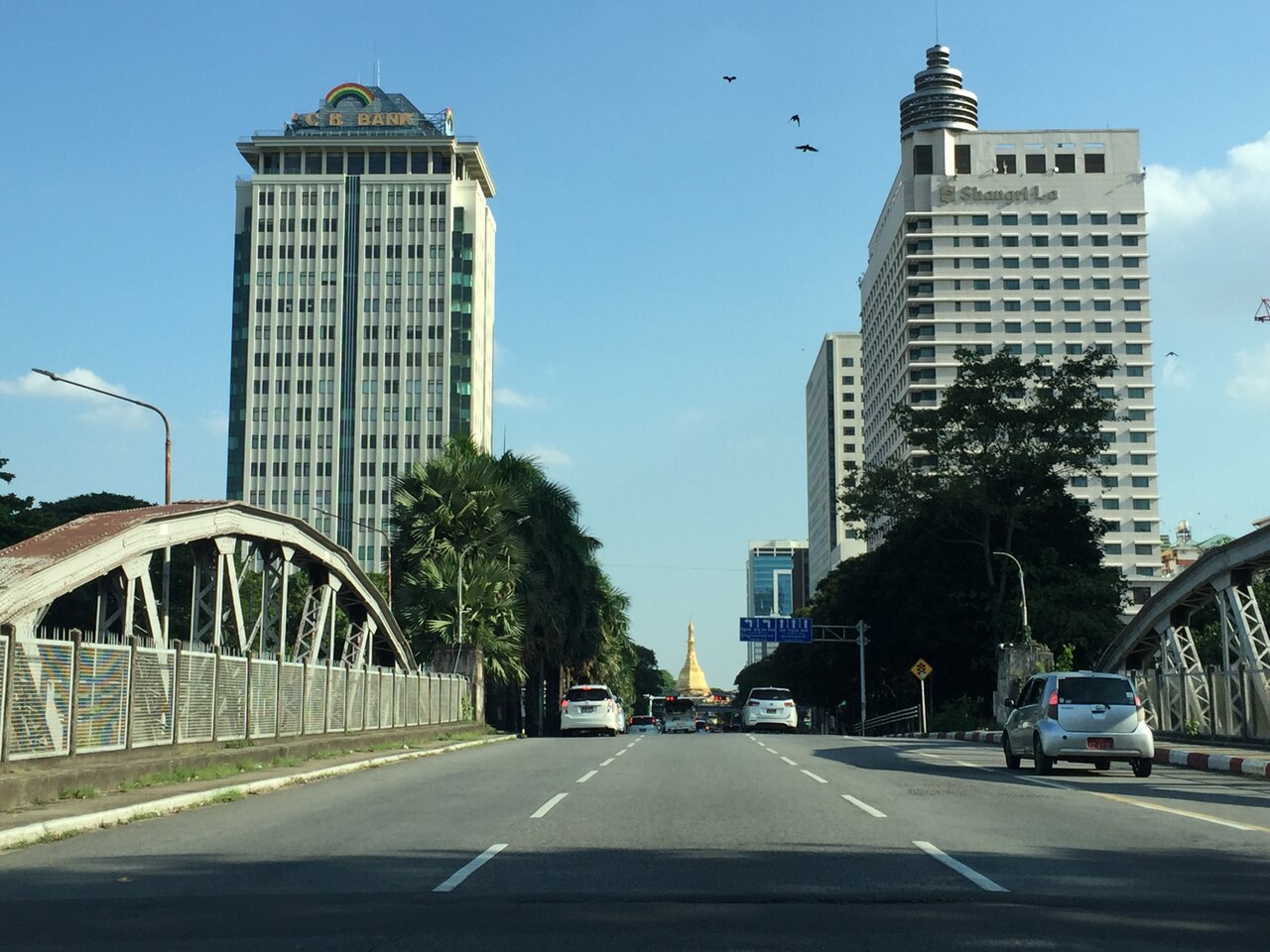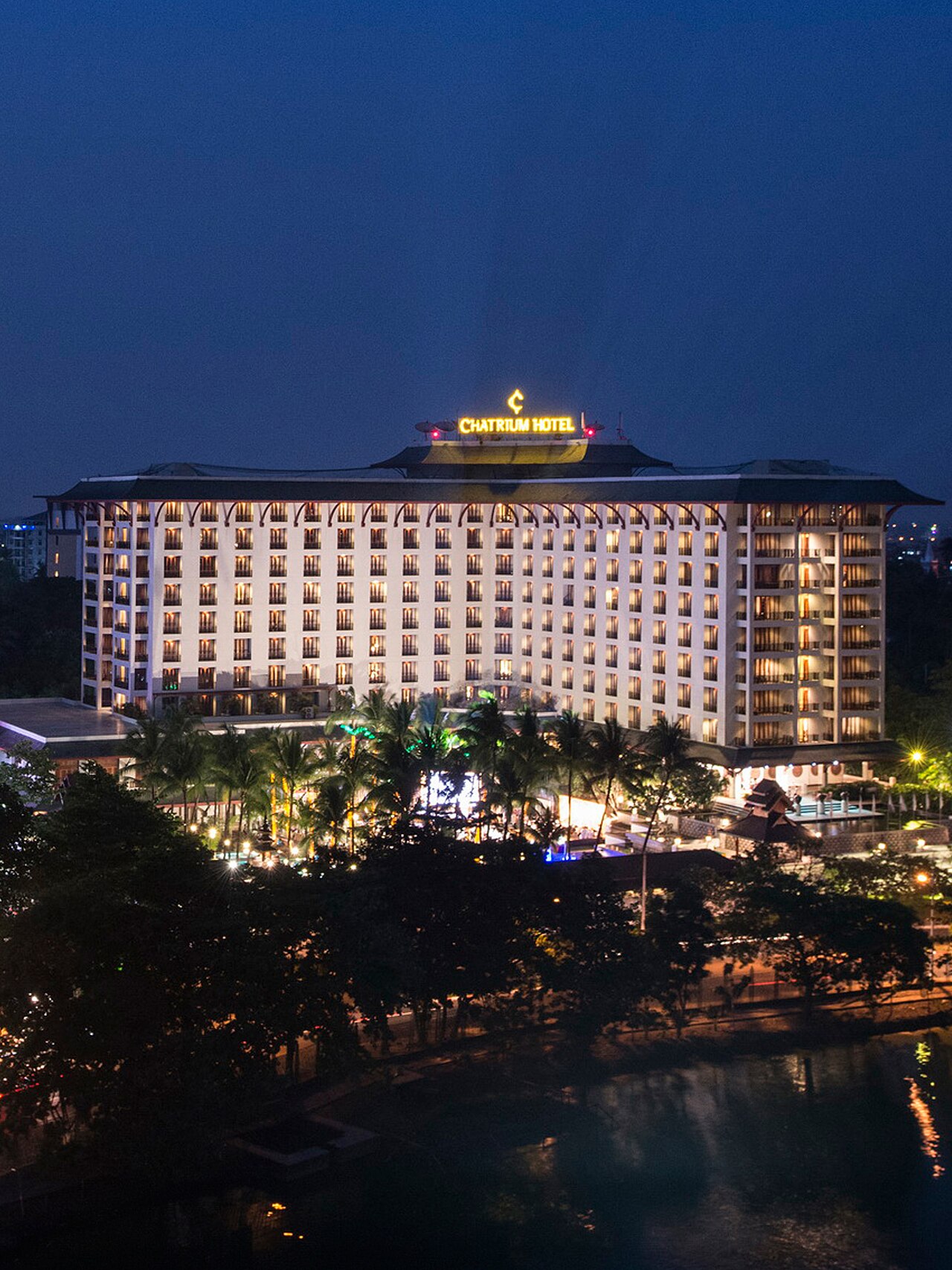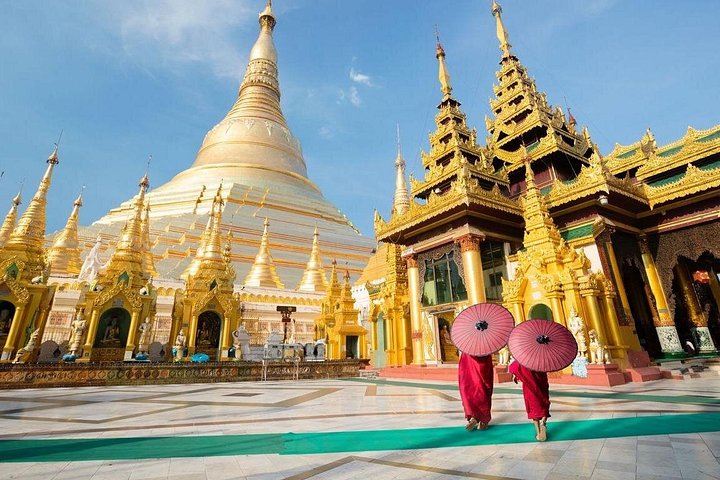
Yangon is the largest city in Myanmar and the usual gateway for visitors, a humid, green, endlessly interesting place where golden pagodas rise above crumbling colonial blocks and the street life never really stops. It rewards a little planning, because the city is spread out, traffic is heavy and the best experiences are often early or late in the day.
Before you go
Travel conditions and advice for Myanmar vary by government and by region, and they can change, so check your own government’s current travel advice and the entry requirements for your passport well before you book flights and tours. Look into visa or e-visa arrangements early, carry copies of your documents and consider travel insurance that covers the places you plan to visit. Once you have settled the basics, Yangon itself is easy to enjoy.
How many days
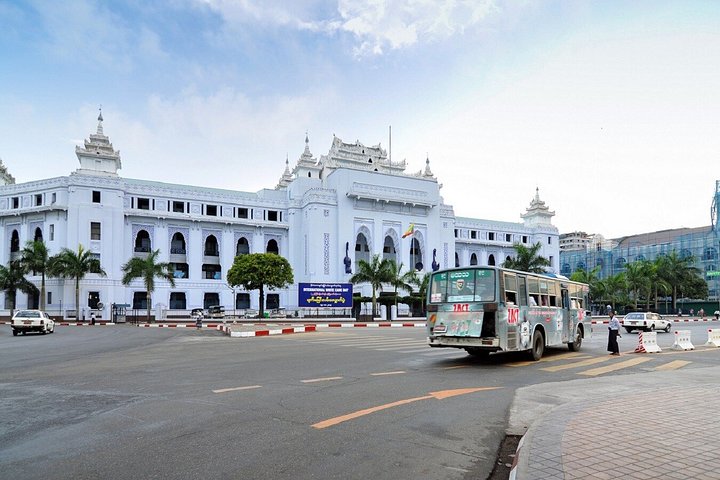
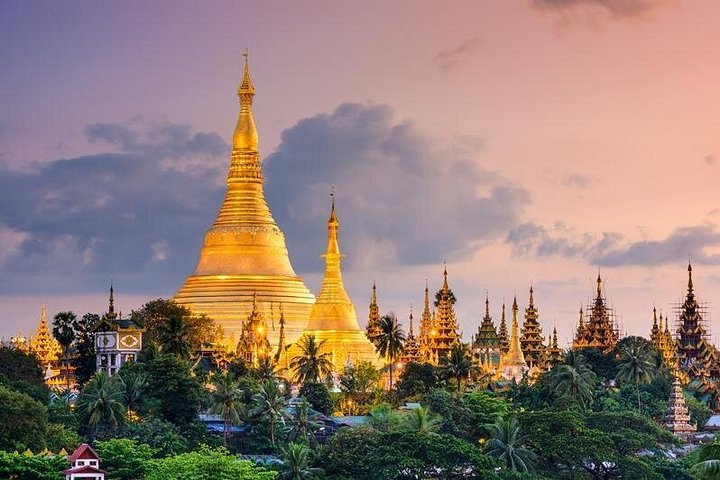
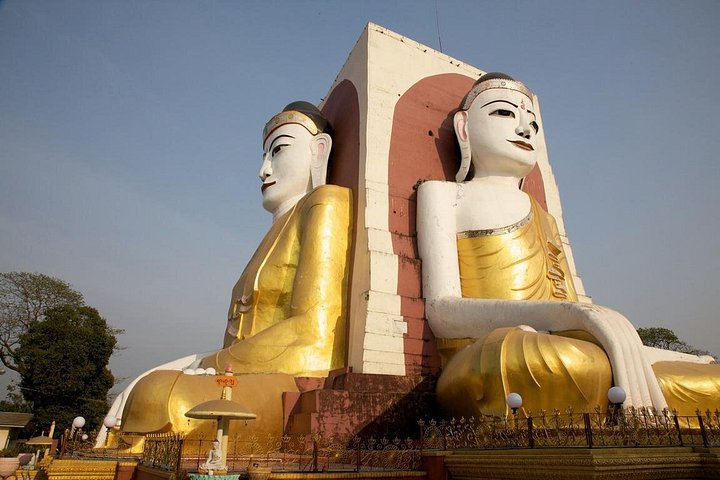
Two full days let you see the essentials: Shwedagon Pagoda, the downtown colonial core and a food walk. Three to four days add a day trip to Bago, Dala or Twante, and a week lets you add the Golden Rock or a longer circuit toward Bagan and Inle Lake. Many travellers use Yangon as a first and last stop, which means you can split your time between arrival and departure.
What to book ahead
Guided visits to Shwedagon, the Golden Rock overnight trip and the longer circuits are worth reserving ahead in the cool season, from November to February, when demand is highest. Cooking classes and food walks have limited places, so book those too. Day trips to Bago and Dala can usually be arranged a day or two in advance, but early booking gives you more choice of guide and departure time.
Getting around
Taxis and ride-hailing cars are the normal way to cover distances, and traffic can turn a short hop into a long wait at rush hour. Downtown is walkable, and the circular train is a fun way to see the outskirts. Hiring a car with a driver for a day is a convenient option for sightseeing across several districts. Agree the fare in advance with street taxis, and use apps where possible.
Money and costs
Cash remains important for small purchases, tips and street food, so carry small notes. Cards are accepted at larger hotels and restaurants, but not everywhere. ATMs exist in the city, though it is wise to withdraw in advance and keep some reserve cash. Prices for tours vary by operator, so compare inclusions such as entrance fees, lunch and pickups rather than just the headline cost.
What to wear
Pagodas and monasteries require modest clothing, with shoulders and knees covered, and you take off shoes and socks at the entrance. Slip-on shoes and light, loose clothes make life easier. Carry a scarf, a hat and sunscreen, and a small umbrella that doubles as sun and rain protection. Avoid pointing your feet at Buddha images, and do not climb on or pose disrespectfully with sacred objects.
Heat, rain and health
Yangon is hot and humid for most of the year, with a rainy season from roughly June to October and the cool, dry season from November to February. Drink bottled water, wash your hands often and eat freshly cooked food at busy stalls. Bring insect repellent, and ask your doctor about vaccinations before you travel.
Etiquette
Greet people with a smile, use your right hand or both hands when giving or receiving items, and ask before photographing monks, worshippers or people at work. Monks should not be touched by women, and it is polite to give them space. Keep your voice low in religious places, and do not raise your voice in public, which is considered rude.
Staying connected and safe
Mobile coverage and Wi-Fi are available in hotels and many cafes, but speeds vary. Keep copies of important documents, use hotel safes and stay aware of your belongings in crowds. Follow local guidance and your guide’s advice, especially around sensitive topics and photography near government buildings.
A simple first-timer plan
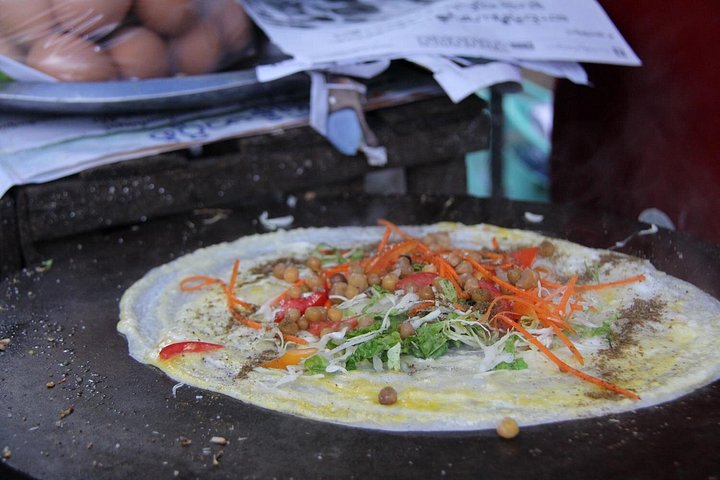
Spend the first afternoon walking around Kandawgyi Lake or resting after your flight, then see Shwedagon at sunset. On day two, take a heritage walk downtown and finish with a street food tour. Use day three for Bago or Dala, and keep a flexible evening for a cooking class or a quiet dinner. This mix gives you the monuments, the streets and the food without rushing.