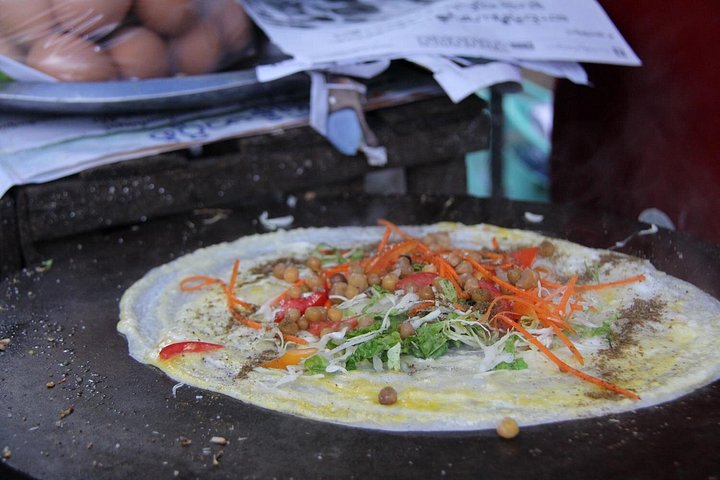
Yangon is a rewarding city for eaters. Burmese cuisine sits between its neighbours but has its own character, based on fermented tea leaves, dried shrimp, fish sauce, chickpea flour, garlic, onions and a balance of salty, sour and spicy flavours. The city adds Indian, Chinese and Shan influences, so a day of eating can run from a noodle soup at dawn to a biryani lunch and grilled skewers at night.
Start with mohinga
The national breakfast is a rice noodle soup in a fish broth thickened with chickpea flour, flavoured with lemongrass, ginger and banana stem, and topped with a fried fritter or boiled egg. You will find it at pavement stalls and small restaurants, usually from early morning until the stock runs out. Add chilli, lime and coriander to taste.
Tea shops
Tea shops are the social centres of the city. You sit on small stools, order sweet milky tea and share plates of snacks, such as fried pastries, flatbreads with curry, samosas and steamed buns. They open early, stay busy through the day and are good places to rest, plan and watch daily life. Pay attention to how locals order and signal for more tea.
Laphet thoke
Tea leaf salad is the dish most associated with Burmese food. Fermented tea leaves are mixed with fried beans, nuts, sesame seeds, dried shrimp, tomato, garlic and chilli, then dressed with lime and oil. The result is crunchy, sour and slightly bitter. Many restaurants serve it on a tray with separate piles that you mix at the table.
Curry and rice
A traditional Burmese meal is a spread of dishes served with rice: one or two curries, a soup, a salad, a dip with raw vegetables and pickles. Curries tend to be oily rather than creamy, with onions, garlic, turmeric and chilli. Order a few dishes to share and enjoy the variety. Vegetarian options exist, but fish paste and shrimp are common, so ask.
Shan and other regional dishes
Shan noodles come in soup or dry versions with marinated chicken or pork, pickled mustard greens and peanuts. Rakhine and Mon dishes appear on menus too, and you may see coconut noodles, called ohn no khao swe, which are rich and comforting. Try a few to see how varied the cuisine is across regions.
Indian and Chinese influences
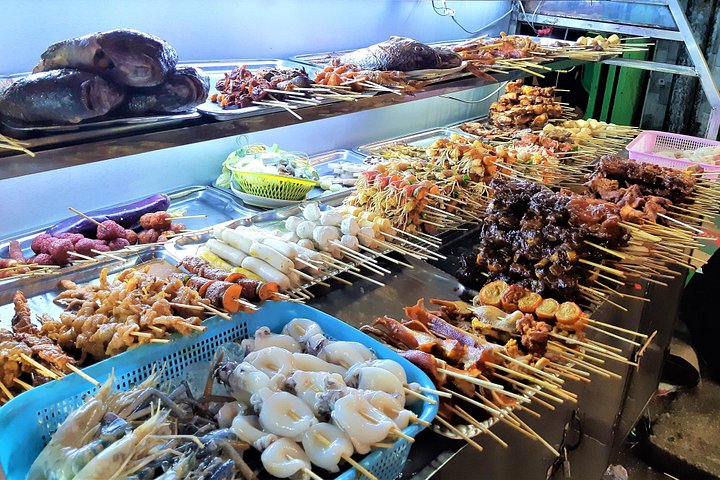
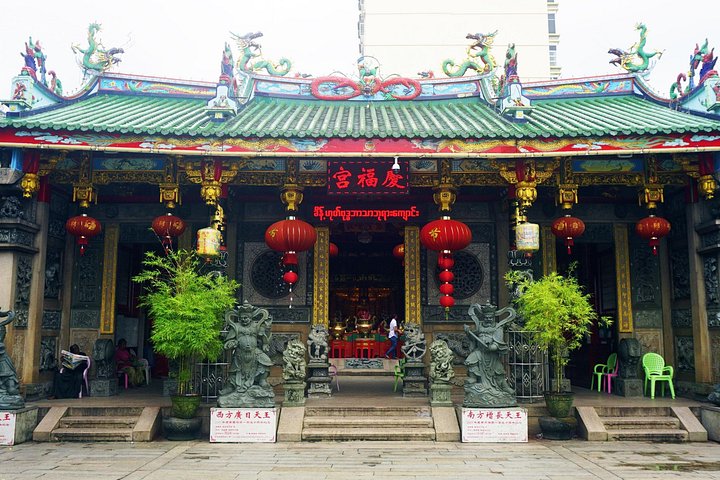
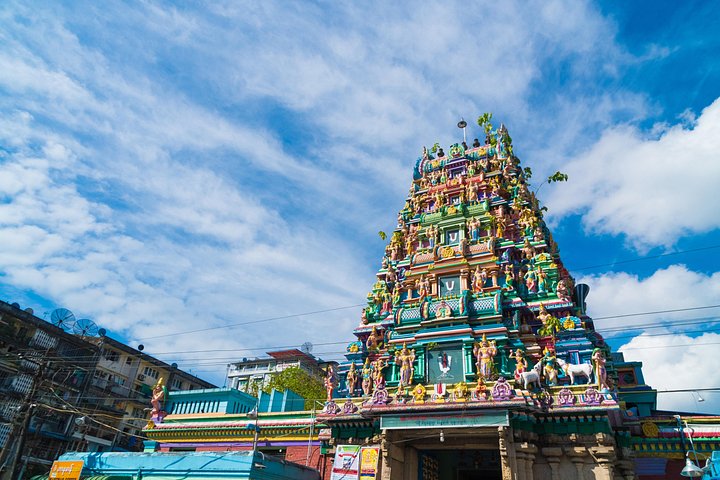
Biryani, parathas, samosas and curries come from the Indian community, with places in downtown and Little India serving dishes to long lines at lunchtime. Chinatown has dim sum, noodles and roast meats, and a night food street with grilled skewers and cold beer. These influences are part of what makes Yangon’s food scene feel so layered.
Street food etiquette
Choose busy stalls where food is cooked fresh, wash your hands before eating and carry tissues. Pay in small notes, and ask the price when it is not displayed. Drink bottled water or well-known drinks, and be cautious with ice if you have a sensitive stomach. If you are unsure what to try, a guided food walk is a fast way to learn.
Learn to cook
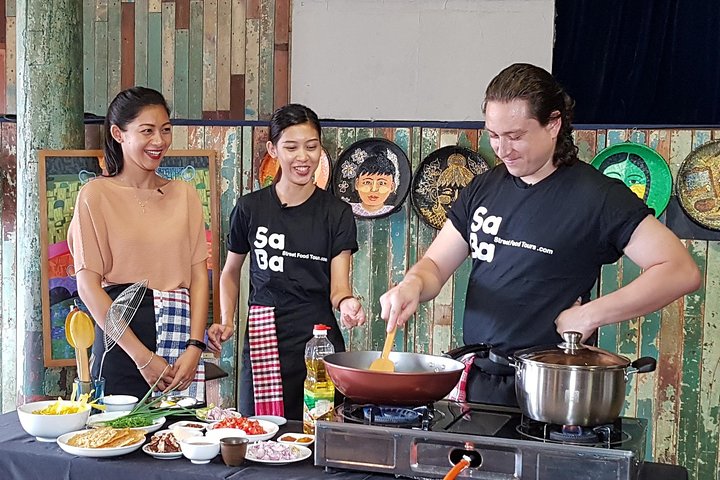
A cooking class with a market tour is one of the most enjoyable activities in the city. You learn the staples and the balance of flavours, and you leave with recipes. It also gives you confidence to order more adventurously for the rest of your trip.
Drinks and desserts
Try fresh sugar cane juice, coconut water and lime juice with salt. Sweet snacks include shwe yin aye, a cool dessert with coconut milk, jelly and bread, and palm sugar sweets. Local beer is widely available, and many restaurants serve it with grilled snacks.
Practical tips
Meals are often served family style, so go with friends and share. Restaurants may close early, so eat by nine in the evening, and look for places that stay open late if you arrive from a flight. Tell your guide or server about allergies or restrictions in advance.
Putting it together
A good eating day might start with mohinga at a pavement stall, move to a tea shop mid-morning for sweet tea and a snack, and continue with a Burmese curry spread or a Shan noodle lunch. Late afternoon is a good moment for a sweet treat or fresh juice, and dinner can be a street food crawl or a relaxed meal at a restaurant with tea leaf salad as a starter. If you are travelling with children or picky eaters, simple fried rice, noodles and grilled meats are widely available, and most places can adjust spice levels on request.
Dietary needs
Vegetarians can eat well in Yangon, with tofu dishes, vegetable curries and salads, but fish sauce and shrimp paste appear in many dishes, so ask in Burmese or show a translated card. Those with allergies should check ingredients carefully, particularly peanuts and shellfish, which are common.