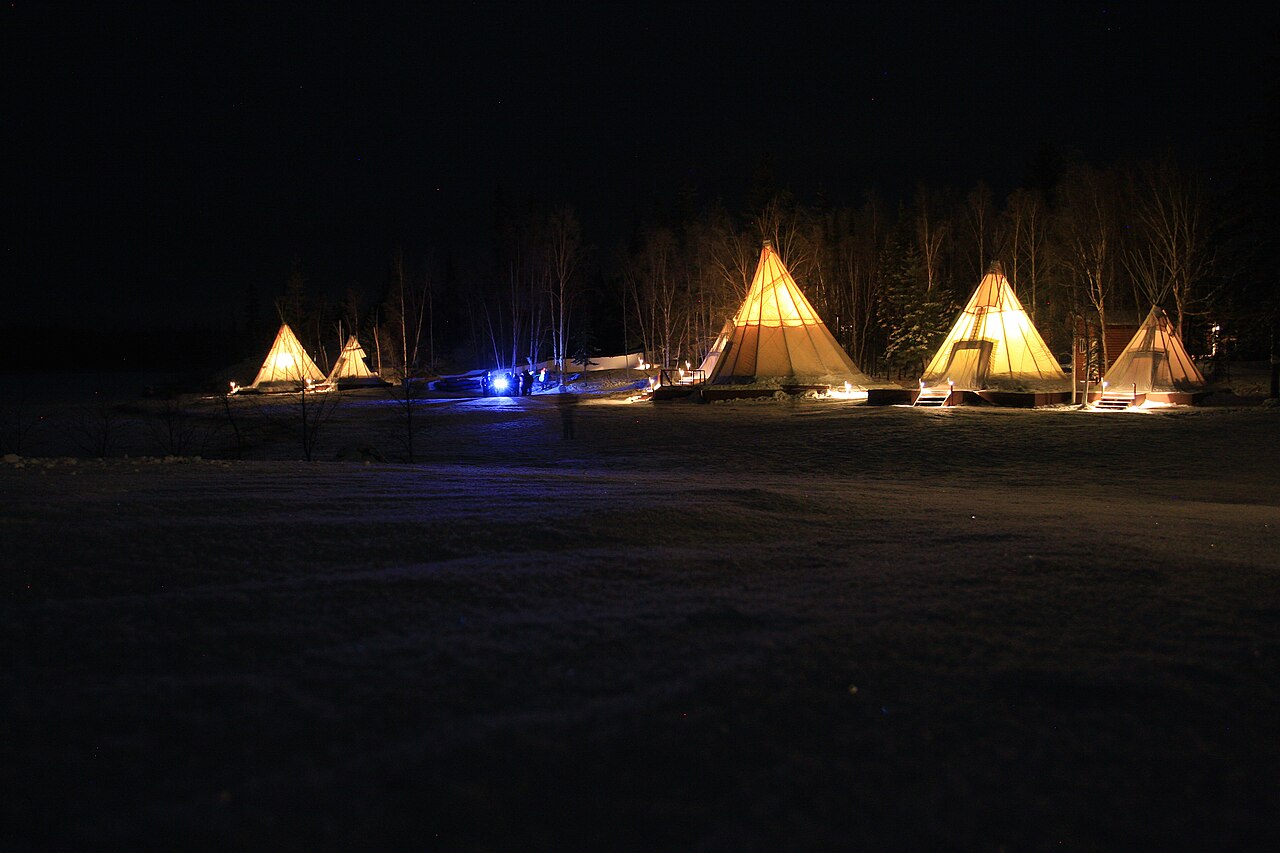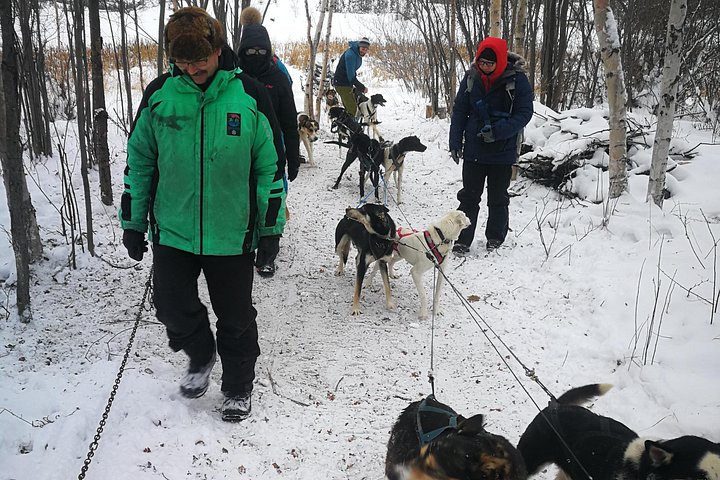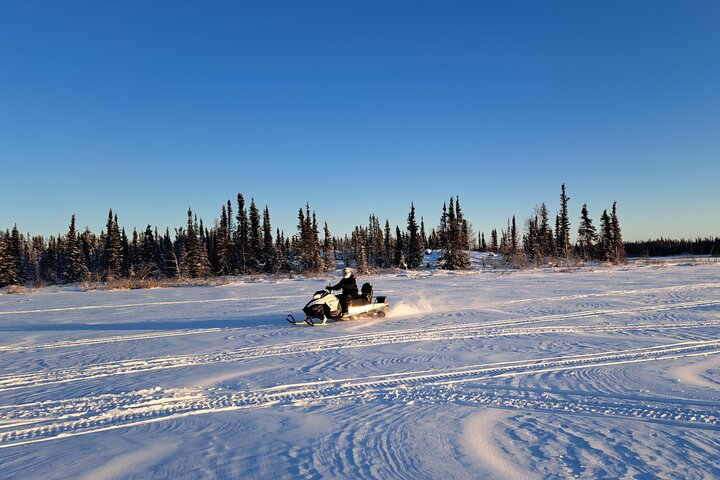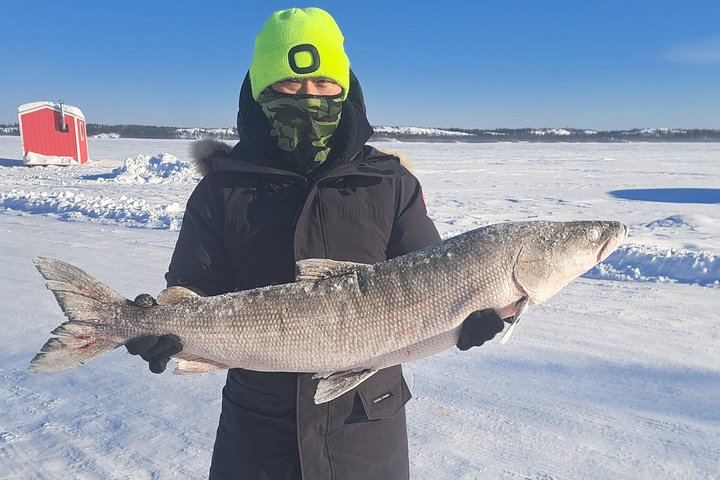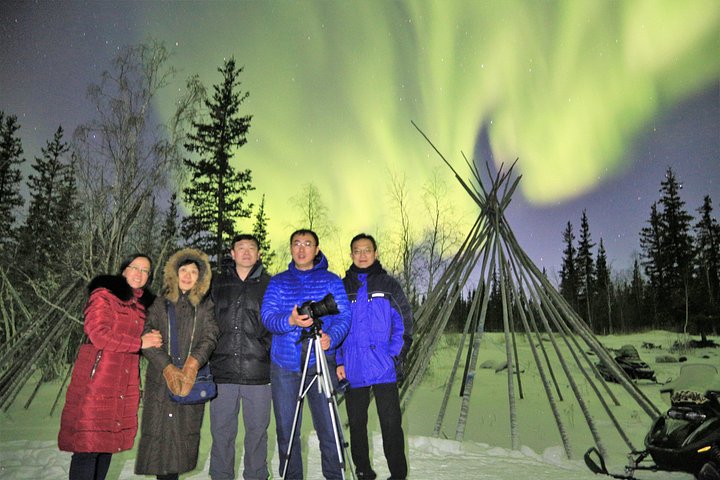
The single biggest factor in a successful aurora trip is the number of nights you spend watching. Cloud can ruin any one evening, so a multi-night package is the practical choice. A three-day guided tour builds viewing into several evenings, so a miss on the first night does not end the trip. Packages of this kind usually organise the evening sessions, and often daytime activities, under one booking, which saves you the work of comparing operators. The result is a calmer trip: you know where you are going each night, you have a guide who understands the sky and you have time to acclimatise to the cold and the long dark. It suits first-time visitors who feel unsure how to organise things, solo travellers who like a group framework and anyone with a short holiday window who wants to maximise their chances. Packages differ in what they include, so read the details before you pay.
Why three nights matter
The aurora is a function of solar activity and weather. Even in a place that gets many clear nights, a single evening has a real chance of cloud. Two or three evenings raise your odds sharply, and four or more are better still. A package makes that approach easy because you book once and the evenings are planned. It also avoids the temptation to keep the whole trip loose and then discover that the best tours are sold out.
What to check in the details
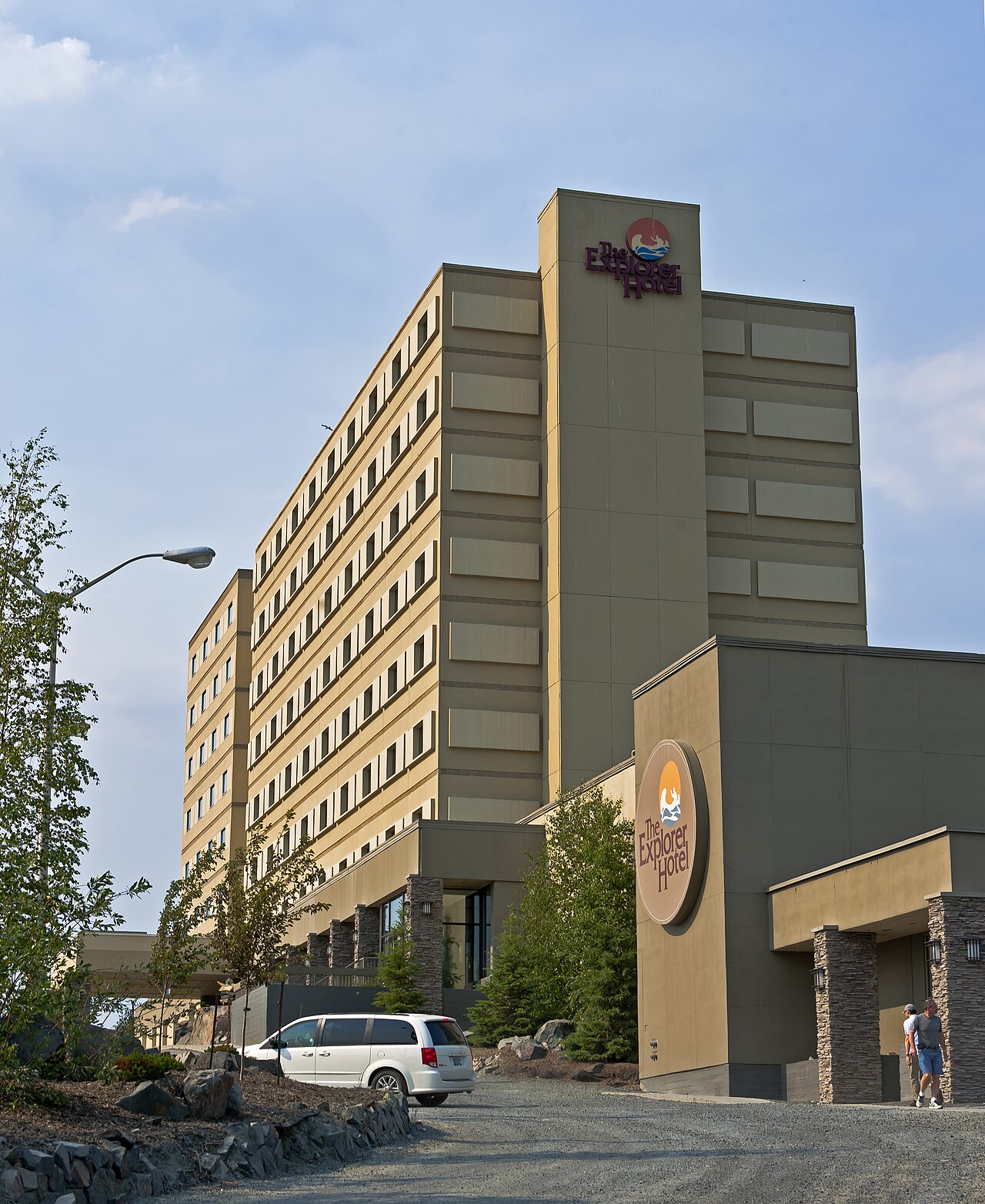
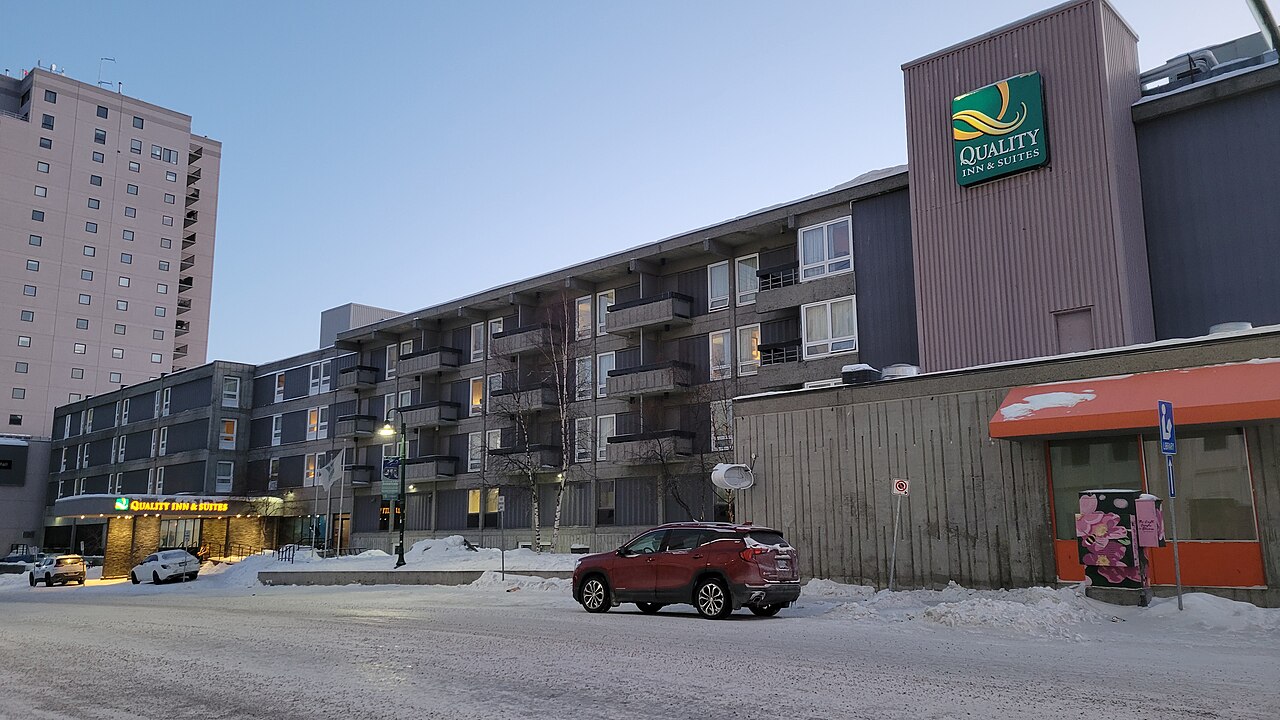
The number of viewing sessions, whether accommodation is included, whether airport transfers are part of the package, what is supplied in the way of winter clothing and whether daytime activities are included. Ask about the policy if you do not see the lights, as some operators will add extra sessions. Look at group sizes and the start time for each evening.
Planning notes
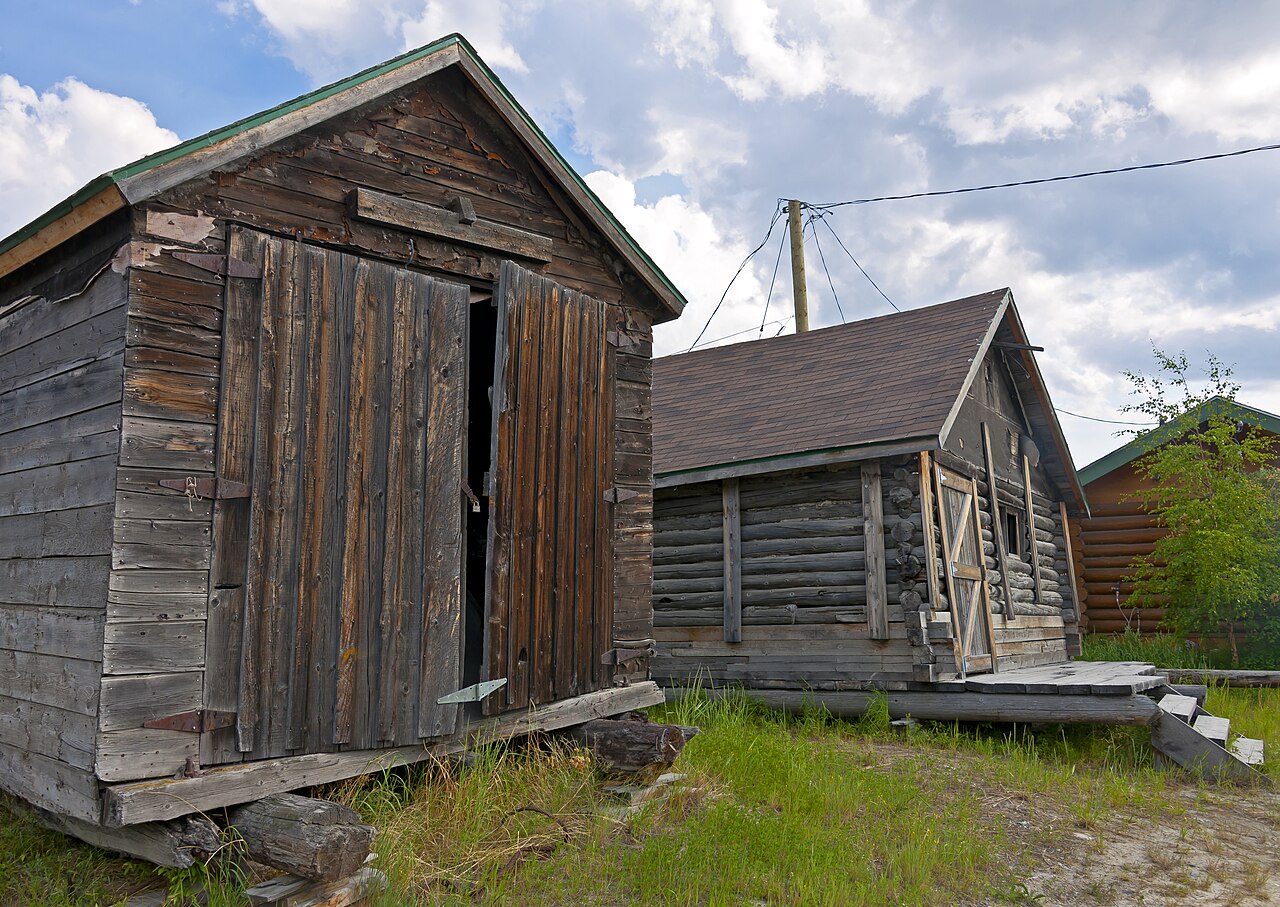
Arrive early in the day, so you can rest before the first evening, and remember that late nights are the norm. Keep daytime plans light on your first day. The Northern Heritage Centre, the Legislative Assembly and Old Town are all close and free, so they fit easily around the evening schedule. Dress in layers, bring a camera that handles cold and spare batteries, and consider travel insurance for flight disruptions in winter.
Choose your season with care
The fall viewing period and the winter period are separated by a cloudy gap, and late February and March are the popular months. Book early for those months, because packages with accommodation fill up first.
What to expect
The experience
A guided three-day aurora viewing package that spreads evening sessions across several nights.
Best time
Mid-August to late September and mid-November to early April, with late February and March the favourite months.
How long
Three days; check the schedule and inclusions.
Tips
Read the inclusions closely, ask about the policy if the sky is cloudy and plan light daytime activities.
Quick picks
- Best for
- First-time visitors who want several nights of viewing arranged in one booking.
- Families
- Works for families with older children who can handle late nights; check the schedule.
- Couples
- A well-organised trip that leaves time for rest and shared evenings.
- Pair with
- Free daytime sights such as Old Town and the Northern Heritage Centre.
- Time needed
- Three days.
Good questions
Why choose a multi-night package?+
Cloud can spoil a single night, so spreading viewing across several evenings greatly improves your chances.
What does the package include?+
It varies by package. Check the number of sessions, accommodation, transfers, clothing and daytime activities.
Is the aurora guaranteed?+
No. It depends on solar activity and weather. Ask the operator about their policy if the sky is cloudy.
When is the best time to book?+
Late February and March are popular, and packages fill early. Book well ahead.
What should I do during the day?+
Keep it light. The Northern Heritage Centre, the Legislative Assembly and Old Town are close and free.