The best time to visit Yellowknife depends entirely on what you want to do. The city is famous for the northern lights, but it is also a place of long summer days, a snow castle in March and a lake that turns into a road. This guide sets out the seasons plainly so you can match your dates to your priorities. Weather can change plans in any season, so allow spare days, check operating dates and treat the patterns below as general rather than guaranteed. The north rewards flexibility, and visitors who build in a spare day or two nearly always have a better trip than those who pack every hour.
Winter aurora season: mid-November to early April
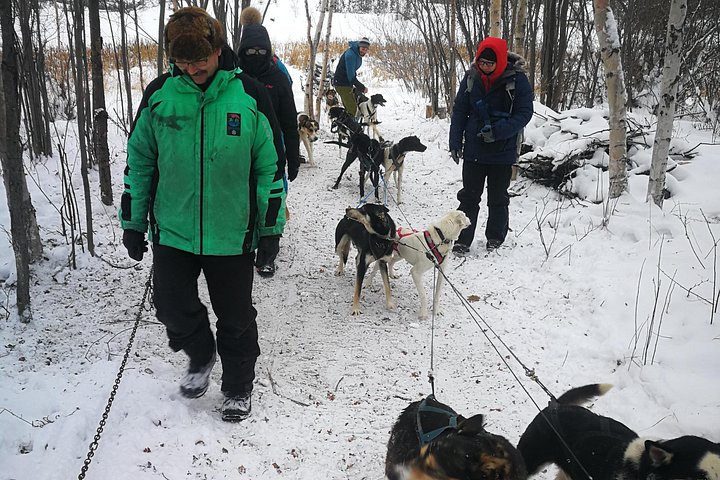
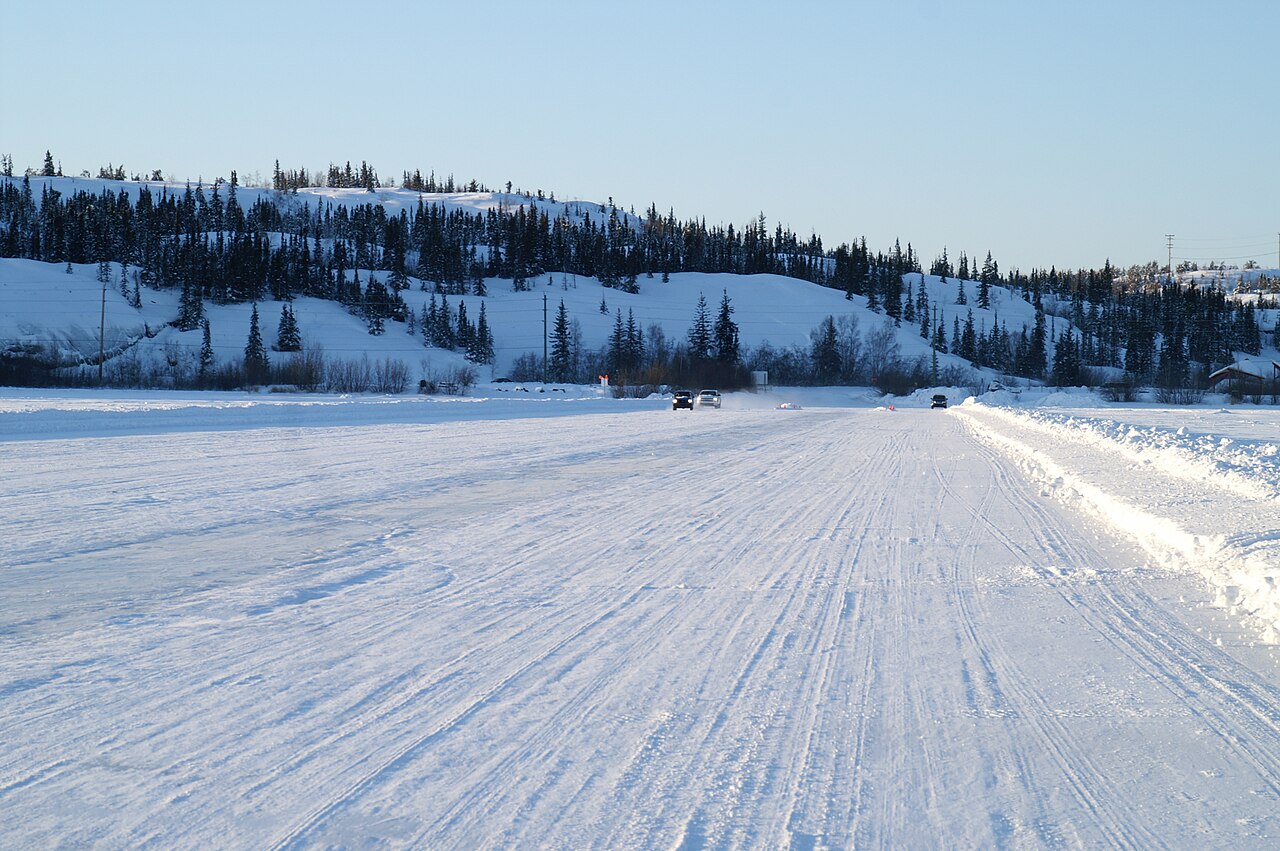
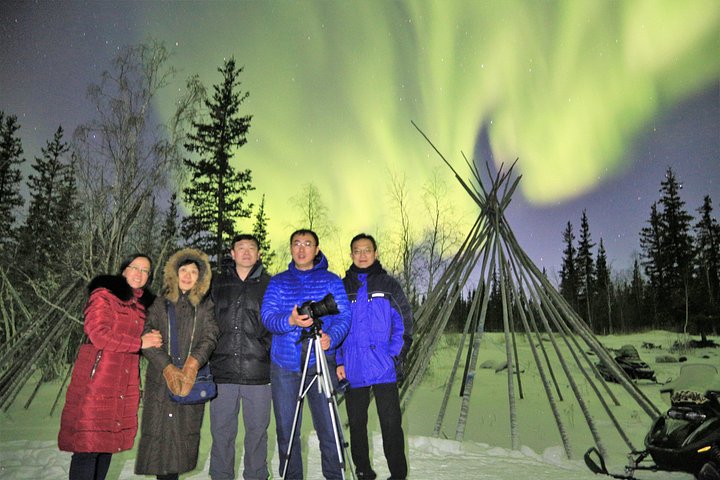
This is the headline season. The winter viewing period runs from mid-November to early April, and late February and March are widely recommended for first-timers because the days are longer and the cold has eased a little. A stay of at least four nights gives you several chances, since one cloudy night is common. Winter is also when dog sledding, snowmobiling and ice fishing run, because they need snow and ice. The Dettah ice road is a winter-only bonus: its five-year average opening date is 2 January and its average closing date is 13 April, so it suits a January to March trip. Expect severe cold in midwinter, so pack insulated boots, a warm hat, mitts, layers and a face cover.
March for festivals
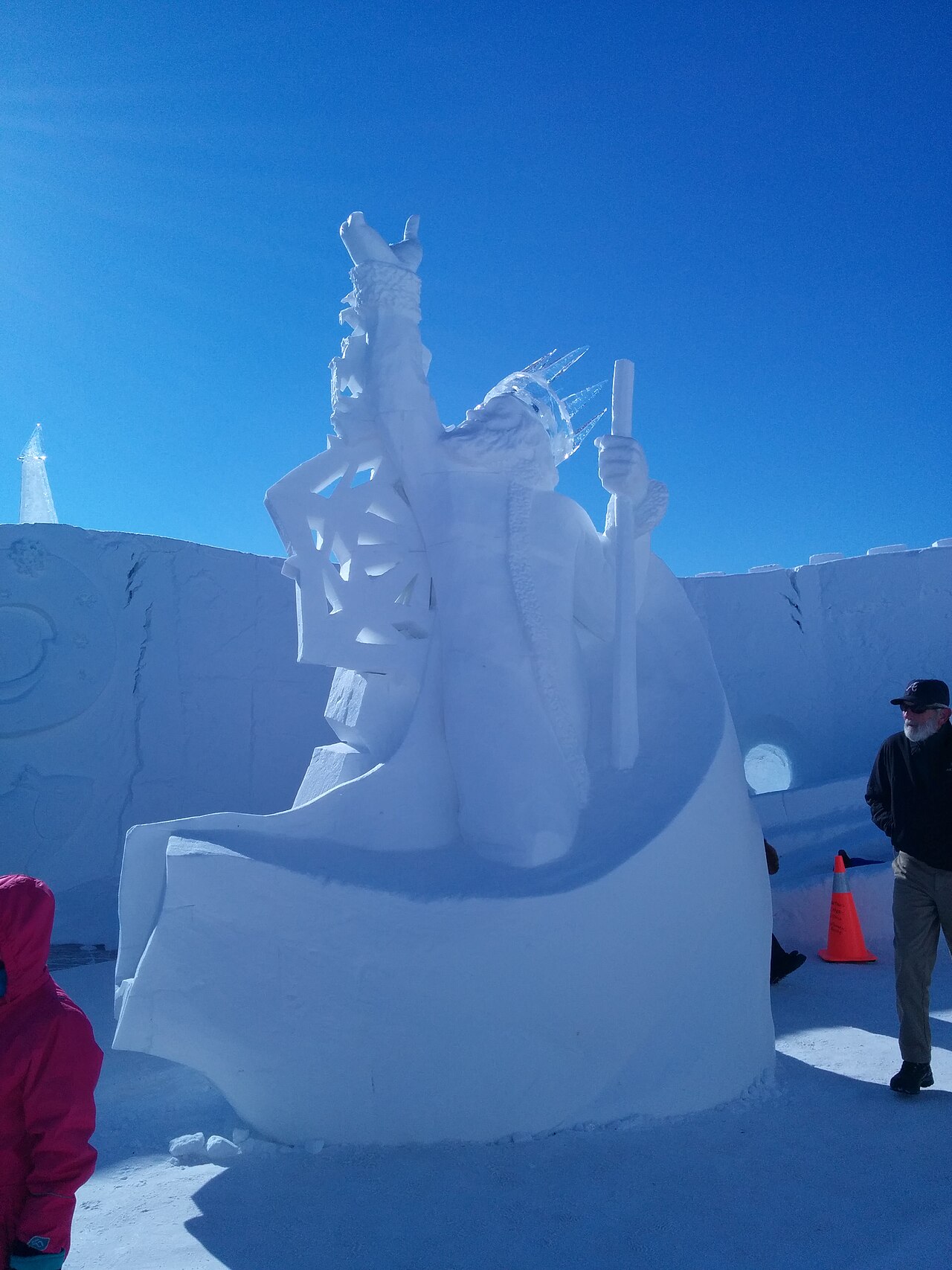
The Snowking Winter Festival fills the month of March with music, theatre and films in a castle of snow and ice on the frozen bay, which makes it a good reason to pick March. It is a snow-and-ice building, so a warm spell can close it early. If your priority is a combination of aurora, activities and an event, March is the strongest choice.
Spring: the thaw
From mid-April the ice weakens and outings that depend on it end. Rivers and lakes open up in the weeks that follow, and trails can be wet and muddy. The aurora season is over by early April, and the nights grow short quickly. Spring is a quiet time, with fewer tours running, and it suits visitors who want museums, walks and low prices more than headline activities. Check which operators are running before you commit. If you do travel then, pack for a mix of conditions, with waterproof boots for slush and mud and layers for changeable temperatures.
Summer: the midnight sun
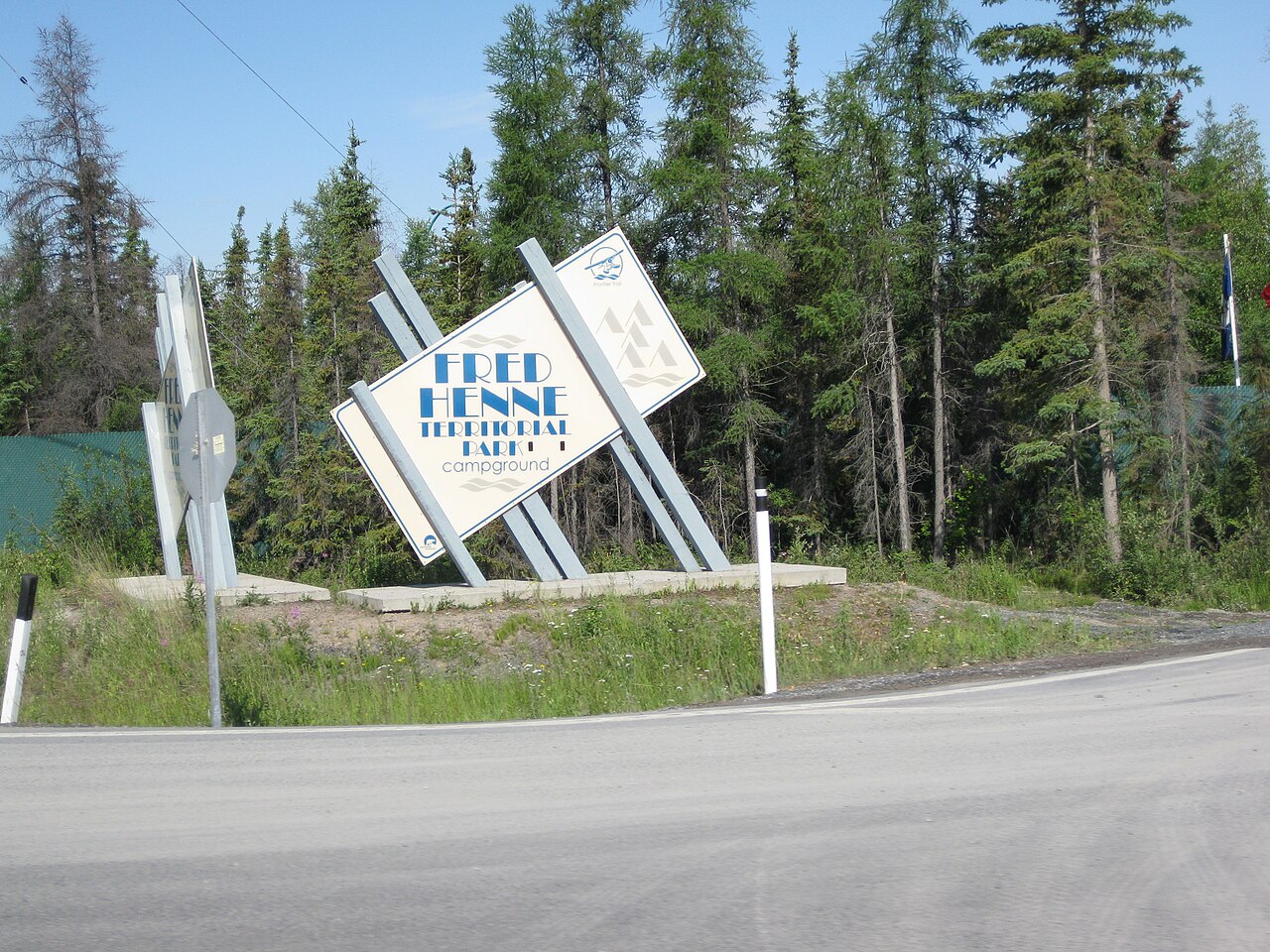
In summer the sun barely sets, the aurora is invisible and the city comes outside. This is the time for the Ingraham Trail, Prelude Lake Territorial Park, Cameron Falls and a swim at Fred Henne Territorial Park. In July, Folk on the Rocks is the main event, with a children's stage and a weekend of live music. Bring insect repellent, because mosquitoes and black flies are part of the northern summer, and book hotels early for the festival weekend. Summer suits families, paddlers and travellers who prefer warm weather to cold.
Fall: the second aurora season
The fall viewing season runs from mid-August to late September. Nights are dark enough to see the aurora, the weather is mild by northern standards and the forest turns gold, which makes it a very comfortable season for first-time viewers who do not want deep cold. Hiking and the Cameron Falls outing are at their best, and prices can be gentler than in winter. Snow activities are not yet running, so choose fall if the aurora and the outdoors matter more than dog sledding.
The cloudy gap: early October to mid-November
The weeks between the fall and winter seasons are often cloudy, cold and grey, with the first ice and not enough snow for most activities. Some operators pause or have not yet started winter departures. This is the weakest time for a first visit, although it can be the cheapest, and it suits visitors who want museums, quiet walks and a short break.
How to choose
For the aurora with the best conditions and the most activities, choose late February or March. For milder weather and the aurora, choose late August or September. For midnight sun, swimming, paddling and a music festival, choose July. For a quiet, low-cost stay, choose spring or the cloudy gap, with lower expectations. If you can only go once and want the classic northern experience, aim for a winter trip of four or five nights in late February or March, with a day each for the capital, one outdoor activity and a free day to absorb cloud or delays. Whichever season you pick, book early for hotels and tours, plan more than one night for the aurora and keep a day free for the weather.