Three days is a short but workable stay in Yellowknife. It is enough to see the capital, spend one full day on an outdoor activity that suits the season and fit in at least one night of aurora hunting. A longer stay improves your odds with the northern lights, and the First-Timer's Guide recommends four nights, but this plan shows how to make three days feel full. Money is in Canadian dollars, and the city is small enough that most of what you want is within a short taxi ride. Check each tour's operating dates before you arrive, because several of the best experiences depend on snow, ice or the aurora seasons.
Day one: the capital and the lake
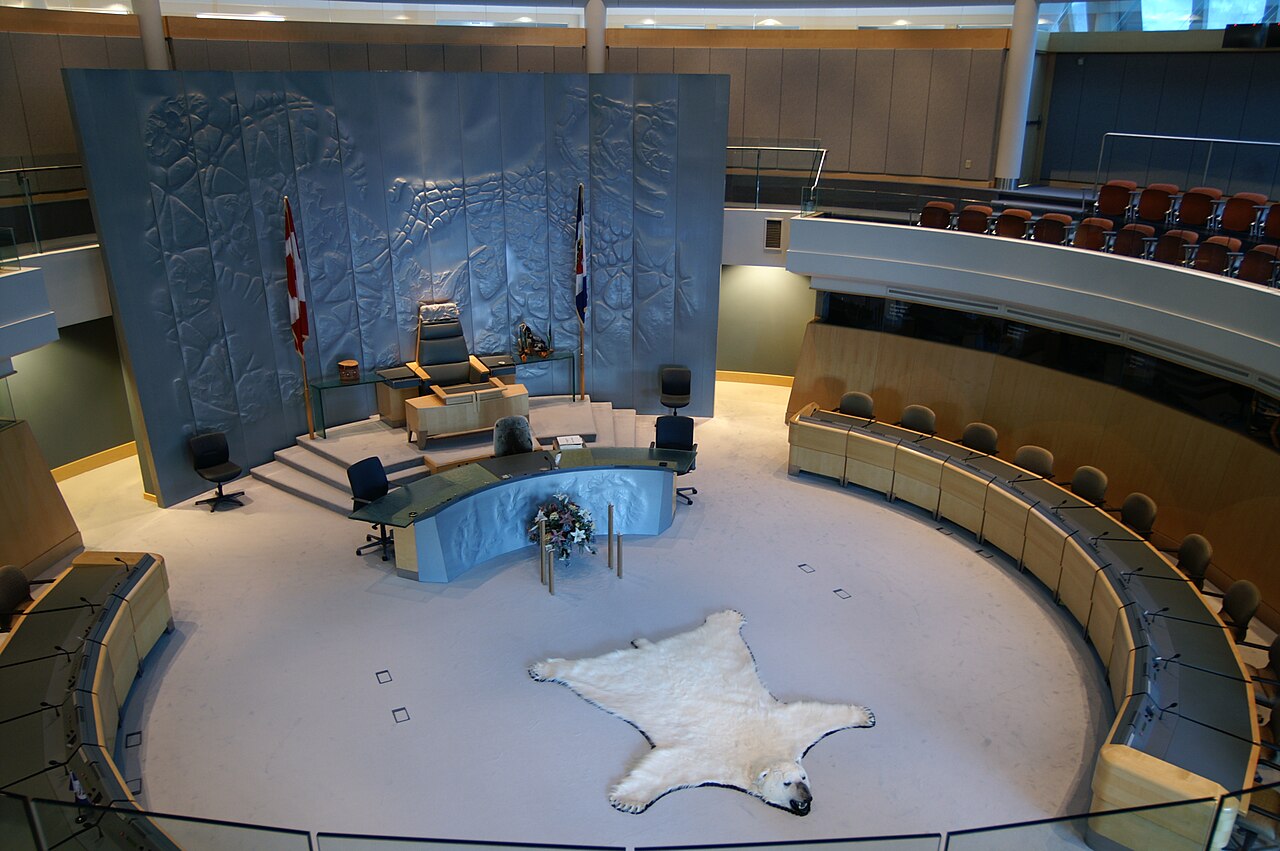
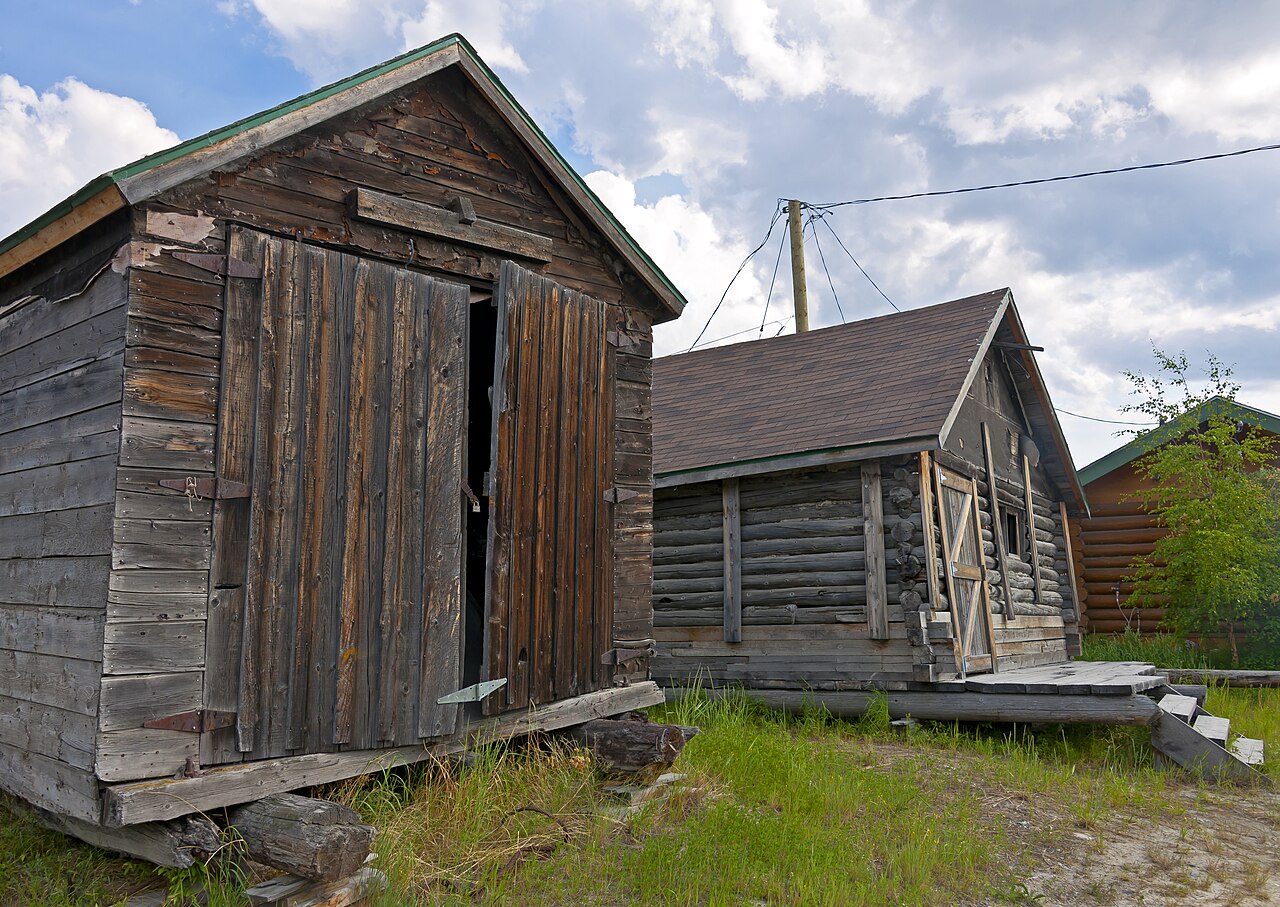
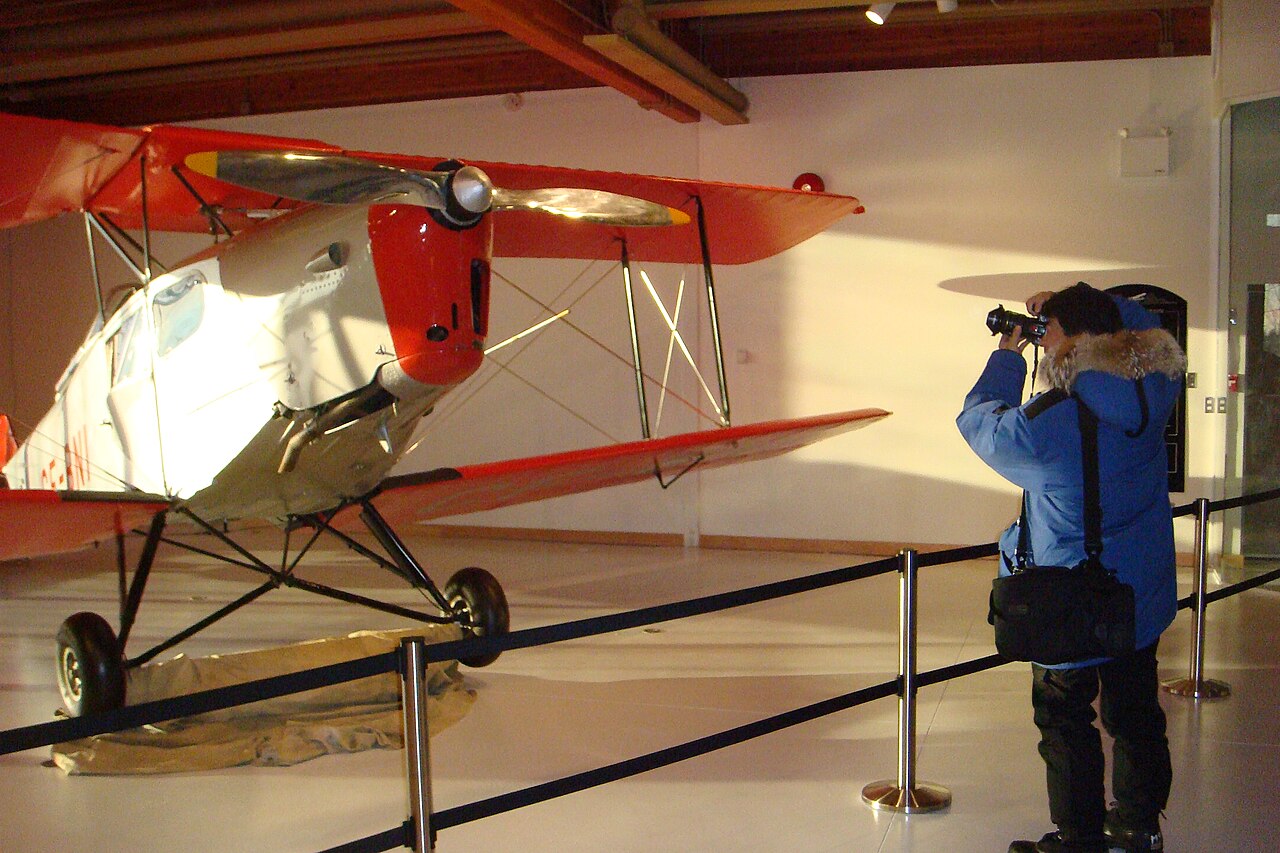
Start at the Prince of Wales Northern Heritage Centre, the territory's main museum, which is free and closed on Mondays. It is the clearest introduction to the Dene, Inuvialuit and settler history of the north, and it sits beside Frame Lake. Walk a short loop on the Frame Lake Trail afterwards, since the paved section is flat and close to the museum. Then visit the Legislative Assembly for a free scheduled tour; the building is open most days, but tours run at set times, so check before you go. In the afternoon, head to Old Town for a walk past Ragged Ass Road, Houseboat Bay and Pilot's Monument. If you would rather have a guide, the Yellowknife City Tour covers the same ground in about four hours with commentary and hotel pickup, and Natures North Wildlife Gallery is a good warm stop for children and natural-history fans.
Day one, evening
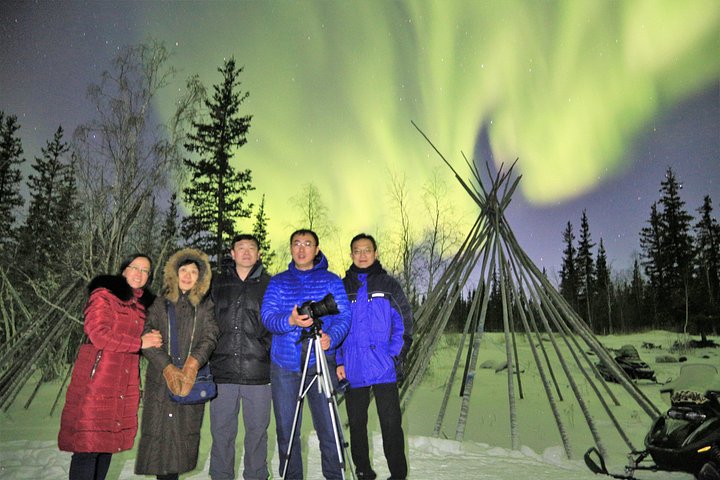
In the aurora seasons, book a guided Northern Lights Tour or a session at Aurora Village. The fall season runs from mid-August to late September and the winter season from mid-November to early April, with late February and March the favourite months for first-timers. Dress for deep cold and charge your phone, then keep the next morning free, because the best displays can run after midnight.
Day two in winter
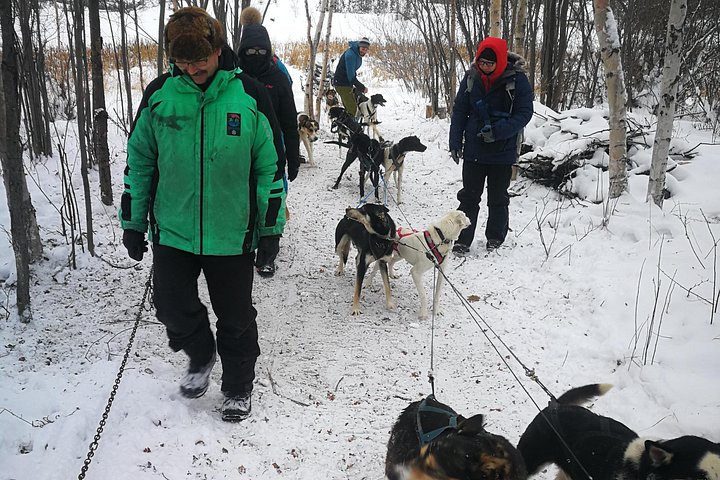
Winter is the season for dog sledding, snowmobiling and ice fishing, all of which follow the snow and ice from about mid-November into April. Choose one main outing rather than two. Dog sledding is the gentle northern classic, the beginner snowmobile ride is faster and louder, and the Ice Fishing on Great Slave Lake outing includes lunch and a heated shelter and gives a feel for local life. If the Dettah ice road is open, which is usually from around the turn of the year until April, drive it in daylight for the big sky and the sense of distance. In March, the Snowking Winter Festival adds an afternoon or evening of music and theatre in a castle of snow and ice.
Day two in summer or early autumn
The aurora is hidden by the midnight sun in summer, but the days are long and warm and the Ingraham Trail comes into its own. Drive the Ingraham Trail Scenic Drive with a rental car, stopping at Prelude Lake Territorial Park for the beach and boardwalk lookouts and at Cameron Falls for the waterfall walk. If you prefer not to drive, the guided Cameron Falls hike with a shore lunch is a five-hour outing. In July, the Folk on the Rocks weekend fills the evenings with music, and Fred Henne Territorial Park on Long Lake is the place for a swim and a picnic.
Day three: free sights and a slow morning
Use the last day for whatever you missed. A second aurora night is the best use of time in the viewing seasons, so keep the morning gentle. In the capital, the Legislative Assembly and the Northern Heritage Centre repay a second look, and the Old Town walk is different in different light. In winter, a short walk on the Frame Lake Trail or a visit to the wildlife gallery makes a good low-effort day. If you have a rental car and good weather, return to the Ingraham Trail for one more lake.
Where to stay
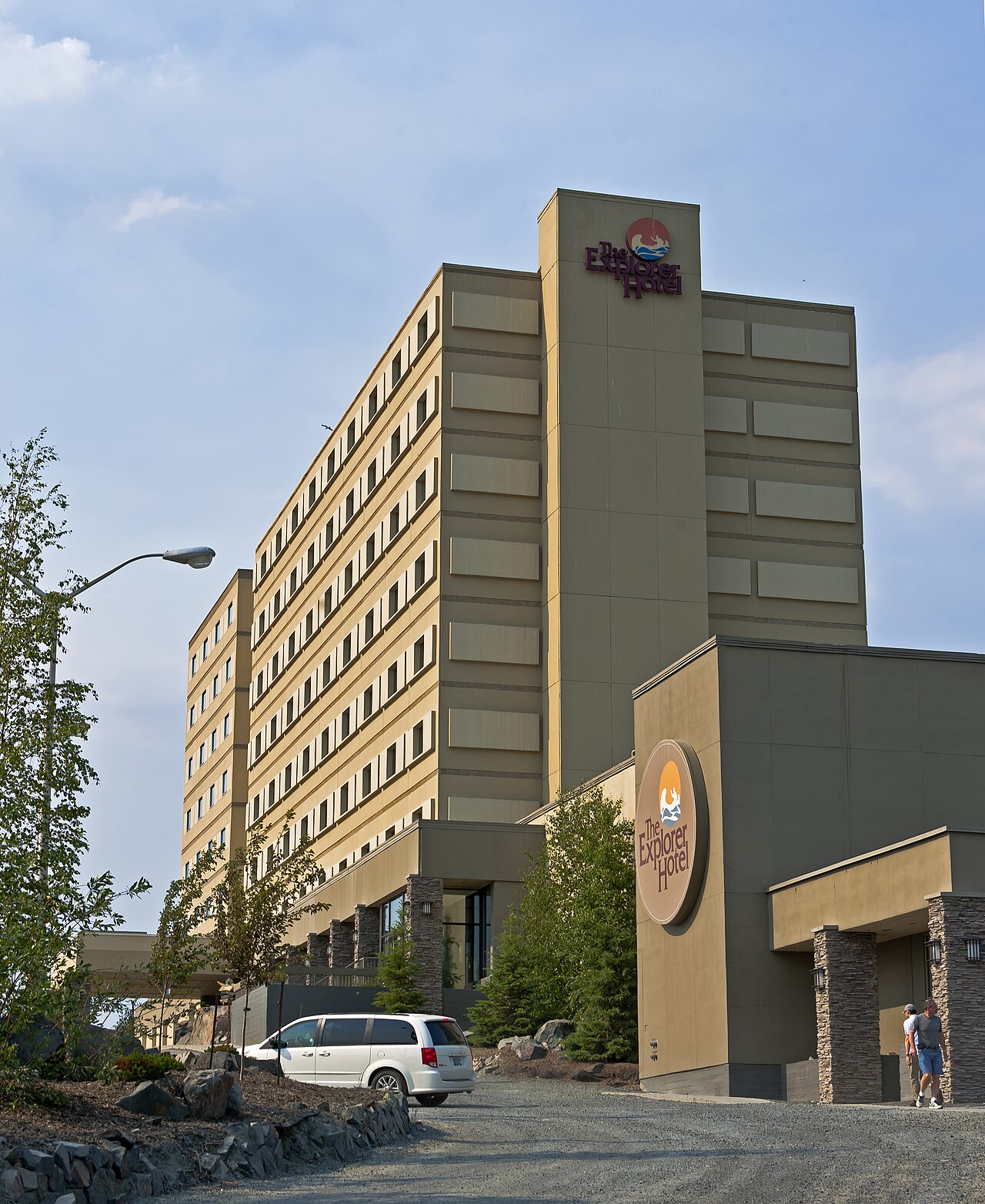
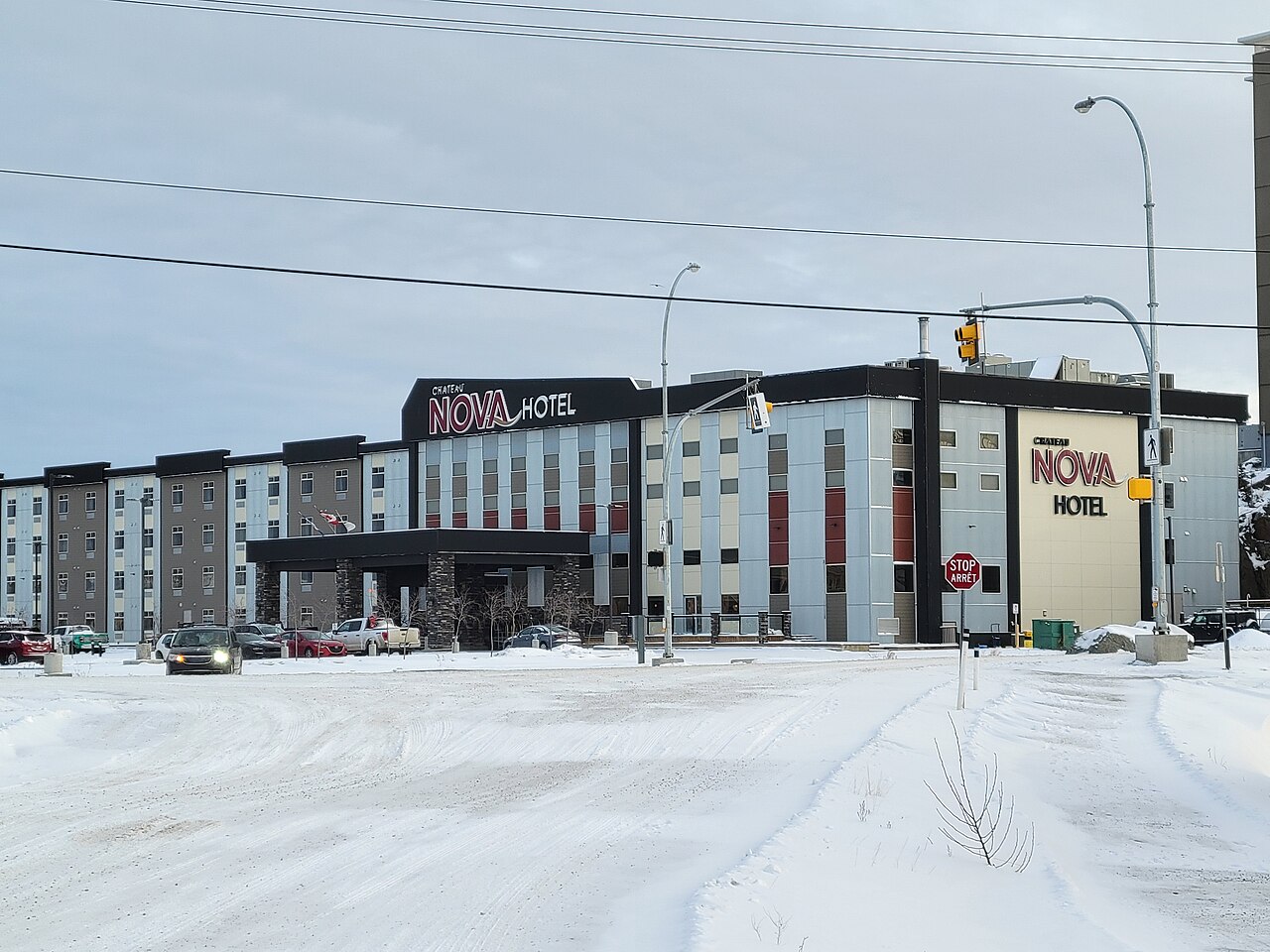
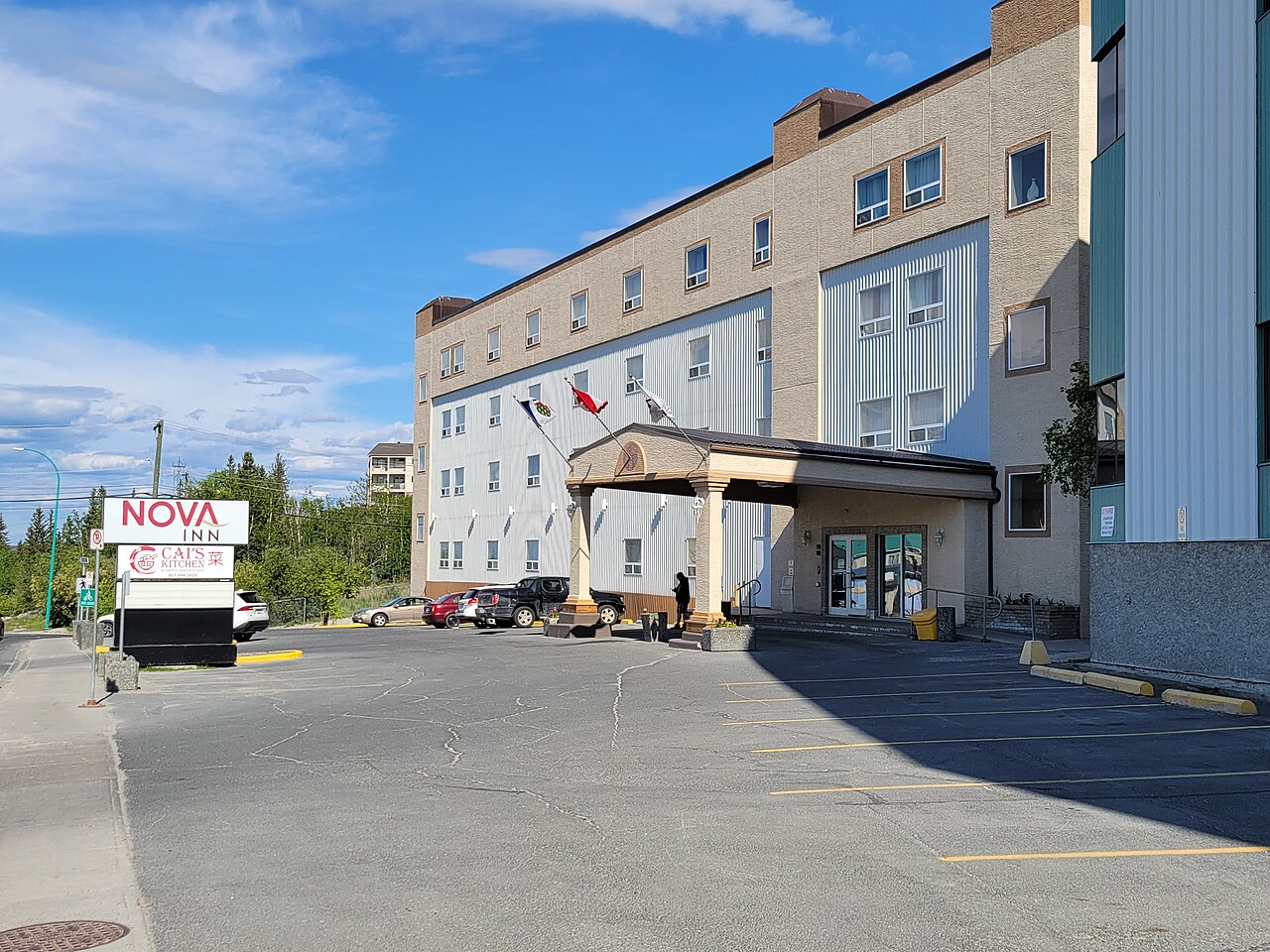
Downtown puts you within reach of the museums and the lake, and the Explorer, Chateau Nova, Nova Inn and Quality Inn all sit in the core. Stanton Suites and Capital Suites suit travellers with cars, kitchens or airport timings, and Super 8 is the budget choice. Ask every operator whether it collects from your hotel before you book.
Practical tips
Book your aurora outing for the first night you arrive, so you have spare nights if cloud wins. Use layers, insulated boots and a face cover in winter, and consider renting clothing if you do not own it. Prices are high in a remote city, so reserve rooms early for February and March and July. Keep a flexible mind, because weather can change plans, and treat ice or snow outings as guided only: do not walk onto unmarked lake ice on your own.