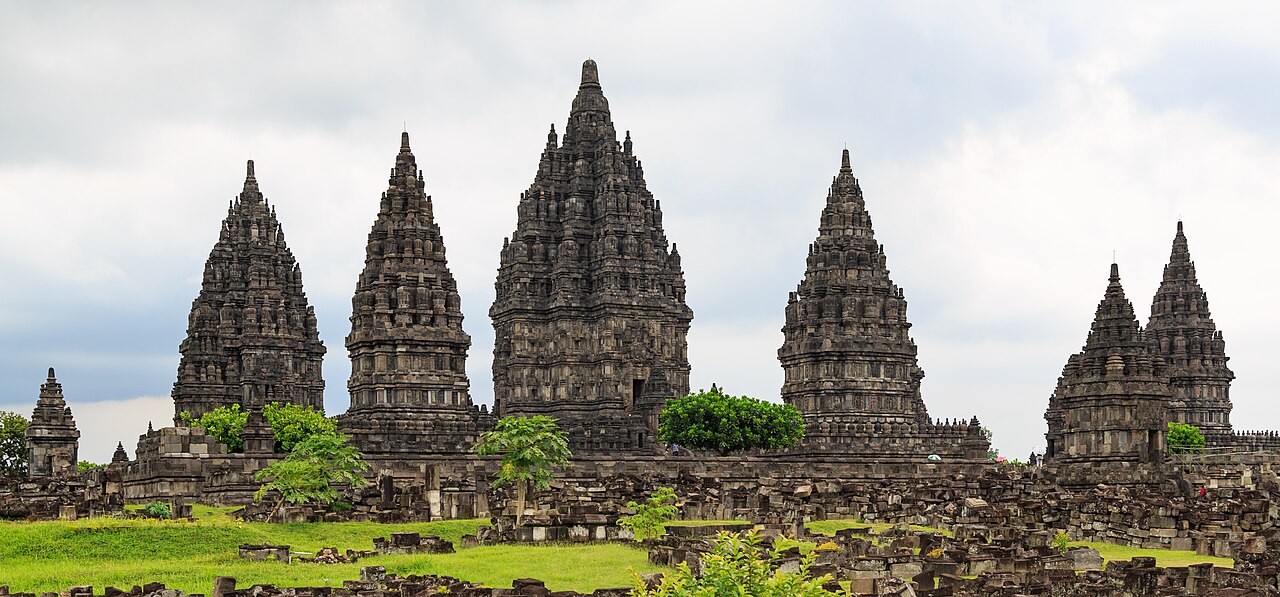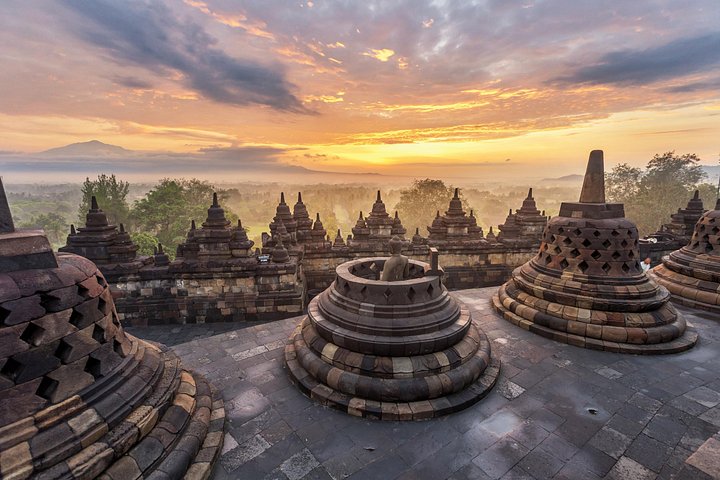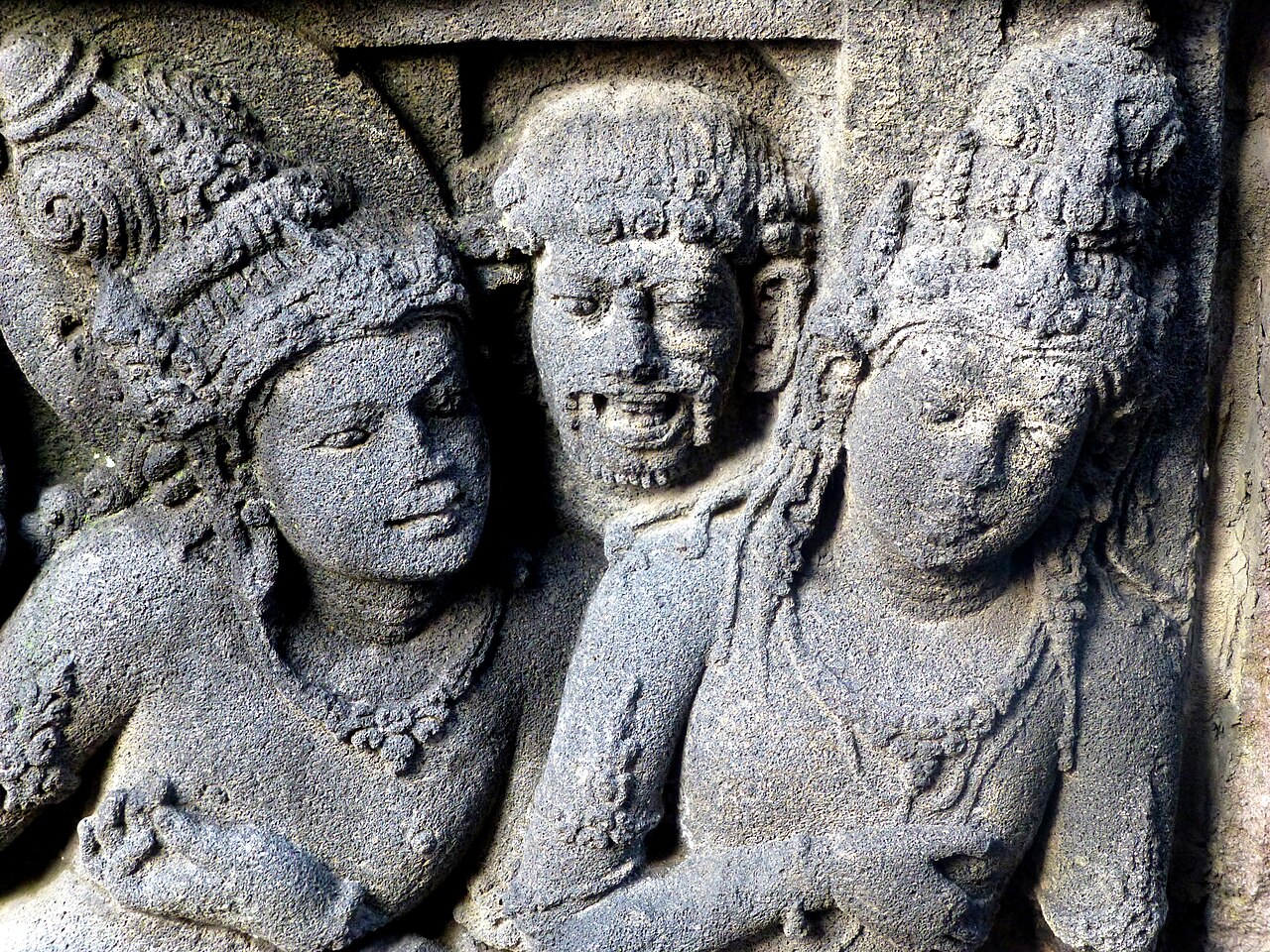
Prambanan stands on the plain east of Yogyakarta, a short drive from the airport road, and its profile is unmistakable: tall, slender towers that taper like flames, the tallest around 47 metres and dedicated to Shiva. It was built in the 9th century, soon after Borobudur, and is a UNESCO World Heritage Site. The three main temples honour the Hindu trinity, and the walls carry carved scenes from the Ramayana epic that you read in sequence as you circle each shrine. The complex was damaged by earthquakes over the centuries, most recently in 2006, and restoration is ongoing, so some areas are roped off and access to the inner chambers is limited and can change. Hundreds of smaller shrines lie in broken rows around the main group, which gives a sense of how vast the original was. A guide matters here, because the legend of Roro Jonggrang and the stories in the carvings are what turn stones into a story.
Planning your visit
The complex is entered through a managed park, with tickets sold by the park operator and by tour companies. Fees for foreign visitors are in the range of a few hundred thousand rupiah, with discounts for children and combined options, so check the current price. The site opens in the morning and closes in the evening, and the cooler light of early morning or late afternoon is by far the best time. Midday is hot and shadeless.
What to see
The Shiva temple in the middle is the great one, flanked by the Brahma and Vishnu temples and by the smaller vehicle shrines facing them. Walk the circuit of the Shiva temple and read the Ramayana panels in order. Beyond the main court, the ruins of Candi Sewu and the Buddhist temples of Lumbung and Bubrah, plus the more distant Plaosan, are worth the extra half hour if you have time.
Getting there and combining
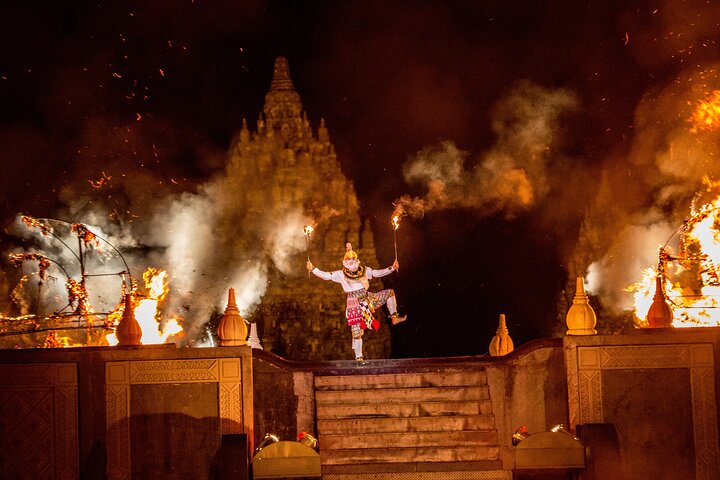
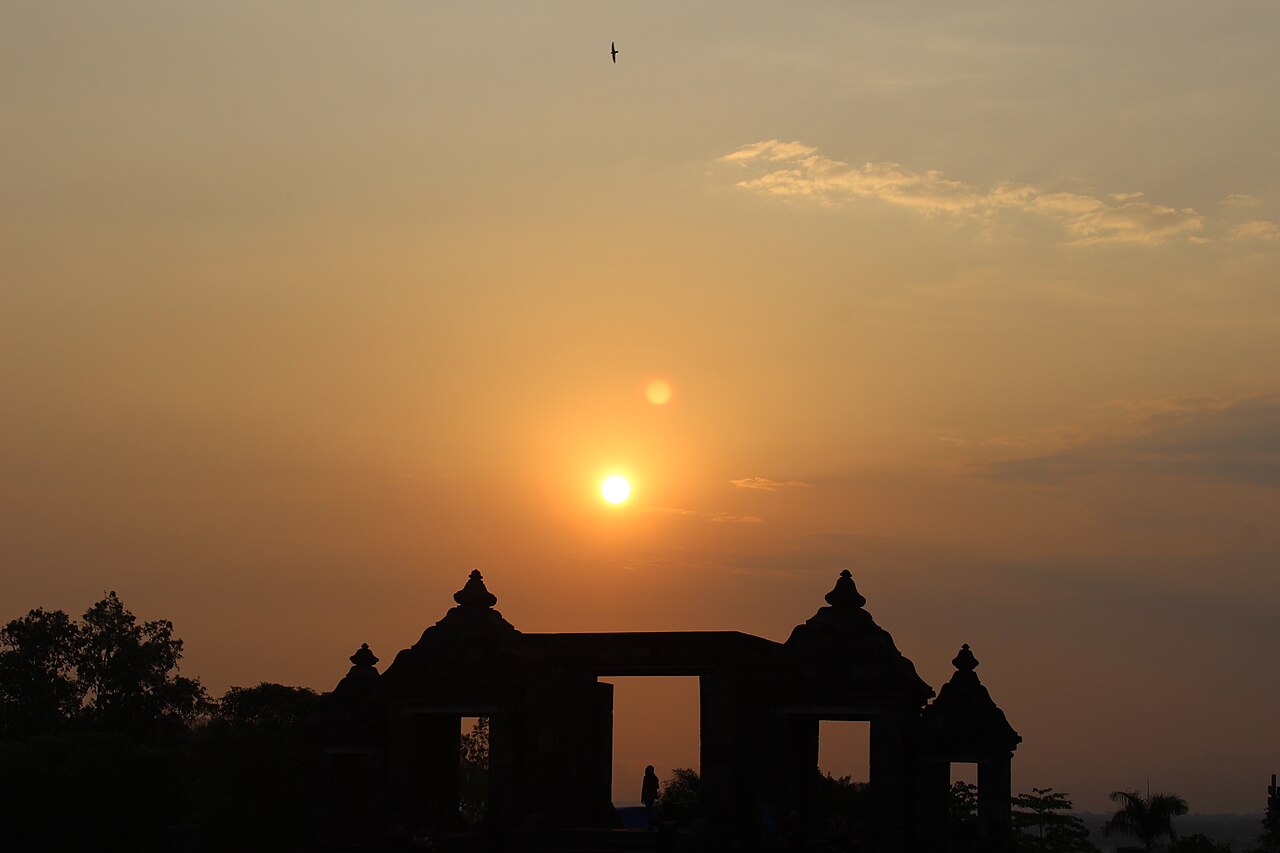
Prambanan is about 17 kilometres from central Yogyakarta, and an hour or so by road from Borobudur on the other side of the city. Many visitors pair it with Ratu Boko for sunset, and with the Ramayana ballet on selected evenings. The guided visit linked here is a short, dedicated Prambanan tour, a good fit if you want context without a full-day itinerary.
What to expect
The experience
A guided walk around the three main temples and the surrounding ruins, with explanation of the reliefs and the legend, on mostly flat paths with some stairs.
Best time
Early morning or the last hours before closing, for softer light and cooler temperatures than midday.
How long
Two to three hours including the walk through the park and the smaller temples.
Tips
Bring a hat, sunscreen and water, wear modest clothes covering shoulders and knees, and check which temple chambers are open on the day.
Quick picks
- Best for
- Anyone with an interest in art, mythology or architecture, and the natural partner to Borobudur.
- Families
- Open space and tall towers keep children interested; the legend of Roro Jonggrang helps hold attention.
- Couples
- Late afternoon light is lovely, then move on to Ratu Boko for sunset.
- Pair with
- Ratu Boko sunset, the Ramayana ballet, or Borobudur earlier in the day.
- Time needed
- Half a day with a drive from the city.
Good questions
How long do I need at Prambanan?+
Two to three hours covers the main temples and the surrounding ruins comfortably. Add time if you also visit Sewu or Plaosan.
Can I go inside the Prambanan temples?+
Access to the inner chambers has been limited since earthquake damage and can change. Ask your guide or the ticket desk on the day.
Who built Prambanan?+
It dates from the 9th century and was built as a Hindu complex dedicated to the trinity of Shiva, Brahma and Vishnu. It was later abandoned and partly collapsed.
Is a guide worth it?+
Yes. The reliefs and the Roro Jonggrang legend are the heart of the visit, and a guide explains what you are looking at.
What is the best time of day?+
Early morning or late afternoon. Midday is hot and has little shade among the stones.