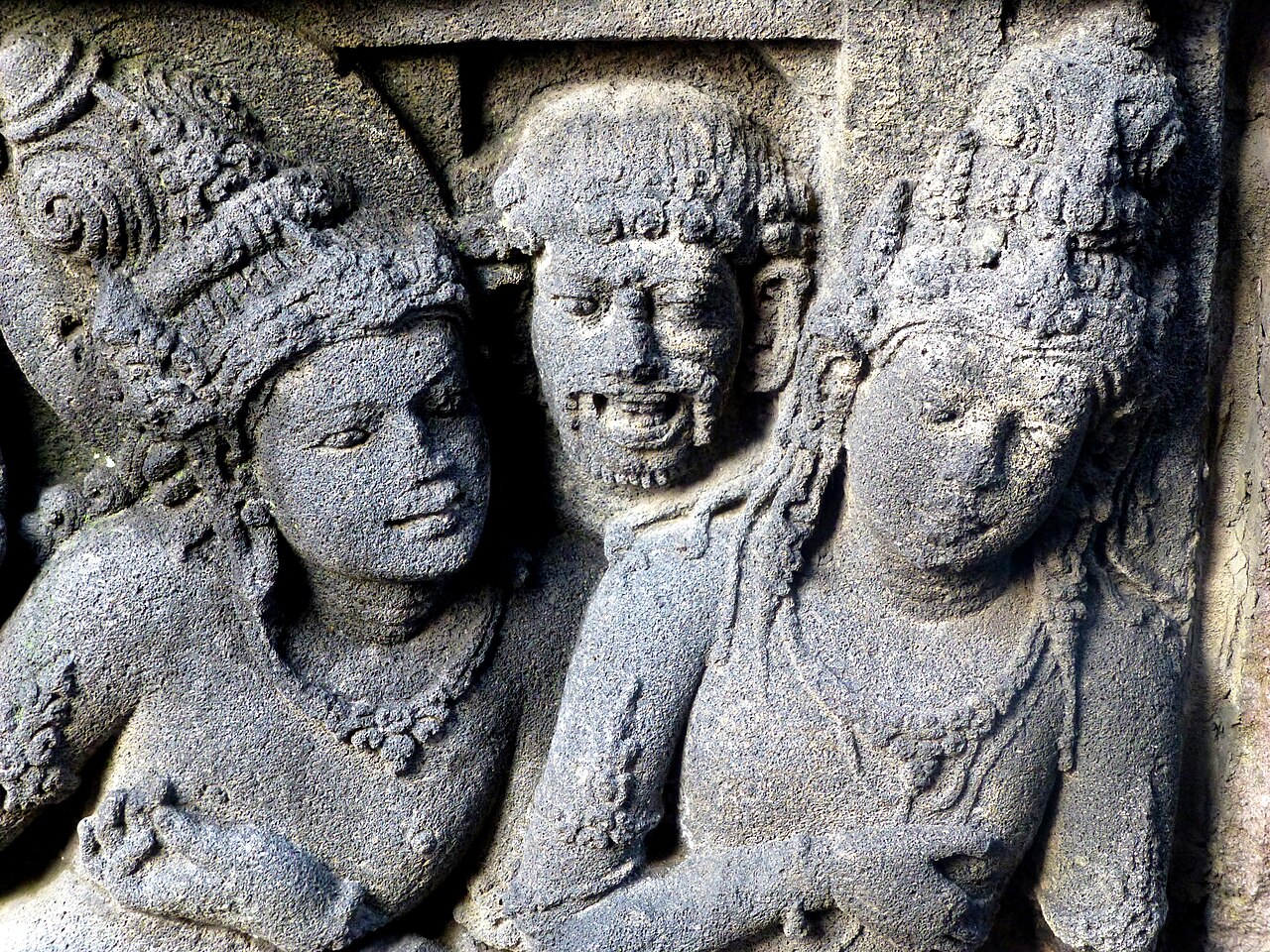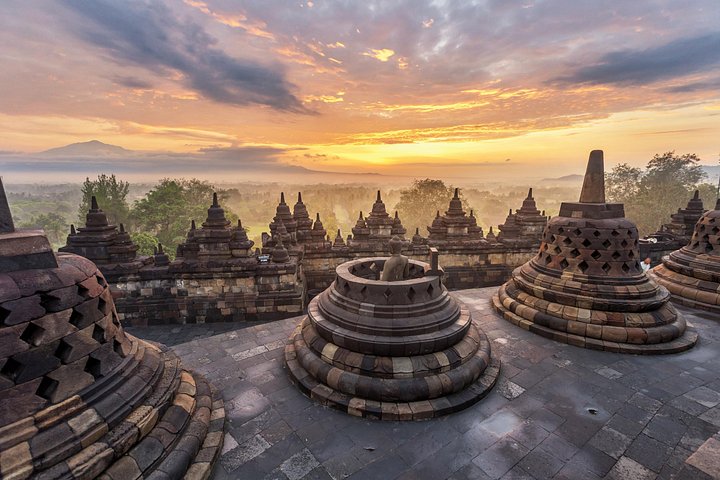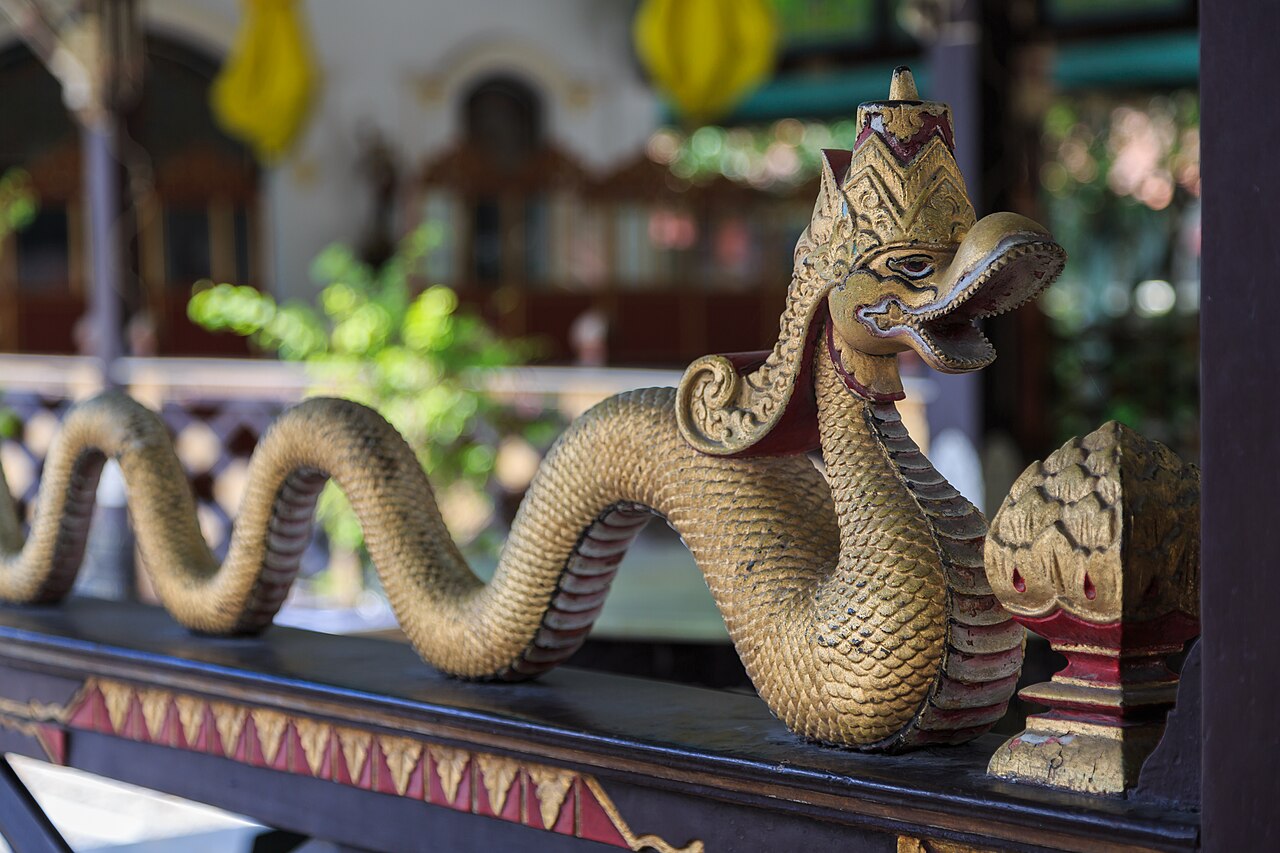
The Kraton is the centre of Yogyakarta, in every sense. It was founded in the 18th century when the Sultanate was established, and it still serves as the home of the Sultan and a working centre of Javanese court tradition. The public parts are a set of open pavilions, courtyards shaded by trees, and small museums that hold royal heirlooms, costumes, carriages, gamelan instruments and the personal collections of past sultans. Palace staff, the abdi dalem, walk the grounds in traditional Javanese dress, and on some mornings you can hear gamelan or watch a rehearsal. It is not a grand European palace of gilded rooms, and that is its charm: it is a quiet, human-scale royal compound where tradition is practised, not staged. Dress modestly, move slowly and take a guide if you can.
Opening times and fees
The palace is open in the morning and early afternoon, closing around two, and is generally closed on Mondays, with extra closures for royal ceremonies. Entry for foreign visitors is a few tens of thousands of rupiah. Because details change, check before you go, and plan to arrive by mid-morning at the latest.
What to see
The main courtyard and the Golden Pavilion, Bangsal Kencono, where ceremonies take place; the museums of royal artefacts, batik and carriages; and the shaded inner courtyards. The northern square, Alun-Alun Lor, and the southern square, Alun-Alun Kidul, with their twin banyan trees, are part of the walk. Guided tours are offered at the palace and are the best way to understand the symbolism.
Combining
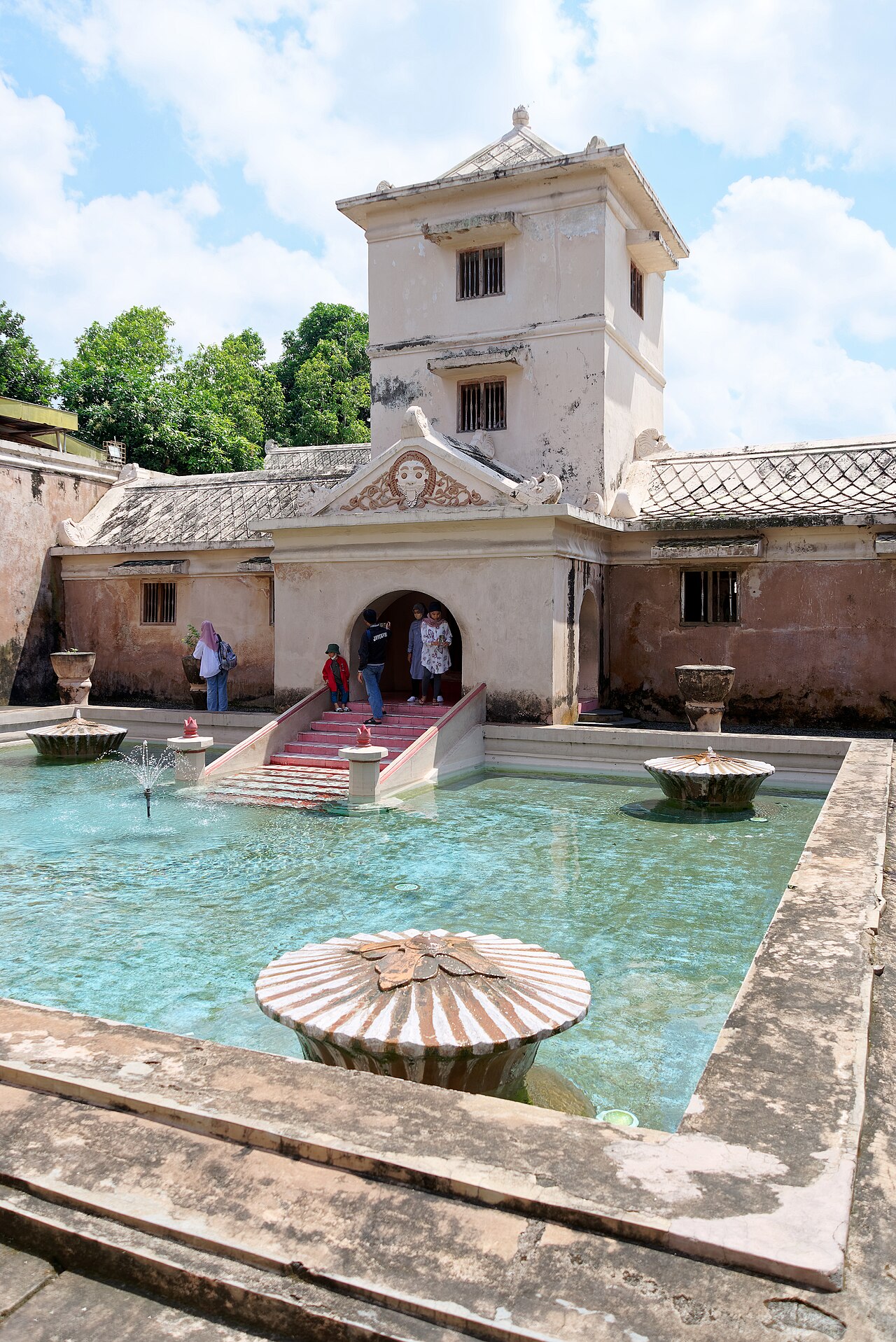
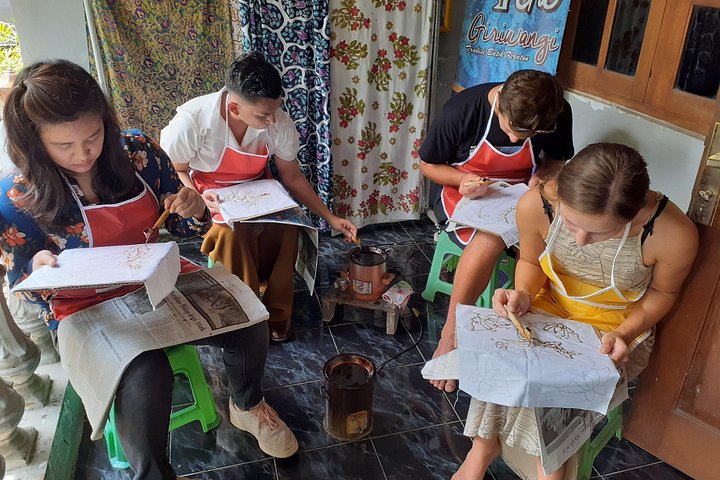
The Kraton and Taman Sari are about ten minutes apart on foot or by becak, so most visitors do both on one morning. Add the batik workshops in the surrounding lanes, then Malioboro for lunch and an afternoon rest. Wear shoulders and knees covered, and do not point your feet or stand higher than the throne in the ceremonial halls.
What to expect
The experience
A self-guided or staff-guided walk through open pavilions, courtyards and small museums inside the walled palace compound, with part of the grounds closed as a royal residence.
Best time
Mornings, shortly after opening, before the heat and before tour groups arrive.
How long
Ninety minutes to two hours with the museums.
Tips
Dress modestly, carry small notes for fees, check the day's opening, and expect closures during ceremonies.
Quick picks
- Best for
- Culture lovers and first-timers who want to understand how the Sultanate still works.
- Families
- Short and low-key; children enjoy the carriages and the guards in costume.
- Couples
- Pair it with Taman Sari and a becak ride through the surrounding lanes.
- Pair with
- Taman Sari water castle, a batik class and Malioboro.
- Time needed
- One morning with Taman Sari.
Good questions
When is the Kraton open?+
Mornings into early afternoon, closing around two, and generally closed on Mondays. Ceremonies can close it on other days, so check before going.
How much does the Kraton cost?+
A few tens of thousands of rupiah for foreign visitors.
Does the Sultan still live there?+
Yes. Parts of the compound remain the royal residence and are closed to visitors, while the public pavilions and museums are open.
Is there a dress code?+
Dress modestly, with shoulders and knees covered, and follow staff instructions in the halls.
Should I take a guide?+
Guided tours are offered at the palace, and a guide makes the symbolism of the courtyards much clearer.