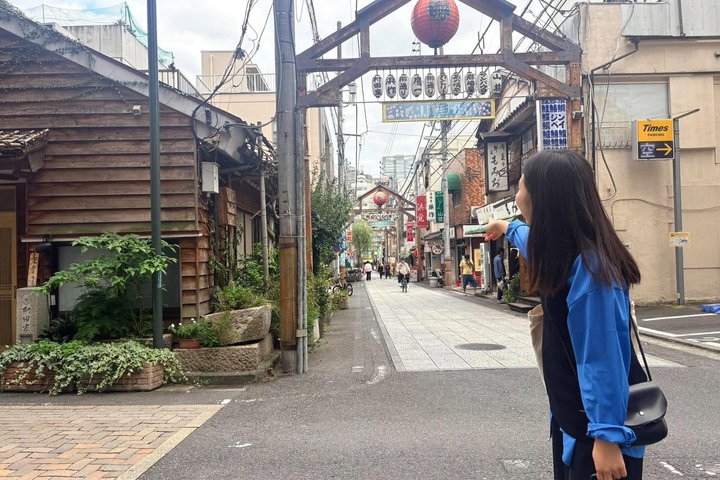
Yokohama Chinatown is the largest Chinese district in Japan and one of the biggest in the world, and it has been part of the city since the port opened to foreign trade in the nineteenth century. Merchants and craftspeople from China arrived with the first traders, settled near the waterfront and built a community that survived earthquakes, war and fire. Today it is a tightly packed neighbourhood of several hundred restaurants, shops and food stalls, entered through a series of ornate gates in red, gold and green, each guarding one of the compass directions. The streets smell of steamed buns, roasting chestnuts and sesame, and the mix of Cantonese, Shanghai and Sichuan cooking is more varied than most visitors expect. It is also a very easy neighbourhood to get lost in on purpose, because every side street holds another dumpling shop.
The best way to see it is to graze. Walk in through the Chinatown East Gate or the Zenrin Gate, and plan a loop of snacks rather than one big meal: pork buns with thick, fluffy dough, fried sesame balls, mango pudding, bubble tea, and skewers of candied fruit are among the classic stops.
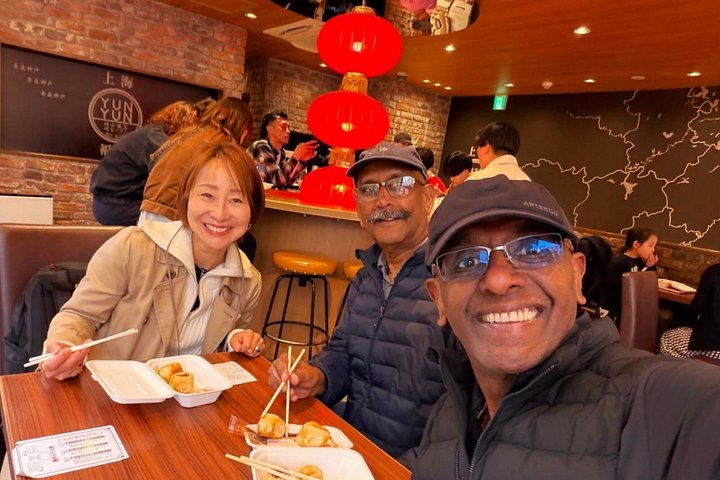
A guided street food walk is a good way to cut through the queues and the menus, because a local guide knows which stalls turn over quickly and which back streets hide the better restaurants. Many tours finish at a sit-down place so you can try a hot dish with rice or noodles.
Between bites, look up. The temple at the centre, a shrine to the Chinese god of war and commerce, was rebuilt in the 1990s with painted dragons and a lavish gilded interior and is free to enter, though respectful behaviour is expected. The smaller Mazu temple honours the protector of seafarers.
Fortune tellers, souvenir shops and shops selling tea, tableware and sweets fill the lanes between. In the evening the lanterns come on and the area becomes noticeably more atmospheric, although the busiest hours are weekend afternoons, when the main street can be shoulder to shoulder.
Chinatown is a ten-minute walk from Yamashita Park and from Ishikawacho Station, and Motomachi-Chukagai Station on the Minatomirai Line drops you at its edge. Many shops close or slow down in the quieter weekday hours, and some restaurants close one day a week, so confirm opening times before you plan a specific meal.
Pay attention to all-you-can-eat deals aimed at tourists, which can be heavy and uneven, and consider a mix of one proper restaurant meal and several shared street snacks. Cards are widely accepted but small stalls often prefer cash, so carry a few coins.
A word on timing and choices. Queues at the most famous steamed bun stalls can reach half an hour on weekend afternoons, but similar snacks are sold on side streets with almost no wait. Shops that offer free samples are tempting, yet it is polite to buy something if you take one. Restaurants that display plastic models or photo menus are used to visitors, and set lunches offered on weekdays usually give the best value, with a main dish, rice, soup and a small dessert.
What to expect
The experience
A guided or self-guided stroll through Chinatown's main lanes and back streets, tasting street snacks and visiting a temple.
Best time
Late morning on a weekday for short queues, or early evening when the lanterns come on.
How long
Two hours for a guided tasting, three or more if you add a sit-down meal and the temples.
Tips
Share snacks so you can sample more, carry some cash for small stalls and avoid peak weekend afternoons.
Quick picks
- Best for
- Food lovers and first-timers who want an unmistakable Yokohama experience.
- Families
- Fun for children thanks to the colour, the gates and easy-to-eat snacks, but lanes are crowded on weekends, so keep a hand on strollers.
- Couples
- Share a few dumplings, then walk to Yamashita Park after dark.
- Pair with
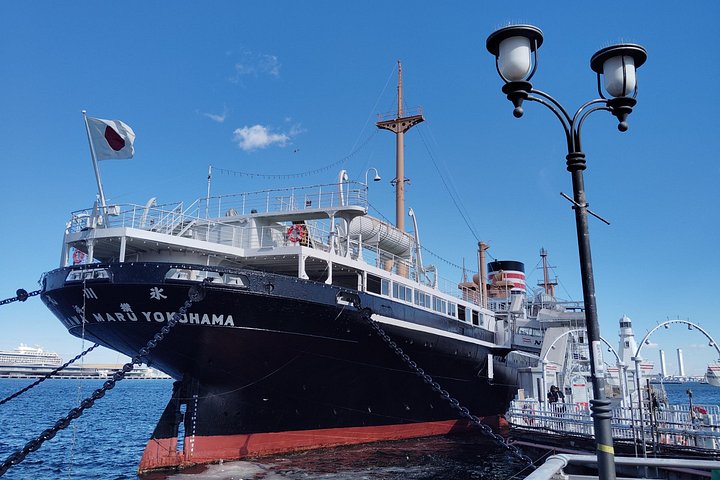
- Yamashita Park, the Hikawa Maru and the Yamate hills.
- Time needed
- Two to three hours.
Good questions
Is Yokohama Chinatown really the largest in Japan?+
It is generally described as the largest Chinatown in Japan and one of the largest in the world, with several hundred shops and restaurants packed into a small area.
What should I eat?+
Start with pork buns, fried sesame balls and other street snacks, then add a hot dish such as noodles or dumplings at a sit-down restaurant.
Do I need a guide?+
No, you can wander freely, but a guided food tour helps with queues, menus and finding the better stalls.
When is it least crowded?+
Weekday mornings and early afternoons. Weekend afternoons and holiday periods are the busiest.
How do I get there?+
Take the Minatomirai Line to Motomachi-Chukagai Station, or the JR line to Ishikawacho or Kannai and walk about ten minutes.