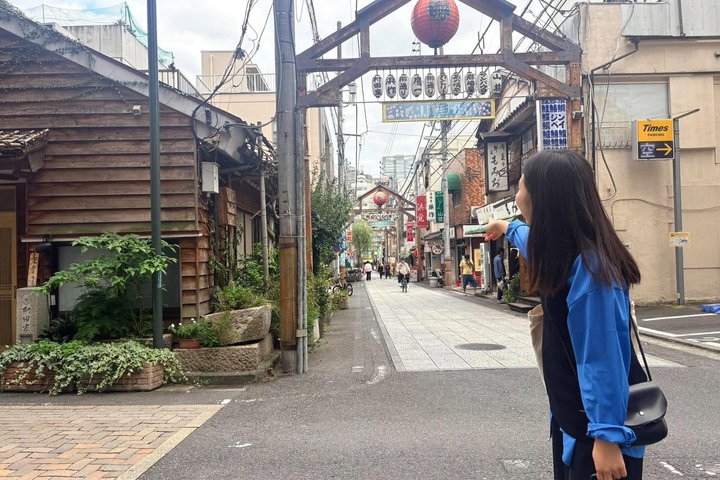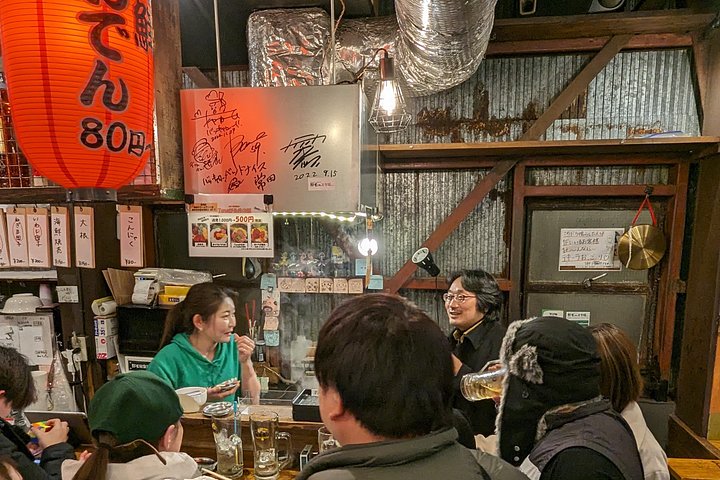
Noge is the neighbourhood where Yokohama's office workers and locals go to unwind. Tucked into a grid of narrow lanes near Sakuragicho and Hinodecho stations, it contains hundreds of small bars, izakaya, yakitori counters, ramen shops and live music spots. Many places seat only a handful of people, and the atmosphere is relaxed and welcoming, with regulars happy to chat. The area has a rich nightlife tradition and hosts a street performance festival in autumn. For visitors, Noge offers a more local and less touristy evening than the larger entertainment districts, and it is easy to reach from the harbor.
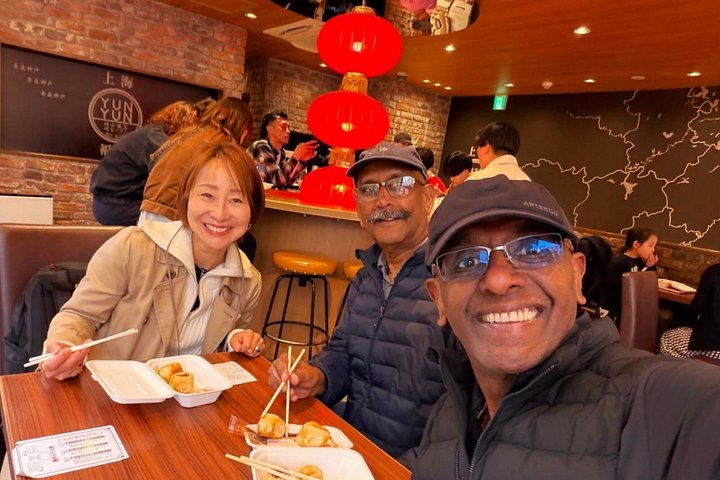
A guided bar-hopping tour is the easiest way to enjoy it. A local host meets you at the station, takes you to three or four venues chosen for their food and character, and helps with ordering, which is useful because many counters have Japanese-only menus. You may start with a beer and grilled skewers, move to a counter specialising in seafood or sake, and finish at a quirky bar with live music or a vintage atmosphere.
Most tours include one or two drinks and a few dishes, with extra rounds paid as you go. It is a lively, sociable evening.
Etiquette is simple. Some bars charge a small seating fee that includes a snack, so do not be surprised by it. Keep voices moderate, order a drink and a dish with each stop, and tip by being polite rather than leaving money. Many places are cash-only, so carry a little. If you go alone, look for places with English menus or photo menus, and avoid those with pushy touts. The area is generally safe, but keep sensible watch on your belongings in crowded lanes.
Noge is busiest on Friday and Saturday nights, when locals fill every counter. Weeknights are calmer and make it easier to find seats. Early evening, around five or six, is a good time to start, since many places open then. Allow around three hours for a tour and a bit longer if you linger.
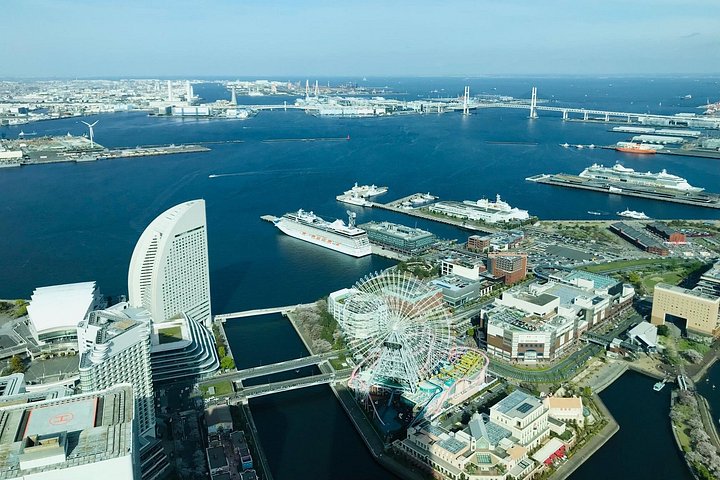
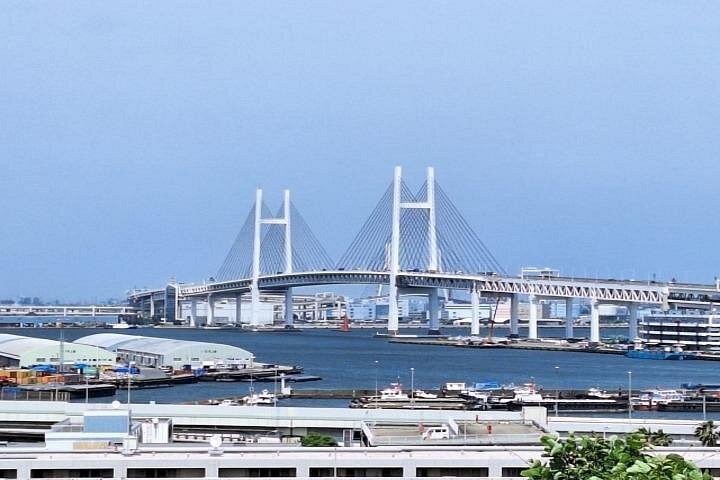
The last trains run until around midnight, so plan your return, and note that some bars close earlier on Sundays. Combine Noge with a visit to the harbor earlier in the day, and finish with a nightcap on the waterfront if your energy allows.
Typical dishes include grilled chicken skewers, fried chicken, sashimi, edamame, simmered pork and seasonal vegetables, accompanied by beer, sake, shochu or highballs. Ask for a recommended dish if you cannot read the menu, and share plates so you can taste more. Many counters have a house specialty, so it pays to ask. Closing times vary, with some places shutting before midnight and others serving until the early hours, and the lanes are at their liveliest between seven and ten in the evening.
Plan a modest budget, because small rounds of food and drink add up faster than expected, and carry a card as a backup. If you meet friendly regulars, be gracious and polite, and do not feel pressured to buy rounds for strangers.
If you prefer a quieter evening, arrive when bars open and leave before the late crowds, enjoying the same food with more space and conversation.
What to expect
The experience
A guided evening hopping between small bars and counters, with food and drink at each stop.
Best time
Early evening on a Thursday to Saturday, when the lanes are lively but you can still find a seat.
How long
About three hours.
Tips
Carry cash, expect a seating charge at some counters and plan your last train home.
Quick picks
- Best for
- Adults who want a local, social evening.
- Families
- Not ideal for children because most venues are small bars with smoking and late hours.
- Couples
- A great shared adventure, especially with a guide to break the ice.
- Pair with
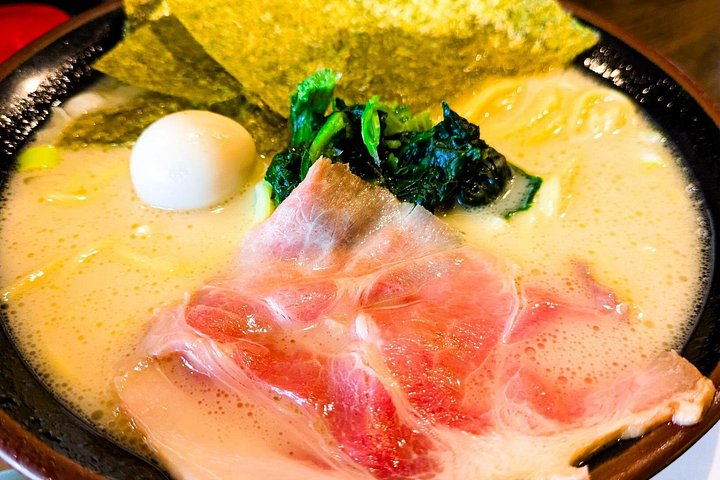
- A harbor walk at sunset or an Iekei ramen lunch.
- Time needed
- Three hours.
Good questions
Do I need to speak Japanese?+
No, especially with a guide, but a few polite phrases help.
Is there a cover charge?+
Some bars charge a small seating fee that usually includes a snack.
Is Noge safe at night?+
It is generally safe and popular with locals, though you should watch your belongings in crowded lanes.
When is it busiest?+
Friday and Saturday nights are the busiest. Weeknights are calmer.
How do I get there?+
Walk from Sakuragicho or Hinodecho stations, about five to ten minutes.