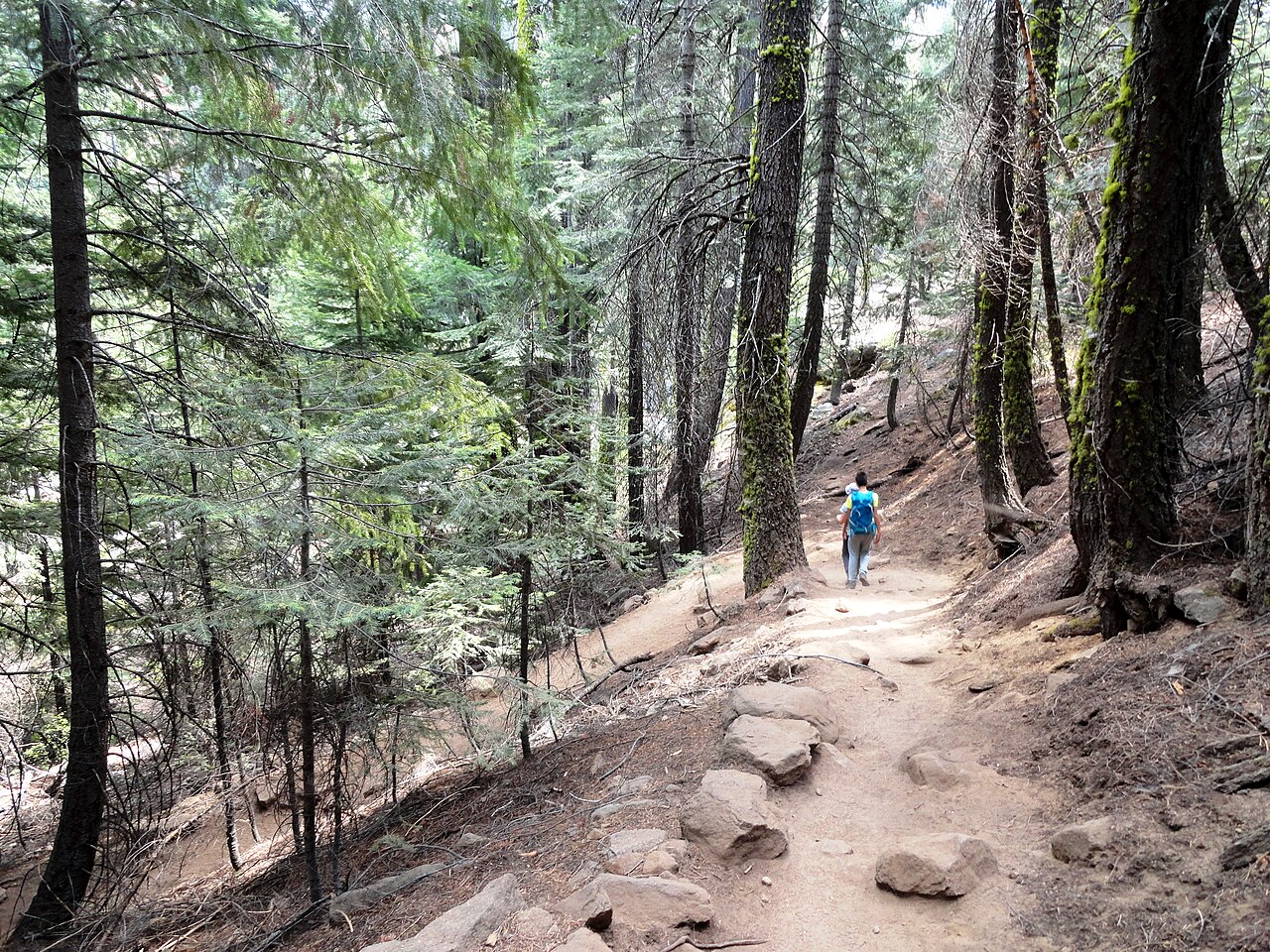
Half Dome is the hike many visitors dream about and far fewer complete. The National Park Service puts the round trip at 14 to 16 miles with roughly 4,800 feet of elevation gain, and most hikers need 10 to 12 hours, which means leaving at or before sunrise. The route follows the same corridor as the Mist Trail past Vernal Fall and Nevada Fall, continues through Little Yosemite Valley, then climbs the long granite shoulder to the base of the dome, where the final 400 feet are a near-vertical slab climbed with the help of two steel cables and wooden cross-boards. Those cables are only up in summer: they usually go in the Friday before Memorial Day and come down the day after the second Monday in October, though the dates can shift with conditions. While they are up, every day hiker needs a permit. Day-hike permits are awarded by a lottery held in March, and a limited number are released by lottery two days in advance, so this is a trip you plan months ahead, not a plan you make once you arrive. Backpackers who camp in Little Yosemite Valley request the permit alongside their wilderness permit. The park asks hikers to set a non-negotiable turnaround time and gives mid-afternoon as an example for anyone who has not yet reached the summit, because descending in the dark after a 10-hour day is where most trouble begins. Carry at least a gallon of water, since treated water is available only at the Vernal Fall footbridge fountain in summer.
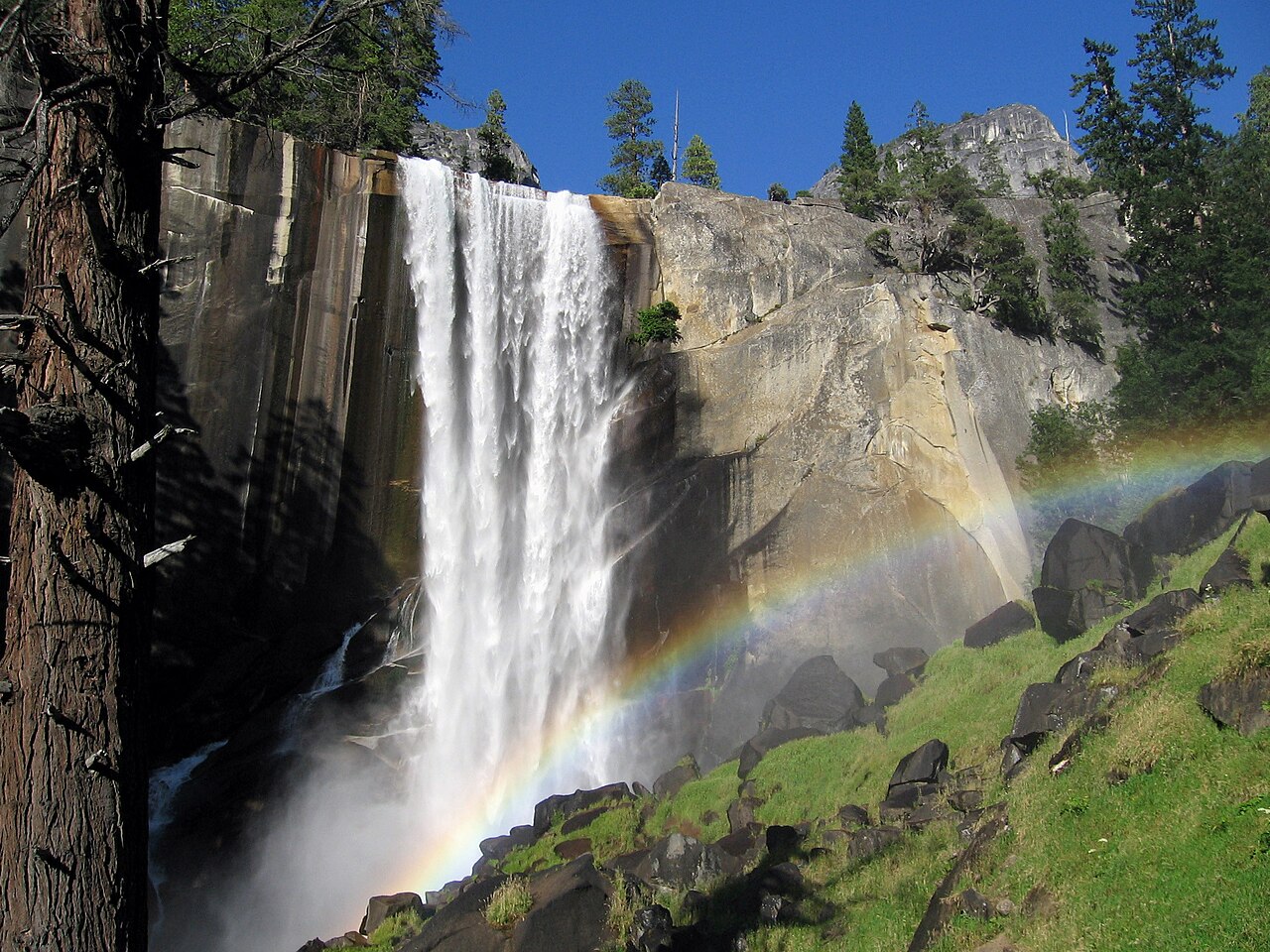
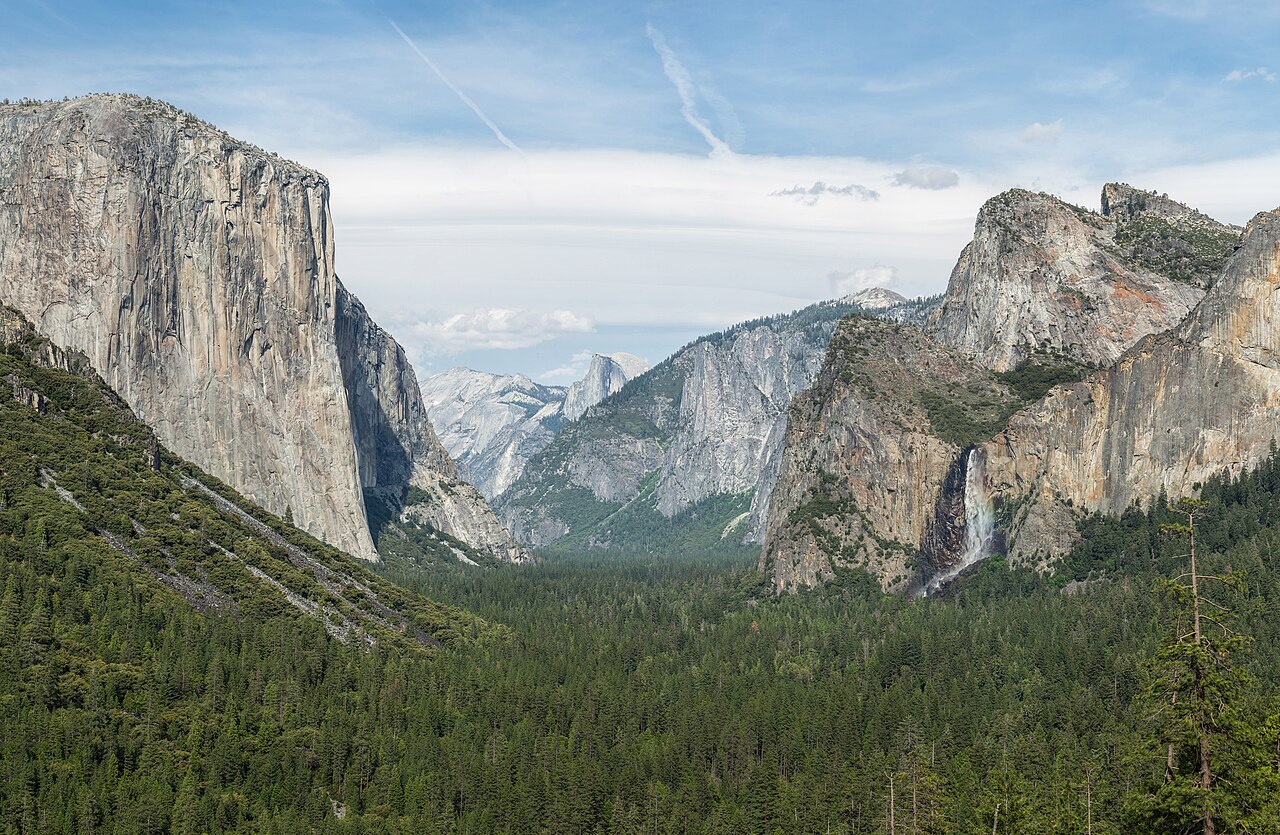
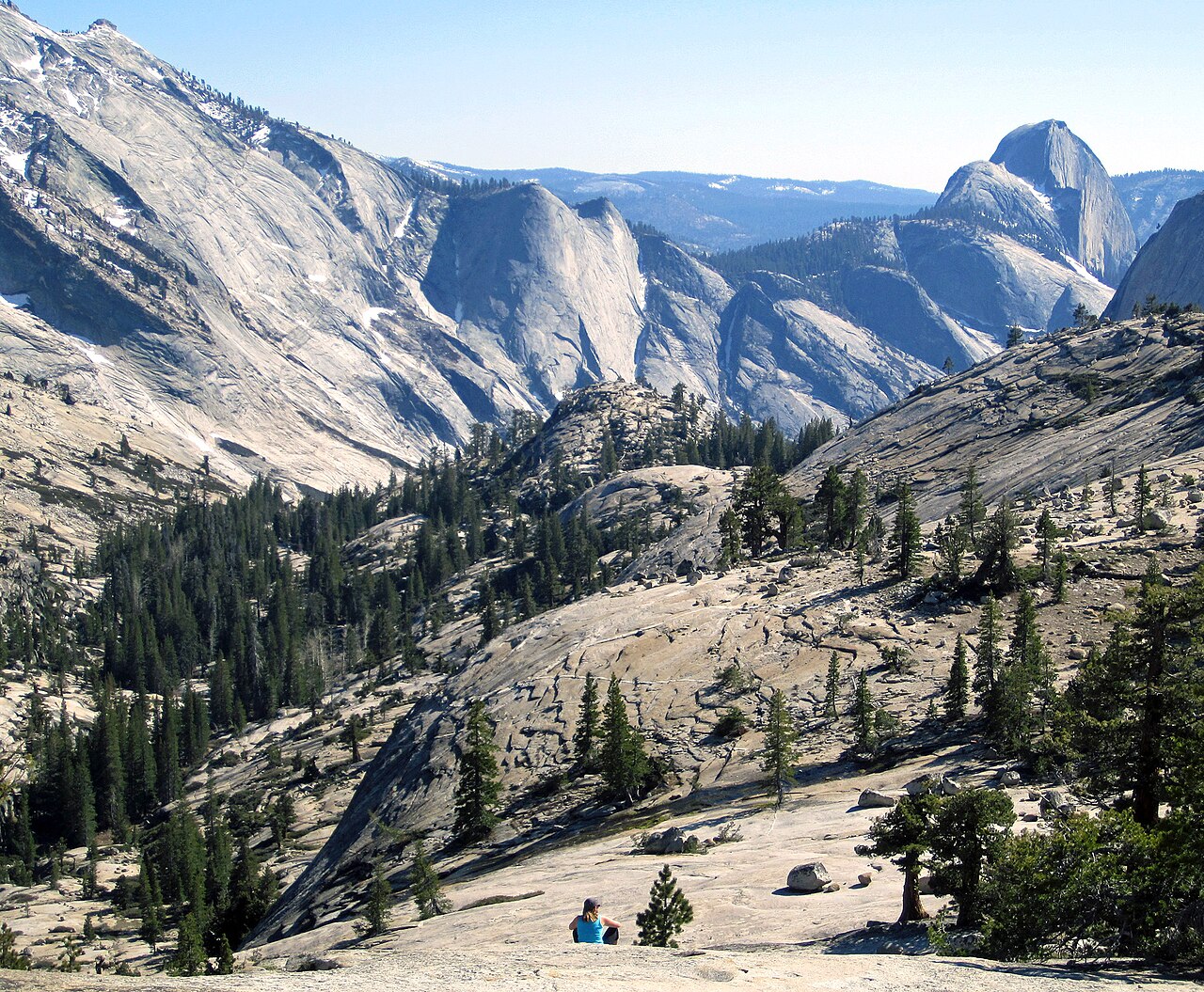
What makes it worth it. The summit is a flat granite expanse hanging more than 4,000 feet above the valley floor, with the whole of Yosemite Valley, Tenaya Canyon and the high country spread out around you. Even hikers who stop at the base of the cables, or who turn around at Nevada Fall, get one of the finest waterfall walks in the Sierra.
The climb is a rite of passage, but it is honest to say that the cables section is crowded, exposed and not for everyone, and that standing on the shoulder looking up at them is a perfectly good place to decide.
Doing it safely. The park is blunt that the leading cause of fatal falls on the cables is being on them when the rock or cables are wet, so storms and damp mornings mean you turn around. Lightning is a real risk on the exposed summit, which is also 15 to 20 degrees Fahrenheit cooler than the valley, and altitude can affect some hikers, in which case the cure is to descend.
Bring gloves with good grip, a headlamp, layers, plenty of food and electrolytes, and start training weeks ahead with long climbs. Store food properly because bears are active and fines for careless storage are steep. Do not enter Emerald Pool or the Silver Apron above Vernal Fall.
Who it suits. Strong, well-prepared hikers who are comfortable with heights and long days. If you lose the lottery, the Mist Trail to Vernal Fall or Nevada Fall delivers much of the scenery with a fraction of the commitment, and the Yosemite Mountaineering School and other guided options can help first-timers prepare. Pair a Half Dome day with a rest day and a gentle valley stroll the next morning.
What to expect
The experience
A 14 to 16 mile round trip from the valley with about 4,800 feet of gain, ending on 400 feet of steel cables; a permit is required whenever the cables are up.
Best time
Summer and early autumn while the cables are in place, starting at or before sunrise on a dry, clear day.
How long
Most hikers take 10 to 12 hours round trip.
Tips
Enter the March lottery or the two-day-ahead lottery, set a firm turnaround time, carry at least a gallon of water, and never climb the cables when they or the rock are wet.
Quick picks
- Best for
- Experienced, fit hikers chasing the park's signature summit.
- Families
- Not for young children; the length and the cables are too much.
- Couples
- A shared big-day goal, best trained for together.
- Pair with
- The Mist Trail to Vernal Fall as a warm-up or a fallback.
- Time needed
- One very long day, plus a rest day afterwards.
Good questions
Do I need a permit for Half Dome?+
Yes, whenever the cables are up. Day hikers enter a lottery in March, and a limited number of permits are released two days in advance. Backpackers request one with their wilderness permit.
How long is the Half Dome hike?+
The National Park Service gives 14 to 16 miles round trip with about 4,800 feet of elevation gain, usually 10 to 12 hours.
When are the cables up?+
Usually from the Friday before Memorial Day until the day after the second Monday in October, but dates can change, so check the park before planning.
Is Half Dome dangerous?+
It can be. Most fatal cable falls happen when the rock or cables are wet. Lightning, cold at the summit and long descents in the dark are the other main hazards.
What if I do not win a permit?+
Hike the Mist Trail to Vernal Fall or Nevada Fall, or stop at the base of the cables; both are rewarding without a permit.