Zanzibar sits just south of the equator, so there is no winter in the usual sense, only a pattern of dry and wet seasons that shapes your beach days. The weather is warm all year, and the sea is warm enough to swim in every month. What changes is rainfall, humidity, wind and, on the east coast, the tide. Here is how to choose your months.
The dry seasons
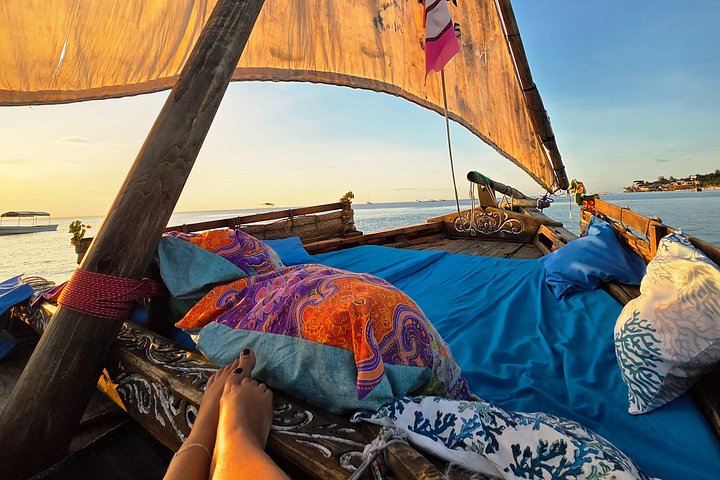
The island has two dry spells. The first and longest runs from about June to October, with the sunniest weather, lower humidity and the calmest seas. The second runs from late December to February, with hotter, more humid weather but plenty of sun and clear water. These are the best months for sandbank trips, snorkelling, dolphin trips and sunset sails, and they are the busiest and most expensive. Book flights, hotels and popular boat trips well ahead for late December to February and July to September.
The long rains
The main rainy season usually comes around April and May, with heavy downpours that often last for an hour or two rather than all day, high humidity and cloud. Some hotels and restaurants close for maintenance, prices fall and the island is green and quiet. Seas can be rougher and visibility lower, so boat trips are more likely to change. If you can accept some showers, it is a good time for a budget trip, and mornings are often sunny.
The short rains
A shorter wet period usually arrives around November, with brief, heavy showers that clear quickly. It is hot and humid, but the crowds are small and rates are lower, and many days are sunny. Treat it as a bonus season with some risk.
Winds and the sea
Two trade winds shape the seasons. The north-east wind, the kaskazi, blows mostly in the hotter months from about December to March, and the south-west wind, the kusi, blows in the cooler months from about June to September and is stronger. Winds matter because they decide which coast is calm. When the wind is strong, the exposed side has chop and seaweed or surf, while the sheltered side stays smooth, so ask your hotel which coast is best for swimming on a given day. Kitesurfers love the steady winds on the east coast, and sailors enjoy the dhow cruises in the lighter breezes.
Tides
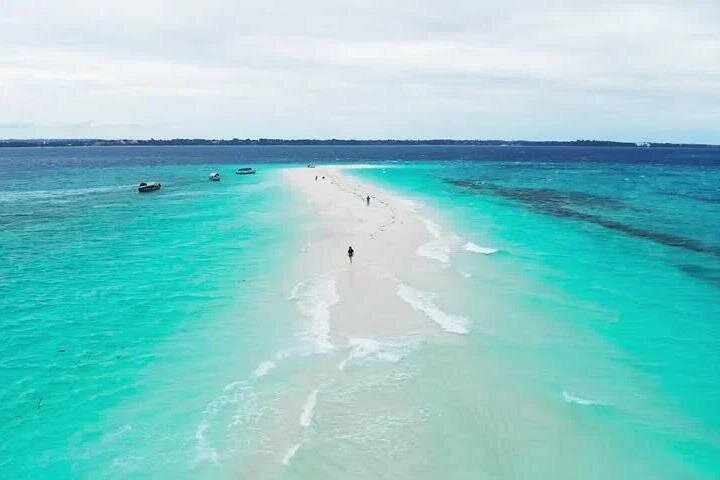
On the east coast, at Paje, Jambiani and Michamvi, the sea retreats far at low tide and swimming is only comfortable around high tide, so check tide tables daily. On the north coast at Nungwi and Kendwa, the sea is swimmable at most tides, which is why many first-time visitors base themselves there. The Nakupenda sandbank is widest at low tide.
Month by month
June to October suits first-time visitors, walkers in Stone Town, snorkellers and anyone who wants reliable sun. December to February suits beach holidays, sunset sails and Christmas or New Year trips, with hotter days. March to May suits bargain hunters who can tolerate rain. November sits in between. For wildlife, the dry months from June to October are also best for a mainland safari day, such as a fly-in trip to Mikumi.
Ramadan and festivals
Ramadan moves through the calendar each year. During it, Stone Town is quieter by day, some restaurants close until sunset and eating in public is best avoided, but the evenings are festive. Hotels and beaches continue as usual. If you want to see the island at its most animated, check the dates before you book and decide whether you prefer the quiet or the buzz.
Choosing by interest
Divers and snorkellers should aim for the dry seasons, when visibility is best and the boats run on schedule. Kitesurfers should look at the windier months on the east coast. Photographers will find the clearest light in the dry months, but the green season gives dramatic skies and empty beaches. Honeymooners often choose June to October for the weather, while budget travellers choose the wet months for the lower prices. Families with young children may prefer the cooler, less humid months from June to August.
Packing for the season
In any month, pack a hat, reef-safe sunscreen, a rash vest, insect repellent and modest clothes for town. In the rainy months add a light waterproof, and in the dry months bring a layer for breezy evenings on a boat. Whatever you choose, build a spare day into sea-trip plans in case the weather forces a change.